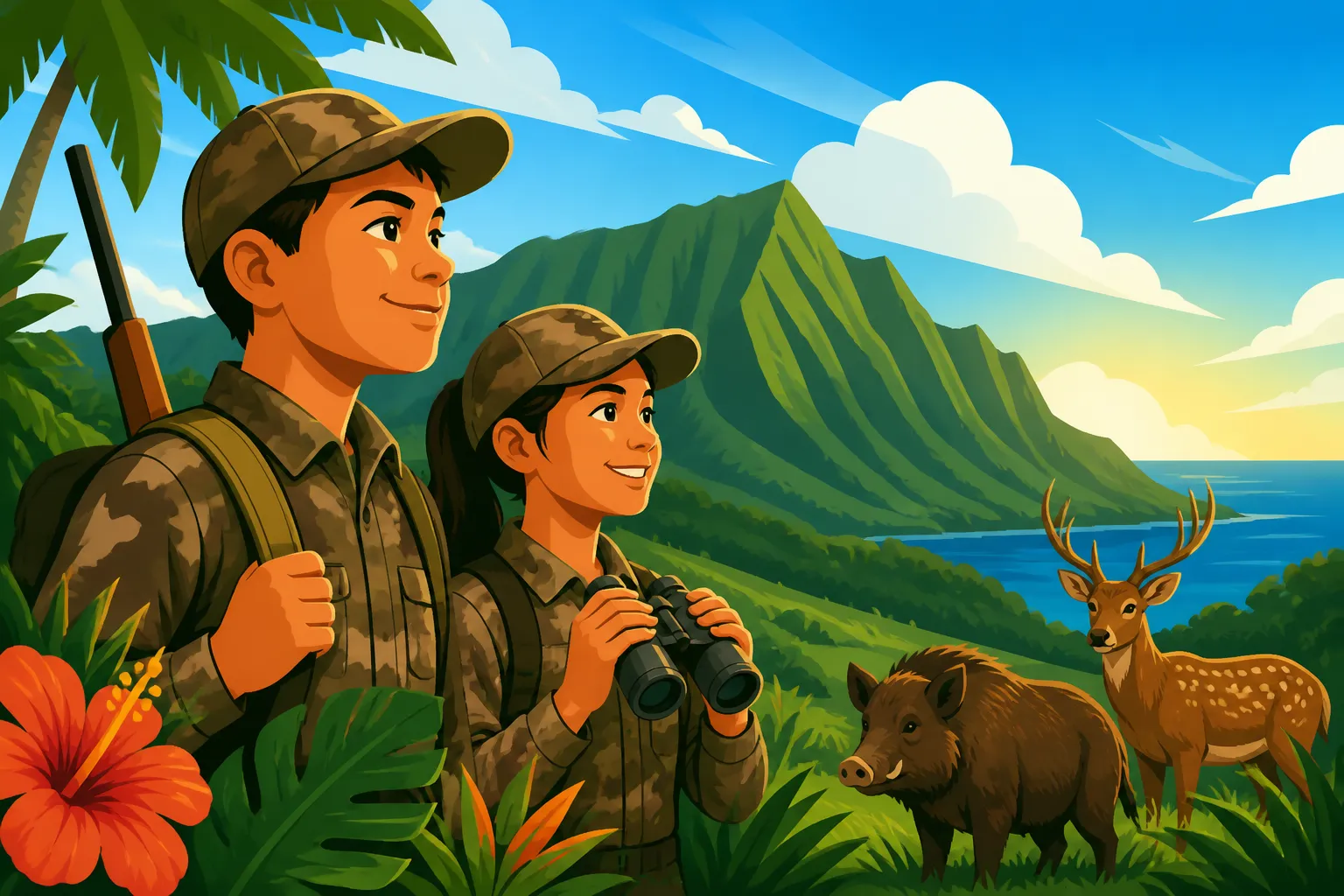
Hawaii Youth Hunt Weekends
Trying to introduce your keiki (children) to hunting in Hawaii can feel like navigating a maze of regulations, dates, and different islands. It's tough enough for experienced hunters to keep up with the changing seasons and unit rules, let alone figuring out where and when your young ones can ethically and safely learn the ropes. This guide is here to untangle all that, focusing specifically on Hawaii's invaluable Youth Hunt Weekends, ensuring you and your aspiring hunter are well-prepared for these special opportunities.
Understanding Hawaii's Youth Hunting Philosophy
Hawaii’s Division of Forestry and Wildlife (DOFAW) recognizes the critical role that hunting plays in conservation and in connecting people, especially our youth, with the 'aina (land). The concept behind Youth Hunt Weekends isn't just about providing an extra opportunity to hunt; it's deeply rooted in nurturing the next generation of stewards for Hawaii's unique ecosystems. These dedicated weekends are designed to create a safe, educational, and positive experience, laying a foundation for responsible hunting practices that will last a lifetime.
Fostering a New Generation of Hunters
For many of us, our love for the outdoors and hunting began with a parent, grandparent, or mentor taking us out into the field. Hawaii's Youth Hunt Weekends are built on this very tradition, aiming to make it easier for families to share these experiences. It’s an investment in the future, recognizing that if we don't engage young people now, the traditions, skills, and conservation ethic associated with hunting could fade. These events provide a less pressured environment for kids to learn about wildlife, tracking, gun safety, and the importance of ethical harvest, often with reduced competition from general public hunters. It's about more than just pulling a trigger; it’s about understanding the entire cycle of life and the hunter's place within it.
These weekends often offer a more focused approach, allowing mentors to dedicate their attention fully to the young hunter without the distractions of a typical competitive season. Imagine having vast tracts of Hawaii's public lands almost exclusively for youth and their supervising adults; this reduces pressure and allows for a more relaxed learning environment. It’s a chance for kids to ask questions, make mistakes, and celebrate small victories without feeling rushed or overwhelmed. This dedicated time ensures that the lessons learned about the animal, the environment, and responsible behavior truly sink in, building a lifelong appreciation for the resource and the privilege of hunting.
Conservation Through Engagement
In Hawaii, virtually all game animals are introduced species, and their populations often need active management to protect native flora and fauna. Feral pigs, goats, and Axis deer, while providing fantastic hunting opportunities, can also cause significant damage to fragile native forests and agricultural lands if left unchecked. By encouraging youth participation in hunting, DOFAW is subtly (and not so subtly) weaving a deeper connection between hunting and conservation. Young hunters learn firsthand why these animals are managed and how their efforts contribute to the health of the islands’ ecosystems.
When a young hunter participates in a Youth Hunt Weekend, they're not just harvesting an animal; they're taking part in a vital conservation effort. They learn about the delicate balance of Hawaii's environment, how overpopulation of certain species can impact native plants, and why responsible hunting is a necessary tool in wildlife management. This hands-on experience transforms abstract concepts of conservation into tangible actions. It fosters a sense of responsibility and stewardship, showing them that being a hunter means being a protector of the land, aligning the thrill of the hunt with the crucial role of ecological balance. It's an opportunity to teach that the harvest itself is a part of a larger, ongoing effort to preserve Hawaii's unique natural heritage.
Eligibility and Requirements for Young Hunters
Navigating the rules for youth hunting in Hawaii can seem a bit daunting at first, but it’s straightforward once you understand the basic requirements. These rules are in place to ensure safety and provide a structured learning environment, so it's crucial to get everything in order before heading out. From age limits to hunter education, every step is designed to prepare young hunters for a responsible and rewarding experience.
Age Restrictions and Supervision Rules
Generally, in Hawaii, there isn't a minimum age to accompany a licensed hunter, which is a great way to introduce very young children to the outdoors. However, to participate as the primary hunter, wielding a firearm or bow, specific age requirements come into play, and strict adult supervision is always mandatory. Typically, a child must be at least 10 years old to complete a hunter education course and obtain a hunting license. This age can vary slightly for specific drawn hunts, where you might see minimums of 12 or 14 years old for certain big game species or units. The adult supervising the youth hunter must be at least 18 years old and hold a valid Hawaii hunting license. They must also remain in close proximity, actively supervising the youth hunter at all times, ensuring safe conduct and ethical decision-making. These Adult Supervision Rules for Young Hunters are non-negotiable and are fundamental to the safety and success of the hunt.
The level of supervision isn't just about being in the same general area; it means being close enough to provide immediate assistance, instruction, and to maintain direct control over the hunting situation. For instance, if a youth is carrying a firearm, the supervising adult must be capable of immediately taking control of the weapon if necessary. This might mean being within arm's reach for younger or less experienced hunters. It's a critical safety measure, especially when hunting in challenging terrain or with potentially dangerous game. Remember, the supervising adult bears the primary responsibility for the youth's actions and safety throughout the hunt, making their active presence indispensable.
Hunter Education and Licensing
Before any young person can legally hunt in Hawaii, they must successfully complete a state-approved hunter education course. This is a crucial step that instills essential knowledge about firearm safety, archery safety, wildlife identification, hunting laws, ethics, and basic survival skills. These courses are comprehensive and designed to equip new hunters with the understanding and respect required for the sport. You can find information on upcoming courses and sign-up procedures through the Hawaii Hunter Education Requirements section on the DOFAW website. Once the course is completed, the next step is to acquire a Hawaii hunting license. For many, this process has been streamlined through online portals, making it more accessible.
To get the license, you’ll typically go through a system like GoHunt Hawaii, which makes purchasing and managing your hunting credentials relatively easy. Both residents and non-residents will need to follow specific procedures, and it’s important to check the current Hawaii Hunting Licenses and What They Cost well in advance of any planned hunt. Keep in mind that a hunting license is just the first step; depending on the species and unit, additional permits or tags might be required. For example, specific Axis deer or Mouflon sheep hunts, even youth hunts, often require a permit-tag acquired through a lottery or designated vendor. Always ensure all necessary documentation is in hand and understood before heading into the field, as enforcement is strict, and safety is paramount.
Key Features of Youth Hunt Weekends
Hawaii's Youth Hunt Weekends aren't just regular hunting days with a junior tag. They are specifically designed events that offer unique advantages and learning opportunities for young hunters and their mentors. These features are what make them so valuable for fostering responsible and skilled hunters for the future.
Dedicated Hunting Opportunities
One of the biggest advantages of Youth Hunt Weekends is the provision of dedicated hunting opportunities. This often means specific units or portions of units are opened exclusively for youth hunters and their adult supervisors, sometimes for certain species. This significantly reduces hunting pressure from the general public, creating a less crowded and more relaxed atmosphere. Imagine a hunt where you're not constantly worrying about other hunters appearing over the ridge or beating you to a prime spot. This allows the youth to focus on the experience, learn to read the landscape, and practice their skills without feeling rushed or intimidated. These exclusive access periods also mean that wildlife, especially game birds or certain mammal species, might be less wary due to reduced overall pressure.
These dedicated windows often align with specific Hawaii Game Mammal Seasons or Hawaii Game Bird Seasons and Bag Limits but with an emphasis on providing the youth with priority access. For example, an island might open a specific unit for youth Axis deer hunting a week or two before the general rifle season, or designate certain days for youth game bird hunting where only shotguns are allowed. It's crucial to consult the annual hunting regulations for each island to confirm these dates and specific unit rules, as they can change year to year. These opportunities are intentionally carved out to maximize success rates and provide an encouraging environment for newcomers. Knowing that you're in an area set aside just for youth hunters can greatly boost confidence and enjoyment, transforming a challenging endeavor into a truly memorable adventure.
Mentorship and Skill Building
Youth Hunt Weekends place a strong emphasis on mentorship. The adult supervisor's role extends far beyond just safety; they are teachers, guides, and role models. These hunts are an ideal setting for imparting not just the technical skills of hunting—like proper shooting form, tracking, field dressing, and navigation—but also the deeper ethical considerations. It’s a chance to teach patience, perseverance, respect for the animal, and the responsibility that comes with taking a life. Instead of focusing solely on the harvest, mentors can emphasize the journey, the time spent outdoors, and the lessons learned even when a shot isn't taken.
Beyond the immediate hunting skills, these weekends offer a unique classroom for broader outdoor education. Mentors can teach about local ecology, identify native and introduced plant species, discuss animal behavior, and highlight the importance of Field Care in Hawaii's Heat and Humidity. It’s an invaluable opportunity to share knowledge about Hawaii's unique environment, from understanding the trade winds and thermals to identifying different types of animal sign. The act of sharing these experiences deepens the bond between mentor and youth, creating lasting memories and instilling a profound appreciation for the natural world. It’s an investment in developing not just a hunter, but a well-rounded and responsible outdoor enthusiast.
Island-Specific Youth Hunt Calendars
Hawaii's hunting opportunities are highly localized, and Youth Hunt Weekends are no exception. What's available on the Big Island might be vastly different from what you'll find on Maui or Kauai. It's absolutely essential to consult the most current DOFAW regulations for the specific island you plan to hunt, as dates, species, and units can change annually based on population assessments and management needs.
Big Island Youth Hunts
On Hawaii Island, the "Big Island," youth hunting opportunities often focus on feral pigs, goats, and occasionally Mouflon sheep in specific units. Areas like the Mauna Kea Game Management Area or parts of the Ka'u Forest Reserve might have designated youth hunt weekends. These hunts are fantastic opportunities to introduce young hunters to varied terrain, from the dry, rocky slopes where goats thrive to the dense, wet forests that pigs call home. The specific dates for these hunts are typically announced in the annual Big Island hunting regulations, often coinciding with school breaks or holidays to maximize participation.
For example, you might find youth weekends designated for pig hunting in units like those within the Hilo Forest Reserve, allowing kids to experience the challenge of still-hunting in thick cover. Or, there might be opportunities for goat hunting on the drier slopes, teaching patience and glassing techniques. It’s common for these Big Island youth hunts to require pre-registration or even a special permit drawing, so always check DOFAW's website or the local office well in advance. Remember to also check the specific Hawaii's Legal Weapons by Season as those rules apply equally to youth hunts.
Maui County Youth Opportunities
Maui County, encompassing Maui, Molokai, and Lanai, offers some of Hawaii's most sought-after game, particularly Axis deer. Youth Hunt Weekends here are incredibly popular, especially for Axis deer, and often involve a lottery or drawn hunt system due to high demand and limited tags. On Lanai, the annual Axis deer season, which is often a significant draw, typically includes specific youth hunt dates. These are prime opportunities for young hunters to pursue what many consider Hawaii’s premier big game animal. You'll want to pay close attention to the Lanai Axis Deer Youth Hunt Dates as they are highly anticipated.
Molokai also provides excellent Axis deer and goat hunting, and similar youth opportunities may arise. Maui's diverse landscape offers potential for youth hunts targeting pigs or goats in areas like the Kahikinui slopes or parts of the Kula Forest Reserve. Due to the popularity of these islands, especially for Axis deer, securing a spot can require diligent planning and submitting applications within strict deadlines. Always keep an eye on DOFAW's announcements for specific dates, application windows, and any changes to the Hawaii's Hunting Units and How They Work for youth hunts in Maui County.
Oahu and Kauai Youth Hunts
While Oahu doesn't have the big game species like Axis deer or Mouflon, it does offer youth hunting for feral pigs and goats. These opportunities are generally found in the island's public hunting units, such as those within the Waianae Mountains. Youth hunt weekends on Oahu are a fantastic way for local kids to learn the basics of tracking and stalking in dense, often challenging terrain. The emphasis here is often on the experience itself and the cultural connection to pig hunting, which has deep roots in Hawaiian tradition. Specific dates and unit availability will be detailed in Oahu’s annual hunting regulations.
On Kauai, Black-tailed deer are the primary big game species, found primarily in the Kokee and Na Pali-Kona Forest Reserve areas. Kauai does offer youth deer hunting weekends, providing a unique chance to pursue this less common species in Hawaii. These hunts are often highly anticipated and may also involve a lottery system. Beyond deer, Kauai offers opportunities for pig and goat hunting, often in challenging canyon country. For both Oahu and Kauai, like the other islands, always double-check the current hunting schedule published by DOFAW, paying close attention to any special instructions for youth participants. The Kauai Black-Tailed Deer Season Dates will be particularly relevant for those interested in deer hunting opportunities for youth on the Garden Isle.
Here's a simplified table summarizing typical youth hunt weekend focus areas by island, though specific dates and species vary annually:
| Island | Primary Youth Hunt Species Focus | Typical Habitat | Access Type (Common) |
|---|---|---|---|
| Hawaii (Big) | Feral Pigs, Goats, some Mouflon | Wet forests, dry slopes, high elevation | Walk-in, 4×4 access, special draw |
| Maui | Axis Deer, Feral Pigs, Goats | Dry plains, brush, mountain slopes, forests | Walk-in, 4×4 access, lottery draw |
| Molokai | Axis Deer, Feral Goats | Dry scrub, open country, gulches | Walk-in, 4×4 access, lottery draw |
| Lanai | Axis Deer, some Mouflon | Dry kiawe flats, open ridgelines, scrub | Walk-in, lottery draw (no guides) |
| Oahu | Feral Pigs, Feral Goats | Wet forests, dense jungle, steep ridges | Walk-in, some restricted access |
| Kauai | Black-tailed Deer, Feral Pigs, Goats | Dense forests, deep canyons, rugged terrain | Walk-in, 4×4 access, special draw |
Note: This table provides a general overview. Always consult the latest DOFAW hunting regulations for precise dates, units, and species for the current season.
Preparing for a Successful Youth Hunt
Successful hunting, especially with youth, goes far beyond just showing up on the right day. It involves careful planning, the right gear, and instilling a strong sense of responsibility and ethics. Being prepared ensures a safer, more enjoyable, and ultimately more rewarding experience for everyone involved.
Gear and Safety Essentials
When preparing for a youth hunt in Hawaii, safety should always be the absolute top priority. This starts with ensuring the young hunter is proficient and comfortable with their chosen weapon, whether it’s a rifle, shotgun, or bow. Practice at the range is non-negotiable. Beyond weapon familiarity, the right gear is crucial for comfort and safety in Hawaii's often rugged and varied terrain. Sturdy, broken-in boots are essential for navigating lava fields, wet forest floors, or steep gulches. Light, breathable clothing that offers protection from sun and thorns is recommended. Don't forget rain gear, even on seemingly clear days, especially on the windward sides of the islands. Hydration is key, so plenty of water and snacks are a must.
Crucially, Blaze Orange and Safety Rules are paramount in Hawaii's hunting units. Both the youth hunter and the supervising adult must wear an outer garment of solid blaze orange that is visible from all sides. This isn't just a suggestion; it's a legal requirement designed to make hunters visible to each other and prevent accidents. Beyond orange, carrying a well-stocked first-aid kit is vital, as help can be a long way off in remote units. Communication devices, like fully charged cell phones (though coverage can be spotty in many remote areas, so a satellite messenger might be wise), and a whistle for emergencies are also important. Finally, ensure you have all necessary licenses, permits, and tags, and that you understand Tagging an Animal Correctly in Hawaii immediately after a harvest. Proper planning for these essentials makes for a much smoother and safer outing.
Field Ethics and Responsibility
A youth hunt is arguably the most important time to instill strong field ethics and a deep sense of responsibility in a young hunter. It's not just about following the law; it's about respecting the animals, the land, and other hunters. Teach your child about fair chase principles – making a clean kill, not taking risky shots, and understanding the capabilities of their weapon. Emphasize the importance of humane treatment of game and quick, efficient field dressing to preserve the meat. Discuss the concept of "leave no trace," packing out all trash, including spent casings, and minimizing impact on the environment.
Beyond the immediate moment of the hunt, talk about the larger ecosystem. Explain how animals move, what they eat, and how their presence affects the plants and other creatures around them. This helps foster an understanding of their place in the natural world. If you're hunting in a cooperative game management area or private land with specific rules, ensure your child understands and respects those boundaries and landowner wishes. Instilling these values early ensures that they grow into respectful, responsible, and ethical hunters who contribute positively to the hunting community and conservation efforts. A responsible hunter understands that their actions reflect not just on themselves, but on all hunters.
Maximizing the Experience Beyond the Harvest
While the thrill of a successful harvest is undoubtedly a part of hunting, especially for a young person, it's crucial to teach that the true value of a hunt extends far beyond pulling the trigger or drawing the bow. Youth Hunt Weekends offer an incredible opportunity to build character, foster deep connections, and impart life lessons that will serve them well, whether they continue hunting or not.
Bonding and Outdoor Connection
These dedicated weekends are a precious chance for families to bond away from the distractions of daily life. There's something truly special about spending quiet time together in the Hawaiian wilderness, observing nature, and sharing stories. The anticipation, the challenge of the stalk, the moments of stillness, and even the disappointments when a shot isn't presented, all contribute to a shared experience that strengthens relationships. It's during these times that trust is built, patience is learned, and resilience is tested in a supportive environment. The memories created while Hunting Hawaii's Volcanic Terrain or navigating a dense rainforest, regardless of the outcome, are often the most cherished.
This connection isn't just between the hunter and mentor; it's also about fostering a deep appreciation for the Hawaiian landscape. Take moments to identify birds, point out native plants, explain the unique geology, or discuss the significance of a particular tree. Help them understand Why Every Hawaii Game Animal Was Introduced and the role these animals now play. These lessons enrich the experience beyond the pursuit of game, teaching respect for the environment and the importance of preserving these wild spaces. It transforms a hunting trip into a holistic outdoor adventure, a journey of discovery that transcends the act of hunting itself and nurtures a lifelong love for nature.
Learning Valuable Life Skills
Hunting inherently teaches a host of valuable life skills that are increasingly rare in modern society. For young hunters, these include patience – waiting quietly, moving slowly, understanding that success often comes to those who can delay gratification. Perseverance is also key; overcoming physical challenges, enduring long walks, or dealing with the frustration of missed opportunities builds mental toughness. Navigating complex terrain, understanding weather patterns, and reading animal sign all develop critical thinking and problem-solving abilities. When Scouting a Hawaii Hunting Unit Before Opening, they learn the importance of preparation and observation.
Beyond these practical skills, hunting teaches a fundamental understanding of where food comes from and the sacrifice involved in providing it. Field dressing, processing meat, and understanding proper Field Dressing Axis Deer in Hawaii Heat connect them directly to the sustenance they receive. This connection fosters gratitude and reduces waste, promoting a more mindful approach to food consumption. These skills, whether applied to future hunting endeavors or other aspects of life, contribute to a well-rounded individual capable of facing challenges with resilience, respect, and a deep connection to the natural world.
Disclaimer
Please be aware that hunting regulations in Hawaii can change frequently. While every effort has been made to provide accurate and up-to-date information in this guide, it is the hunter's sole responsibility to consult the current Hawaii Department of Land and Natural Resources (DLNR), Division of Forestry and Wildlife (DOFAW) regulations before planning or undertaking any hunt. Always verify season dates, bag limits, legal weapons, unit boundaries, and specific youth hunt requirements directly with official DOFAW sources.