Which Game Birds Are Closed
It’s a uniquely frustrating experience to scout out what you think would be prime bird hunting grounds in Hawaii, only to discover that the very species you’re looking forward to pursuing is completely off-limits. With Hawaii's complex mix of introduced game birds and highly protected native species, it's incredibly easy to get confused. This guide is here to clear the air, helping you understand exactly which game birds are closed to hunting in the islands, the reasons behind these vital protections, and how you can stay updated to ensure every hunt is legal and respectful of Hawaii’s precious wildlife.
Understanding Hawaii's Game Bird Landscape
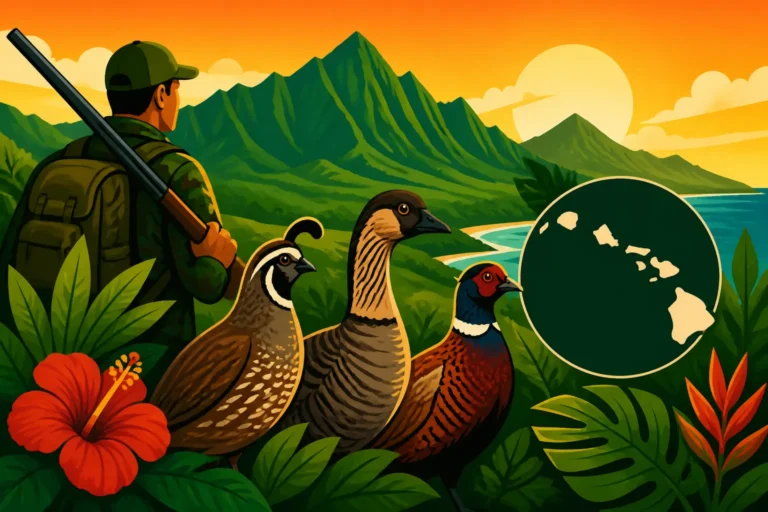
Hawaii’s game bird hunting scene is unlike almost anywhere else in the world, largely due to its unique ecological history and the challenges that come with being an isolated island chain. What we hunt here today are almost entirely introduced species, brought over for sport, food, or simply as a result of human migration over centuries. This has created a vibrant, though sometimes complicated, tapestry of feathered friends across the islands.
A Unique Hunting Environment
Imagine hunting upland birds on the slopes of a dormant volcano, or flushing doves from the edge of a kiawe forest stretching down to the ocean. That's Hawaii. From the high-elevation grasslands of Mauna Kea on Hawaii Island to the dense rainforests of Kauai, the terrain presents incredible diversity. This means game birds have adapted to a wide range of habitats, from dry, arid scrublands to lush, wet valleys. Hunters here learn quickly that scouting isn't just about finding birds, but understanding the microclimates and vegetation zones that dictate their presence. However, this same isolation that led to such unique native ecosystems also means that introduced species can have a profound impact, sometimes to the detriment of Hawaii’s irreplaceable endemic birds. It’s a delicate balance, and hunting plays a role in managing some of these introduced populations.
The Balance of Introduction and Native Species
When people first arrived in Hawaii, whether Polynesians or later European explorers, they brought with them animals for food and companionship. Many of Hawaii's current game birds, like various species of francolin, pheasant, chukar, and quail, were intentionally introduced over the last two centuries to provide hunting opportunities. These birds thrived in the islands' diverse habitats, filling niches that were often empty of native land birds. However, Hawaii is also home to an astonishing array of native birds, many of which are found nowhere else on Earth. These include beautiful forest birds, seabirds, and, most famously, the Nene (Hawaiian Goose). Many of these native species evolved without natural predators and are particularly vulnerable to habitat loss, introduced predators (like mongoose or rats), and diseases. This stark contrast between thriving introduced game and struggling native birds is at the heart of Hawaii’s hunting regulations. The state’s Division of Forestry and Wildlife (DOFAW) must constantly weigh the recreational opportunities against the critical need to protect endangered native wildlife. Hunters are, in many ways, on the front lines of this conservation effort, even if it means certain birds are completely off-limits.
The Birds You Cannot Hunt in Hawaii
Navigating Hawaii's hunting regulations can feel like trying to read a map in the dark sometimes. While there's a good variety of game birds available, it's absolutely crucial to know which ones are not on the list. The consequences of accidentally harvesting a protected bird can be severe, so let's get clear on the birds that are officially closed.
Officially Closed Game Bird Species
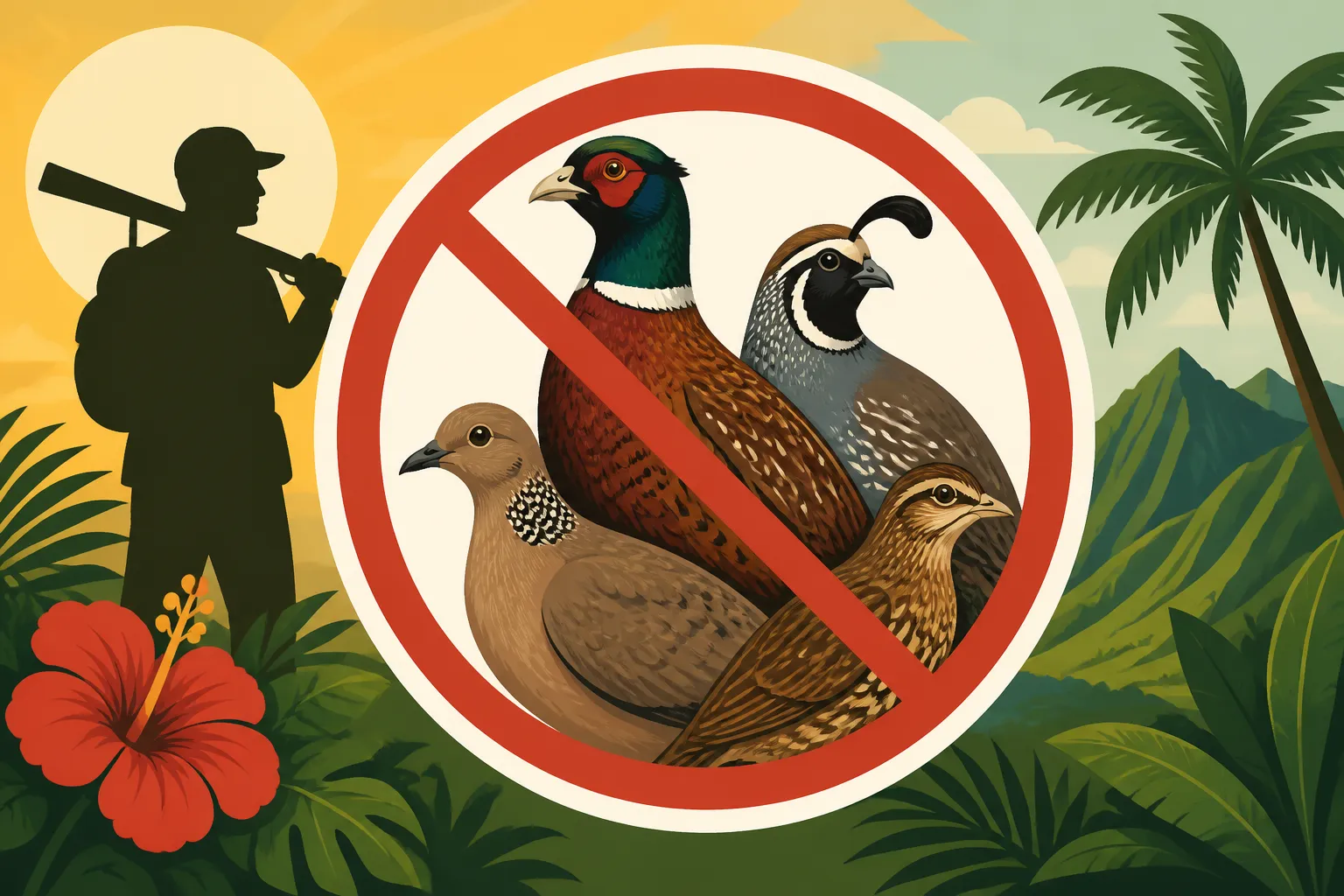
When we talk about game birds that are strictly off-limits in Hawaii, two species immediately come to mind: the Nene (Hawaiian Goose) and the Wild Turkey. These are the big ones every hunter needs to be aware of.
The Nene (Hawaiian Goose) is probably the most iconic example. This beautiful bird is Hawaii's state bird and a federally protected endangered species. You'll find Nene mostly on Hawaii Island, Maui, and Kauai, often in high-elevation grasslands, volcanic slopes, or even golf courses near human habitation. They look somewhat similar to a Canada Goose but are smaller, with characteristic black heads and feet, buff cheeks, and deeply furrowed necks. Shooting a Nene, even by accident, carries incredibly severe penalties under both state and federal law. It's not just a hunting violation; it's a federal offense under the Endangered Species Act. Therefore, if you're out hunting upland birds, it's absolutely paramount to properly identify your target before taking a shot, especially if you're in areas where Nene are known to frequent. Knowing Hawaii's Nene and Why It Is Protected is vital for any hunter stepping foot on the islands.
Then there’s the Wild Turkey. While these birds are a popular game species across much of the mainland United States, they are currently closed to hunting statewide in Hawaii. This can come as a surprise to many visiting hunters who assume turkeys would be fair game if they see them. You might encounter healthy flocks on Hawaii Island, particularly around the slopes of Mauna Kea or Mauna Loa, or even on Molokai. Despite their presence, the decision has been made by DOFAW to keep the season closed. This closure is typically due to population management efforts, allowing the flocks to grow and stabilize, or simply because their numbers don't yet support a sustainable hunting season. This is Why Wild Turkey Is Closed in Hawaii remains a critical piece of information for island hunters.
Species With Island-Specific Closures
Beyond the statewide closures, it's also important to remember that seasons and bag limits for otherwise huntable game birds can vary dramatically by island, and even by specific hunting unit. What's open on Maui might be closed on Kauai, or vice-versa. For instance, while most francolin species (like Erckel's, Black, and Gray Francolin) are generally huntable in Hawaii, certain islands or specific units within an island might have temporary closures due to low populations, habitat restoration projects, or ongoing studies.
A good example might be a particular unit on Hawaii Island that's experiencing a drought, leading to fewer chukar or francolin. DOFAW might decide to close that specific unit for the season to allow bird populations to recover. These hyper-local closures are dynamic and can change year to year, or even mid-season. This is where your diligent research comes in, by checking current Hawaii Game Bird Seasons and Bag Limits directly from DOFAW. This isn't just a suggestion; it's an absolute requirement. Ignoring these nuanced, island-specific rules can lead to citations and the loss of hunting privileges.
Birds That Are Often Mistaken for Game
Finally, there's a category of birds that hunters sometimes mistake for game species, either due to their appearance or because they are hunted elsewhere. The most common culprit here are various types of doves and pigeons. While Hawaii does have huntable dove species like the Spotted Dove and Barred Dove, there are many other native or protected bird species that, to an untrained eye, might look similar. For example, some non-native bird species like certain finches or mynah birds are not considered game, but also generally aren't protected. However, the risk lies in mistaking a protected native species for a non-game bird, or for a game bird in an area where it might be closed.
It’s about more than just knowing what's open; it’s about definitive identification. If you are uncertain about a bird's species, especially in flight or at a distance, the safest and most responsible action is to not take the shot. Always err on the side of caution. Hawaii's ecosystems are fragile, and every native bird, no matter how common it might seem, plays a vital role. Understanding this distinction is key to being a respectful and effective hunter in the islands. Knowing which birds are Hawaii's Endangered Birds Near Hunting Units is an important part of avoiding misidentification.
| Game Bird Category | Common Huntable Species (Status Varies by Island/Unit) | Officially Closed Species (Statewide) |
|---|---|---|
| Upland Birds | Erckel's Francolin, Black Francolin, Gray Francolin | Wild Turkey |
| Ring-necked Pheasant, Kalij Pheasant, Green Pheasant | ||
| Chukar, California Quail, Japanese Quail | ||
| Doves & Pigeons | Spotted Dove, Barred Dove | (No specific doves closed statewide) |
| Waterfowl & Other | (No other huntable game birds in this category) | Nene (Hawaiian Goose) |
| Important Note: Always consult the current Hawaii DOFAW regulations for specific island/unit season dates and bag limits before hunting, as even generally huntable species may have temporary or local closures. GoHunt is a fantastic resource for this information. |
The Reasons Behind Hunting Closures
When a specific game bird species is off-limits to hunting in Hawaii, it's not a decision made lightly. These closures are the result of careful scientific assessment and are deeply rooted in the state’s commitment to wildlife conservation and ecological balance. Understanding these reasons helps hunters appreciate the 'why' behind the rules and reinforces the importance of compliance.
Conservation Status and Endangered Species Act
The primary and most critical reason for game bird closures in Hawaii is often their conservation status, particularly if a species is listed under the federal Endangered Species Act (ESA) or Hawaii's own endangered species list. The Nene, as we discussed, is a prime example. Having been brought back from the brink of extinction, its continued recovery relies heavily on robust protection from all threats, including hunting. These species have incredibly fragile populations, often numbering in the hundreds or low thousands, and cannot sustain any additional pressure. Their survival is not just about avoiding direct harm, but also about protecting their habitat and ensuring they can reproduce successfully.
The ESA provides a powerful legal framework that prohibits the "take" of endangered species, which includes hunting, harming, harassing, or otherwise impacting them. For hunters, this means not only refraining from shooting such a bird but also understanding that being in an area frequented by Nene requires extra vigilance and care. The rules are strict because the stakes are incredibly high: the loss of a species found nowhere else on Earth. Every hunter in Hawaii needs to internalize this, recognizing that protecting these rare birds is a shared responsibility that transcends state lines and recreational pursuits.
Population Management and Sustainability
Even for species that are not endangered, hunting closures or highly restricted seasons are often implemented as a tool for population management and to ensure long-term sustainability. This is frequently the case for the Wild Turkey in Hawaii. While turkey populations exist and are visible, DOFAW may determine that their numbers aren't robust enough to support a consistent hunting season without risking a significant decline. This could be due to a variety of factors: slow reproductive rates in the local environment, limited available habitat, or even susceptibility to specific diseases that could quickly decimate a flock.
Wildlife biologists continuously monitor game bird populations through surveys, harvest reports, and habitat assessments. If these data indicate a downward trend, or if a population hasn't reached a target threshold for stable hunting, a season might be closed entirely, or reduced to very short windows or low bag limits. This proactive approach ensures that future generations will still have the opportunity to hunt these species. It’s a classic conservation principle: sometimes, to have more later, you need to take less (or none) now. This also ties into how Hawaii Game Bird Seasons and Bag Limits are meticulously set each year.
Habitat Protection and Ecosystem Health
Hawaii's ecosystems are particularly vulnerable, and hunting regulations often intertwine with broader habitat protection efforts. For game birds, this means ensuring they have healthy places to live, feed, and nest. Closures might be enacted if a specific hunting unit is undergoing habitat restoration, if there's a fragile nesting area, or if human disturbance (including hunting pressure) could negatively impact the overall health of the local ecosystem. For example, if a native forest bird habitat overlaps with an area where introduced game birds reside, a game bird season might be temporarily closed to minimize disturbance to the more vulnerable native species.
Additionally, some closures are a response to ecological events. A severe drought, for instance, can drastically reduce water sources and food availability for birds, leading to widespread population declines. In such cases, DOFAW might close a season to give the birds a chance to recover without added hunting pressure. Conversely, some hunting of introduced species like feral pigs is encouraged to protect native ecosystems, as outlined in Hunting Hawaii's Feral Pigs. It’s all part of a larger, interconnected strategy to preserve Hawaii’s precious natural resources. It emphasizes that hunting isn't just about the act of harvesting; it's about being an active participant in maintaining ecological balance.
Staying Informed and Hunting Responsibly
The dynamic nature of Hawaii's hunting regulations means that staying informed isn't just a good idea – it's an essential part of being a responsible hunter. Rules can change, seasons can be adjusted, and new information is released regularly. Taking the initiative to stay updated ensures your hunts are safe, legal, and truly contribute to the conservation ethos of the islands.
Consulting Official Sources
Your absolute first stop for any and all hunting information in Hawaii should always be the official state Division of Forestry and Wildlife (DOFAW) website. This is where the most current and accurate regulations, season dates, bag limits, and any emergency closures are published. It's not enough to rely on last year's printout or what a friend told you. Always check the official site before planning any hunt, especially for specific game birds and units.
Beyond the main website, DOFAW often publishes hunting unit maps and specific announcements. Many hunters find resources like GoHunt incredibly useful, not just for licenses but for their continuously updated databases and maps that integrate official regulations. While GoHunt can be a great tool, remember to always cross-reference critical details with the official DOFAW publications. The state also often utilizes the OuterSpatial app for checking in and out of units and disseminating real-time information, which can be invaluable for mid-season changes. Make it a habit to look for these updates before every trip out into the field, as rules for even a generally huntable bird like the Chukar might have an island-specific The Chukar Daily Bag Limit change.
The Role of Hunter Education and Community
Hunter education in Hawaii goes beyond just firearm safety; it’s about understanding the unique environment, cultural sensitivities, and conservation challenges of the islands. If you're new to hunting in Hawaii, or even if you're a seasoned mainland hunter, considering a local hunter education course or at least thoroughly reviewing the materials is highly recommended. These courses, whether in-person or online, provide invaluable insights into species identification, local regulations, and the ethical considerations specific to hunting in Hawaii. You can find more details on Hawaii Hunter Education Requirements through DOFAW.
Engaging with the local hunting community is also incredibly beneficial. Local hunters often have firsthand knowledge of specific units, bird behaviors, and nuances that aren't always explicitly written in regulations. Joining a local hunting club or participating in online forums focused on Hawaii hunting can provide a wealth of knowledge and help you stay on top of informal updates or local conditions. Just be sure to always verify any advice with official sources. This communal knowledge, combined with official regulations, creates a robust framework for responsible hunting.
Being a Steward of Hawaii's Wildlife
Ultimately, being a responsible hunter in Hawaii means embracing the role of a steward for its unique wildlife. This goes beyond simply following the rules; it means actively participating in conservation, educating others, and demonstrating respect for the land and its creatures. When you encounter protected species, give them ample space. If you notice unusual activity or potential violations, report them to DOFAW. Consider volunteering for habitat restoration projects or participating in clean-up efforts in hunting areas.
The privilege of hunting in Hawaii comes with the responsibility of helping to preserve its ecological integrity. By meticulously checking regulations, understanding the reasons behind closures, and actively contributing to conservation efforts, you ensure that hunting remains a respected and sustainable activity in these beautiful islands for generations to come. Your purchase of a Hawaii Hunting Licenses and What They Cost and the associated Hawaii's Wildlife Conservation Stamp directly contributes to these vital management programs.
Disclaimer
Please be aware that hunting regulations in Hawaii can change frequently. The information provided in this article is intended for general guidance and informational purposes only. It is the individual hunter's sole responsibility to consult the most current official regulations published by the Hawaii Department of Land and Natural Resources (DLNR), Division of Forestry and Wildlife (DOFAW) before participating in any hunting activity. Always verify season dates, bag limits, open units, and legal weapons directly from official state sources. Relying solely on this or any other third-party content may result in legal violations.