Hawaii Private Land Access Permits
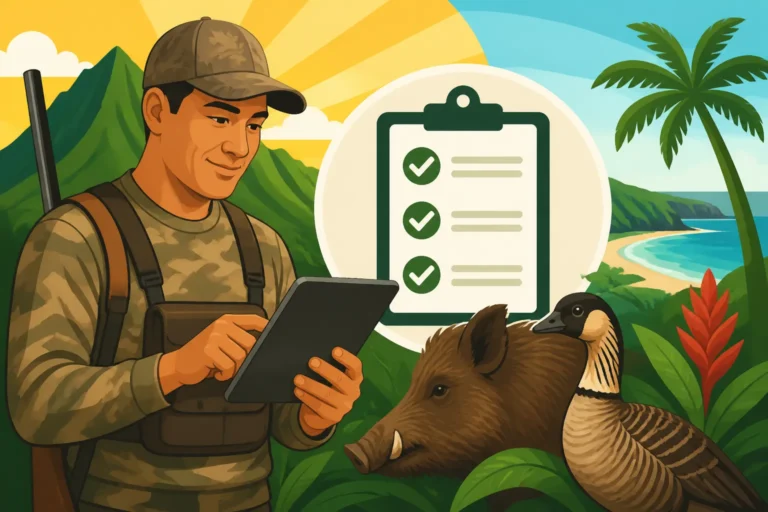
Trying to navigate Hawaii's hunting landscape can feel like deciphering an ancient map written in a foreign language, especially when it comes to where you can actually put boots on the ground. Many hunters, both kama'aina and visitors, get frustrated by the limited public land access and the often-complex permit systems. This guide is here to untangle the complexities of Hawaii private land access permits, helping you understand how to secure those coveted opportunities and make the most of them.
Understanding the Landscape of Private Land Hunting in Hawaii
For many hunters dreaming of chasing game across the stunning Hawaiian Islands, the reality of public land access can be a bit of a rude awakening. While the state does offer some fantastic public hunting units, they often come with limitations: specific seasons, drawing requirements, weekend-only access, and sometimes, a significant amount of competition. This is where private land hunting steps in as a game-changer, offering a different, often more rewarding, experience.
Why Private Land Matters for Hunters
The Hawaiian Islands are largely made up of private land, much of it owned by large estates, agricultural operations, or long-standing ranches. These lands often encompass vast tracts of diverse terrain, from dry, kiawe-studded flats to lush, wet rainforests and high-elevation pastures. What does this mean for hunters? It typically translates to higher animal densities, less hunting pressure, and often, more flexible hunting schedules than you'd find on public land. Imagine having exclusive access to a valley teeming with pigs, or a kiawe flat where axis deer graze undisturbed, without the constant worry of bumping into other hunting parties. This reduced pressure often means animals are less wary, presenting better opportunities for a successful harvest. It's a different kind of challenge, one where your focus can shift from navigating crowds to truly understanding the animal's behavior in an undisturbed environment.
Beyond the sheer numbers and reduced competition, private land can offer access to game species that might be harder to come by on public ground, or provide the chance to hunt specific subspecies or larger trophy animals that have had more time to mature. For instance, some of the most impressive axis deer bucks are often taken on well-managed private ranches where they have ample forage and less disturbance. Similarly, certain private properties might offer unique opportunities for Hunting Hawaii's Feral Pigs in prime habitat that isn't readily available to the general public.
The Difference Between Public and Private Land Access
The stark contrast between public and private land access in Hawaii is something every hunter needs to grasp. On public lands, managed by the Department of Land and Natural Resources (DLNR) Division of Forestry and Wildlife (DOFAW), access is generally regulated through a system of Hawaii's Hunting Units and How They Work. You often need a state hunting license, a Hawaii Wildlife Conservation Stamp, and for many units, specific permit-tags obtained through drawings or over-the-counter purchases. You check in and out at designated stations, adhere to strict season dates, bag limits, and legal weapon types. It's a standardized system, designed for broad public access and resource management, but it also comes with its share of bureaucracy and limitations.
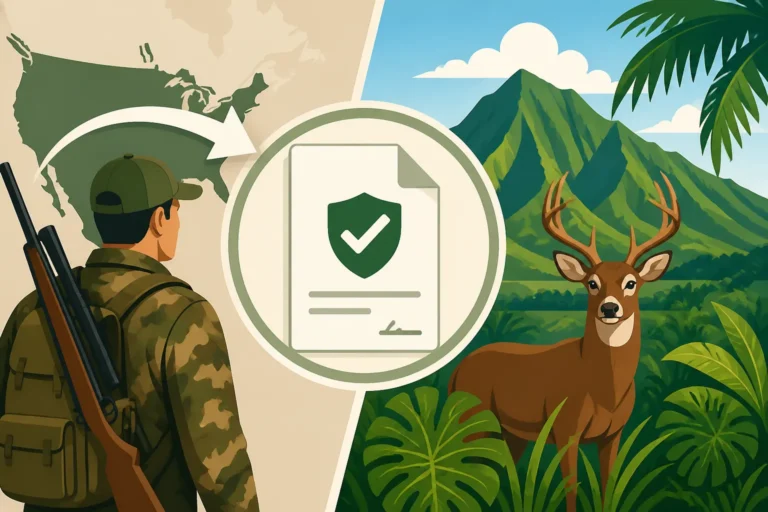
Private land, on the other hand, operates under the landowner's discretion. While you still need a valid state hunting license (the Hawaii Hunting Licenses and What They Cost are essential regardless of where you hunt), the specific "permit" for private land access isn't issued by the state in the same way. Instead, it's a direct agreement or contract with the landowner or a guide operating on their property. This agreement might involve a simple handshake and a verbal understanding, a formal written permit with specific rules, or part of a comprehensive guided hunt package. The rules – what you can hunt, when, how, and for how much – are set by the private entity, not by DOFAW, though they must still comply with state hunting regulations regarding species, legal methods, and animal welfare. The beauty of this is often greater flexibility. You might be able to schedule hunts midweek, outside of typical public land seasons, or pursue specific game animals without the usual lottery odds. However, this flexibility comes with the responsibility of understanding and strictly adhering to the landowner's specific terms and conditions.
How to Secure Private Land Access Permits
Securing access to private hunting land in Hawaii isn't always as simple as signing up for a drawing. It often involves building relationships, understanding land use, and sometimes, a financial investment. But for many, the quality of the hunting experience makes it absolutely worth the effort.
Identifying Landowners and Managers
The first step in gaining private land access is figuring out who actually owns or manages the land you're interested in. Hawaii's private land ownership can be complex, often involving large historic estates, diversified agricultural companies, and substantial ranching operations. For example, on Maui, significant tracts of land are owned by groups like Ulupalakua Ranch or Haleakala Ranch, both of which have been deeply involved in land stewardship and, in some cases, offer hunting opportunities. On the Big Island, organizations like Parker Ranch, one of the largest privately owned ranches in the United States, manage vast areas where game thrives.
Start by researching the areas that hold the game you're interested in, whether it's Axis Deer, Hawaii's Signature Big Game on Maui or Molokai, or feral goats on the Big Island. Public land maps can sometimes show adjacent private parcels. County tax assessor websites might provide ownership information, though direct contact details are rarely public. Often, the most effective route is to look for established private ranches or agricultural operations that are known to host hunters, either directly or through permitted hunting guides. These operations usually have a dedicated manager or contact person responsible for land access. Don't be shy about reaching out to local conservation districts or agricultural associations; they often have a pulse on land use and may be able to point you in the right direction or suggest guides who work with private landowners.
The Application Process and Requirements
Once you've identified a potential landowner or manager, the "application process" can vary wildly. It could be as informal as a phone call or as structured as a formal booking with a detailed contract. For larger ranches or guide services, expect a more professional approach. You'll likely need to provide proof of your valid Hawaii hunting license and demonstrate that you've completed Hawaii Hunter Education Requirements. Many landowners will also require you to sign liability waivers, which are standard practice to protect both parties.
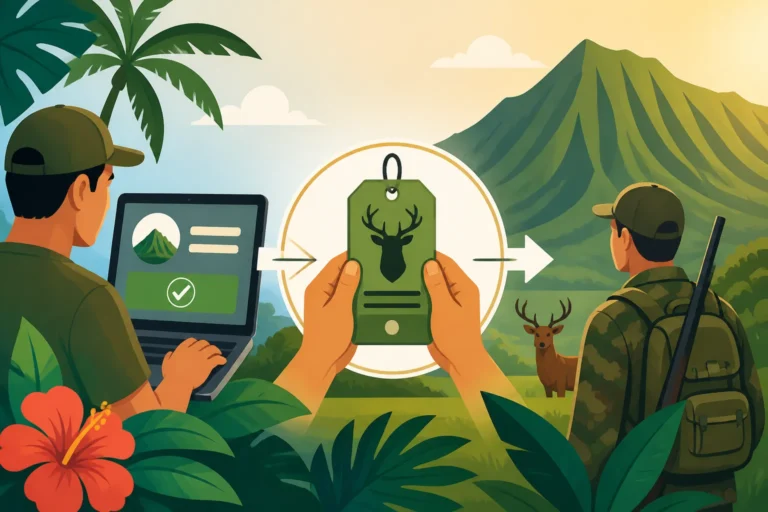
When you make initial contact, be clear, concise, and respectful. Introduce yourself, state your interest in hunting, and inquire about their process for granting access. Don't just ask "Can I hunt your land?" Instead, ask "Do you offer hunting opportunities, and if so, what is your process for applying or booking?" Be prepared to discuss your hunting experience, safety practices, and what species you're interested in. Some landowners might have specific preferences for weapon types (e.g., archery-only zones) or may be managing for specific age classes of animals. This is where a resource like GoHunt can be incredibly valuable, not necessarily for permits themselves, but for staying informed about general regulations and understanding the hunting landscape, which can help you tailor your approach to landowners. Remember, you're not just asking to hunt; you're asking for the privilege of accessing and impacting their property, so a professional and respectful demeanor goes a long way. Some private lands may even require a specific Hawaii Private Ranch Hunting Access agreement or permit that details the terms of your visit.
Navigating the Nuances of Private Land Agreements
Unlike the relatively standardized rules of public hunting units, private land agreements can be incredibly diverse. Understanding these nuances is crucial for a smooth and successful hunt. It's about more than just getting permission; it's about being a responsible guest and upholding your end of the agreement.
Common Permit Structures and Fees
The cost and structure of private land hunting permits in Hawaii can vary significantly based on the landowner, the species, the duration of the hunt, and whether it's a guided or self-guided experience.
- Day Fees: This is perhaps the most common arrangement for self-guided access on smaller private parcels or through outfitters who don't offer full packages. You pay a set fee per hunter per day to access the property. For example, a ranch might charge $100-$300 per hunter for a day of Hunting Hawaii's Feral Goats or pigs. This typically grants you access to specific areas of the property for a single day's hunting.
- Seasonal Leases: For those who live on an island or plan extended stays, some larger ranches might offer seasonal or even annual leases for exclusive hunting rights to a particular section of their property. These can range from a few thousand dollars to tens of thousands, depending on the acreage, game density, and exclusivity. This often requires a more formal contract and a long-term relationship with the landowner.
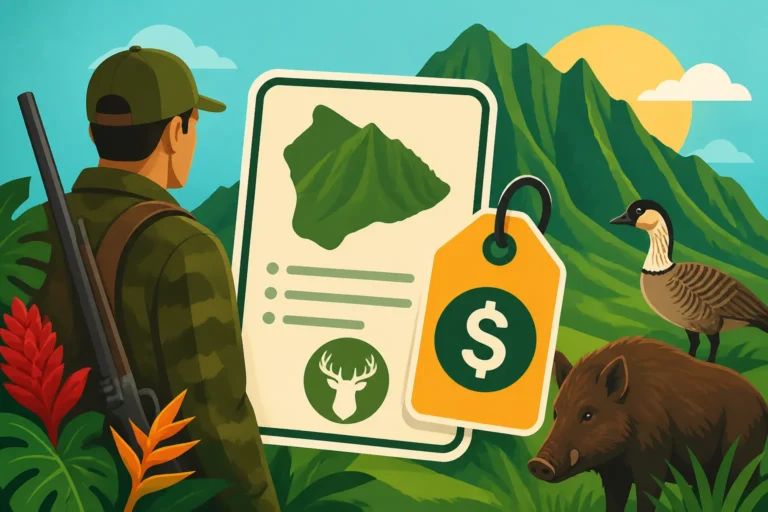
- Guided Hunt Packages: Many of Hawaii's top hunting opportunities on private land come through professional guides and outfitters. These packages are all-inclusive, covering access fees, guide services, transportation on the property, and often field care of the animal. Prices for guided hunts can range from $1,500 for a single-day pig hunt to $5,000+ for multi-day Booking a Hawaii Axis Deer Hunt for a trophy buck. This is often the simplest way for non-resident hunters or those unfamiliar with the islands to experience high-quality private land hunting. The total What a Hawaii Guided Hunt Costs will vary based on the outfitter and the game sought.
- Barter or Work Exchange: Less common, but still possible, especially on smaller, family-owned parcels, is a barter system. A hunter might offer to help with fence mending, invasive species removal, or other ranch work in exchange for hunting access. This requires significant trust and an established relationship but can be a rewarding way to gain access without a direct financial outlay.
It's important to clarify what exactly is included in any permit or fee before committing. Does it include an animal? Is it a "trophy fee" arrangement? Are there additional costs for meat processing or transportation? Understanding these details upfront prevents any unwelcome surprises later.
| Feature / Aspect | Public Land Hunting | Private Land Hunting (Permit/Agreement) |
|---|---|---|
| Access Authority | State (DOFAW) | Private Landowner/Manager or Guide |
| Permit Source | State-issued license, stamps, permit-tags via drawings/OTC | Direct agreement/contract with landowner/guide |
| Cost Structure | License/stamp fees, tag fees (often nominal) | Day fees, seasonal leases, guided package fees (often significant) |
| Rules & Regulations | State hunting regs, specific unit rules (seasons, bag limits, weapons) | State hunting regs + landowner's specific rules (more flexible scheduling, often higher bag limits, specific areas) |
| Hunter Pressure | Can be high, especially on popular units/opening day | Generally low, often exclusive access |
| Game Density | Variable, can be impacted by pressure | Often higher due to less pressure, better management |
| Flexibility | Limited by state seasons, weekend-only units, drawings | High, can often arrange hunts outside public seasons |
| Ethical Conduct | Adherence to state law & general ethics | Adherence to state law, general ethics, and landowner's specific requests |
Essential Rules and Responsibilities
When you're granted access to private land, you're not just a hunter; you're a guest. Upholding ethical conduct and demonstrating respect for the property and the landowner's wishes is paramount. Breaking these unwritten (and sometimes written) rules can quickly revoke your access and damage opportunities for other hunters in the future.
- Respect Boundaries: This is non-negotiable. Private land boundaries are specific. Before you step foot on the property, clarify the exact areas you are permitted to hunt. Use GPS apps like GoHunt (which often has property lines overlays) to ensure you stay within the designated zones. Trespassing, even accidentally, can lead to serious legal consequences and erode trust. Always carry a detailed map or have the property lines clearly marked on your device.
- Follow Landowner's Specific Rules: Beyond state regulations, private landowners often have their own set of rules. This might include speed limits on ranch roads, restrictions on vehicle use in certain pastures, designated parking areas, limitations on campfires, or specific instructions for gate opening/closing. They might have preferences for what animals you can take (e.g., no sows with piglets, only mature rams) or what time you must be off the property. Always ask for and adhere to these.
- Safety First: Be extra cautious with firearms. Know your backstop, especially in open country or areas with livestock or homes. Many landowners will appreciate knowing your safety protocols. If you're hunting with dogs, understand Hawaii Dog Hunting Rules and ensure your dogs are well-trained and contained.
- Carcass Removal and Field Care: Understand the landowner's expectations for game retrieval. Some may have specific drop-off points or ask that you remove all entrails and parts from visible areas. Proper Field Care in Hawaii's Heat and Humidity is critical, not just for meat quality, but to prevent attracting unwanted scavengers to sensitive areas of the property. Always remove all trash, spent casings, and any other evidence you were there. Leave no trace.
- Reporting and Communication: Maintain open communication. Let the landowner know when you're arriving and departing, especially if you're the only one on the property. Report any unusual observations, such as damaged fences, sick animals, or signs of unauthorized activity. If you harvest an animal, report it as per state regulations and inform the landowner. This transparency builds trust and can lead to future opportunities. Remember, a landowner's property is their livelihood and home; treat it with the utmost respect. This level of responsibility is crucial for maintaining Landowner Hunting Agreements Explained and ensuring continued access for yourself and other hunters.
Maximizing Your Private Land Hunting Experience
Hunting on private land in Hawaii offers a distinct advantage, but it’s still hunting. Success often hinges on preparation and the ability to build and maintain good relationships. It’s not just about paying a fee; it’s about making the most of the privilege.
Scouting and Preparation for Private Land
Just because you have exclusive access doesn't mean the animals will be waiting at the truck for you. Effective scouting and thorough preparation are still key to a successful private land hunt.
- Digital Reconnaissance: Before you ever step foot on the property, use tools like satellite imagery (Google Earth, onX Hunt, or the GoHunt platform if it has detailed maps) to familiarize yourself with the terrain. Look for potential bedding areas, feeding zones, water sources, and natural travel corridors. Identify key features like Hunting a Windward Stream Valley, gulches, ridge lines, and thick cover. Note any elevation changes, as animals will use these to gain advantage or escape pressure. Pay attention to areas that look different – a patch of green in dry country, a break in the canopy, or a unique geological feature. These often indicate resources that attract game.
- Pre-Hunt Visits (If Permitted): If the landowner allows, a pre-hunt visit without a weapon can be invaluable. This allows you to walk the land, confirm what you saw on maps, and look for fresh sign. While you're there, focus on Reading Axis Deer Sign in Dry Country or Reading Pig Sign Along a Muddy Trail, paying attention to tracks, droppings, rubs, and active feeding areas. Observe water sources like stock ponds or springs, which are crucial in Hawaii's often dry leeward environments. Talk to the landowner or manager about recent animal movements or patterns they've observed. They often have an intimate knowledge of the property and its inhabitants.
- Physical Conditioning: Don't underestimate Hawaii's terrain, even on private land. While you might not be dealing with public land crowds, you could still be navigating steep gulches, thick vegetation, or uneven lava flows. Your physical fitness will dictate how much ground you can cover and how efficiently you can retrieve an animal. If you're going to be Walking In to a Remote Hawaii Unit, good boots and strong legs are non-negotiable.
- Gear Preparation: Beyond your weapon and ammunition, ensure you have appropriate footwear for the terrain (lava can shred boots!), lightweight and breathable clothing, and rain gear, as weather can change quickly. Carry plenty of water, especially in dry areas, and have a good first-aid kit. Consider a GPS device or satellite communication device, as cell service can be spotty even on large private parcels, as highlighted in No Cell Signal on a Hawaii Hunt.
Building Relationships for Long-Term Access
Gaining initial private land access is a great start, but the real magic happens when you can cultivate a long-term relationship with the landowner. This not only secures future opportunities for you but also enhances the overall hunting experience by fostering trust and mutual respect.
- Be a Model Hunter: Always leave the property cleaner than you found it. Pick up any trash, even if it's not yours. Close all gates, report any damage you observe, and treat the land as if it were your own. Follow all rules, even the ones that seem minor. A landowner's trust is built on consistency and reliability. If they see you respect their property and their guidelines, they are far more likely to welcome you back.
- Share Your Success (and Gratitude): If you have a successful hunt, consider offering some of the meat to the landowner or their family. A nice cut of axis venison or wild pork is a fantastic gesture of appreciation. A handwritten thank-you note or a small gift at the end of the season can also go a long way. Beyond the tangible, simply expressing genuine gratitude for the opportunity is powerful.
- Offer Help: If you see an opportunity to help with a small task – maybe a downed fence post, clearing a branch from a road, or even just offering to keep an eye on things while you're out there – offer your assistance. This demonstrates that you see yourself as more than just a hunter; you're a responsible visitor who cares about their property. This kind of proactive help can solidify your reputation as a valued guest.
- Stay in Touch (Respectfully): Don't just disappear until next season. A brief, polite check-in phone call or email a few times a year can keep the relationship warm. Inquire about their ranching or farming operations, or simply ask how things are going. This keeps you top of mind and shows you value the connection, not just the hunting opportunity. Remember, a landowner is running a business and a household; they don't need constant contact, but thoughtful gestures and consistent respect for their property will make you a hunter they want to have back. This also goes a long way in ensuring Getting Permission on a Hawaii Ranch is a continuous process, not just a one-time transaction.
Disclaimer
Please remember that hunting regulations and access rules in Hawaii can change. Always consult the most current Hawaii Department of Land and Natural Resources (DLNR) Division of Forestry and Wildlife (DOFAW) regulations and any specific landowner agreements before planning or undertaking any hunting activity. This guide is for informational purposes only and should not be considered legal advice.