When Sows Farrow in the Islands
One of the biggest questions for hunters in Hawaii, especially those targeting feral pigs, revolves around understanding their breeding cycles. It's not like the mainland where you often have distinct rutting and farrowing seasons. Here in the islands, the environment often allows for continuous breeding, which can make it tricky to predict when sows will have piglets. This guide aims to pull back the curtain on when sows farrow in Hawaii, helping you understand the conditions that influence these events and what that means for your hunting strategy.
Understanding the Feral Pig Breeding Cycle in Hawaii
Hawaii's unique climate and abundant forage, in many areas, allow feral pigs to breed much more frequently than their mainland cousins. This constant reproductive potential is a huge reason why their populations can explode so quickly, creating significant challenges for native ecosystems and local agriculture.
The General Farrowing Window: A Year-Round Potential
Unlike seasonal breeders, feral pigs in Hawaii can, and often do, farrow year-round. This isn't to say there are no peaks or dips, but rather that a sow can get pregnant and have piglets at almost any time if conditions are right. The primary driving force behind more concentrated farrowing periods usually boils down to resource availability. When food and water are plentiful, sows are healthier, more likely to conceive, and better equipped to carry a litter to term and successfully raise her young.
Imagine a lush rainforest gulch after a particularly wet spell. The ground is soft for rooting, new shoots are abundant, and water flows freely. These are ideal conditions for a sow to seek out a secluded spot and bring her litter into the world. Conversely, during a prolonged dry spell on a leeward slope, resources become scarce, and while farrowing might still occur, it’s less common and often results in smaller, less vigorous litters. This constant breeding pressure is why you'll often encounter pigs of all sizes and ages when you're out Hunting Hawaii's Feral Pigs.
Gestation Period and Litter Size
The gestation period for feral pigs is remarkably consistent, typically lasting around 114 days, which is roughly three months, three weeks, and three days. This relatively short gestation, coupled with the ability to breed year-round, means a single sow can potentially have two litters, or even more, in a single calendar year under optimal conditions.
Litter sizes can vary significantly based on the sow's age, health, and the abundance of food resources. On average, a sow might give birth to 4 to 8 piglets, though litters of 10 or even 12 are not unheard of, especially from mature, healthy sows. When a sow is well-nourished, she's not only more likely to have a larger litter but also to produce healthier, stronger piglets with a better chance of survival. This rapid turnover and high reproductive potential contribute immensely to the overall pig numbers on islands, making it a constant factor in wildlife management and hunting strategies.
Environmental Factors Influencing Farrowing Peaks
While year-round farrowing is a possibility, certain environmental cues often lead to more pronounced peaks in activity. These factors are largely tied to the island's dynamic weather patterns and the resulting abundance (or scarcity) of essential resources.
The Role of Rainfall and Forage Availability
The biggest driver for increased farrowing is typically a period of sustained rainfall, which directly translates to a flush of new forage. Hawaii's tropical climate means rainfall isn't always seasonal in the mainland sense; it can be very localized and intense. However, generally, the wetter months or prolonged rainy periods in specific areas tend to precede a surge in farrowing activity.
When the rains come, the ground softens, making it easier for pigs to root for tubers and invertebrates. Lush new growth like strawberry guava shoots, various ferns, and other understory vegetation become readily available. This burst of high-quality feed provides the critical nutrition sows need to support pregnancy and lactation. You'll notice this especially in areas like the wet, windward forests where Hunting Pigs in Hawaii's Rainforest Gulches is common. The abundance of food and cover makes these areas prime farrowing grounds, leading to higher concentrations of sows with piglets a few months down the line. If you're scouting, paying attention to recent rainfall patterns in a particular unit, perhaps by checking weather reports on a site like GoHunt before you head out, can give you a subtle clue about potential farrowing periods.
Water Sources and Seclusion
Beyond abundant food, farrowing sows require two critical elements: reliable water and dense seclusion. Piglets are vulnerable, and a sow will seek out the thickest, most impenetrable cover she can find to give birth and protect her young.
Water is vital for both the sow and her nursing piglets. Areas with perennial streams, natural springs, or even consistent, muddy wallows will be favored farrowing spots. These water sources are often found deep within gulches or in the humid depths of dense forest reserves. Think about those damp, shaded areas where you find Reading Pig Sign Along a Muddy Trail – these are often pathways to crucial water. For seclusion, sows will utilize dense thickets of invasive plants like ginger, guava, or even thorny kiawe patches on dryer slopes, creating a "nest" or farrowing bed. These areas offer camouflage from other pigs, hunters, and any other perceived threats.
What Farrowing Means for Hunters in Hawaii
Understanding when sows farrow isn't just a matter of biological curiosity; it has direct implications for ethical hunting practices and improving your chances of success in the field.
Seasonal Considerations for Hunting Sows and Piglets
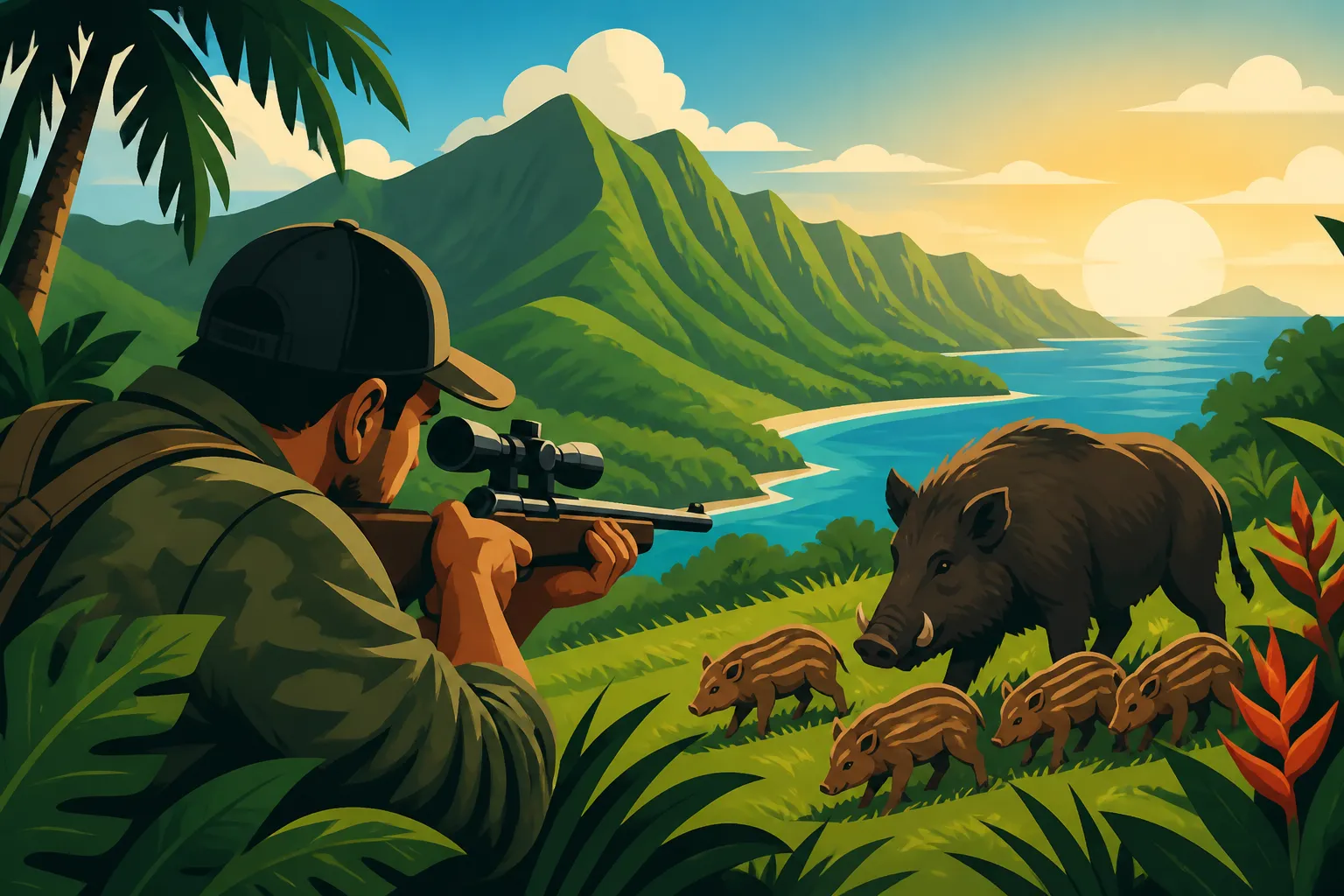
Ethical hunting dictates that, wherever possible, hunters should avoid taking a sow that is actively nursing very young piglets. While Hawaii's regulations classify feral pigs as an invasive species with year-round open seasons and often no bag limits, many hunters prefer not to orphan dependent young. If you encounter a sow with very small, striped piglets, you might choose to pass on that animal, or focus your efforts on boars or other pigs within the sounder. This ethical consideration often leads hunters to target pigs during times when farrowing might be less prevalent, though this can be hard to pin down with certainty in Hawaii.
However, recognizing farrowing periods can also clue you into sounder movements. Sows with piglets, while secretive, still need to feed, and the entire sounder will often be found near these prime farrowing habitats. Understanding these patterns can help you locate areas of high pig activity, even if you opt to harvest a different animal.
Locating Farrowing Areas and Sign
When a sow is ready to farrow, she'll often create a farrowing nest—a hidden, well-camouflaged bed made of vegetation. Hunters won't necessarily stumble upon these nests directly, but the signs leading to and from them can be invaluable. Look for areas with fresh rooting activity near dense cover, especially close to water sources. New, soft tracks of multiple pigs, including smaller ones, indicate a sounder is present.
Prime farrowing areas tend to be:
- Deep, Vegetated Gulches: These offer natural seclusion and often contain perennial water sources.
- Thick Stands of Invasive Vegetation: Strawberry guava, ginger, haole koa, and even dense kiawe flats provide impenetrable cover.
- Remote Patches of Forest: Especially in areas where Still-Hunting Pigs in Hawaii's Wet Forest is possible, these secluded spots are ideal.
If you observe sows that appear heavily pregnant or are acting particularly secretive, it's a good indication that farrowing is either imminent or has recently occurred in the vicinity. Tools like GoHunt can help you overlay unit boundaries with topographical maps, allowing you to identify these types of terrain features even before you set foot in the unit. Observing signs like Reading Pig Sign Along a Muddy Trail can tell you if a sounder is moving through, and if you see small tracks, you know piglets are likely present.
Broader Population Dynamics and Management
The prolific breeding cycle of feral pigs in Hawaii is a major factor in their status as a game animal and a significant invasive species. Their ability to farrow year-round, coupled with large litter sizes, makes population control an ongoing challenge.
Impact on Overall Pig Numbers and Ecosystems
The sheer reproductive capacity of feral pigs means their populations can rebound incredibly quickly, even with consistent hunting pressure. This constant influx of new piglets ensures a steady supply of animals for hunters but also maintains the ecological pressure pigs exert on Hawaii's fragile native ecosystems. They consume native plants, spread invasive seeds, and their extensive Why Pigs Root Up Hawaii Rainforest damages delicate root systems, leading to erosion and habitat degradation. This constant threat is why feral pigs are generally not managed with strict harvest quotas but rather with continuous opportunity for hunters year-round, as outlined in Hawaii's Hawaii Game Mammal Seasons.
Hunter Education and Responsible Hunting Practices
Given the unique context of hunting an invasive species with such a robust breeding cycle, hunter education becomes even more crucial. Understanding pig biology, ethical harvesting practices, and local regulations is paramount. Taking a Hawaii Hunter Education course or reviewing the requirements for a Nonresident Letter of Exemption ensures you're equipped with the knowledge to hunt responsibly. When you check in and out of Hawaii hunting units, whether via paper or the OuterSpatial app, you're not just following the rules, you're contributing to data collection that helps wildlife managers understand pig populations. Knowing the rules about Checking In and Out of Hawaii Hunting Units, and understanding What Happens If You Forget to Check Out, helps ensure the longevity of hunting access for everyone.
Understanding when sows farrow helps hunters appreciate the biological challenge feral pigs pose to Hawaii's natural environment and informs more effective and ethical hunting strategies. It's about knowing your quarry and respecting the land, even when targeting an invasive species.
Seasonal Farrowing Likelihood in Hawaii
While pigs can farrow year-round, certain conditions make it more likely. This table offers a general guide based on typical Hawaii weather patterns and resource availability. Keep in mind, microclimates and specific unit conditions can always alter these trends.
| Season (General) | Typical Weather | Forage & Water Availability | Farrowing Likelihood | Hunting Considerations |
|---|---|---|---|---|
| Wet Season | Cooler, consistent rain (winter/spring) | High, lush new growth, abundant water | High (especially 3-4 months post-heavy rain) | Sounders common, sows more secretive, good cover |
| Dry Season | Warmer, less rain (summer/fall) | Lower, drier forage, limited water | Moderate to Low (concentrated near water sources) | Pigs congregate near water, farrowing still possible, but less frequent |
| Transition Periods | Variable, shifting between wet/dry | Variable, depending on recent rain | Moderate | Pay attention to recent localized rain events, can spark farrowing |
Disclaimer
This article is for general informational purposes only and does not constitute professional advice. Laws, prices and regulations vary by location and change over time. Consult a qualified professional for guidance on your specific situation.