Hunting Access Near Lihue
It's incredibly frustrating when you arrive at a beautiful place like Kauai, excited to hunt, only to realize that finding specific, accessible hunting grounds from a populated hub like Lihue can feel like a puzzle. This guide is here to untangle that, offering a detailed look at the public hunting opportunities within a reasonable distance of Lihue, the species you can expect to pursue, and the critical information you'll need to plan a successful and legal hunt on the Garden Isle.
Understanding Kauai's Hunting Landscape
Kauai, often called the Garden Isle, presents a truly unique hunting experience, vastly different from what you might find on the mainland or even other Hawaiian islands. Lihue, as the main urban center and port of entry, serves as a natural base camp for hunters. However, the actual hunting grounds are typically a drive away, deep within the island's mountainous interior, rugged canyons, or dense forest reserves. This means balancing accessibility from Lihue with the wild, untamed nature of Kauai's hunting units.
The Unique Challenges of Hunting Near Lihue
While Lihue offers amenities and easy airport access, the immediate vicinity isn't where you'll be setting up a tree stand. The challenges stem from Kauai's geography: a largely circular island dominated by a central volcanic core and deeply eroded canyons radiating outwards. This creates steep, often wet, and incredibly dense terrain. You're not looking at sprawling, open plains here. Instead, expect to navigate thick guava thickets, climb slippery ridges, and cross potentially swift streams. Road access can be limited, requiring sturdy 4×4 vehicles, and sometimes, long hikes are the only way to reach productive areas. Furthermore, the weather can change in an instant, shifting from sunny skies to torrential downpours in a matter of minutes, especially on the windward sides of the units. This combination of rugged land and fickle weather demands a higher level of preparation and physical fitness than many hunters might be accustomed to.
Primary Game Species Accessible from Lihue
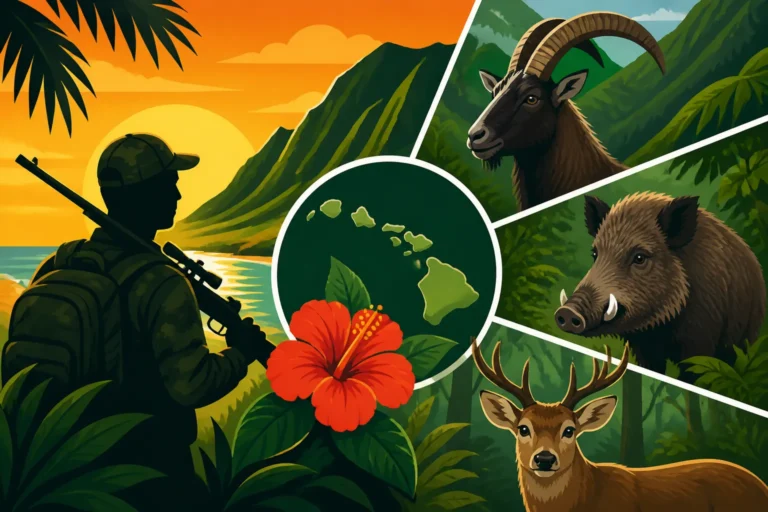
When you venture out from Lihue, you'll be primarily targeting two main game mammal species, along with several game bird opportunities. Unlike Maui or Molokai with their prolific Axis deer, Kauai offers a distinct set of quarry.
The star big game animal on Kauai is the Black-tailed Deer. These deer, a subspecies of mule deer, were introduced to Kauai in the 1960s and have established a healthy population primarily in the western and northwestern parts of the island, particularly around the Waimea Canyon and Na Pali-Kona areas. They tend to be smaller than their mainland cousins but are incredibly wary and well-adapted to Kauai's dense cover and steep terrain. You'll often find them feeding in the early mornings or late evenings along forest edges, old roads, or open areas within the units.
Feral Pigs are another prevalent game animal across much of Kauai. These tough, intelligent animals thrive in the island's dense forests, gulches, and agricultural fringes. You might encounter two types: the smaller, darker "Polynesian" type, and the larger, longer-snouted "European" boar influence. Pig hunting on Kauai is often a physically demanding endeavor, frequently involving still-hunting through thick brush or the use of well-trained hunting dogs, where legal. Pig Hunting With Dogs in Hawaii is a popular method.
For those interested in feathers, Kauai also offers various Game Birds. Species like Erckel's Francolin, Gray Francolin, Black Francolin, California Quail, Japanese Quail, Ring-necked Pheasant, Green Pheasant, Spotted Dove, and Barred Dove can be found in different habitats, from dry grasslands to forest edges and agricultural lands. Bird hunting often involves walking up birds with or without dogs, or pass-shooting doves in fields. Hunting Hawaii's Game Bird Weekends can be a great experience.
Public Hunting Units Accessible from Lihue
While Lihue itself isn't a hunting hotbed, several public hunting units managed by the Department of Land and Natural Resources (DLNR) Division of Forestry and Wildlife (DOFAW) are within a reasonable drive, primarily west of the city. These units offer varied terrain and opportunities for the aforementioned game.
Kekaha Game Management Area (GMA)
The Kekaha Game Management Area is a significant and diverse unit on Kauai's western side, accessible from Lihue via Highway 50. It's a prime destination for Black-tailed deer, feral pigs, and various game birds. The terrain here is vast and varied, ranging from dry, scrubby kiawe and open grasslands at lower elevations to dense forest and canyon lands as you climb towards the interior. Many hunters focus on the upper reaches of Kekaha, particularly around the Kokee area, where the deer tend to congregate. Access typically involves driving up unpaved roads, many of which require a high-clearance 4×4, and then hiking into glassing points or known game trails. The sheer size of Kekaha means you can often find solitude, but it also demands excellent navigation skills. Hunting Kauai's Kekaha Unit provides more detail on this area.
Na Pali-Kona Forest Reserve
Adjacent to Kekaha and stretching along the dramatic Na Pali Coast, the Na Pali-Kona Forest Reserve offers breathtaking scenery along with challenging hunting. This unit encompasses vast tracts of native forest, steep pali (cliffs), and deep gulches. Black-tailed deer and feral pigs are the primary targets here. Hunting in Na Pali-Kona is an experience for the truly adventurous and physically fit. The terrain is notoriously rugged, with extremely dense vegetation and steep inclines. Access often involves long, arduous hikes into remote areas, and the reward is typically a true wilderness hunt. Due to the difficulty, hunting pressure can be lower in many parts of this reserve, offering a more pristine experience. Expect to encounter a mix of wet forest and drier, exposed ridges.
Puu Ka Pele Forest Reserve and Waimea Canyon
Nestled within the interior of Kauai, the Puu Ka Pele Forest Reserve and the iconic Waimea Canyon are intertwined hunting grounds. The Waimea Canyon, often dubbed the "Grand Canyon of the Pacific," offers stunning vistas and equally challenging hunting. This area is a stronghold for Black-tailed deer and feral pigs. The terrain here is characterized by steep canyon walls, numerous side drainages, and a mix of dry scrub on the exposed slopes and denser vegetation in the gulches and higher elevations. Hunting the rim of the canyon can provide excellent glassing opportunities, but retrieving an animal from its depths is a monumental task. Hunters often focus on the edges and accessible plateaus. Hunting the Waimea Canyon Rim for Deer can be a rewarding endeavor for those up to the challenge. Access is generally via Kokee Road, which cuts through parts of these reserves, with various side trails and old logging roads leading into potential hunting areas.
| Unit Name | Primary Game Species | General Terrain | Notable Challenges |
|---|---|---|---|
| Kekaha Game Management Area | Black-tailed Deer, Feral Pig, Birds | Dry lower, dense forest upper; varied elevation | Extensive, remote, 4×4 needed, thick brush |
| Na Pali-Kona Forest Reserve | Black-tailed Deer, Feral Pig | Steep cliffs, deep gulches, dense native forest | Extremely rugged, dense vegetation, long hikes |
| Puu Ka Pele Forest Reserve | Black-tailed Deer, Feral Pig, Birds | Canyon walls, scrubby slopes, gulches, higher forest | Steep descents/ascents, heat, navigation in canyons |
Navigating Access and Regulations
Hunting in Hawaii, even on public lands near Lihue, isn't as simple as just grabbing your rifle and heading out. The state has specific regulations that must be followed to ensure a legal and ethical hunt. Understanding these rules and the necessary procedures is crucial for any hunter, especially those visiting from out of state.
Permitting, Check-In, and Online Resources
Before you even think about setting foot in a hunting unit, you need to acquire the proper licenses and permits. Every hunter in Hawaii, resident or nonresident, must possess a valid Hawaii hunting license. Beyond that, many units and specific game animals, like Black-tailed deer on Kauai, require a special permit-tag. These are usually applied for through a lottery system or are available over-the-counter for certain seasons. The process for obtaining these can be initiated online through the state's official Go Hunt Hawaii portal. It’s important to familiarize yourself with Hawaii Hunting Licenses and What They Cost and How Hawaii's Permit-Tag System Works well in advance of your planned trip, as some processes can take time.
Once you have your license and any required tags, you'll need to check in and out of the hunting unit for each day you hunt. This is a mandatory safety and data collection measure. Many units have designated hunter check stations, but increasingly, the state is utilizing the OuterSpatial app for digital check-ins, which is incredibly convenient. Always double-check the specific requirements for your chosen unit. For navigating the unit itself, a powerful tool like the onX Hunt app can be a game-changer. It provides detailed satellite imagery, property boundaries (crucial for avoiding trespass), and real-time GPS tracking, helping you stay found and legal in complex terrain.
Road Access and Vehicle Requirements
Accessing the public hunting units around Lihue often means traversing unpaved, rough roads that demand a capable vehicle. While paved roads will get you to the general vicinity of units like Kekaha or Puu Ka Pele, the best hunting spots often require venturing onto dirt tracks, rocky trails, or roads that become muddy and slippery after rain. A high-clearance 4×4 vehicle is highly recommended, if not essential, for most serious hunting endeavors on Kauai. Sedans or even standard SUVs simply won't cut it for reaching many productive areas.
Be prepared for washouts, ruts, and overgrown sections. Always let someone know your travel plan and expected return time, especially if you're heading into remote areas with limited cell service. Some roads may also have gates that are locked at certain times or seasonally, so understanding unit-specific access rules is paramount. It’s also wise to carry basic recovery gear like a shovel, tow strap, and even a winch if you plan to explore truly rugged routes.
Respecting Boundaries and Private Land
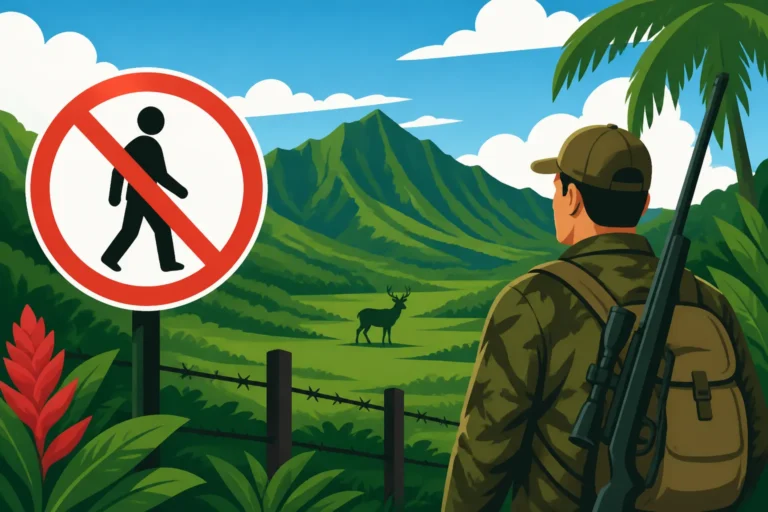
Kauai, like other Hawaiian islands, features a mosaic of public and private lands. While the hunting units discussed are public, they often share boundaries with private ranches, agricultural operations, or even residential areas. It is absolutely critical to know precisely where these boundaries lie and to respect them. Trespassing, even accidentally, can lead to severe penalties and jeopardizes future hunting opportunities for everyone.
This is another area where a robust mapping application like onX Hunt becomes invaluable. By overlaying property lines onto topographical and satellite maps, you can clearly see where public land ends and private land begins. Always carry a physical map and compass as a backup, especially in areas where GPS signals might be intermittent due to dense canopy or deep canyons. If you are unsure about a boundary, err on the side of caution and avoid the area. Building good relationships with landowners or understanding Hawaii Private Land Access Permits can sometimes open up additional hunting opportunities, but permission is always non-negotiable before entering private property.
Essential Gear and Preparedness for Kauai Hunts
Hunting near Lihue, or anywhere on Kauai, is a commitment that goes beyond just having a license and a weapon. The island's unique environment demands specific gear and a mindset of preparedness to ensure both your success and your safety. Forget what you know about hunting gear for cold, dry climates; Kauai is a different beast entirely.
Footwear and Terrain Considerations
Let's talk boots first, because they are arguably your most critical piece of gear on Kauai. The terrain here is relentlessly challenging: sharp volcanic rock, slippery red mud, dense roots and vines, and often, wet, uneven ground. Good ankle support is non-negotiable. You'll want sturdy, waterproof boots with aggressive traction. Consider a pair that's already broken in to prevent blisters, as you'll likely be doing a lot of hiking, often off-trail. Many hunters prefer boots with a stiff sole to protect against sharp lava and provide stability on steep slopes. Boots for Hawaii Lava and Wet Forest covers this topic in depth.
Beyond boots, consider durable, quick-drying clothing. Long pants are essential for protection against sharp vegetation and insects. While blaze orange is required in many units during rifle seasons, lightweight, breathable materials are key to managing heat and humidity. Don't underestimate the physical toll of climbing steep, slippery slopes in tropical conditions; comfortable, resilient footwear and clothing will make a world of difference.
Water, Hydration, and Sun Protection
The tropical environment of Kauai means constant hydration is paramount. Even on cloudy days, the humidity and physical exertion will quickly deplete your water reserves. Always carry more water than you think you'll need, especially if you plan extended hikes into remote areas. A hydration pack is an excellent choice, allowing you to sip water continuously without breaking stride. Electrolyte supplements can also be beneficial to replenish salts lost through sweat.
Sun protection is equally vital. The Hawaiian sun, even when filtered through clouds, can be intense. A wide-brimmed hat, sunglasses, and sunscreen are absolute necessities. Long-sleeved shirts, even in warm weather, offer protection from both the sun and abrasive vegetation. Overheating and dehydration can quickly lead to exhaustion and impair judgment, turning a challenging hunt into a dangerous situation. Plan your water consumption and sun exposure strategically, perhaps hunting earlier or later in the day when the sun is less direct. Water and Heat Planning for a Hawaii Hunt is a crucial read.
Navigation and Communication
While the natural beauty of Kauai is undeniable, its dense forests and intricate gulch systems can be disorienting. Reliable navigation tools are critical. As mentioned before, a GPS device or a mapping app like onX Hunt on your smartphone is incredibly useful for tracking your location, marking waypoints, and staying aware of unit boundaries. However, don't rely solely on electronics. Always carry a physical map of your hunting unit and a compass, and know how to use them. Batteries die, and signals drop, especially in remote canyons or under thick canopy.
Cell service can be spotty to non-existent in many of the more remote hunting units around Lihue. A satellite communication device (like a Garmin InReach or Spot device) is a smart investment for emergency situations, allowing you to send messages or an SOS call even without cell service. Always let someone responsible know your hunting plan, including your intended route, where you'll be parking, and when you expect to return. This "tell someone where you're going" rule is even more critical in Hawaii's challenging terrain. No Cell Signal on a Hawaii Hunt highlights the importance of backup communication.
Tips for a Successful Hunt Near Lihue
Hunting on Kauai is an experience unlike almost anywhere else. To truly make the most of your time out from Lihue, a combination of local knowledge, strategic planning, and respect for the environment will go a long way.
Scouting and Understanding Animal Movement
One of the biggest keys to success on Kauai, particularly for deer and pigs, is thorough scouting. If you're visiting, this might mean dedicating a day or two before your hunt to simply exploring the unit. Drive the accessible roads, identify potential glassing points, and look for fresh sign: tracks, scat, rubs, and feeding areas. Black-tailed deer on Kauai can be elusive, often moving in and out of dense cover. Learning Reading Axis Deer Sign in Dry Country (the principles apply to other deer too) can be very helpful. Pigs will leave obvious rooting areas, muddy wallows, and trails through the thickest brush. Understanding Reading Pig Sign Along a Muddy Trail can give you an edge.
Animals here are heavily influenced by water sources, food availability, and hunting pressure. During dry periods, focusing on permanent water sources can be productive. After heavy rains, pigs might move to higher ground, while deer might be found grazing on new growth. Observing game movement patterns during legal hunting hours is crucial. Keep an eye out for preferred crossings over gulches or along ridge lines.
Seasonal Considerations and Weather
Kauai's climate is famously diverse, with distinct wet and dry seasons, and microclimates that can change drastically within a few miles. While many units have year-round pig and goat seasons, deer seasons are specific and often limited to weekends. Kauai's Weekend Hunt Calendar is vital for planning.
The "wet season" (roughly November to April) brings more rain, which can make roads impassable and trails extremely muddy and slippery. While this might deter some, it can also soften the ground for easier tracking and bring out fresh browse for game. The "dry season" (May to October) means clearer skies and firmer ground, but can also lead to more cautious animals concentrating around limited water sources. Pay close attention to local weather forecasts, not just for Lihue, but for the specific elevation and area you plan to hunt. A sunny day at the coast can easily translate to dense fog and rain in the higher elevations of Kokee or Waimea Canyon. Hunting a Hawaii Unit After Heavy Rain details how conditions affect game.
Local Etiquette and Safety
Hunting on Kauai is a privilege, and being respectful of the land, local culture, and other users is paramount. This means packing out everything you pack in, and then some. Leave no trace. Be mindful of noise, especially in areas where locals hike or recreate. Always identify your target clearly and be absolutely certain of your shot and what lies beyond it. Due to the dense vegetation and steep terrain, knowing your shooting lanes and backstops is critical.
Safety is your top priority. Hunt with a buddy if possible, especially when venturing into truly remote or rugged areas. Carry a well-stocked first-aid kit, a headlamp, and emergency rations. Let someone know your plans. If you're a nonresident, consider connecting with local hunters or even hiring a guide for your first trip to gain valuable insights into the terrain and animal behavior. Understanding the unique challenges and embracing a responsible, respectful approach will not only enhance your personal experience but also help preserve hunting opportunities for future generations on this beautiful island.
Disclaimer
This article is for general informational purposes only and does not constitute professional advice. Laws, prices and regulations vary by location and change over time. Consult a qualified professional for guidance on your specific situation.