Hunting Access Near Kahului
Many hunters planning a trip to Maui often arrive at Kahului, the island's main airport, and immediately wonder where to even begin looking for a place to hunt. The challenge isn't just knowing what to hunt, but where you can actually get your boots on the ground, legally and practically, especially when you're navigating unfamiliar terrain and regulations. This comprehensive guide is designed to break down the hunting access options available near Kahului, offering insights into public lands, private opportunities, and the critical logistics you'll need to master for a successful Maui hunting adventure.
Kahului as Your Maui Hunting Hub
When you land in Kahului (OGG), you're not just stepping onto a beautiful island known for its beaches and resorts; you're also at the literal crossroads for accessing Maui's diverse hunting grounds. While the airport itself is bustling, just beyond the urban sprawl lies a world of rugged mountains, dry leeward slopes, and dense forests holding good populations of game. Understanding Kahului's role as a logistical center is key to planning an efficient and enjoyable hunt.
Why Kahului is a Strategic Starting Point
Kahului's central location on Maui makes it an incredibly strategic basecamp for hunters. It's where you'll find most of the island's essential services: vehicle rentals (especially crucial if you need a 4×4), major grocery stores to stock up on provisions, and hardware stores for any last-minute gear. This convenience cannot be overstated when you're preparing for a hunt that might take you to remote corners of the island. Imagine arriving after a long flight, grabbing your rental truck, loading up on food and water, and heading straight to your lodging without having to crisscross the island. It saves precious daylight and energy, allowing you to focus on the hunt itself. From Kahului, you can easily drive south towards the slopes of Haleakala, or west towards the central valley, each direction leading to different types of hunting units.
Understanding Maui's Unique Hunting Landscape
Maui's hunting landscape is defined by its dramatic topography and microclimates. The island is essentially two volcanoes connected by a low-lying Isthmus, with Kahului sitting right in the middle. This means you have easy access to both the dryer, more open slopes of Haleakala to the southeast (perfect for glassing Axis Deer, Hawaii's Signature Big Game), and the wetter, denser forests of West Maui or the higher elevations of Haleakala where Hawaii's Feral Pigs, Island by Island might thrive. Unlike some other islands where hunting areas are more consolidated, Maui's units can feel spread out, often requiring significant driving time from one to another. The terrain itself varies wildly, from thick kiawe flats to steep, rocky gulches and dense upcountry forest. This diversity means you need to be prepared for various conditions and understand which units best suit your preferred hunting style and target species.
Public Hunting Units Accessible from Kahului
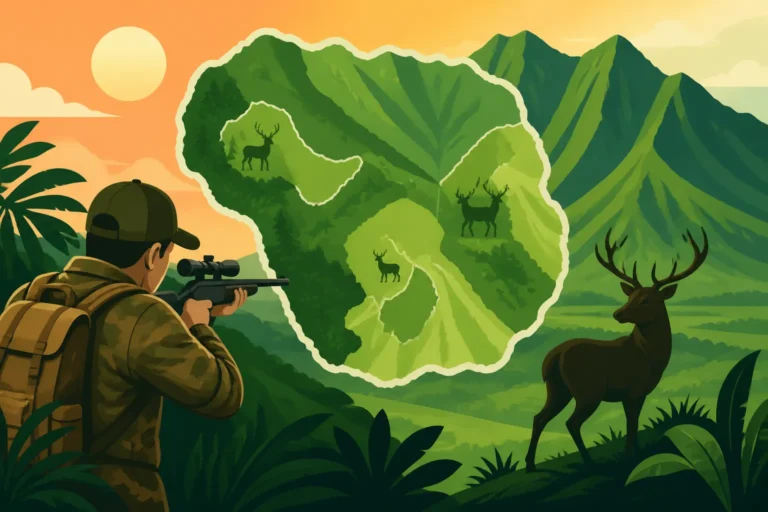
Maui boasts several public hunting units managed by the Department of Land and Natural Resources (DLNR), Division of Forestry and Wildlife (DOFAW). Many of these are within a reasonable drive of Kahului, offering resident and non-resident hunters opportunities for Axis deer, feral pigs, and feral goats. Each unit has its own character, challenges, and specific rules. It's crucial to consult the most current DOFAW regulations and maps, which are often available through the GoHunt Hawaii portal or directly from the local DOFAW office in Kahului.
The Kula and Polipoli Spring State Recreation Area Unit
Heading south from Kahului, up the slopes of Haleakala, you'll eventually reach the Kula and Polipoli areas. These units are often mentioned together because of their proximity and similar high-elevation, forested environment. This region is a stark contrast to the dry, open lands you might associate with Axis deer. Here, you'll find cooler temperatures, often dense stands of pine, eucalyptus, and native koa, creating a very different hunting experience. These units primarily hold feral pigs and, in some areas, a mix of Axis deer and even feral goats.
Hunting here means still-hunting through thick cover, listening for signs of rooting pigs, or spotting deer moving through the trees. The elevation gain is significant, meaning you'll be dealing with thinner air and steeper slopes than areas closer to sea level. Access roads can be rough, especially after rain, and a 4×4 vehicle is often recommended, if not essential, to reach some of the higher trailheads. The beauty of Polipoli, with its panoramic views, also means unpredictable weather, with fog and rain rolling in quickly. It’s definitely a place where you need to be prepared for anything, clothing-wise and gear-wise. Hunting Maui's Upcountry Forest Reserves is a great resource to dive deeper into this specific type of hunting.
Makawao Forest Reserve and Surrounding Areas
A bit closer to Kahului, on the mid-slopes of Haleakala, lies the Makawao Forest Reserve. This is another popular spot, known primarily for its populations of feral pigs. The reserve is characterized by dense eucalyptus and pine plantations, mixed with native vegetation. The terrain is often steep and riddled with gulches, making for physically demanding hunts. Unlike the open country hunts, Makawao requires a more stealthy approach, often involving tracking pig sign through muddy trails and thick undergrowth.
Access points are generally well-marked off of the main roads in the Makawao area, but once you step into the forest, trails can quickly become indistinct or overgrown. Hunters often use dogs in this unit, which is a common and effective method for Dog and Knife Pig Hunting in Hawaii. However, whether hunting with or without dogs, understanding the lay of the land, including escape routes for game and how to safely navigate the dense cover, is paramount. This unit offers a true jungle-like hunting experience, far removed from the dry plains.
Kahikinui and its Rugged Appeal
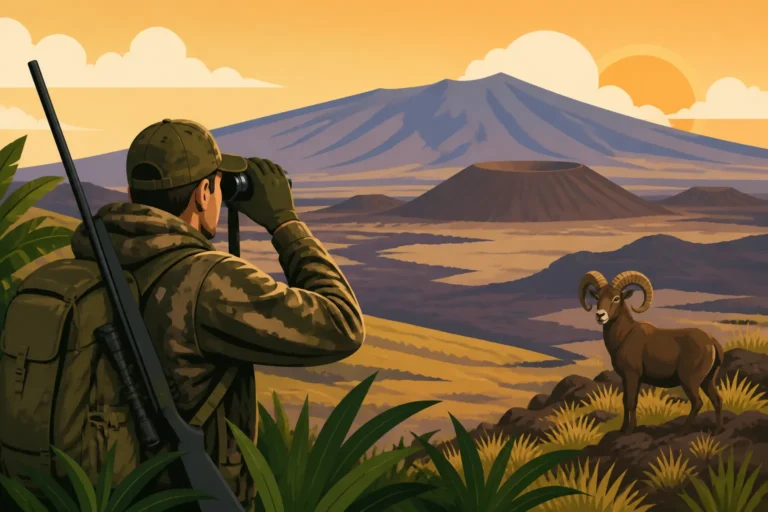
Further down the southeastern slopes of Haleakala, past the Kula area, you'll find the vast and rugged Kahikinui Forest Reserve. This is a very different beast altogether. Kahikinui is known for its expansive, dry, often windswept country, characterized by scrub brush, kiawe trees, and volcanic rock. It's a prime area for Axis deer, with feral goats also present, especially along the more broken terrain and gulches that lead towards the coast.
Access to Kahikinui can be challenging. Many of the access roads require high-clearance 4×4 vehicles, and some areas are only reachable after a significant hike. The sheer size of the unit means that scouting with tools like onX Hunt can be incredibly valuable for understanding the topography and potential game movement patterns before you ever set foot on the ground. The weather here can be extreme, with scorching sun and strong winds being common. Water sources are scarce, so carrying plenty of hydration is non-negotiable. Hunting Kahikinui often involves extensive glassing from high points, followed by long spot-and-stalk approaches, which can be both rewarding and physically draining. For a deep dive into this challenging but productive area, check out Hunting Maui's Kahikinui Slopes.
Navigating Access and Terrain Challenges
Hunting on Maui, especially in the public units near Kahului, means you'll almost certainly encounter significant terrain and access challenges. It’s not like hunting flat farmland. The island’s volcanic origins, coupled with diverse rainfall patterns, create a landscape that is as beautiful as it is demanding. Being prepared for these obstacles is just as important as having the right weapon.
Road Conditions and Vehicle Requirements
If you're flying into Kahului and renting a vehicle, pay close attention to the vehicle requirements for the units you plan to hunt. Many public access roads, particularly in areas like Kahikinui and even some higher elevation parts of Kula/Polipoli, are unpaved, deeply rutted, and often require a high-clearance 4×4 truck. A standard rental car, or even a basic SUV, simply won't cut it. Trying to navigate these roads without the proper vehicle can lead to getting stuck, damaging the vehicle, or worse, stranding yourself miles from any cell service.
Before you arrive, research the specific roads leading to your chosen unit. Ask the local DOFAW office or check online forums for recent road conditions. It's often worth reserving a proper 4×4 from a rental agency, even if it costs a bit more, as it provides invaluable peace of mind and access to more productive areas. Some roads may even have gates that are locked at certain times, or are seasonal. Always double-check Hawaii Road Access and 4WD Requirements before heading out.
Foot Access and Topographical Obstacles
Once you leave the truck, the challenges continue. Maui's terrain is incredibly varied and often steep. You might start a hike on a relatively flat old ranch road only to quickly drop into a deep, brush-filled gulch, or ascend a lava-strewn slope. Dense vegetation like strawberry guava, kiawe, and various thorny bushes can make travel slow and arduous. Good quality hiking boots with ankle support are a must, as are durable pants that can withstand thorns and abrasive rock.
The elevation changes are significant, especially on the slopes of Haleakala. Be prepared for strenuous climbs and descents. It’s not uncommon to lose hundreds of feet of elevation only to gain it all back, and then some, by the end of the day. This physical demand means a good level of fitness is beneficial, and packing light but smart is essential. Always carry more water than you think you need, especially in the dry leeward areas. Using a GPS app like onX Hunt on your phone can be a lifesaver for navigating these confusing landscapes and ensuring you don't get turned around in thick cover or featureless lava fields.
Staying Found and Safe in Maui's Backcountry
Maui's backcountry can be disorienting, even for experienced hunters. The dense forest can quickly obscure landmarks, and the rolling contours of the land can make it hard to maintain your bearings. Gulches often look alike, and visibility can be limited. Before heading into any public unit, make sure you have reliable navigation tools beyond your phone, such as a physical map and compass, and know how to use them.
Cell service is often nonexistent in many hunting areas. Don't rely on it for emergencies or navigation. Consider carrying a satellite communication device for true backcountry safety. Always let someone know your hunting plan, including your intended unit, estimated return time, and a description of your vehicle. Be aware of changing weather conditions; a clear morning can quickly turn into a foggy, rainy, or intensely windy afternoon, especially at higher elevations. Staying Found in Dense Hawaii Rainforest is a crucial read for anyone venturing into these wild places.
Essential Permitting, Check-In, and Regulations
Before you even think about stepping into a hunting unit near Kahului, you absolutely must understand and adhere to Hawaii's hunting regulations. The system can be a bit different from what hunters on the mainland are used to, involving licenses, tags, and mandatory check-in/check-out procedures. Getting this wrong can ruin your hunt and lead to serious penalties.
Securing Your Hunting License and Tags
First things first: you need a Hawaii hunting license. For non-residents, this involves an application process that can be completed online through services like GoHunt Hawaii, or directly through the DOFAW website. You'll also need a Hawaii Wildlife Conservation Stamp. Depending on what you plan to hunt, you might need specific tags or permits. For Axis deer on Maui, you typically acquire these when you purchase your license or separately, following specific draw or over-the-counter procedures.
It's critical to complete your hunter education requirements, even if you’re a seasoned mainland hunter. Non-residents usually need to provide proof of completing a hunter education course from their home state or obtain a letter of exemption. Always get this done well in advance of your trip. The DOFAW office in Kahului can be a great resource for clarification, but it's best to handle these administrative tasks before you arrive. Learn more about the general requirements in Hawaii Hunting Licenses and What They Cost.
The Check-In and Check-Out Process
Many of Maui's public hunting units, especially those managed by DOFAW, require hunters to check in before entering and check out upon leaving. This isn't just a formality; it's a critical safety measure and a way for DOFAW to monitor hunter activity and game harvest. Check-in can be done in a few ways:
- Physical Check Stations: Some units have kiosks with paper cards. You fill out your details, tear off a stub, and place the main card in a drop box.
- Online/App-Based System: Hawaii is increasingly using digital platforms like the OuterSpatial app for check-in/check-out. This is incredibly convenient, allowing you to check in from your phone as long as you have service, or even offline in some cases.
Even if you don't harvest an animal, you must check out. Failing to do so can trigger a search and rescue operation, wasting valuable resources, and can lead to fines. Make this a non-negotiable part of your hunt plan. Checking In and Out of Hawaii Hunting Units provides a detailed overview of this process. It's truly a system designed for your safety and responsible game management.
Understanding Local Unit-Specific Rules
Beyond the general license and check-in rules, each hunting unit often has its own specific regulations that govern seasons, bag limits, legal weapons, and even permitted hunting days. For instance, some units might be open year-round for feral pigs and goats but have specific seasonal windows for Axis deer. Others might be open only on weekends or specific holidays.
Here’s a simplified table comparing some common features of Maui’s accessible units:
| Unit Name | Primary Game Species | General Terrain | Typical Access Difficulty | Common Weapon Types | Notes |
|---|---|---|---|---|---|
| Kula/Polipoli | Feral Pig, Axis Deer, Goat | Dense Forest, Steep | Moderate to Difficult | Rifle, Shotgun, Archery | Higher elevation, cooler temps, wet after rain. |
| Makawao Forest Reserve | Feral Pig | Dense Forest, Gulches | Moderate | Rifle, Shotgun, Archery, Dogs | Thick cover, good for dog hunting. |
| Kahikinui | Axis Deer, Feral Goat | Dry Scrub, Lava Rock | Difficult (4×4 required) | Rifle, Archery | Expansive, hot, very remote, limited water. |
This table is for general illustration; always consult current DOFAW regulations for precise details.
Always review the specific unit rules before your hunt. These rules can change annually, so what was true last year might not be this year. Check the DOFAW website or contact the Maui DOFAW office directly for the most up-to-date information. Pay attention to weapon restrictions – some areas might be archery-only during certain seasons, or have caliber restrictions.
Considering Private Land Opportunities Near Kahului
While Hawaii offers public hunting opportunities, private land can provide an entirely different experience, often with better success rates and amenities, especially for non-resident hunters. Near Kahului, there are several large private landholdings, primarily ranches, that offer guided hunts. This can be a fantastic option if your primary goal is a successful Axis deer hunt or a unique pig hunting experience.
The Reality of Private Land Access on Maui
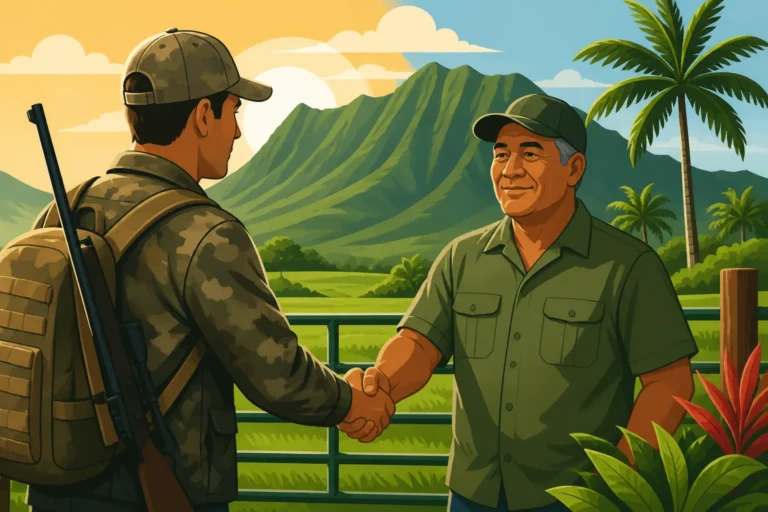
Accessing private land for hunting in Hawaii is generally not a matter of simply knocking on a rancher's door and asking for permission, especially if you're an out-of-state hunter. The vast majority of private hunting on Maui occurs through commercial outfitters who have established long-term leases or agreements with landowners. These ranches often encompass thousands of acres and are carefully managed for game populations, offering prime habitat that might not be found on public lands, or at least, not with the same ease of access.
The benefits of private land hunting are clear: reduced hunting pressure, often higher game densities, and usually better road systems to get closer to the hunting grounds. However, this comes at a cost, as private land hunts are almost exclusively guided and come with a fee. It's a trade-off many hunters are willing to make for a more controlled and often more successful experience. Read more about this in Hawaii Private Ranch Hunting Access.
Working with Outfitters and Ranches
If you're considering a private land hunt, your best bet is to work with one of Maui's reputable hunting outfitters. These companies specialize in arranging guided hunts on private ranches, typically focusing on Axis deer, but also offering opportunities for feral pigs and goats. An outfitter handles all the complex logistics, from securing the land access and guiding you in the field to helping with game retrieval and initial field processing.
When choosing an outfitter, do your homework. Look for guides with strong reputations, clear communication about what's included (and what isn't), and transparent pricing. Ask about their success rates, their hunting methods, and what kind of physical conditioning is typically required for their hunts. They can also advise you on required licenses and tags, and some may even offer rifle rentals, which can simplify your travel logistics when flying into Kahului. While more expensive than a self-guided public land hunt, a private guided hunt offers a highly curated experience that can maximize your chances of success and provide invaluable local expertise.
Optimizing Your Hunt Plan from Kahului
Having Kahului as your base of operations means you have a great starting point, but an organized plan is still crucial. Maui hunting is often about logistical efficiency and being prepared for anything the islands can throw at you.
Logistics and Supplies for Your Hunt
When you're based in Kahului, you have access to everything you need, but getting it all together requires foresight.
- Vehicle: As discussed, secure a high-clearance 4×4. Arrange this well in advance of your arrival, especially during peak travel seasons.
- Fuel: Fill up your tank in Kahului before heading out to remote units. Gas stations become sparse as you drive upcountry or towards the far reaches of Kahikinui.
- Food and Water: Kahului has major grocery stores like Safeway and Foodland. Stock up generously on non-perishable food, and most importantly, water. In Hawaii's heat, dehydration is a serious risk, and water sources are often unreliable or nonexistent in hunting units. Plan for at least a gallon of water per person per day, plus extra for cooking and cleaning.
- Gear: Pack appropriate clothing for both hot, dry conditions and potentially wet, cooler weather at higher elevations. Durable hiking boots, rain gear, a good backpack, a first-aid kit, and reliable navigation tools are essential. Don't forget bug spray, sun protection, and a headlamp.
- Coolers and Ice: If you're successful, you'll need to cool your game meat quickly due to Hawaii's warm temperatures. Bring plenty of coolers and buy ice in Kahului. Some larger grocery stores or fishing supply shops might even sell block ice, which lasts longer. Field Care in Hawaii's Heat and Humidity is an important read for preserving your harvest.
Seasonal Considerations and Scouting
Maui's hunting seasons can vary, so understanding the best time to hunt near Kahului depends on your target species and preferred conditions.
- Axis Deer: While Axis deer breed year-round, the peak rut can vary. Many hunters target the dryer months (roughly May-October) when deer are more concentrated around limited water sources and visibility is better for glassing. However, this is also when temperatures are hottest. The cooler, wetter months can disperse deer, making them harder to find but potentially less pressured.
- Feral Pigs & Goats: These can be hunted year-round in many units, though conditions vary. Wet seasons make for muddy tracking but can make the dense forest even thicker. Dry seasons push pigs to remaining water sources and can make the ground harder for tracking.
Regardless of the season, a bit of pre-hunt scouting can go a long way. This might involve driving the access roads the day before your hunt, looking for fresh sign, or using satellite imagery on onX Hunt to identify promising ridges, gulches, or water sources. Local knowledge is invaluable, so if you can connect with local hunters or even chat with staff at the DOFAW office in Kahului, you might glean critical insights. For a deeper dive into pre-hunt preparation, consider Scouting a Hawaii Hunting Unit Before Opening.
Always remember that hunting on Maui is an experience unlike many others. It demands respect for the land, adherence to regulations, and a spirit of adventure. By planning thoroughly from your Kahului base, you'll be well on your way to a memorable Hawaii hunting trip.
Disclaimer
This article is for general informational purposes only and does not constitute professional advice. Laws, prices and regulations vary by location and change over time. Consult a qualified professional for guidance on your specific situation.