Hunting Oahu’s Makua-Keaau Reserve
Hunting on Oahu can feel like a labyrinth of rules and restricted areas, leaving many local hunters frustrated and visitors completely bewildered about where to even begin. If you've been eyeing the Makua-Keaau Reserve as a potential spot for a challenging hunt but are unsure about the specifics, this guide is going to walk you through everything you need to know to navigate this unique hunting landscape successfully and respectfully.
Understanding the Makua-Keaau Reserve
The Makua-Keaau Reserve, located on the leeward (western) side of Oahu, often flies under the radar for many hunters, eclipsed by the more well-known public lands. However, it offers a rugged and rewarding experience for those willing to do their homework and respect its unique characteristics. It's not a place for the faint of heart or the unprepared; this is true Hawaii hunting, demanding physical stamina and a keen understanding of the terrain.
Historically, this area has been utilized for various purposes, including ranching and military training, which has shaped its current access and management. It's a patchwork of diverse ecosystems, from dry, brushy slopes to dense, humid gulches, all contributing to its challenging yet vibrant hunting environment. Success here isn't just about spotting game; it's about mastering the landscape itself.
Location and Terrain
The Makua-Keaau Reserve stretches across the western flanks of the Waianae Mountain Range, offering a dramatic topography of steep ridges, deep valleys, and winding gulches. You'll find a mix of vegetation here, transitioning from the drier kiawe and haole koa forests at lower elevations to thicker uluhe fern and guava stands in the wetter, higher gulches. It's a place where the landscape can change dramatically within a short distance, requiring hunters to be versatile in their approach.
Walking these lands, you'll quickly realize that "flat" is a foreign concept. Every step is either uphill or downhill, often over uneven, rocky ground or through slippery, muddy sections. The ridge lines can offer breathtaking views and opportunities for glassing, but descending into the dense gulches is where the real work begins. It’s important to understand these elevation changes and how they influence game movement and your own hunting strategy. For more on this, check out Hunting Oahu's Public Ridges.
Permitted Game Species
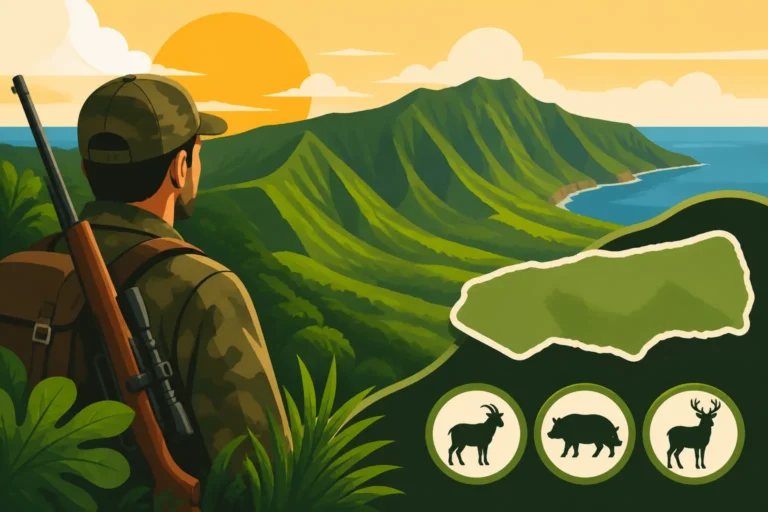
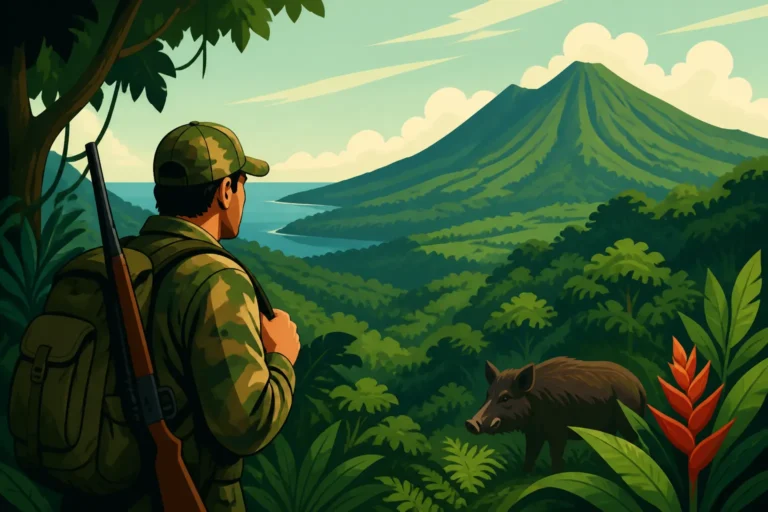
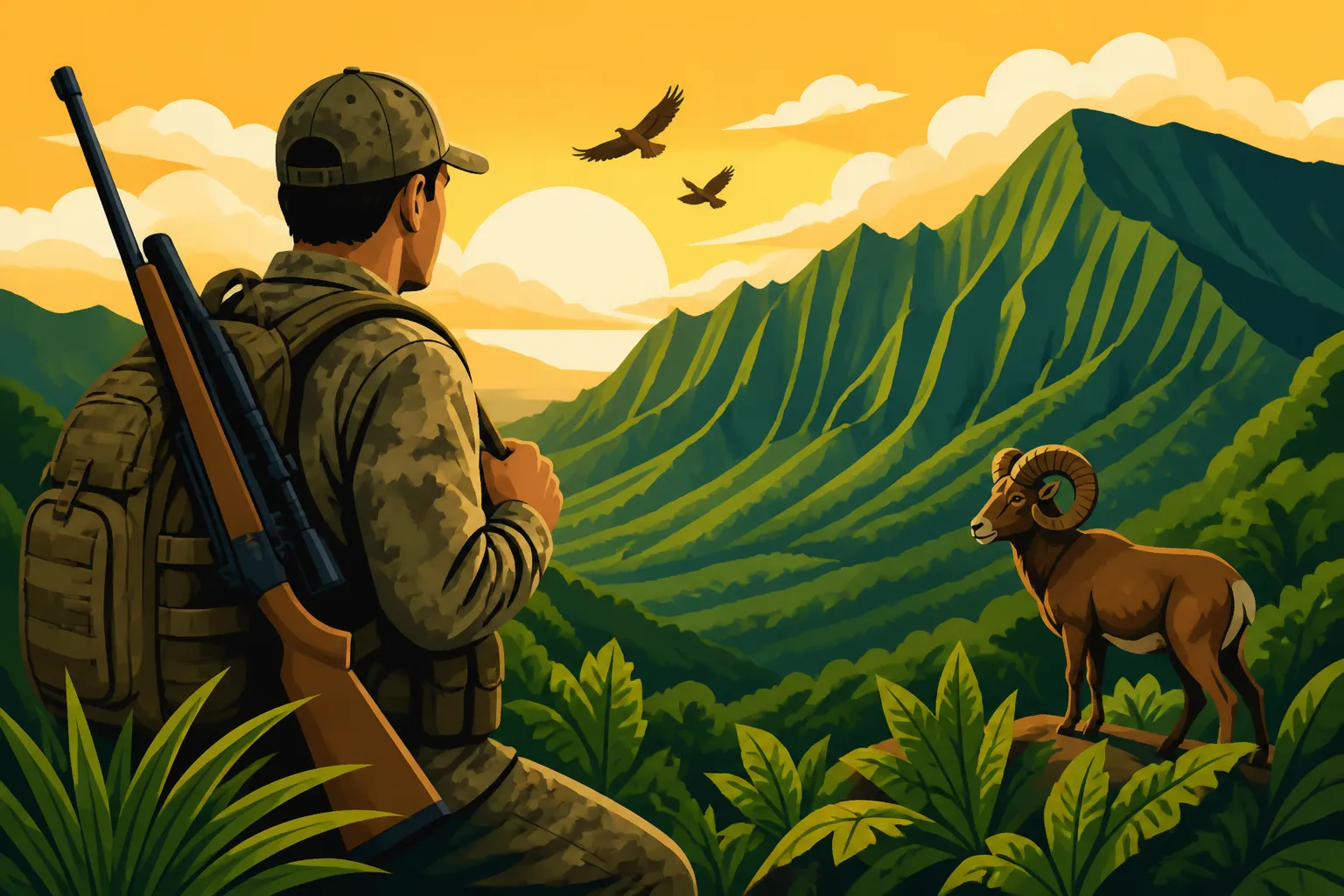
The primary game animals you'll encounter and be permitted to hunt in the Makua-Keaau Reserve are feral pigs and feral goats. These populations are robust and provide challenging hunting opportunities for both seasoned hunters and those new to Hawaii's unique environment. Unlike some other islands, Oahu doesn't have deer populations in its public hunting areas, so pigs and goats are the main targets here.
Feral pigs, often a mix of descendants from Polynesian and European introductions, thrive in the dense undergrowth and wetter gulches, making for intense, close-quarters hunting. Goats, with their incredible agility, tend to favor the steeper, rockier cliffs and dryer, more open slopes. Knowing the habits of each species is key to tailoring your hunt effectively. For more details on Hawaii's pig populations, read Hawaii's Feral Pigs, Island by Island, and for goats, Hawaii's Feral Goats and Why They Matter.
Access Points and Restrictions
Access to the Makua-Keaau Reserve can be a bit tricky due to its proximity to active military training areas (Makua Valley) and the private land surrounding it. Hunters typically access the reserve via specific designated gates or trails, and it's absolutely critical to stay within the marked public hunting boundaries. Trespassing onto military land or private property can lead to severe consequences, including fines and loss of hunting privileges.
You'll need to pay close attention to the Hawaii Division of Forestry and Wildlife (DOFAW) announcements for specific unit openings, closures, and access rules. These can change frequently, especially concerning military operations in adjacent areas. Sometimes, gates are locked, or certain roads are closed, requiring hunters to walk in further than anticipated. Always check the latest information on the DOFAW website or contact the Oahu branch directly before heading out.
Planning Your Hunt in Makua-Keaau
A successful hunt in Makua-Keaau, much like any Hawaii hunt, isn't just about showing up with a rifle or bow. It's about meticulous planning, understanding the local regulations, and preparing for the unique challenges of the island's environment. This isn't a place where you can just wing it; the dense terrain and strict rules demand your full attention well before you even set foot in the field.
From ensuring your paperwork is in order to packing the right gear, every detail matters. Ignoring any of these steps could not only lead to a frustrating day but also potentially compromise your safety or even result in legal trouble. So, let's dive into the nitty-gritty of getting ready for your Makua-Keaau adventure.
Licenses, Permits, and Check-In Procedures
Before you can legally hunt in Makua-Keaau, or anywhere in Hawaii, you need to acquire a valid Hawaii hunting license. For residents, this is a straightforward process, but non-residents have additional requirements, often involving proof of hunter education. While Oahu's public hunting units don't typically require a separate permit-tag for pigs or goats (unlike some other islands for deer or sheep), you still need to adhere to general season dates and bag limits. You can usually purchase your license online through the official GoHunt Hawaii portal, which is a convenient way to get everything squared away before your trip.
Furthermore, every time you hunt a public unit like Makua-Keaau, you are required to check in and out. This process is usually done at a hunter check station if one is present, or increasingly through the OuterSpatial app on your smartphone. The app has become an indispensable tool for many local hunters, allowing for digital check-ins and check-outs, and even displaying unit boundaries. It’s crucial to understand Checking In and Out of Hawaii Hunting Units fully, as forgetting to check out can lead to fines.
Essential Gear for Oahu's Conditions
The gear you bring to Makua-Keaau can make or break your hunt. The terrain is demanding, and the weather can be unpredictable. First and foremost, sturdy, comfortable, and waterproof boots with excellent ankle support are non-negotiable. You'll be traversing slippery mud, sharp rocks, and steep inclines, so a good pair of boots is your best friend. For more on footwear, check out Boots for Hawaii Lava and Wet Forest.
Beyond footwear, consider light, breathable clothing that offers protection from dense brush and the sun. Rain gear is essential, even if the forecast looks clear; sudden tropical showers are common. Navigation is key, especially in the dense gulches where visibility can be limited. A reliable GPS device or a smartphone app like onX Hunt loaded with detailed maps of the unit is crucial, as cell service can be spotty to non-existent in many areas. Bring plenty of water, high-energy snacks, a first-aid kit, a sharp knife, and game bags for packing out meat. Also, a headlamp or flashlight is a must, even for day hunts, as you might find yourself walking out in the dark.
Best Times to Hunt
Hunting in Makua-Keaau is generally open year-round for feral pigs and goats, but specific regulations and open days can vary. Always consult the current DOFAW regulations for Oahu to confirm seasons and unit schedules, as they are subject to change. While the year-round aspect sounds great, certain times of the year offer advantages.
The cooler, drier months (roughly April to October) can be more comfortable for hunting, as the humidity is lower. However, dry conditions can also mean animals are concentrated around fewer water sources, potentially making them easier to locate. During the wetter, winter months (November to March), animals might be more dispersed, but the lush vegetation can make tracking easier. Be prepared for mud and slippery conditions if hunting during the rainy season. Understanding how game animals react to Hawaii's unique weather patterns, especially during Hunting a Hawaii Unit After Heavy Rain or a prolonged dry spell, can significantly impact your success.
Hunting Strategies for Makua-Keaau's Terrain
Hunting in Makua-Keaau is an immersive experience, demanding a blend of physical endurance, strategic thinking, and an intimate understanding of the terrain. It's not like hunting in open country on the mainland; the dense cover and dramatic elevation changes require specialized tactics. This section will help you develop the skills and mindset needed to effectively pursue pigs and goats in this challenging environment.
Success here often comes down to patience, stealth, and knowing when to push hard and when to slow down. Adapting your approach to the specific contours of the land and the behavior of the animals is paramount.
Navigating Ridge and Valley Systems
The Waianae Range is defined by its steep, winding ridges and deep, narrow valleys or gulches. When hunting Makua-Keaau, you'll inevitably be navigating these features. Often, hunters start by gaining elevation to a ridgeline, which provides opportunities for glassing into adjacent valleys and assessing the landscape. Glassing a Hawaii Coastline for Goats tactics can be adapted here, looking for movement or tell-tale signs. However, the true challenge often lies in descending into the thick cover of the gulches where pigs prefer to bed and feed, or stalking goats along precarious cliff faces.
Using the wind and thermals is critical. In the mornings, air often flows downhill into the valleys, while in the evenings, it rises uphill. Understanding these patterns, which can be influenced by Hawaii's trade winds, allows you to plan your approach to keep your scent from reaching the animals. Moving slowly, stopping frequently to listen and scan, and utilizing natural cover are all essential components of successfully navigating these complex systems. Remember that Navigating a Hawaii Gulch System requires extreme caution and physical stamina.
Spotting and Stalking Pigs and Goats
Spot-and-stalk hunting for pigs and goats in Makua-Keaau requires keen observation and quiet movement. For pigs, focus your efforts in the denser, wetter gulches and areas with ample food sources like guava or wild kalo (taro) patches. Look for fresh sign: rooting, tracks in mud, and rubbed trees. Pigs are often heard before they are seen, so stop frequently to listen for their grunts, rustling in the brush, or the distinct sounds of them feeding. Still-Hunting Pigs in Hawaii's Wet Forest is an art form here.
Goats, on the other hand, are often found on the more open, rocky slopes and cliff faces, particularly during cooler parts of the day. They have excellent eyesight, so using binoculars to spot them from a distance is a good strategy. Once spotted, a careful, methodical stalk using terrain features for cover is necessary. Their ability to seemingly disappear into the rocks makes the stalk as challenging as the shot. Be prepared for Hunting Goats on a Sea Cliff Safely, which means understanding your limits and staying clear of unstable ground.
Field Care and Extraction Challenges
Once you've successfully harvested an animal in Makua-Keaau, the work is far from over. Hawaii's heat and humidity mean that quick and efficient field care is paramount to preserving the meat. Getting the animal field-dressed immediately and beginning the cooling process is critical. This often means breaking down the animal into packable pieces, especially if you're deep in a gulch or on a steep slope. For detailed guidance on this, refer to Field Dressing Axis Deer in Hawaii Heat, as many of the principles apply to pigs and goats.
Extraction is arguably the most challenging part of hunting in this reserve. Hauling out a whole pig or even quarters of a large goat from a steep, brushy gulch can be incredibly physically demanding. Consider using a sturdy pack frame and breaking the animal down into manageable loads. Having a hunting partner is highly recommended for safety and for sharing the load. Planning your extraction route before the hunt can save you a lot of grief. Sometimes, getting an animal out of a deep gulch requires ropes and teamwork, as detailed in Getting a Pig Out of a Hawaii Gulch.
Safety and Respecting the Land
Hunting in Makua-Keaau is not just about pursuing game; it's also about navigating a complex environment with active military operations, sensitive ecosystems, and a deeply rooted local culture. Prioritizing safety and demonstrating respect for the land, its wildlife, and the community are non-negotiable aspects of any successful and responsible hunt. Failing to do so can lead to dangerous situations, environmental damage, or conflict with local residents and authorities.
This section emphasizes the critical importance of being aware of your surroundings, understanding the rules, and acting as a responsible steward of Hawaii's unique natural resources.
Military Presence and Safety Zones
One of the most significant considerations when hunting in the Makua-Keaau Reserve is its proximity to the Makua Military Reservation. This area is an active training range for the U.S. Army, and unexploded ordnance (UXO) and live-fire exercises are real dangers. It is absolutely crucial to be aware of and strictly adhere to all posted signs, boundary markers, and any warnings issued by DOFAW or military authorities. NEVER enter a military-restricted area, even if you think it looks clear. The consequences are dire and can include serious injury or death, as well as severe legal penalties.
DOFAW works closely with the military to ensure public safety in adjacent hunting units. Always double-check current unit closures or restrictions that might be in place due to military activity. This means keeping an eye on the DOFAW website for announcements, or calling the Oahu branch office directly before your hunt. Your safety, and the safety of others, depends on respecting these boundaries.
Environmental Considerations and Protected Areas
Hawaii is home to countless unique and often endangered native species, and the Makua-Keaau Reserve, despite its history of disturbance, is no exception. As hunters, we have a profound responsibility to protect these fragile ecosystems. This means staying on designated trails or within areas where hunting is permitted, and being mindful of your impact. Avoid trampling sensitive vegetation, and pack out everything you pack in – absolutely no littering.
Be aware of areas designated as Natural Area Reserves or other protected zones, even if they are adjacent to hunting units. These areas are established to safeguard critical habitats for native plants and animals. Understanding the difference between hunting units and Hawaii's Natural Area Reserve Hunting Rules is vital. The goal is to remove invasive game animals without harming the delicate balance of the native environment. This is why strict rules against Hawaii's Rules on Baiting and Feeding are in place, to prevent unintended impacts on native wildlife.
Community Relations and Cultural Sensitivity
Hawaii has a strong sense of community and a deep respect for the aina (the land). As hunters, whether local or visiting, it's vital to show respect for the community and local traditions. This includes being mindful of noise, especially early in the morning or late in the evening, and respecting private property boundaries. Always ensure you have clear permission if you are hunting on or even crossing private land, and do not trespass.
The lands you hunt often have historical and cultural significance. Approaching your hunt with a sense of humility and respect for the land and its people will go a long way. Engage with local hunters if you have the chance; they often have invaluable knowledge about the area and its nuances. Remember that you are a guest on these lands, and your behavior reflects on the entire hunting community. Being a good ambassador for hunting helps ensure these opportunities remain available for everyone.
Here's a quick comparison of the game animals you'll typically find in the Makua-Keaau Reserve:
| Species | Preferred Habitat | Hunting Challenge | Best Time to Hunt |
|---|---|---|---|
| Feral Pig | Dense, wet gulches; thick undergrowth; taro patches | Thick cover, scent control, close-quarters encounters | Year-round; cooler, dry season for comfort |
| Feral Goat | Steep, rocky slopes; cliff faces; dry brush | Excellent eyesight, agility, treacherous terrain | Year-round; early morning/late evening for activity |
Disclaimer
This article is for general informational purposes only and does not constitute professional advice. Laws, prices and regulations vary by location and change over time. Consult a qualified professional for guidance on your specific situation.