Hunting Kauai’s Na Pali-Kona Reserve
Many hunters dream of experiencing Hawaii's unique hunting opportunities, but the thought of tackling some of the state's most rugged and remote units can be daunting. Kauai's Na Pali-Kona Forest Reserve is one such place—a vast, untamed wilderness that promises immense challenge alongside unparalleled reward. This isn't a casual stroll; it's an adventure requiring serious preparation and a deep understanding of its formidable landscape. This guide will take you through the nitty-gritty of hunting this spectacular, yet demanding, corner of Kauai, ensuring you're as ready as possible for whatever it throws your way.
Understanding the Na Pali-Kona Forest Reserve Terrain
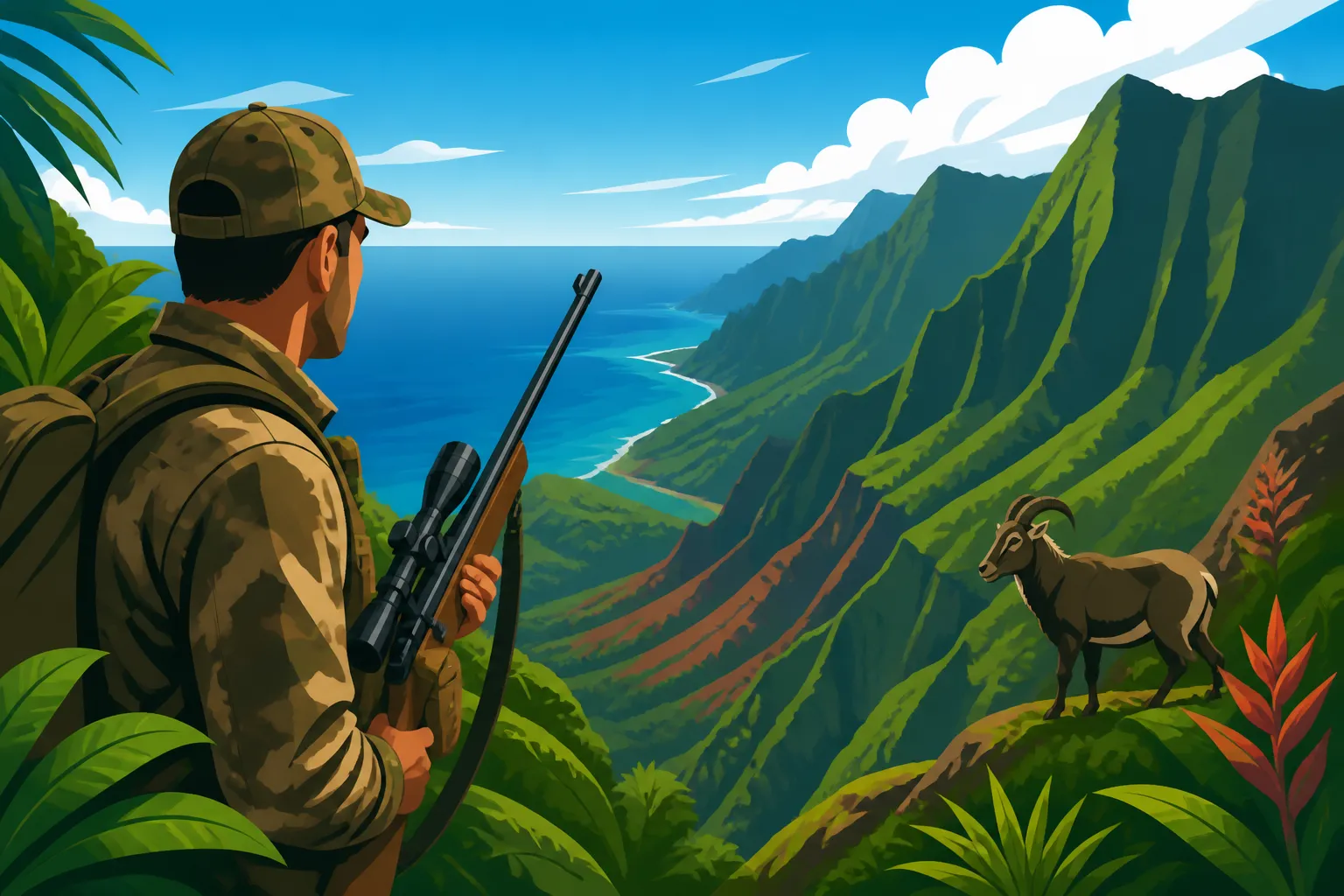
When you hear "Na Pali-Kona," envision a dramatic landscape carved by eons of wind and rain. This isn't just a forest reserve; it's an iconic stretch of Kauai's west side, renowned for its towering sea cliffs, deep, verdant valleys, and dense, often impenetrable, vegetation. It’s an area that truly earns its reputation for being both breathtakingly beautiful and brutally difficult to navigate, making it a dream for those seeking a true wilderness hunt.
The reserve stretches across significant elevation changes, from the upper plateaus bordering the Kokee area down to the dramatic sea cliffs that plunge into the Pacific. You'll encounter a dizzying array of topographical features: steep, eroded gulches, sharp ridgelines that demand sure footing, and plateaus covered in thick forest. Much of this land is defined by its isolation and the sheer scale of its canyons, which can make a short distance on a map feel like an expedition in real life. Hunters often find themselves staring down into a thousand-foot drop or scrambling up a near-vertical slope, which certainly adds to the challenge of a successful hunt.
The vegetation within Na Pali-Kona varies dramatically, influencing both animal movement and hunter access. Higher elevations might feature more open koa and ohia forests, offering some visibility, while lower valleys and gulches are often choked with strawberry guava, uluhe ferns, and thick, thorny tangles that can make every step a battle. Moving through these dense areas is exhausting, slow, and requires incredible focus, not to mention tough gear. It's not uncommon to spend an hour pushing through just a few hundred yards of thick growth, only to find yourself at the edge of another steep drop. This is where patience truly becomes a virtue, as rushing through can lead to injury or getting completely disoriented.
Furthermore, Kauai's climate plays a significant role in the hunting experience here. While the west side is generally drier than the island's famously wet east, Na Pali-Kona still experiences microclimates. The higher elevations can be cool and damp, especially in the early mornings, while the lower, exposed ridgelines can quickly become hot and arid. Sudden rain showers are always a possibility, turning dry trails into slick mud slides and making steep terrain even more hazardous. Understanding these shifts and preparing for them is crucial. Imagine scrambling up a muddy, slick ridge at dawn, only for the sun to break through the clouds and turn the air thick with humidity by mid-morning. You need to be ready for all of it.
Game Animals You'll Encounter in Na Pali-Kona
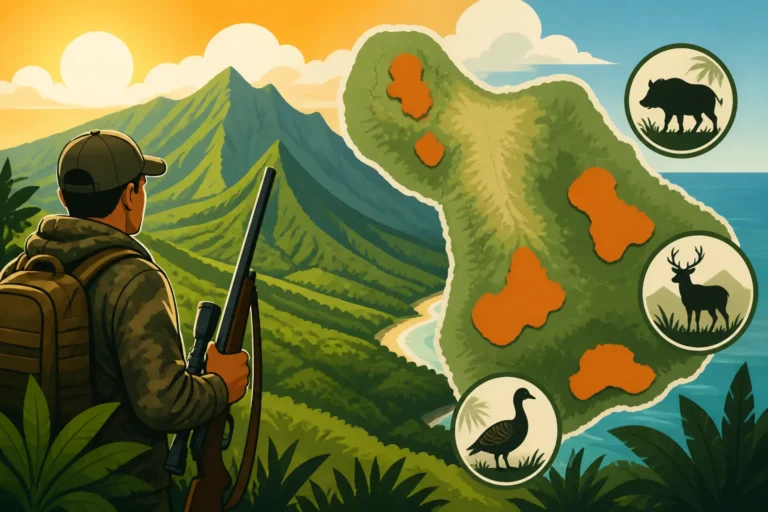
Na Pali-Kona is primarily known for its thriving populations of feral goats and pigs, both of which offer incredibly challenging and rewarding hunts. These animals are hardy, adaptable, and have made this rugged landscape their home, thriving in conditions that would deter most other species.
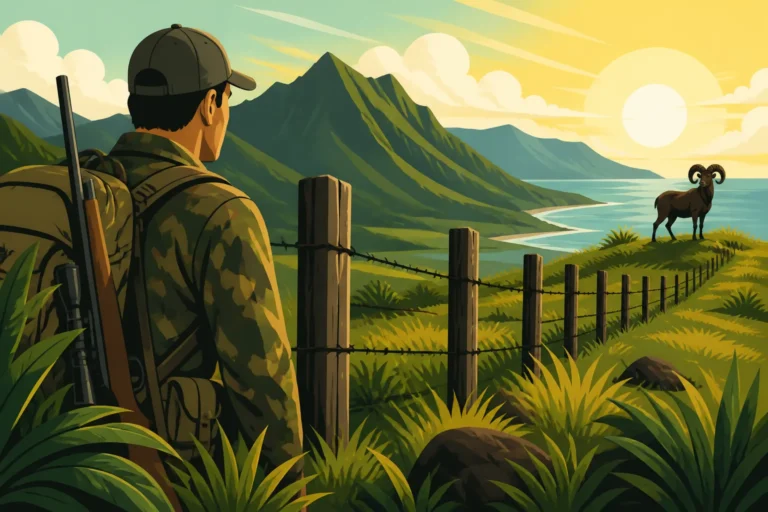
Feral goats are arguably the most iconic game animal of the Na Pali-Kona cliffs. You'll find them navigating the impossibly steep ledges and seemingly barren rock faces with astounding agility. These goats are survivors, often found in groups, making them a sight to behold as they pick their way along precipitous terrain. Hunting them here requires keen glassing skills, as they blend surprisingly well into the rocky environment. You'll spend hours scanning cliff faces and distant ridges with binoculars, searching for that tell-tale movement or a patch of white against the dark rock. Once spotted, the real challenge begins: a careful, often slow, and always demanding stalk across broken, steep ground. It's an adrenaline-fueled hunt where one misplaced step could spell disaster. For more on this, check out Hunting Goats on Hawaii's Coastal Cliffs.
Feral pigs are also abundant throughout the reserve, though they tend to prefer the dense cover of the gulches and the wetter, more vegetated slopes. These animals are incredibly destructive to the native ecosystem, rooting up plants and creating wallows. Hunting pigs in Na Pali-Kona is a completely different challenge than hunting goats. Instead of glassing open cliffs, you'll be still-hunting through thick undergrowth, listening for the rustle of leaves or the tell-tale woof of a pig startled from its bed. Reading pig sign—like fresh tracks, disturbed earth, or rubbed trees—becomes paramount. You'll often be deep in a shaded, humid gulch, pushing through head-high ferns, where visibility is limited to mere yards. This is a game of stealth and patience, often culminating in a close-quarters encounter. For those interested in this intense experience, Hunting Pigs in Hawaii's Rainforest Gulches offers more insights.
While Na Pali-Kona is predominantly known for goats and pigs, it's worth noting that Black-tailed Deer are present on Kauai, primarily in the adjacent Kokee and Waimea Canyon areas. While you might not find large populations deep within the most rugged Na Pali-Kona valleys and cliffs, there can be overlap in certain areas, particularly on the higher, more accessible plateaus that blend into the wider Kekaha and Kokee units. Hunters targeting deer would typically focus more on those specific adjacent units, like those covered in Hunting the Kokee Country for Deer or Black-Tailed Deer Hunting in Hawaii. However, it's always wise to be aware of the potential for encountering deer, especially on the fringes of their more common habitats.
Navigating Access and Regulations for Na Pali-Kona
Accessing and hunting the Na Pali-Kona Forest Reserve isn't a simple affair; it demands thorough planning and strict adherence to Hawaii's hunting regulations. This is a wilderness experience, and the state wants to ensure hunters are prepared and responsible.
First and foremost, you'll need a valid Hawaii hunting license and any required permits. It's crucial to understand these requirements well in advance of your trip. While Na Pali-Kona isn't typically a "drawn hunt" unit like some others on different islands, specific regulations can change, and special permits might be necessary depending on the season or species you're targeting. For detailed information on what you'll need, including costs and different options, refer to Hawaii Hunting Licenses and What They Cost. Many hunters find resources like GoHunt valuable for consolidating state regulations and license purchasing information, helping them navigate the administrative side of things efficiently.
Once you have your license and permits sorted, you'll need to understand the check-in and check-out procedures for the unit. Hawaii utilizes a system where hunters must sign in before entering a public hunting area and sign out upon leaving. This is vital for safety, wildlife management, and accountability. While paper cards are sometimes available at designated stations, the state strongly encourages and often requires using digital platforms like the OuterSpatial app for checking in and out. This app is incredibly useful, not just for compliance but also for general navigation and understanding unit boundaries. For more on this, you can look up Using the OuterSpatial App to Check In. Forgetting to check out can lead to fines, so don't let the fatigue of a long hunt make you forget this critical step!
Physical access to Na Pali-Kona is one of its biggest challenges. There are no easy drives to the heart of this reserve. Most access is via established, but often rugged, hiking trails or old jeep roads from the Kokee State Park area, like the Awa'awapuhi or Nualolo Cliff Trails. These trails are popular with hikers, so hunters must always be mindful of other users and exercise extreme caution. Reaching prime hunting grounds often involves a significant hike, sometimes many miles, with considerable elevation gain and loss. Imagine beginning your hunt before dawn, headlamp illuminating a slick trail, knowing you have hours of walking ahead before you even reach areas with good game sign. You'll definitely want to know What Hawaii Hunters Park and Walk In before you go.
Given the remoteness and ruggedness, carrying the right gear is non-negotiable. Essential items include ample water (more than you think you'll need!), robust navigation tools (a GPS device and a paper map are highly recommended, with a platform like onX Hunt invaluable for real-time positioning and understanding boundaries), a comprehensive first-aid kit, and high-quality, durable footwear. The terrain will be unforgiving on your boots, whether it’s sharp lava rock, slippery mud, or dense tangles of roots and rock. Read up on Boots for Hawaii Lava and Wet Forest to ensure you're lacing up with the right kind of protection. Beyond that, communication devices, like a satellite messenger or two-way radio, are crucial, as cell service is virtually nonexistent in most of the reserve.
| Item | Importance | Notes for Na Pali-Kona |
|---|---|---|
| Hawaii Hunting License/Permits | Essential | Required by law; check specific requirements for Kauai and the reserve. |
| Check-in/Check-out App | Critical | Use OuterSpatial or designated stations for safety and compliance. |
| Physical Map & GPS | High | Cell signal is unreliable; onX Hunt is excellent for layered maps. |
| Ample Water | Critical | Dehydration is a serious risk in Hawaii's heat and humidity. |
| First-Aid Kit | High | Be prepared for cuts, scrapes, sprains, and insect bites. |
| Durable Footwear | Critical | High-ankle support, waterproof, aggressive tread for varied terrain. |
| Rain Gear | High | Sudden showers are common, even in "dry" areas. |
| Headlamp/Flashlight | Essential | For early morning starts or unexpected delays. |
| Knife/Game Bags | Essential | For field dressing and packing out meat. |
| Satellite Messenger | High | For emergency communication where cell service is absent. |
Effective Hunting Strategies for Kauai's Rugged West Side
Hunting Na Pali-Kona isn't just about physical endurance; it's about smart strategy tailored to the unique environment and the behavior of the game animals. The tactics that work in a mainland forest might fall flat here, so being adaptable and knowledgeable is key.
When pursuing goats, your eyes will be your most valuable tools. Spend significant time glassing the steep, open cliff faces and rocky outcrops, especially at dawn and dusk when goats are often most active. Look for movement, subtle color differences, or the distinctive shapes of horns. Goats, particularly older billies, can be incredibly wary and will use the terrain to their advantage, disappearing into crevices or around ledges with surprising speed. Once you spot a target, the approach becomes a calculated game of patience and utilizing every bit of available cover. Wind direction is critical here, as goats have an excellent sense of smell. You'll often find yourself making wide detours just to stay downwind, which can add hours to an already arduous stalk. Remember, retrieving a downed animal from these cliffs can be as dangerous as the hunt itself, so always consider your recovery options before taking a shot.
For feral pigs, the strategy shifts dramatically. Instead of open country glassing, you'll be engaging in what's known as "still-hunting" or "stalking" through the dense, wet gulches and thick forests. This involves moving slowly, deliberately, and quietly, paying close attention to every sound and sign. Pigs are creatures of habit, often following established trails through the undergrowth. Look for fresh tracks, mud wallows, and rooting activity, which indicate recent presence. The wind is perhaps even more critical when still-hunting for pigs; a shift in thermals can carry your scent directly to them, sending them scattering before you even know they're there. Hunting pigs in this kind of cover is often a test of nerves, as close-range encounters are common. Sometimes, the most effective method, if permitted in the specific unit and season, involves using dogs, as detailed in Dog and Knife Pig Hunting in Hawaii, but always check current regulations as rules can vary.
Regardless of your target, physical preparation is paramount for hunting Na Pali-Kona. This isn't a hunt for the faint of heart or those out of shape. You'll be climbing, descending, and traversing extremely challenging terrain, often with a heavy pack. Start a rigorous fitness regimen well before your trip, focusing on cardio, leg strength, and endurance. Practicing with your fully loaded pack will give you a realistic idea of the demands. Remember, the challenge doesn't end when you pull the trigger; if successful, you'll need to field dress your animal and pack out the meat, often over treacherous ground and in high humidity. This is where Packing Meat Out of a Hawaii Gulch becomes more than just a theoretical concern; it's a real-world, muscle-burning endeavor that can take hours or even days.
Finally, safety must be your absolute top priority. Given the remoteness and lack of cell service, a detailed emergency plan is essential. Always hunt with a buddy, or at the very least, ensure someone knows your exact itinerary and expected return time. Carry a satellite messenger or an emergency locator beacon. The steep terrain means a fall can be incredibly serious, and help might be many hours away. Be acutely aware of your footing, especially on wet or loose ground, and never take unnecessary risks for a shot. Also, keep an eye on the weather; sudden changes can dramatically increase the danger of the terrain. Understand Staying Found in Dense Hawaii Rainforest because it's easier than you think to get turned around in the thick vegetation and complex topography.
Disclaimer
This article is for general informational purposes only and does not constitute professional advice. Laws, prices and regulations vary by location and change over time. Consult a qualified professional for guidance on your specific situation.