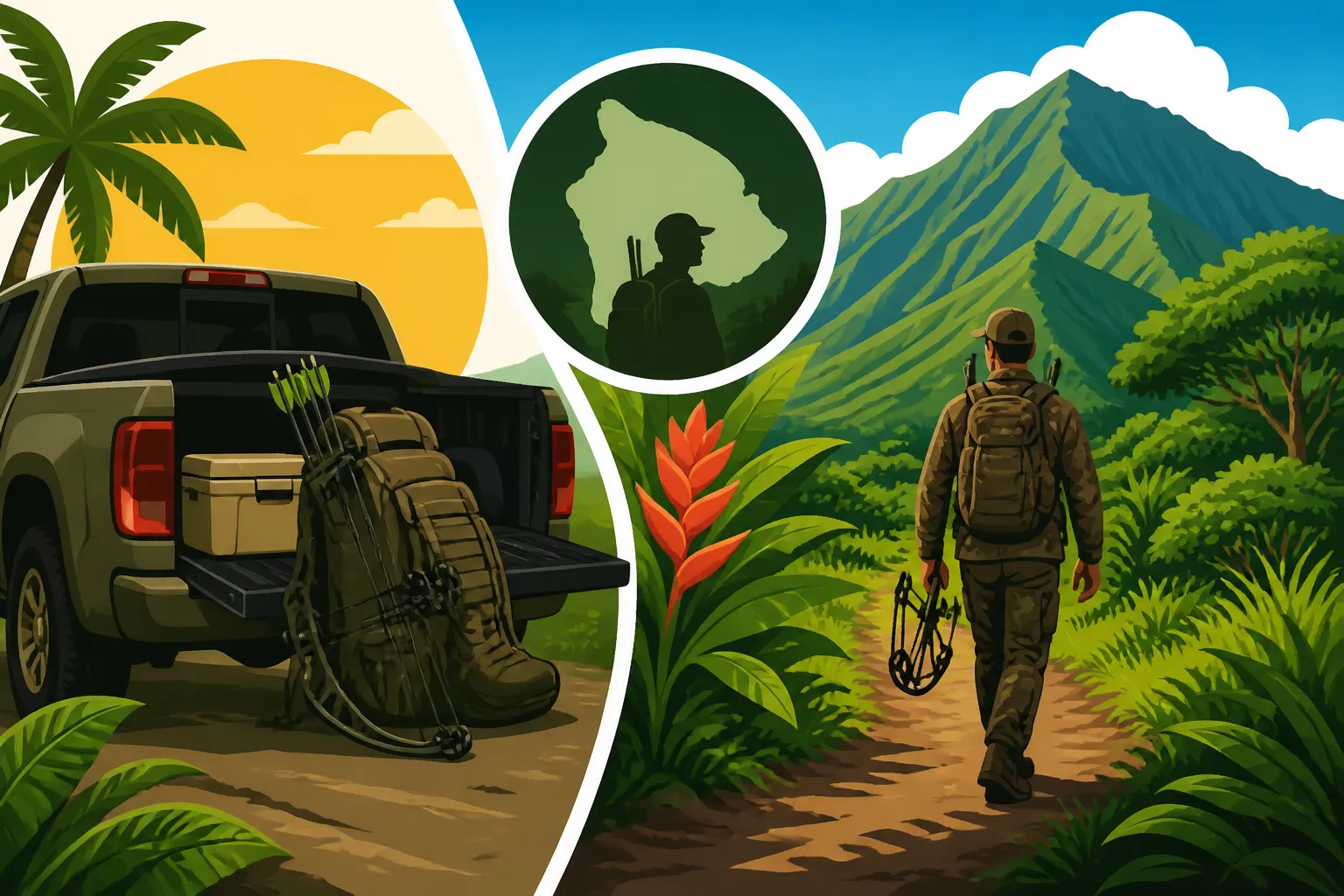
Where Hawaii Hunters Park and Walk In
Finding a great hunting unit in Hawaii can feel like winning the lottery, but then the real challenge often begins: figuring out where you can actually park your vehicle and safely walk in without trespassing or getting stuck. Unlike many mainland areas with clearly marked trailheads and expansive parking lots, Hawaii's hunting access often feels like a puzzle, especially on our smaller, more densely populated islands. This guide is here to help you navigate the unique ins and outs of parking and walk-in access, ensuring your hunt starts on the right foot, not with a tow truck or a trespass citation.
The Unique Realities of Parking and Access in Hawaii
Hawaii's landscape and land ownership patterns create a distinctly different experience for hunters trying to access their chosen unit. We're not talking about vast stretches of unbroken national forest here. Instead, public hunting areas are often nestled among private ranches, agricultural fields, or sensitive conservation zones, leading to access points that can be subtle, rugged, or even a bit ambiguous. Understanding these realities upfront is crucial for a smooth start to your hunt.
Public Land, Private Neighbors: Navigating the Boundaries
One of the biggest hurdles for hunters in Hawaii is the patchwork nature of land ownership. A public hunting unit might share a long border with private ranch land, a working farm, or even residential properties. This means that while the hunting unit itself is public, the access route to it might run through or skirt very close to private parcels. It's not always clearly marked, and what looks like an obvious path might be someone's private driveway or farm road.
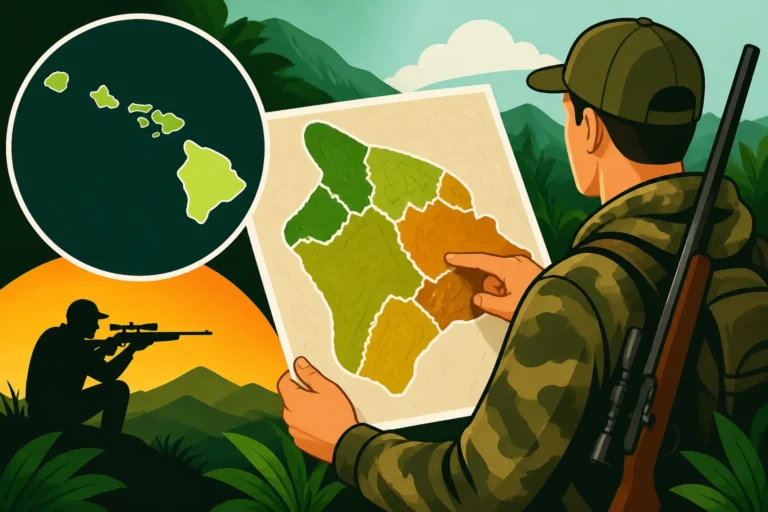
This is where having reliable mapping tools like the onX Hunt app becomes absolutely indispensable. You can clearly see property lines, which public roads lead to or near units, and where potential pull-offs might be located without accidentally crossing onto private ground. Always double-check your position, especially if you're venturing into a new area. The last thing you want is to spend your morning talking to a disgruntled landowner instead of chasing game.
Road Conditions: From Pavement to Potholes
The "road" to your hunting spot in Hawaii can take many forms. You might find a paved state highway running along the edge of a unit, offering a simple pull-off. More often, however, access involves dirt, gravel, or even rudimentary tracks. These can range from well-maintained ranch roads (which may require specific permissions or be off-limits) to deeply rutted, rocky, or muddy paths that demand a high-clearance 4WD vehicle.
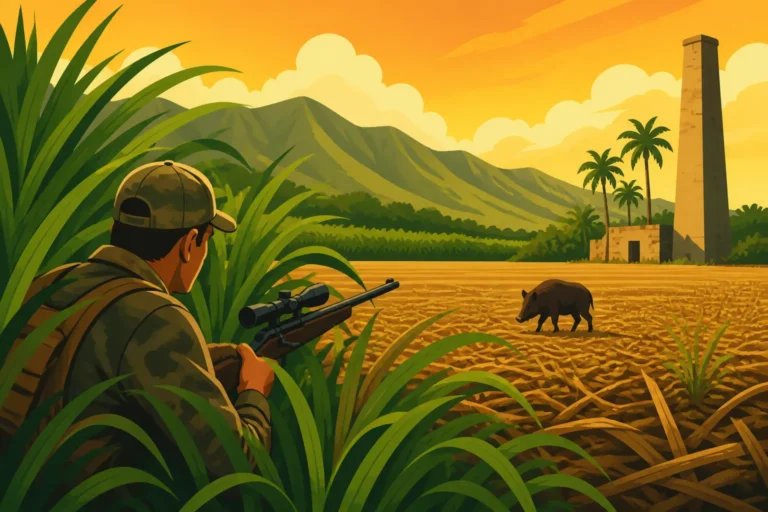
It's not uncommon to find yourself on an old sugar cane road that hasn't seen maintenance in decades, or a rutted trail winding through kiawe forest. Rain can quickly turn a dry track into a quagmire, making scouting and knowing the conditions paramount. A two-wheel-drive sedan might get you to the general vicinity, but getting stuck miles from anywhere on a remote access road is a quick way to ruin a hunt. Always assess the road conditions, especially if you're not familiar with the area, and never assume a road is passable just because it's on a map. Sometimes, the "road" is simply a suggestion, and the walk starts a lot earlier than you planned.
Common Parking and Walk-In Scenarios
Given the diverse terrain and land use across the islands, parking and walk-in situations vary greatly. Here's a look at some of the common scenarios you'll encounter and what to expect.
Roadside Pull-Offs and Gate Access
These are often the most straightforward access points, found where public roads intersect with or run alongside hunting units. You might find a small gravel area, a widened shoulder, or a designated "hunter check-in" parking spot.
- Pros: Generally easy to find, often directly adjacent to the hunting unit, minimal vehicle wear-and-tear.
- Cons: Can be limited, especially on busy weekends, and may require a longer walk into productive hunting grounds. You might also find yourself Beating the Crowd on a Weekend Unit. Always ensure you're not blocking gates, driveways, or public access points, even if they appear unused. What looks like an abandoned road might still be vital for a rancher or utility company. If there's a gate, it's usually there for a reason – either to manage livestock, prevent unauthorized vehicle access, or mark a boundary. Always respect "no trespassing" signs on adjacent private land.
Unimproved Dirt and 4WD Roads
Many of Hawaii's larger or more remote hunting units rely on unimproved dirt roads for access. These can be graded periodically but often feature ruts, rocks, and mud.
- 2WD Accessible (Fair Weather): Some dirt roads are passable with a sturdy 2WD vehicle during dry periods. These often lead to popular spots or provide access to the fringes of larger units. The walk-in from these points can be moderate to long, depending on how far you want to get from the road. Be cautious after rain; even seemingly solid dirt can become treacherous.
- 4WD Only: For truly remote or challenging units, a high-clearance 4WD vehicle is non-negotiable. These roads traverse steep grades, deep mud, rocky lava flows, or thick jungle. Driving these roads requires skill and a capable vehicle. You'll often be Reaching a Hawaii Unit by 4WD Road. Parking typically involves pulling off the main track in a spot that doesn't block traffic or create a hazard. These access points often get you deeper into prime hunting areas, but they also mean a longer, potentially more difficult retrieval of any game. Don't underestimate the strain these roads put on your vehicle; punctures and mechanical issues are common.
Foot-Only Access and Remote Trailheads
For some of the most challenging and rewarding hunts, vehicle access ends well before the hunting ground truly begins. This is common in densely vegetated areas, steep gulches, or high-elevation wilderness.
- Designated Trailheads: While rare, some units might have a designated hiking trailhead that also serves as a hunting access point. These usually offer clear parking and well-defined paths, at least initially. From there, you're looking at a significant hike into the huntable areas.
- Undesignated Foot Paths: More often, "foot-only" access means parking at a legal roadside spot and simply walking into the brush, following faint pig trails, old survey lines, or just navigating by map and compass. This is where your fitness, navigational skills, and understanding of the terrain become paramount. You might be Walking In to a Remote Hawaii Unit or Navigating a Hawaii Gulch System. Be prepared for thick vegetation, slippery footing, and rapid elevation changes.
| Access Type | Parking Location | Vehicle Recommendation | Walk-In Experience | Key Considerations |
|---|---|---|---|---|
| Paved Road Pull-off | Shoulder, designated pull-out | Any (safe parking) | Often longer walk to prime areas, easier footing from vehicle | Limited spots, potential for crowds, don't block access |
| Dirt Road (2WD) | Side of road, wider sections | High-clearance 2WD | Moderate walk, conditions vary with weather, can get you deeper | Mud/ruts after rain, basic vehicle recovery gear advised |
| Dirt Road (4WD Only) | Off-track, designated 4WD parking | High-clearance 4WD | Shorter walk to prime areas, challenging terrain, often remote | Serious mud/ruts/rocks, high risk of getting stuck, recovery gear essential |
| Foot-Only/Remote | Safest legal roadside spot, end of vehicle track | Any (to start) | Long, strenuous hike, bushwhacking, navigation critical | Maximize physical fitness, pack light, advanced navigation needed |
Planning Your Walk-In Hunt
Don't just show up and hope for the best. A successful walk-in hunt in Hawaii requires careful planning and preparation long before you put boots on the ground.
Scouting and Map Work: Your Digital Eye in the Sky
Before you even think about driving to a unit, spend time with your maps. The onX Hunt app is incredibly valuable here, allowing you to identify public hunting unit boundaries, private property lines, and potential access roads from the comfort of your home. Look for established roads, old plantation tracks, or even faint lines that might indicate a passable route. Pay attention to topography – a road that looks good on a flat map might be a series of impossible switchbacks in reality.
Satellite imagery can reveal a lot about the terrain you'll be walking through: dense forest, open kiawe flats, lava flows, or steep gulches. Identify potential parking areas well in advance. Consider alternate access points in case your primary choice is full or impassable. Scouting a Hawaii Hunting Unit Before Opening goes deeper into this vital preparation.
Physical Fitness and Gear: Be Prepared for the Unpredictable
Hawaii's terrain is notoriously rugged and unforgiving. A "walk-in" can quickly become a bushwhacking expedition through dense jungle, a scramble over slippery rocks, or a grueling climb up a steep ridge. Your physical fitness is paramount. You need to be able to carry your gear, navigate difficult terrain, and, ideally, pack out an animal.
- Footwear: Invest in high-quality, sturdy hiking boots with excellent ankle support. The lava rock, mud, and uneven ground will test your footwear like nothing else. Boots for Hawaii Lava and Wet Forest.
- Water: Always carry more water than you think you'll need. The humidity and heat can lead to rapid dehydration, even on a cloudy day. Water and Heat Planning for a Hawaii Hunt.
- Navigation: Beyond your phone app, carry a physical map and compass as a backup. Batteries die, and signal drops. No Cell Signal on a Hawaii Hunt is a common reality in our remote areas.
- Emergency Kit: First-aid, headlamp, signaling device, fire starter, and a small shelter are essential for any remote walk-in hunt.
- Pack: A comfortable pack that can handle extra weight is crucial for carrying out meat. Think about how you'll manage a harvest if you're miles from your vehicle and facing a steep climb back to the road. Packing Meat Out of a Hawaii Gulch is no joke.
Check-In Requirements: Don't Forget the Paperwork (or Digital Work!)
Even for walk-in hunts, checking in and out of a Hawaii hunting unit is mandatory. This is often done via physical check stations or, increasingly, through digital platforms like the GoHunt website or the OuterSpatial app. Make sure you understand the specific check-in procedures for your chosen unit. Forgetting to check in, or worse, forgetting to check out, can lead to fines and loss of hunting privileges. Using the OuterSpatial App to Check In has become standard for many units.
Respecting the Land and Other Users
Hunting in Hawaii is a privilege, and respecting the land, wildlife, and other users is paramount to ensuring its future. Your actions at the access point directly reflect on the hunting community as a whole.
Leave No Trace: Keep Paradise Pristine
This isn't just a catchy phrase; it's a critical ethic for hunters in Hawaii. Pack out everything you pack in, and then some. Don't leave trash, spent casings, or any sign of your presence at parking areas or along your walk-in route. Our islands are small and fragile, and visible litter quickly draws negative attention to hunting activities. This extends to vehicle practices as well – avoid driving off-road where not permitted, and stay on designated tracks.
Sharing the Trails: Hunters Aren't the Only Ones Out There
Depending on the unit, your walk-in access might share paths with hikers, birdwatchers, mountain bikers, or even local residents using traditional access routes. Be courteous and mindful of other users. Make your presence known, especially if you're carrying a firearm. A friendly "Aloha" goes a long way. This shared-use aspect means practicing extra vigilance regarding safety and shot placement, always knowing what's beyond your target.
Building Good Will: Be a Responsible Ambassador
The perception of hunters is often shaped by how we interact with the land and the community. By being responsible, respectful, and prepared, you contribute positively to the image of hunting in Hawaii. This means:
- Parking legally and considerately, even if it means walking a bit further.
- Not blocking gates or private access points.
- Keeping noise to a minimum, especially in areas bordering residences.
- Being polite and helpful if you encounter other people.
- Reporting any illegal activity or violations you witness.
A successful walk-in hunt in Hawaii isn't just about finding the game; it's about navigating the unique challenges of island access with preparation, respect, and a good dose of aloha spirit.
Disclaimer
This article is for general informational purposes only and does not constitute professional advice. Laws, prices and regulations vary by location and change over time. Consult a qualified professional for guidance on your specific situation.