Hunting a Hawaii Unit in the Rainy Season
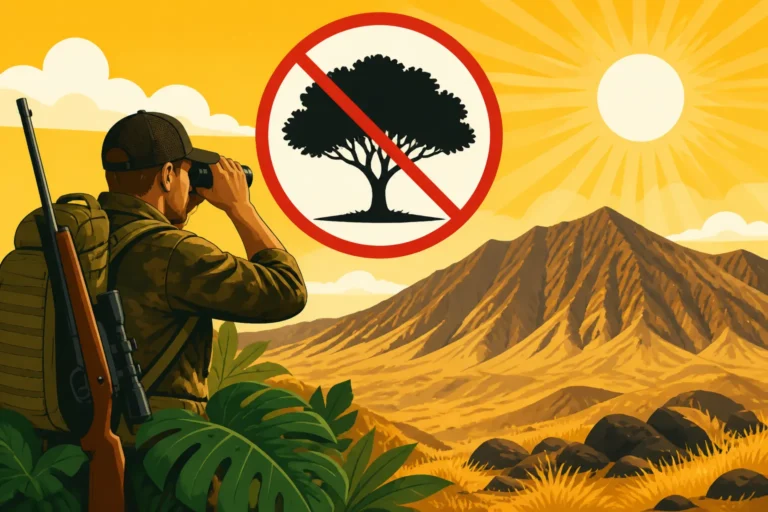
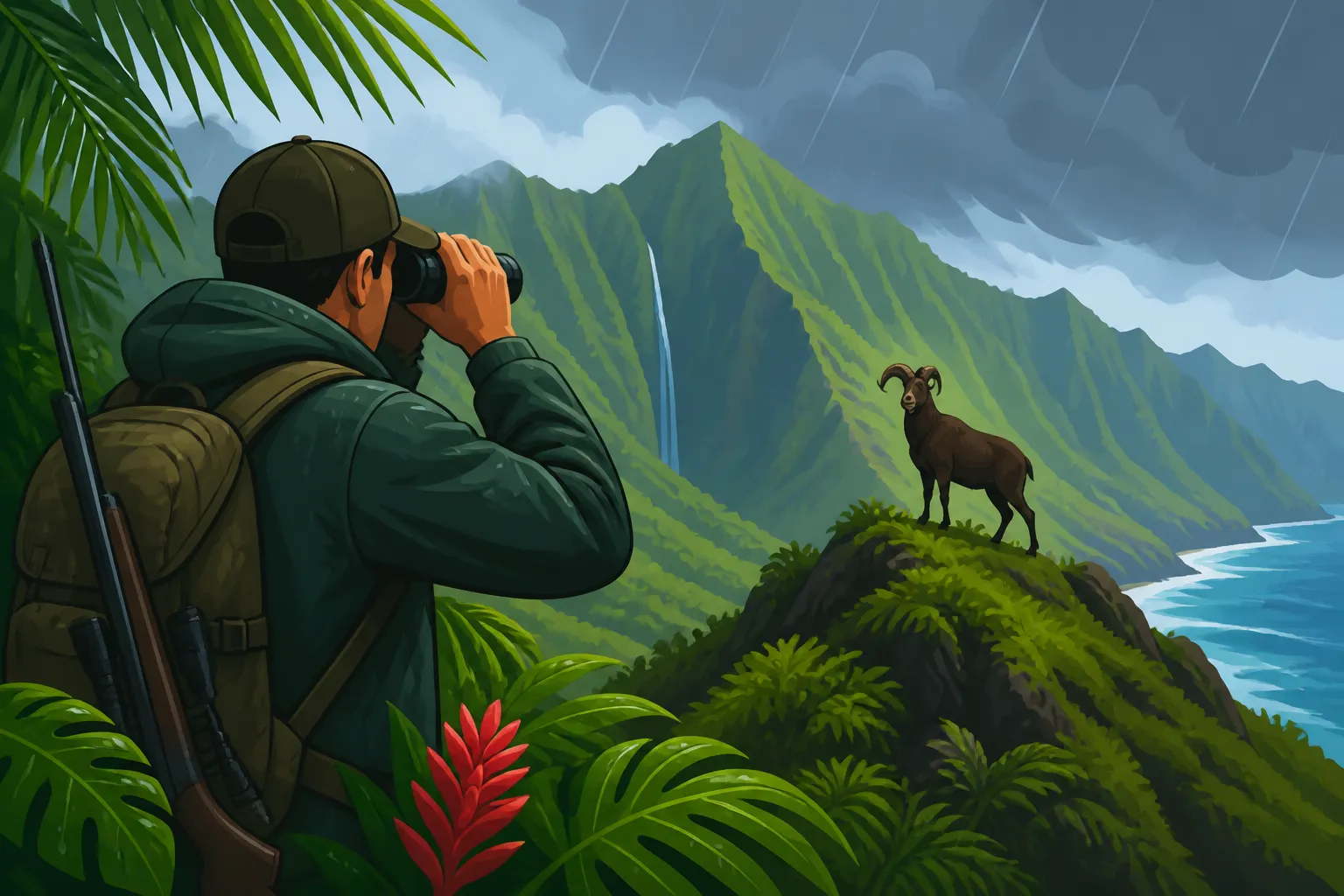
The thought of hunting in Hawaii often conjures images of sun-drenched landscapes and warm breezes, but seasoned local hunters know the reality: heavy rain is a common, and sometimes brutal, companion, especially in certain units and seasons. It can turn a pleasant stalk into a muddy, slippery slog and significantly alter game behavior. This guide is here to help you navigate the challenges and even discover the unique advantages of hunting a Hawaii unit when the skies open up, ensuring you're prepared for the deluge and can make the most of your wet-weather hunt.
Understanding Hawaii's Rainy Seasons and Their Impact
Hawaii's reputation for year-round sunshine often masks the fact that the islands experience significant rainfall, particularly during certain months and in specific geographical areas. It's not a monolithic "rainy season" like in some tropical regions, but rather a complex interplay of trade winds, elevation, and localized weather patterns that can dump serious water on a hunting unit. Ignoring this reality can lead to a miserable, and potentially dangerous, hunt.
The Nuance of "Rainy Season" Across the Islands
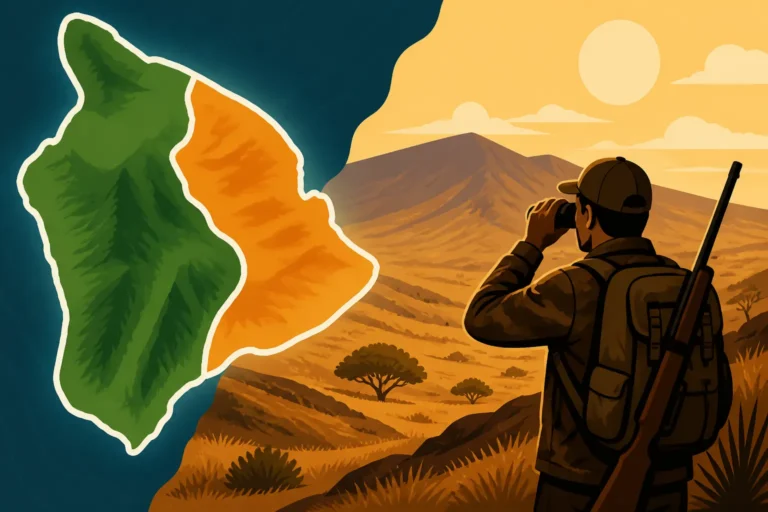
Firstly, it's crucial to understand that Hawaii's rain isn't evenly distributed. While the cooler months from November to March generally see more precipitation, a "rainy season" can manifest differently depending on which island you're on, and even which side of that island. The windward sides, facing the prevailing trade winds, are often lush and wet year-round, receiving frequent showers that can quickly turn into sustained downpours. Think of the Hilo side of Hawaii Island or the windward slopes of Maui. Conversely, the leeward sides are typically drier, but even these areas can experience heavy rain during Kona lows, which are weather systems that reverse the typical wind patterns and bring moisture from the south or west. This means a unit that's usually dry could suddenly become a muddy mess. You might think you're signing up for a sunny hunt only to find yourself drenched. Knowing these patterns and checking local forecasts, not just island-wide, is absolutely essential. For those hunting in areas like the higher elevations of Mauna Kea or Haleakala, rain can quickly turn to sleet or even snow, adding another layer of challenge.
How Rain Changes the Hunting Landscape
Rain profoundly transforms the physical environment of a Hawaii hunting unit. What might be a dusty trail in the dry season becomes a slick, treacherous path of red mud, clinging to your boots and making every step a potential slide. Streams and gulches can swell rapidly, turning from a trickle to a raging torrent, completely cutting off access or egress. Navigating a Hawaii Gulch System becomes exponentially harder. Vegetation, already dense, becomes even more matted and heavy with water, soaking you to the bone as you push through it. Lava fields, usually rough but grippy, become incredibly slick when wet, making footing perilous. Walking Rough Lava Without Wrecking Your Boots takes on a whole new meaning. Visibility drops significantly, not just from the rain itself, but from low-hanging clouds and fog that often accompany wet weather, especially in higher elevation or rainforest units. This reduced visibility, while sometimes helping to conceal your approach, also makes finding game and navigating far more difficult. It's not just about getting wet; it's about the entire physical challenge amplifying.
Impact on Game Behavior
Rain fundamentally shifts how game animals move, feed, and seek shelter. Feral pigs, for instance, often relish the mud. They'll wallow more, and fresh mud can provide excellent opportunities for tracking. They might move through thick undergrowth, using the rain as cover, or bed down deep in dense gulches to escape the worst of it. Hunting Pigs in Hawaii's Rainforest Gulches during a downpour is a different ballgame. Goats, on the other hand, often seek shelter quickly. You might find them huddled under rocky overhangs, in caves, or tucked into thick kiawe groves on the leeward side. Axis deer tend to move to denser cover or slightly elevated ground to avoid standing water, and their feeding patterns can become erratic. They might hunker down during a heavy shower, only to emerge ravenously once the rain lets up. The key is that their usual patterns are disrupted, and a hunter needs to be flexible and observant. The rain also affects scent; while some argue it washes away human scent, it also dampens the thermals and can make it harder for animals to pick up your presence, creating a momentary advantage if you can keep your own noise and movement to a minimum.
Preparing Your Gear and Yourself for Wet Hawaii Hunts
Venturing into a Hawaii hunting unit during the rainy season without proper preparation is a recipe for misery. It's not just about staying dry; it's about ensuring your equipment functions, your body stays safe, and your mind remains focused despite the challenging conditions. Thinking ahead and packing smart can be the difference between a successful, albeit wet, hunt and a hasty retreat.
Essential Rain Gear and Layering Strategies
First and foremost, invest in quality rain gear. This isn't just a flimsy poncho; you need robust, breathable waterproof layers. A good rain jacket and rain pants are non-negotiable. Look for materials that offer both waterproofness and breathability to prevent you from getting soaked from the inside out by your own sweat. Rain Gear for a Windward Hawaii Hunt needs to be top-notch. Layering is critical: a moisture-wicking base layer, an insulating mid-layer (like fleece), and then your waterproof outer shell. Even if it seems warm, prolonged wetness combined with wind can drop your core temperature surprisingly fast. Your feet are arguably the most important. Waterproof boots with good traction are essential for navigating slippery mud and wet rocks. Make sure they're broken in and comfortable. Consider gaiters to prevent water and debris from getting into your boots from the top. Changing into dry socks often is a small luxury that makes a huge difference in comfort and preventing blisters.
Protecting Your Weapon, Optics, and Electronics
Rain and humidity are the enemies of firearms, optics, and electronics. For your rifle, a simple elastic cover or a specialized rifle sleeve can keep the action and barrel relatively dry. Wipe down your rifle frequently, especially metal parts, to prevent rust. Scope caps are a must-have to keep your lenses clear, and a small lens cloth should always be handy. Optics like binoculars and rangefinders also need protection; waterproof models are ideal, but even then, keep them tucked away in a waterproof pocket or dry bag when not in immediate use.
Electronic devices are particularly vulnerable. Your phone, crucial for mapping apps like onX Hunt (which is invaluable for Reading a Hawaii Unit Boundary Map even in the rain), needs a sturdy waterproof case or a dedicated dry bag. Consider bringing a portable power bank, also protected from moisture, as cold and wet conditions can drain batteries faster. A GPS unit is another vital tool, and many models are already ruggedized and waterproof, but redundancy is always a good idea. Don't rely solely on one device.
Smart Backpack Contents for the Rain
Your backpack becomes a lifeline in wet conditions. Beyond your standard hunting essentials, you'll want to pack a few extras specifically for the rain. Several small, waterproof dry bags or stuff sacks are far more effective than one large one for organizing and protecting critical items: a change of clothes (especially socks), a small first-aid kit, fire starters (waterproof matches, a lighter, or a ferro rod), and a headlamp with extra batteries. A small, lightweight tarp or emergency blanket can provide invaluable shelter in a sudden downpour or if you need to hunker down. Don't forget ample water and high-energy snacks; slogging through mud and pushing through wet vegetation burns more calories than you'd expect. The mental boost of a warm drink from a thermos can also be a game-changer on a cold, wet day.
Physical and Mental Preparation
Hunting in the rain is physically demanding. The slippery terrain requires more deliberate and careful steps, engaging more muscles. Pushing through heavy, wet vegetation is exhausting. Get in shape beforehand, focusing on leg strength and endurance. But equally important is mental preparation. Accept that you will get wet. Embrace the challenge. A negative attitude will quickly sap your energy and enjoyment. Understand that success rates might be lower, and celebrate the small victories—making it through a tough section, spotting fresh sign, or just enjoying the unique atmosphere of a rain-soaked Hawaiian forest. Staying hydrated and well-fed will also contribute significantly to your mental resilience.
Adjusting Your Hunting Tactics for Rainy Conditions
The rainy season isn't just about enduring the weather; it's about adapting your entire approach to hunting. Game animals behave differently, the environment presents new challenges and opportunities, and your tactics need to evolve to match. What works on a dry, sunny day might be completely ineffective, or even unsafe, when the rain is coming down sideways.
Tracking in the Mud and Wet Ground
One of the most significant advantages of hunting in the rain, or immediately after it, is the ground condition. Soft, wet earth and mud create perfect canvases for game tracks. While a heavy downpour can wash out older tracks, fresh ones become incredibly clear and easy to read. This is particularly true for pigs, which leave distinct tracks and often churn up the earth. Reading Pig Sign Along a Muddy Trail becomes a much more fruitful endeavor. Look for fresh, clear prints, and pay attention to how much water is in them. Are the edges sharp, or are they softened by recent rain? Are leaves pushed aside and still wet, or have they begun to dry? Following fresh tracks in the mud can lead you directly to bedded animals or active feeding areas, especially when visibility is otherwise low. However, be mindful that your own tracks will be just as visible, so try to keep off obvious game trails.
Stalking and Movement in Wet Vegetation
The wetness of the environment can actually aid in silent movement. Rain hitting leaves and the ground helps to mask the sound of your footsteps and brushing against vegetation. This gives you a unique opportunity to move more quietly and get closer to animals than you might in dry, crunchy conditions. However, every step needs to be deliberate. Wet leaves and rocks are extremely slippery, and a careless step can lead to a fall or a loud clatter that alerts game. Focus on placing your feet carefully, testing surfaces, and using natural contours for concealment. When pushing through dense, wet cover, try to move slowly and deliberately, pausing frequently to listen. The wind often picks up during rain, so Hunting Downwind in Hawaii's Shifting Thermals becomes even more crucial to prevent your scent from being carried to animals.
Where Game Animals Seek Shelter
Understanding where animals go during the rain is paramount. Goats, being highly agile, will often seek the most sheltered spots on cliff faces, under large rock overhangs, or in the densest, driest pockets of brush they can find. If you're hunting in canyon country, check every possible alcove and cave. Pigs, while enjoying mud, will often bed down in the thickest, most impenetrable tangles of vegetation—deep gulches filled with ginger, guava, or hau bush. They'll also find shelter under large trees with dense canopies. Axis deer will move to the thickest stands of kiawe, koa, or eucalyptus, or seek areas with slightly higher elevation where water drains quickly. They might also venture into more open areas immediately after a rain shower to feed on fresh, wet growth. Knowing the terrain of your unit, perhaps by studying it beforehand with a tool like onX Hunt, can help you predict these natural shelters.
Post-Rain Opportunities
One of the best times to hunt during the rainy season is often right after a significant rain event. As soon as the rain eases, or breaks completely, game animals frequently become very active. Pigs will emerge to root in the newly softened ground, deer will come out to feed, and goats might move to sun themselves on exposed rocks. This window of activity can be short but incredibly productive. Hunting a Hawaii Unit After Heavy Rain means being ready to move and capitalize on these bursts of post-storm activity. You'll often find animals less wary as they focus on feeding or drying out. Be prepared to quickly change your strategy from a slow, cautious stalk during the rain to a more active search once it clears.
Safety and Contingencies When Hunting in the Rain
Hunting in Hawaii's rainy season elevates the inherent risks of backcountry travel. The beautiful, lush environment can quickly become a dangerous place if you're not prepared for the unique hazards that wet conditions present. Prioritizing safety and having a robust contingency plan is not just smart; it's essential for survival.
Navigating Hazardous Terrain and Flash Floods
Rain transforms Hawaii's already challenging terrain into a minefield of potential dangers. Slippery mud, wet lava, and moss-covered rocks make every step precarious. A simple slip can lead to serious injury, especially if you're carrying a pack and a rifle. Always use trekking poles for added stability, and maintain three points of contact when scrambling. Flash floods are a very real danger in Hawaii's steep gulches and stream beds. A seemingly dry stream can become a raging river in minutes during a localized downpour upstream. Never camp in a gulch or near a stream bed if rain is in the forecast. If you encounter a swollen stream, do not attempt to cross it if the water is above your knees or moving rapidly. Wait it out, find an alternate route, or turn back. Hunting Goats on a Sea Cliff Safely becomes even more of a high-stakes endeavor with wet, slick rock.
Hypothermia Risks in a Tropical Climate
It might seem counterintuitive in a tropical paradise, but hypothermia is a genuine risk when hunting in Hawaii's rain, especially at higher elevations. Prolonged exposure to wet clothes, combined with wind and dropping temperatures, can lead to your body losing heat faster than it can produce it. Even if the air temperature is in the 60s Fahrenheit, being soaked and windy can quickly cause problems. Recognize the signs: shivering (often uncontrollable), confusion, slurred speech, lethargy. Prevent it by wearing appropriate layers (as discussed earlier), bringing dry spare clothes, and having a means to create a fire or seek shelter to warm up. A hot drink and high-energy food can help. Don't push yourself if you're starting to feel too cold; it's better to end the hunt early than risk your life. Remember Water and Heat Planning for a Hawaii Hunt also needs to consider cold and wet.
Communication and Emergency Planning
Cell service in many Hawaii hunting units, particularly in remote valleys or thick forests, is notoriously unreliable. No Cell Signal on a Hawaii Hunt is the norm, not the exception. Relying solely on your phone for emergencies is a critical mistake. A satellite communication device (like a Garmin InReach or a Zoleo) is an absolute must-have for rainy season hunts. These devices allow you to send SOS messages, check-in texts, and receive weather updates even when completely out of cell range. Always inform a trusted contact of your detailed hunting plans: your specific unit, your intended route, when you expect to return, and what to do if they don't hear from you. Having a physical map and compass, and knowing how to use them, is also vital as a backup to any electronic navigation, especially if your devices fail due to water exposure or battery drain. Tools like GoHunt can assist in planning and understanding unit boundaries before you leave service.
Field Care of Game in Wet Conditions
Once you've harvested an animal, the rain presents new challenges for field care. Keeping the meat clean and cool is paramount, but mud, wet leaves, and constant moisture make it difficult. Gut the animal quickly and efficiently. Try to find a relatively clean, elevated spot to work, perhaps using a tarp to create a cleaner surface. Get the hide off as soon as possible to allow the carcass to cool, even if it's still raining. Protecting the meat from dirt, insects, and excessive moisture is key. Have game bags ready, and consider bringing an extra lightweight tarp to drape over the quartered meat while you pack it out. Field Dressing Axis Deer in Hawaii Heat is hard enough; add rain and mud to the equation, and it requires even more care and efficiency. If you can't get the meat out immediately, elevate it off the wet ground and cover it well. Cooling Meat Fast on a Hawaii Hunt might be helped by the cooler ambient temperature, but you still need air circulation.
Hunting during Hawaii's rainy season demands respect, preparation, and adaptability. While it may not be the picture-perfect hunt often imagined, the rewards of navigating these conditions can be immense—a deeper connection to the land, the thrill of overcoming genuine challenges, and the satisfaction of a hard-earned harvest in a truly unique environment.
| Aspect of Hunting | Dry Season Characteristics | Rainy Season Characteristics |
|---|---|---|
| Visibility | Generally clear, expansive views. | Often reduced by rain, fog, low clouds. |
| Terrain | Dusty trails, firm ground, grippy lava. | Slick mud, wet lava, swollen streams. |
| Tracking | Hard to find clear tracks on dry ground. | Excellent for fresh tracks in soft mud. |
| Scent | Thermals can be tricky, air carries scent. | Dampens scent, but shifting winds can push it. |
| Game Movement | Predictable patterns around food/water. | Disrupted, seeking shelter or feeding post-rain. |
| Noise | Crunchy leaves, dry brush makes movement loud. | Rain and wet foliage help mask hunter's noise. |
| Access | Roads and trails generally open. | Roads can become impassable, streams block routes. |
| Comfort | Warm, sunny, dusty. | Cold, wet, muddy. Hypothermia risk. |
| Preparation | Focus on heat, hydration, sun protection. | Focus on waterproofs, layering, safety, comms. |
Disclaimer
This article is for general informational purposes only and does not constitute professional advice. Laws, prices and regulations vary by location and change over time. Consult a qualified professional for guidance on your specific situation.