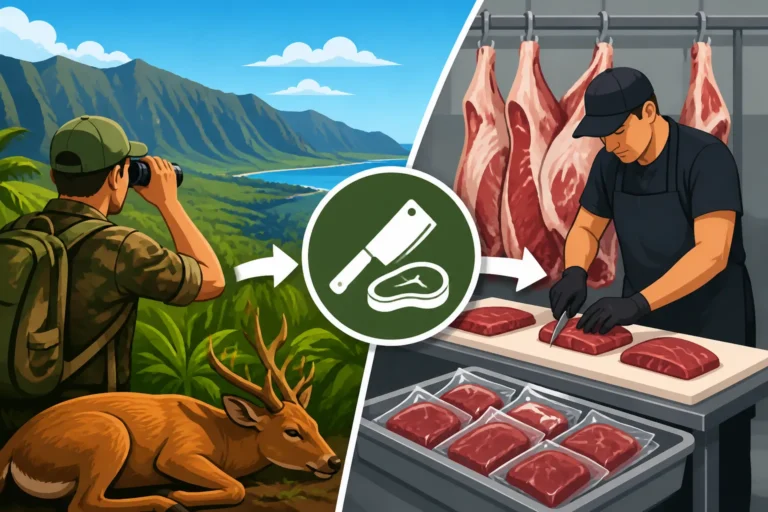
Hunting Lanai Public Land on Your Own
The idea of hunting Lanai's public lands on your own is incredibly appealing for many hunters, offering a true test of skill and self-reliance against the backdrop of one of Hawaii's most unique islands. However, it comes with a steep learning curve and specific challenges, from navigating the permit system to understanding the terrain. This guide is here to walk you through everything you need to know to plan and execute a successful self-guided hunt for Axis deer and mouflon sheep on Lanai's public hunting units.
Understanding Lanai's Public Hunting Landscape
Lanai, often called the Pineapple Isle, might be small, but it offers some fantastic public land hunting opportunities for Axis deer and mouflon sheep. The chance to pursue these animals without a guide, relying solely on your own wits and preparation, is a major draw. But it’s not as simple as showing up with a rifle; there's a specific system in place that all hunters, especially those planning a DIY trip, need to understand inside and out.
The Allure and Challenge of DIY Lanai Hunts
There's something deeply satisfying about earning your game through sheer effort, meticulous planning, and self-reliance, especially in a place as unique as Lanai. For many, the idea of a self-guided hunt isn't just about saving money, it's about the pure essence of the hunting experience. Imagine glassing wide-open ridgelines at dawn, reading subtle animal sign, and executing a perfect stalk completely on your own terms. Lanai's relatively open terrain in many public units lends itself well to spot-and-stalk tactics, making it a prime destination for independent hunters who thrive on that challenge.
However, this allure comes with its own set of significant challenges. Lanai isn't a typical mainland hunt. You're dealing with unique terrain, from dry, dusty kiawe flats to dense upland forests, and weather that can shift dramatically from scorching sun to sudden downpours. The remoteness of some areas means you need to be entirely self-sufficient, capable of handling everything from field dressing an animal in heat and humidity to navigating without cell service. Then there's the administrative hurdle: the lottery system for permits and tags, the strict check-in/check-out procedures, and understanding the nuances of the public hunting units. It demands a level of preparation and attention to detail that can feel daunting, but it's entirely achievable with the right mindset and information.
Navigating the Lanai Draw System
To hunt Axis deer or mouflon sheep on Lanai's public lands, you absolutely must go through the state's hunting lottery, or "draw" system. This isn't an over-the-counter tag situation for big game. The number of permits issued is strictly controlled to manage animal populations and hunting pressure, making success in the draw the first, and often most critical, step of your DIY hunt. The draw usually opens for applications months before the hunting season, and you'll typically apply for specific hunting periods, often weekend-only rifle seasons, though archery and muzzleloader seasons also exist.
The application process is handled through the state's online portal, which many refer to as the GoHunt Hawaii system. You'll need an active Hawaii hunting license to apply, and you'll specify your preferred weapon type (rifle, archery, or muzzleloader) and desired hunting periods. Keep a close eye on the application deadlines, as missing them means missing the entire season. When applying, you'll be choosing from specific hunt units and dates. For example, you might apply for one of the Lanai Axis Deer Rifle Season Runs during one of the Hunting Lanai's Eleven Rifle Weekends. Understanding the intricacies of How the Lanai Axis Deer Draw Works is paramount. It’s a competitive process, so applying for multiple periods can increase your odds. Once the results are announced, usually via email or published on the state's wildlife division website, you'll know if you've secured a permit. If successful, you then have a limited window to purchase your actual permit-tag.
Why Guides Are Restricted on Public Land
One of the defining characteristics of public land hunting on Lanai, especially for the drawn Axis deer and mouflon sheep seasons, is the restriction on commercial guiding. This is a crucial point for anyone planning a self-guided trip. Unlike some private ranch operations on other islands, you cannot hire a professional hunting guide to accompany you on public land in Lanai. This rule is in place to ensure fair chase, manage pressure, and maintain the integrity of the public hunting experience for all participants.
This regulation directly contributes to the "on your own" nature of these hunts. It means that every aspect, from scouting to tracking to field dressing, falls squarely on your shoulders. While you can certainly hunt with friends or family who also hold valid permits, you won't see guides leading clients through the public units. This emphasizes the importance of thorough personal preparation. You won't have someone else's experience to lean on in the field, so understanding the terrain, the animals' behavior, and basic survival and first-aid skills become even more critical. It’s a true test of your individual hunting prowess, and that's precisely why many hunters seek out this particular challenge. If you're coming from the mainland and used to booking guided trips, this is a significant shift in approach that requires a different kind of planning.
Preparing for Your Self-Guided Lanai Adventure
Once you've navigated the draw and secured your permit-tag, the real planning for your self-guided Lanai hunt begins. This phase is all about meticulous preparation, ensuring you have the right gear, all the necessary paperwork, and a solid plan for your time on the island. Neglecting any of these steps can quickly turn an exciting adventure into a frustrating ordeal.
Essential Gear for Lanai's Diverse Terrain
Lanai's terrain is surprisingly varied, and your gear needs to reflect that. You'll likely be covering significant ground on foot, traversing everything from dry, rocky volcanic slopes to thorny kiawe thickets, and potentially navigating dusty trails or even slick, muddy patches if there's been recent rain.
- Footwear: This is perhaps the most critical item. Invest in high-quality, broken-in hiking boots with excellent ankle support and a stiff sole. You'll be walking on abrasive lava and uneven ground, so durability and comfort are key. Consider waterproof boots, not just for rain, but for dew-laden grass in the mornings.
- Optics: Good binoculars are non-negotiable for Glassing Lanai's Open Ridgelines. A 10×42 or 12×50 pair will serve you well. A spotting scope can also be invaluable for identifying animals at extreme distances before committing to a stalk. Don't forget a tripod for stable glassing.
- Clothing: Layering is essential. Mornings can be cool, especially at higher elevations, but the sun quickly heats things up. Lightweight, breathable, moisture-wicking clothing is best. Long sleeves and pants offer protection from the sun, thorns, and biting insects. A light rain jacket is a smart addition, even in dry seasons, as weather can be unpredictable. Blaze orange is often required, so check current regulations for Hawaii Blaze Orange Requirements and bring a vest or hat.
- Navigation: A reliable GPS unit (or a smartphone with offline maps like the OuterSpatial app) is a must. Cell service can be spotty to non-existent in many hunting areas. Carry a compass and a physical map as a backup.
- Hunting Tools: Beyond your chosen weapon (rifle, bow, or muzzleloader), bring a sharp knife, a small bone saw, game bags to protect your meat from flies and dirt, and paracord or rope for hauling. A comfortable backpack capable of carrying water, snacks, emergency supplies, and eventually, meat, is vital. Don't forget a headlamp for early morning starts or late finishes.
Securing Your License and Permit-Tags
Before you even think about stepping foot in a Lanai hunting unit, you need to ensure all your paperwork is in order. This includes two main components: your general Hawaii hunting license and your specific Lanai permit-tag.
First, you'll need to purchase a Hawaii hunting license. For non-residents, this typically involves either completing a Hawaii Hunter Education course or obtaining a Letter of Exemption if you've completed a hunter education course in another state. Residents have their own requirements. The state's online portal, the same GoHunt Hawaii system mentioned earlier, is the primary place to buy your Hawaii Hunting Licenses and What They Cost. Remember, your license has an expiration date, so make sure it's valid for your entire hunt period.
Second, if you've been successful in the lottery, you'll then need to purchase your specific Lanai permit-tag. This is distinct from your hunting license. The permit-tag is what allows you to harvest a particular animal (like an Axis deer or mouflon sheep) during a specific season in a designated unit. Understanding How Hawaii's Permit-Tag System Works is crucial. Make sure you understand What One Either-Sex Tag Means on Lanai if that's what you drew. Always carry both your valid hunting license and your permit-tag with you in the field. Print out all confirmation emails and keep them with your physical documents. There's no room for error here; wildlife officers regularly check for proper documentation.
Logistics: Travel, Accommodation, and Transportation
Lanai is an island, and getting there and getting around requires careful planning. You can fly directly into Lanai (LNY) from Honolulu (HNL) or take a ferry from Maui (Lahaina). Factor in the cost and logistics of transporting your hunting gear, especially firearms, if you're flying. Check airline regulations carefully regarding firearms and ammunition well in advance.
Once on Lanai, you'll need reliable transportation. Public hunting units are often accessed via rough, unpaved roads, and a high-clearance 4×4 vehicle is almost always necessary. Rental car options for 4x4s on Lanai can be limited and expensive, so book well in advance. Don't underestimate the need for ground clearance – those roads can be gnarly.
Accommodation options on Lanai are also limited. There are luxury resorts and a few smaller, local lodging options, but generally, it's not a budget-friendly island. Consider staying in a vacation rental or even exploring camping options if available and permitted, though these are scarce. Plan your meals carefully, especially if you're staying somewhere remote. Packing a cooler with provisions can save you time and money. Remember, you'll also need a plan for cooling and transporting your meat after a successful hunt, so having a good cooler and ice supply ready is important.
On-Island Strategy: Tactics for Success
With your permits in hand and gear packed, it's time to think about the actual hunt. Success on Lanai's public lands, especially when you're going it alone, hinges on smart strategy, effective field tactics, and the ability to adapt to conditions.
Scouting and Unit Familiarization
Even if you can't scout the unit weeks in advance, doing your homework before you arrive on island is invaluable. Use satellite imagery (like Google Earth or mapping apps) to familiarize yourself with the terrain. Look for drainages, ridgelines, water sources, and potential bedding areas. Identify access points and plan your routes. Many hunters rely on apps like OuterSpatial for checking in and out of units, which also provides maps.
Once you arrive, if time allows, dedicate at least a half-day to driving and walking accessible parts of your unit without hunting. This allows you to get a feel for the land, locate fresh sign, and identify where animals might be moving. Pay attention to prevailing wind patterns and thermals, which are critical for effective stalking. Observe areas where vehicle traffic is less common – these often hold less pressured animals. Look for tracks, scat, rub lines, and feeding areas, especially around kiawe trees and other browse. Understanding Reading Axis Deer Sign in Dry Country will give you a significant advantage. This initial reconnaissance helps you confirm or adjust your pre-hunt plans and identify promising spots for opening morning.
Spot-and-Stalk Techniques for Axis Deer
Lanai is a spot-and-stalk paradise for Axis deer hunters, primarily due to its open country and the deer's habit of grazing in exposed areas. This method is all about patience, keen observation, and precise execution.
Start your mornings at a high vantage point, using your binoculars and spotting scope to systematically glass every open hillside, ridge, and valley. Axis deer are often most active at first light and last light, so be in position well before dawn. Look for movement, distinct white spots, or the flicker of an ear. Once you spot a herd or a promising buck, carefully assess their location, the terrain between you and them, and the wind direction. A successful stalk relies on moving silently and staying downwind, using natural contours, kiawe thickets, or any available cover to approach undetected.
Axis deer have incredible eyesight and a keen sense of smell, so staying hidden and managing your scent are paramount. Take your time, sometimes moving only a few steps at a time, pausing to re-evaluate. If the deer are feeding and moving, try to intercept them. If they're bedded, plan your approach to stay out of their line of sight. It's a game of chess, and often a long one. For more detailed insights, review strategies for Spot-and-Stalk Tactics on Open Country. If you’re successful, remember to properly tag your animal according to Tagging an Animal Correctly in Hawaii immediately after the kill.
Field Care and Meat Preservation in the Field
Harvesting an animal is only half the battle; getting the meat off the mountain and properly cared for is equally, if not more, important, especially in Hawaii's warm climate. Axis venison is prized for its mild flavor, but poor field care can ruin it quickly.
As soon as your animal is down, begin the field dressing process immediately. Get the guts out to start cooling the carcass from the inside. In Hawaii's heat, every minute counts. Skinning the animal in the field can further aid cooling. If you’re far from your vehicle, you'll need to bone out the meat and pack it out in game bags. This not only lightens the load but also allows the meat to cool faster than if it were on the bone.
Once the meat is boned out and in game bags, get it into a cooler with plenty of ice as quickly as possible. Do not put warm meat directly on ice; it creates an insulating layer. Let it air out slightly if possible before placing it in the cooler, or use frozen water bottles/gel packs initially. The goal is to drop the meat's temperature rapidly. If you’re backpacking out, even an hour or two in a shaded, breezy spot can help. Consider advice on Field Dressing Axis Deer in Hawaii Heat and Cooling Meat Fast on a Hawaii Hunt. Having enough high-quality coolers and ice for your trip is not an optional luxury; it’s a necessity for preserving your hard-won protein.
Common Pitfalls and How to Avoid Them
Embarking on a self-guided hunt on Lanai is an incredible experience, but it's not without its potential challenges. Being aware of these common pitfalls and having a plan to mitigate them can save you a lot of grief and ensure a safer, more enjoyable trip.
Dealing with Unexpected Weather and Conditions
Hawaii's weather, even on the drier islands like Lanai, can be surprisingly fickle and localized. One moment you might be basking in hot, dry sun, and the next, a sudden rain shower can roll through, especially in the uplands. This can turn dusty trails into slick, muddy tracks, making driving and walking difficult. High winds are also common, making long-range shooting challenging and impacting animal movement.
Always check the forecast for the specific elevation and area you plan to hunt, not just the general island forecast. Pack for all conditions: light, breathable layers for heat, a reliable rain jacket and pants for unexpected showers, and even a light insulated layer for cool mornings or higher elevations. Be prepared for mud and dust. Have extra water and snacks, as weather delays could extend your time in the field. If a sudden downpour hits, consider sheltering safely and waiting it out rather than pushing through dangerous conditions. Your 4×4 vehicle might be critical for navigating these shifts; don't push its limits or your own in adverse conditions.
Respecting Boundaries and Local Etiquette
Lanai is a small island with a close-knit community, and a significant portion of its land is private. Respecting land boundaries and local customs is not just about following the law; it's about being a good guest and ensuring continued access for future hunters. Trespassing, even accidentally, can have serious repercussions and negatively impact the public's perception of hunters.
Always know exactly where the public land boundaries are for your unit. Use a GPS device with updated property line overlays (like those available on mapping apps) and refer to official state maps. Be aware of signs indicating private property or conservation areas. If you encounter fenced areas, assume they mark a boundary unless explicitly stated otherwise. Do not cross fences onto private land without prior, explicit permission from the landowner. When driving or walking near residences or other private properties, be mindful of noise and act courteously. Local culture places a high value on respect and aloha; demonstrating these values will go a long way. This includes properly disposing of all trash, leaving no trace, and not disturbing sensitive cultural sites.
Staying Safe and Prepared in Remote Areas
Hunting Lanai's public lands means venturing into remote areas where cell service is often non-existent, and help might be hours away. Your personal safety and preparedness are entirely your responsibility.
- Communication: Even without cell service, carry a satellite messenger device (like a Garmin inReach or Zoleo) for emergency communication. Let someone responsible know your detailed hunting plan, including your intended unit, start and end times, and when you expect to check in with them.
- First Aid: Carry a comprehensive first-aid kit capable of handling cuts, sprains, blisters, and other common injuries. Know how to use its contents. Consider taking a wilderness first-aid course before your trip.
- Water & Hydration: Lanai can be hot and dry. Carry far more water than you think you'll need, especially if you plan long hikes. Electrolyte supplements are a good idea. Dehydration can set in quickly and severely impact your judgment and physical capabilities.
- Emergency Gear: Include a whistle, a fire starter, a small emergency shelter, and extra food in your pack.
- Wildlife: While not typically dangerous in Hawaii, be aware of feral dogs, wild pigs, and potential for aggressive boars, especially if you're alone.
- Vehicle Preparedness: Ensure your 4×4 is in excellent working order. Carry a spare tire, jack, and basic tools. A winch or recovery gear might be prudent if you're tackling particularly challenging roads. Never drive on designated trails or areas closed to vehicles. Reaching a Hawaii Unit by 4WD Road can sometimes be an adventure in itself, so be prepared.
Hunting Lanai public land on your own offers an unparalleled adventure and a deep sense of accomplishment. With careful planning, respect for the land, and a commitment to safety, you can make your DIY dream hunt a reality.
Disclaimer
This article is for general informational purposes only and does not constitute professional advice. Laws, prices and regulations vary by location and change over time. Consult a qualified professional for guidance on your specific situation.