Booking a Father and Child Hawaii Hunt
The dream of sharing the hunting experience with your child in the unique landscapes of Hawaii is a truly special one, but it comes with its own set of challenges that can make the planning feel overwhelming. From understanding local regulations that are different from the mainland to finding an outfitter that caters to younger hunters, it’s easy to feel lost in the details. This guide will walk you through everything you need to consider when booking a father and child Hawaii hunt, ensuring you create lasting memories whether or not you fill your tags.
Laying the Groundwork: Essential Preparations for a Youth Hunt
Bringing a child into the hunting world is a profound experience, especially in a place as distinct as Hawaii. It's not just about the hunt itself, but about fostering a love for the outdoors, teaching responsibility, and creating bonds. However, before you even start dreaming about chasing pigs through a guava thicket or glassing axis deer on an open ridgeline, there are crucial foundational steps you need to cover, especially when involving a young hunter. The rules and realities here are different, and what works back home might not fly in the islands.
Understanding Hawaii's Youth Hunting Age Rules and Hunter Education
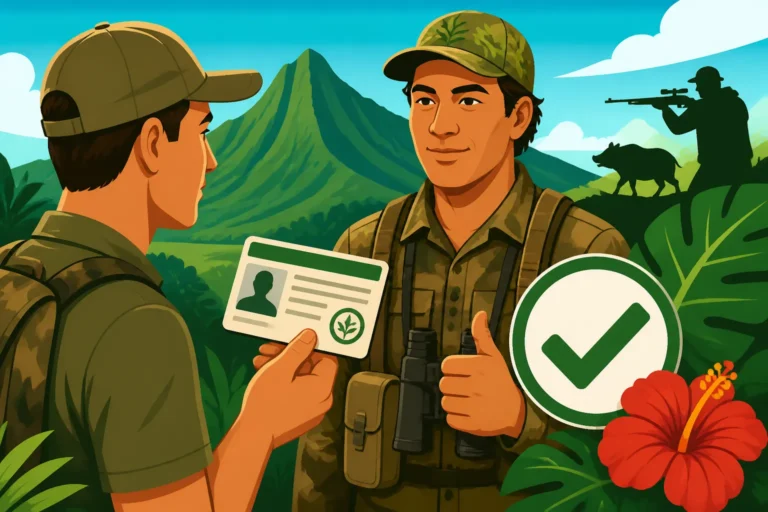
First and foremost, you've got to understand the legal landscape for youth hunting in Hawaii. This isn't just a suggestion; it's a requirement that can make or break your trip. Hawaii has specific age requirements and mandates for hunter education, which are designed to ensure safety and responsible hunting practices. For instance, generally, a child needs to be a certain age to participate in big game hunts, and they absolutely must complete a certified hunter education course. This course covers everything from firearm safety to wildlife identification and ethical hunting. If your child completed a hunter education course on the mainland, in many cases, Hawaii will honor that. However, you'll still need to provide proof, often through a certification card. It’s always best to check the most current regulations with the Hawaii Department of Land and Natural Resources (DLNR) Division of Forestry and Wildlife (DOFAW) or through resources like Hawaii Hunter Education Requirements. Don't assume anything; a quick call or a deep dive into the official website can save you a lot of headache later.
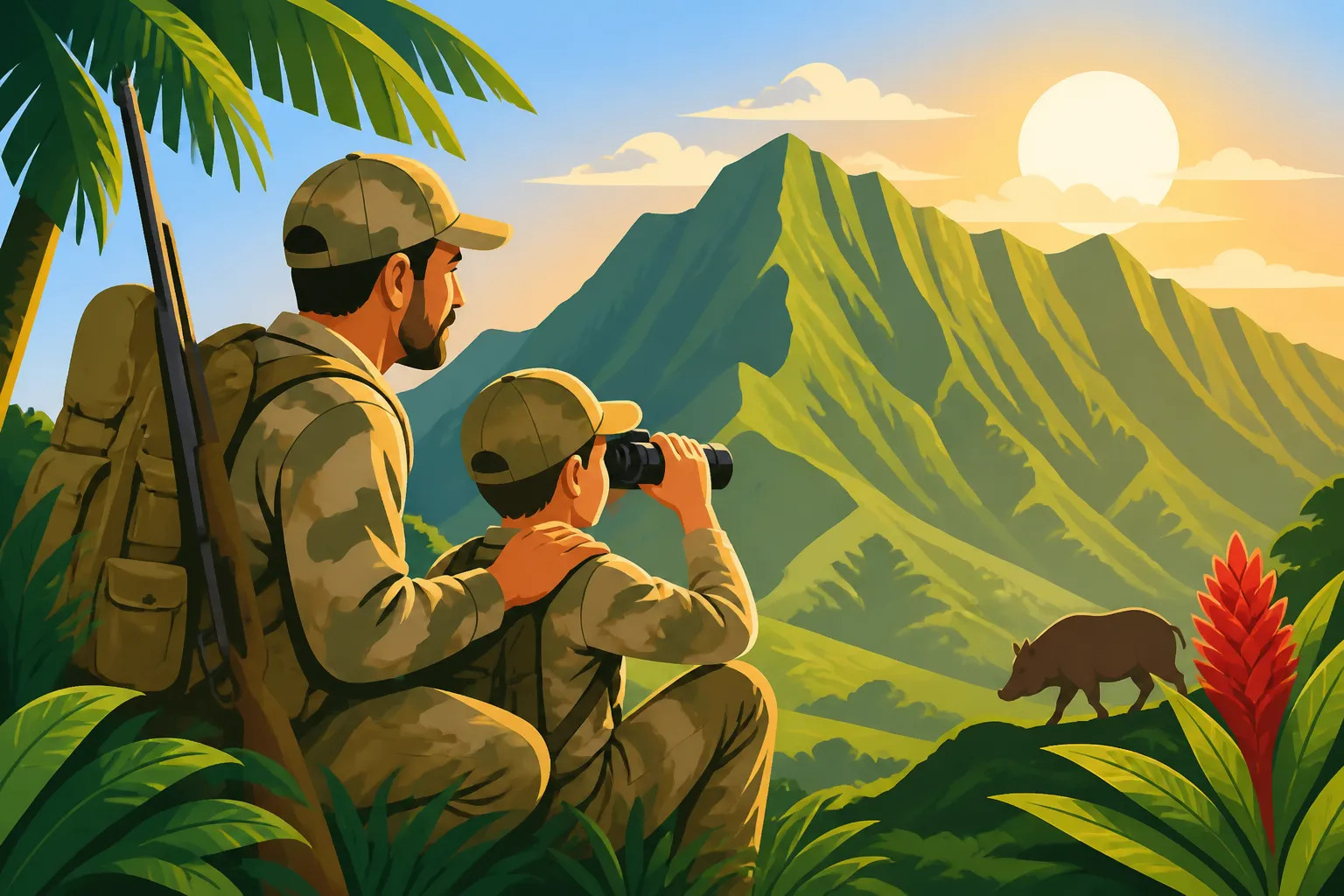
Beyond the formal education, there's the practical side of supervision. Hawaii mandates strict adult supervision rules for young hunters. This usually means the accompanying adult, who must also be a licensed hunter, needs to be in close proximity, actively supervising, and often, able to take control of the firearm if necessary. This isn't just about safety; it's also about mentorship. A father-child hunt is an incredible opportunity to instill patience, observation skills, and respect for the animals and the land. Imagine teaching your child how to Reading Pig Sign Along a Muddy Trail or how to Glassing Lanai's Open Ridgelines for deer. These are skills best learned side-by-side, with an experienced mentor.
Licensing, Stamps, and Permit-Tags for Junior Hunters
Once you're clear on the education and age requirements, the next hurdle is the licensing and permit system. Just like adults, junior hunters need the appropriate licenses and, depending on the island and species, specific permit-tags. You'll both need a valid Hawaii hunting license. For residents, the process is fairly straightforward, but for non-residents, it involves a bit more paperwork and often a different fee structure. Information on Hawaii Resident Hunting License Options and nonresident options is readily available.
In addition to the basic hunting license, you might also need a Hawaii Wildlife Conservation Stamp and, if you're planning on hunting birds, a Hawaii Game Bird Stamp. These stamps contribute to wildlife management and conservation efforts across the islands. For big game like axis deer, mouflon sheep, or goats, many units, particularly on islands like Lanai or Molokai, operate on a permit-tag system, often involving a lottery or a drawn hunt. It's crucial to understand How Hawaii's Permit-Tag System Works and if your chosen hunt requires one for your child. Some islands, like Oahu, generally don't require permit-tags for their public pig and goat hunts, but that can change. Imagine the disappointment of showing up ready to hunt only to find your child's paperwork isn't in order. It's far better to get this sorted well in advance, giving yourself ample time to navigate any unexpected hiccups. You can often start this process online through platforms like GoHunt, which can help streamline understanding the requirements.
Choosing the Right Adventure: Species, Terrain, and Outfitters
With the bureaucratic necessities handled, it's time for the fun part: deciding what kind of hunting adventure you and your child want to embark on. Hawaii offers a diverse range of opportunities, from challenging mountain hunts to coastal pursuits, but not all are equally suited for younger or less experienced hunters. The key is to balance ambition with realism, considering your child's physical capabilities, attention span, and overall interest.
Matching the Hunt to Your Child's Experience Level
Hawaii's hunting landscape is incredibly varied. You could be Hunting Hawaii's Volcanic Terrain for mouflon sheep on Mauna Kea, which is physically demanding with high altitudes and rough lava. Or you could be in a dense, wet rainforest Still-Hunting Pigs in Hawaii's Wet Forest, requiring stealth and patience. Neither of these might be ideal for a very young or easily fatigued child.
When considering a father and child hunt, think about what species and environment will offer the most positive experience. For younger children, a less physically demanding hunt, perhaps for feral pigs or goats in more accessible areas, might be a better fit. These animals are often plentiful and can provide more action, keeping a child engaged. A hunt that doesn't require a multi-day backpacking trip or extreme physical exertion would be wise. For a teenager with more experience and endurance, a spot-and-stalk axis deer hunt on Maui's drier leeward slopes might be incredibly rewarding.
Here's a general idea of species suitability:
| Game Species | Typical Terrain | Physical Demands | Child Suitability (General) |
|---|---|---|---|
| Feral Pig | Wet rainforest, dense gulches, open pastures | Moderate to High | Good for active kids, requires patience for still-hunting |
| Feral Goat | Sea cliffs, dry canyons, steep slopes | Moderate to High | Best for older, agile kids; safety is paramount |
| Axis Deer | Dry kiawe flats, open ridgelines, brush | Moderate | Good for patient kids, glassing can be engaging |
| Mouflon Sheep | High elevation lava flows, steep alpine | High (altitude, rough) | Best for fit teenagers, requires significant endurance |
| Black-Tailed Deer | Dense forest, steep terrain (Kauai) | Moderate to High | Good for older, patient kids; challenging cover |
| Game Birds | Open pastures, brushy hillsides, dry uplands | Low to Moderate | Excellent for all ages, often more action-packed |
For a first-timer or a younger child, a Hawaii Game Bird Hunting experience could be fantastic. There's often more shooting action, less sitting still for long periods, and it’s generally less physically taxing. Imagine the excitement of working a bird dog with your child and seeing a francolin flush!
Guided Versus Self-Guided: Weighing the Benefits for Families
This is often the biggest decision when planning a Hawaii hunt with kids. Should you go with a guided trip, or try to navigate the public lands on your own? Each option has its distinct pros and cons, particularly when a child is involved.
Guided Hunts:
For a father and child hunt, especially if it's your first time in Hawaii, a guided hunt often provides a much smoother, safer, and more educational experience. Guides know the land, the animals, and the regulations intimately. They handle access, transportation, and can significantly increase your chances of success. More importantly, they understand the nuances of hunting with younger individuals. Many outfitters offer Hawaii Youth and First-Timer Guided Hunts, tailoring the pace and expectations to suit a child. They can often provide a rifle and ammunition, simplifying your travel logistics. This can be a huge relief, as Traveling to Hawaii for a Hunt with firearms has its own set of rules and complications. A good guide will focus on the experience, helping your child learn to track, identify sign, and make ethical decisions. You can often find reputable guides through platforms like BookYourHunt, which lists various outfitters and their specialties, sometimes even noting if they cater to family groups.
Pros of Guided Hunts:
- Local expertise and increased success rates.
- Logistics handled (transport, access, sometimes even gear).
- Focus on teaching and mentorship for your child.
- Safety in unfamiliar terrain.
- Can be less physically demanding as guides know efficient routes.
Cons of Guided Hunts:
- Higher cost.
- Less flexibility in planning.
- May feel less like a "rugged adventure" for some.
Self-Guided Hunts:
For experienced hunters with children who are already comfortable in rugged terrain and have a good understanding of hunting ethics, a self-guided hunt can be incredibly rewarding. It offers ultimate flexibility and a sense of true adventure. However, it requires extensive research and preparation. You'll be responsible for all licenses, permits, scouting, navigation, and animal recovery. Scouting a Hawaii Hunting Unit Before Opening is crucial, and knowing the terrain is vital for safety, especially with a child in tow. Hunting Hawaii's Public Units often means dealing with challenging access, steep gulches, and unpredictable weather.
Pros of Self-Guided Hunts:
- More affordable (no guide fees).
- Complete control over itinerary and pace.
- Heightened sense of accomplishment.
- Opportunity for deeper self-reliance and outdoor skills teaching.
Cons of Self-Guided Hunts:
- Significantly more planning and research required.
- Lower success rates for first-timers in unfamiliar territory.
- Greater responsibility for safety and navigation.
- Challenges with meat care and packing out in Hawaii's heat.
Ultimately, for a father and child hunt, especially a first one in Hawaii, a guided experience often provides the best balance of safety, education, and enjoyment, reducing stress for both parent and child. If you're set on a self-guided adventure, consider a less complicated species like pigs or goats in accessible units on Oahu or Hawaii Island, where permit-tags are often less competitive.
Selecting an Outfitter That Welcomes Young Hunters
If you opt for a guided trip, not just any outfitter will do. It’s essential to find one that not only offers quality hunts but also genuinely welcomes and caters to young hunters. Some outfitters specialize in trophy hunting, which might not be the right atmosphere for a child's first hunt where the focus should be on the experience, not just the size of the animal. When you're Choosing the Right Hawaii Outfitter, look for guides who emphasize safety, education, and creating a memorable experience over solely harvesting a big animal. Ask direct questions:
- Do you have experience guiding children?
- What is your approach to youth hunts?
- Do you provide youth-friendly firearms or adjust the hunt's pace?
- What happens if my child gets tired or loses interest?
- Can we combine hunting with other family activities? (e.g., Combining a Hawaii Hunt With a Family Trip)
A good outfitter will be transparent and eager to discuss these points. They might even suggest specific hunt dates or locations that are historically better for action or easier terrain. Reading reviews is critical, paying special attention to feedback from other families or first-time hunters.
Beyond the Shot: Logistics, Expectations, and Memories
The hunt itself is just one part of the journey. For a father and child trip to Hawaii, especially, you need to think about the bigger picture: how to manage the logistics, set realistic expectations, and ensure the entire trip is enjoyable, regardless of hunting success. Hawaii is a magical place, and the hunting is just one facet of that magic.
Preparing for Hawaii's Unique Conditions with Kids
Hawaii's environment is stunning but can be challenging. You'll encounter dense vegetation, rugged lava fields, steep gulches, high humidity, and intense sun. These conditions can be tough for adults, let alone children. What to Pack for a Hawaii Hunt will be different than a hunt in colder climates. Think lightweight, breathable clothing, good quality hiking boots that can handle rough and wet terrain, plenty of water, and sun protection. For kids, this is even more critical. Dehydration and sunburn can quickly turn an exciting hunt into a miserable experience.
Physical fitness is also a consideration. Even on a guided hunt, you might be doing a fair amount of walking, sometimes uphill. Prepare your child by taking them on hikes leading up to the trip. Teach them about staying hydrated and recognizing signs of fatigue. And be realistic about their stamina. If your child is prone to getting tired, communicate this with your guide so they can plan accordingly. There's no shame in taking breaks or even calling it a day early if your child is struggling. The goal is to build positive memories, not push them to their breaking point.
Consider the heat and humidity when planning your hunt. Field Care in Hawaii's Heat and Humidity is a serious concern. If you are successful, getting meat cooled quickly is essential to prevent spoilage. Discuss this plan with your guide or research options thoroughly if self-guided.
Setting Realistic Expectations and Valuing the Experience
Perhaps the most important aspect of a father and child hunt is setting realistic expectations. Hunting, by its very nature, doesn't guarantee a harvest. Especially in Hawaii's public lands, success rates can vary wildly. The focus for a youth hunt should always be on the experience – the time spent together, learning about nature, observing wildlife, and developing skills – rather than solely on the kill.
Talk to your child beforehand about what hunting entails: patience, quiet observation, walking long distances, and the possibility of not seeing any animals. Emphasize that the adventure, the learning, and the time spent together are the real trophies. If a harvest happens, it's a bonus. This mindset prevents disappointment and ensures that even an unsuccessful hunt is still a memorable and positive experience. Think about the stories you'll share, sitting on a ridge with your child, glassing the landscape, even if no deer steps out. That's what they'll remember most.
Making the Trip More Than Just a Hunt
Hawaii is a world-class destination for so much more than hunting. While the hunt is the main event, consider building in other activities that appeal to your child. This ensures a well-rounded family vacation and provides downtime from the intensity of hunting. Maybe one day is hunting, the next is snorkeling or visiting a volcano. This can alleviate pressure and keep your child engaged throughout the trip.
Many outfitters offer multi-day packages that allow for flexibility, or you can simply plan other activities around your hunting days. Exploring a local beach, trying out surfing lessons, or visiting a historical site can provide a wonderful contrast to the ruggedness of the hunt and create a truly unforgettable family trip. Remember, you're not just booking a hunt; you're crafting an unforgettable adventure with your child in one of the most beautiful places on Earth. By preparing thoroughly, choosing wisely, and setting the right intentions, your father and child Hawaii hunt can be an incredible journey of discovery and connection.
Disclaimer
This article is for general informational purposes only and does not constitute professional advice. Laws, prices and regulations vary by location and change over time. Consult a qualified professional for guidance on your specific situation.