Using a Bird Dog in Hawaii Terrain
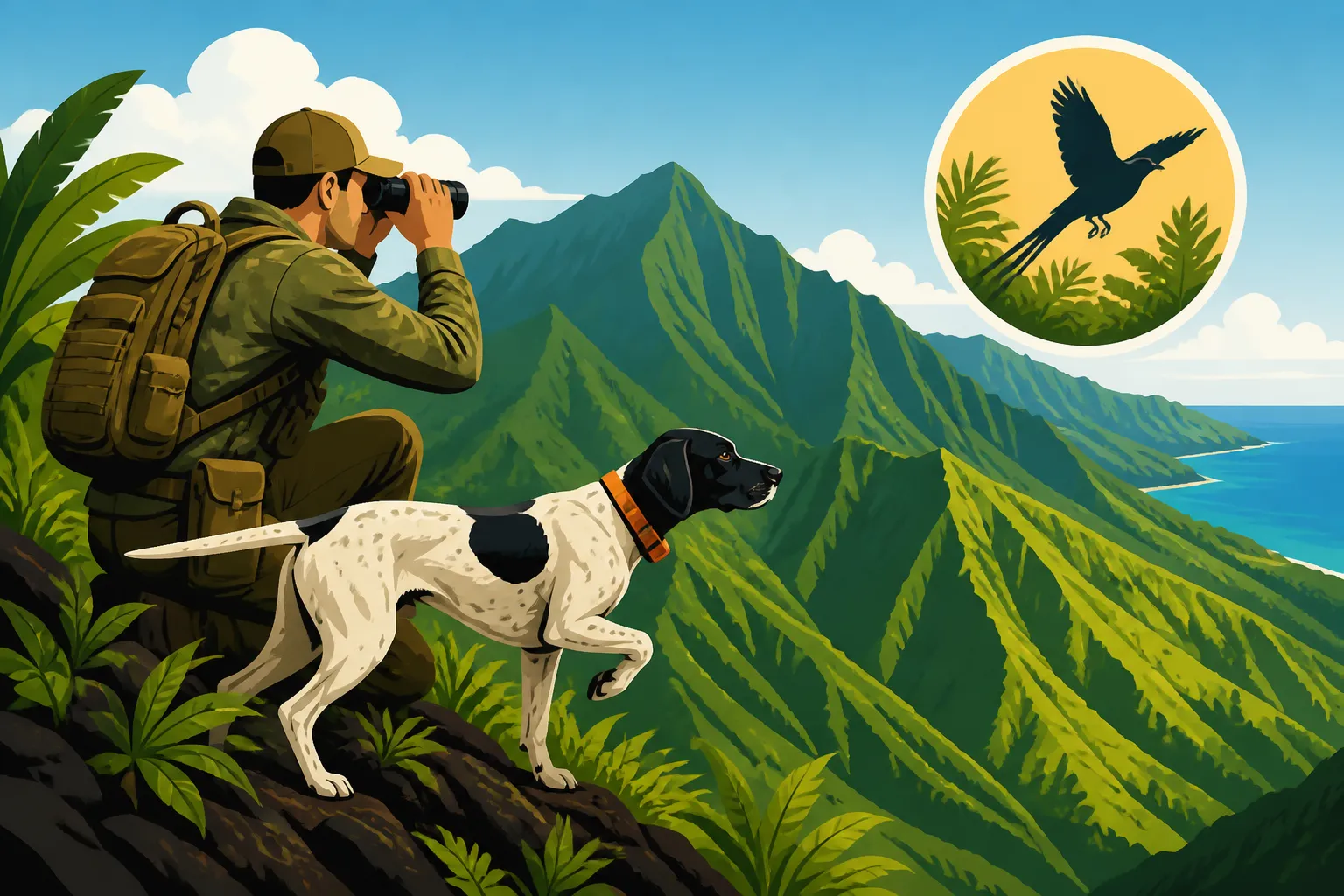
Hunting birds in Hawaii offers some truly unique challenges, and if you’re like many of us, you might be wondering how your trusty bird dog will fare in such an alien landscape. The truth is, Hawaii’s diverse and often brutal terrain, from razor-sharp lava fields to suffocatingly dense rainforests, can be incredibly tough on our canine companions, presenting issues you'd never dream of back home. This guide will walk you through everything you need to know about preparing your bird dog for the rigors of Hawaiian hunting, ensuring both your safety and your dog's success in these extraordinary environments.
Hawaii's Unique Bird Hunting Environments and Their Challenges for Dogs
Forget everything you know about pheasant fields or quail coveys back on the mainland. Hawaii is a whole different beast when it comes to bird hunting, and the terrain here will test your dog's endurance, agility, and perhaps even its sanity in ways you haven't encountered before. Understanding these environments is the first step in preparing your loyal hunting partner.
Thick Cover and Dense Vegetation
Hawaii's warm, wet climate means vegetation can grow incredibly thick and fast, creating nearly impenetrable cover that hides birds and swallows dogs whole. We're talking about thorny kiawe jungles on the dry leeward sides, where every step is a gamble against hidden spines, or vast expanses of strawberry guava and ʻōhiʻa forest that are so dense you can barely see five feet in front of you. This isn't just a physical challenge for your dog; it's a mental one. They'll be pushing through tangles, crawling under canopies, and constantly searching for scent in air that can often feel stagnant. It’s easy for a dog to get disoriented or snagged, not to mention the constant battle with burrs and seeds that cling to their coats and get lodged between their paw pads. This relentless pushing can quickly tire a dog that isn't conditioned for it, making them less effective and more prone to injury.
Volcanic Terrain and Lava Fields
The volcanic nature of many Hawaiian islands introduces a type of terrain unlike almost anywhere else. Picture acres of jagged, aʻa lava that can slice through even the toughest paw pads, or smoother but still abrasive pāhoehoe flows that hold heat like an oven. Hunting for birds like chukar or francolin in these areas, especially on the Big Island or Maui's dryer slopes, means your dog will be navigating a landscape that actively tries to shred their feet. This isn't just uncomfortable; it's genuinely dangerous. A deep cut on a paw pad can end a hunt in an instant and require serious veterinary attention. The ground temperature, especially on a sunny day, can also be scalding, causing burns to exposed skin. You'll need to think about how your dog's body can withstand this constant friction and heat, as a typical dog boot might not be enough to protect them from the relentless wear. For hunters aiming for something like Chukar Hunting Hawaii Island's High Country, this becomes a primary concern.
Wet and Humid Rainforests vs. Dry Kiawe Flats
Hawaii is a land of microclimates, and you can go from a dripping wet rainforest to an arid, dusty plain in a matter of miles. Each presents distinct challenges for your bird dog. In the wet, humid rainforests, like those found on the windward sides of many islands where feral pigs also thrive, scenting conditions can be tricky. The constant moisture can wash away scent trails or make them harder to discern, requiring your dog to work harder and more meticulously. Combine this with slippery mud, hidden roots, and potentially murky streams, and you have a recipe for fatigue and potential falls. Then, swing to the leeward side, and you're in dry, dusty kiawe flats or open grasslands, often hunting for doves. Here, the sun beats down relentlessly, and temperatures can soar. Water sources are scarce, and the dry air can quickly dehydrate your dog. The ground, while not always as sharp as lava, can be hard-packed and dusty, leading to cracked paw pads if not properly cared for. Hunting Francolin and Pheasant in Hawaii might take you through a mixture of these, while Dove Hunting on Hawaii Farm Ground will almost certainly keep you in drier, more open conditions. It’s a constant adaptation for your dog, and you need to be ready to support them through both extremes.
Training and Preparing Your Bird Dog for Hawaii's Specific Conditions
Getting your bird dog ready for a Hawaiian hunt isn't just about polishing their retrieves or steadying their point. It's about building resilience and preparing them for a truly unique physical and environmental test. This goes beyond basic obedience and delves into specific conditioning and care tailored to the islands.
Conditioning for Heat and Humidity
One of the biggest factors that catches mainland hunters and their dogs off guard is Hawaii's relentless heat and humidity. Your dog might be a powerhouse in crisp autumn weather, but a few hours in the Hawaiian sun, pushing through thick cover, can quickly lead to heat exhaustion or worse. You need to acclimate your dog slowly and steadily. Start with shorter, less intense training sessions during the coolest parts of the day – early morning or late evening. Gradually increase duration and intensity over weeks, or even months, if possible. Pay close attention to their breathing, tongue color, and overall demeanor. Bring plenty of water, not just for yourself, but for your dog. Consider electrolyte supplements if you're planning prolonged efforts. It’s also crucial to understand that different breeds handle heat differently; a short-nosed breed will struggle far more than a lanky, open-coated pointer. Always err on the side of caution. Remember, Water and Heat Planning for a Hawaii Hunt is paramount for both you and your canine partner.
Foot Care and Protection
Your dog's paws are their primary tool for navigating Hawaii's challenging terrain, and they are incredibly vulnerable. As mentioned, jagged lava, thorny kiawe, and abrasive coral can wreak havoc on unprotected pads. Dog boots are almost a necessity, but not just any boot will do. You'll want durable, well-fitting boots that can withstand serious abuse. Introduce them to your dog long before the hunt so they can get accustomed to walking and running in them. Make sure they don't rub or cause blisters. Even with boots, inspect your dog's paws regularly throughout the day for cuts, thorns, or signs of irritation. Carry paw salve or wax to prevent cracking and aid healing. Some hunters even apply tough, protective sprays to pads for an extra layer of defense. In case of injury, knowing how to clean and bandage a paw quickly can be a hunt-saver. Think about it – Walking Rough Lava Without Wrecking Your Boots applies to your dog just as much as it does to you.
Scenting in Diverse Conditions
Hawaii's varying atmospheric conditions, from torrential downpours to bone-dry air, mean scenting can be highly inconsistent. In damp, humid conditions, ground scent might be plentiful, but birds can hold tighter, making them harder to flush. In dry, windy conditions, scent can dissipate quickly, forcing your dog to work a wider area. Train your dog to adapt to these different scenting conditions. Practice in various weather types if you have access to similar environments. Encourage your dog to use both air scent and ground scent effectively. Some dogs excel in one over the other, but in Hawaii, versatility is key. You'll need to learn to read your dog's body language even more intently, recognizing subtle changes in their tail action or head carriage that indicate they're working a faint scent, rather than just waiting for that strong, obvious odor. This adaptability is crucial for hunting everything from kalij pheasant in wet forests to francolin in brushy uplands.
Essential Gear and Safety Considerations for Hunting with Dogs in Hawaii
When you’re bringing a bird dog to hunt in Hawaii, your gear list expands significantly, and safety becomes an even more critical component of your planning. The environment here is unforgiving, and being unprepared can lead to lost dogs or serious injuries.
GPS Collars and Tracking Devices
In Hawaii’s thick, often disorienting cover, a GPS collar is not a luxury; it's a necessity. Dense jungles, deep gulches, and volcanic terrain can quickly separate you from your dog, and without a reliable way to track them, a lost dog situation can become a nightmare. Brands like Garmin offer excellent GPS tracking collars that provide real-time location updates, often with mapping capabilities that show your dog's trail. Even if your dog is well-trained, a hot bird or a challenging flush can lead them further than anticipated, especially in areas where sight lines are limited to a few feet. These collars also provide invaluable data on how far your dog is ranging, how fast they’re moving, and how long they’ve been on point, helping you understand their performance and direct your own movements. While often discussed in the context of GPS Collars for Pig Dogs in Thick Cover, the principles and utility are identical for bird hunting in Hawaii's demanding environments.
Protective Vests and Boots
Beyond foot care, consider a protective vest for your bird dog. While not as common for bird dogs as for pig dogs, dense underbrush, sharp rocks, and even unexpected falls can cause abdominal or chest injuries. A lightweight, durable vest can offer a crucial layer of protection against scrapes, punctures, and thorns, especially if you're pushing through kiawe or heavy guava. As for boots, we touched on them earlier, but it bears repeating: invest in high-quality, durable dog boots and have spares. Get your dog used to wearing them long before the hunt, and check them frequently for wear and tear. A good set of boots can mean the difference between a full day of hunting and a trip-ending injury. Make sure they fit snugly but aren't too tight, preventing chafing or slippage.
First Aid and Emergency Preparedness
Your hunting first-aid kit should always include supplies for your dog. This means antiseptic wipes, gauze, vet wrap, small scissors, tweezers for thorns, and maybe even a dog-specific pain reliever or anti-inflammatory (consult your vet before using any medication). Know how to treat minor cuts, sprains, and scrapes. More importantly, know the signs of heat exhaustion and how to address it immediately: move your dog to shade, offer water, and cool them with wet cloths. Given Hawaii's often remote public hunting units, cell service can be spotty or non-existent (see No Cell Signal on a Hawaii Hunt). Have a plan for serious emergencies. Know the nearest veterinary clinic, and carry a map (not just your phone) of your hunting area. Even better, tell someone where you're going and when you expect to return. Always have more water than you think you'll need, and understand that Field Care in Hawaii's Heat and Humidity is critical from the moment you step out of the truck.
Working with Your Dog in the Field for Success
Even with the best training and gear, hunting with a bird dog in Hawaii requires a different approach in the field. Patience, observation, and adaptability are your most valuable assets.
Patience and Adaptability in Dense Cover
Hawaii's thick cover will challenge your patience. You won't always have those wide-open views of your dog quartering or pointing. They'll disappear and reappear, sometimes just a few feet away, sometimes much further. Resist the urge to constantly call them if you know they're working. Trust their training and nose. Use the GPS collar to monitor their progress and location. When they go on point, you might have to literally crawl through vegetation to get to them, or even try to flush the bird blind, relying on the sound of the flush to guide your shot. Be ready for short, explosive flushes rather than long, graceful flights. This applies whether you're stalking pheasants in a damp gulch or chasing chukar up a rocky slope. Remember that Hawaii Game Bird Hunting often takes place in exactly these challenging conditions.
Reading Your Dog's Signals
Because visual cues can be limited, you'll need to become an expert at reading your dog's subtle signals – not just their point, but their body language when they’re on scent. Is their tail twitching a certain way? Are their ears perked differently? Is their pace changing? Does their head suddenly snap up? These can be early indicators that they're close to a bird, even if you can't see them. The sound of their bells (if you use them) or their GPS collar's tone can also tell you if they've stopped or are moving through dense patches. Learn to distinguish between the sound of your dog working and the sound of them just wandering. Over time, you'll develop an almost telepathic understanding, which is especially important in Hawaii's visually obstructive terrain. The GoHunt platform can be useful for researching specific units and understanding the typical cover you'll encounter, helping you anticipate how your dog might react.
Retrieving in Difficult Areas
Retrieving a downed bird in Hawaii can be as challenging as finding it. A bird might fall into a thorny kiawe bush, disappear into a thick patch of ferns, or roll down a steep, rocky incline. Your dog needs to be absolutely rock-solid on their retrieve, even in the face of obstacles. Train them for blind retrieves in difficult cover. Practice retrieving objects from dense bushes, over small obstacles, or even from shallow water if you anticipate hunting near streams or ponds. Having a reliable retrieve saves time, prevents lost game, and minimizes the risk of your dog getting injured trying to find a bird in a dangerous spot. Always carry a small game bag or vest for your dog to ensure proper Field Care in Hawaii's Heat and Humidity for the bird as well, keeping it off the hot ground and away from potential insects.
Table: Bird Dog Considerations by Hawaii Terrain Type
| Terrain Type | Key Challenges for Dogs | Essential Dog Gear / Training Focus |
|---|---|---|
| Thick Vegetation | Entanglement, thorns, burrs, limited visibility, heat buildup | Protective vest, GPS collar, conditioning for endurance, obedience (whoa/recall) |
| Lava Fields | Abrasions, cuts, high ground temperature, instability | Durable dog boots (spares!), paw balm, heat conditioning, first aid (pads) |
| Wet Rainforest | Slippery footing, washed-out scent, humidity, mud, insects | Waterproof GPS collar, tick/mosquito repellent, scenting in damp conditions |
| Dry Kiawe Flats | Heat, dehydration, sharp thorns, dusty ground, scarce water | Ample water, cooling vest, durable boots, paw balm, heat conditioning |
| Steep Gulches | Falls, exertion, isolation, difficult retrieves | High endurance, GPS collar, good recall, safe climbing practice |
| High Elevations | Thin air, cold/wind (sometimes), rocky ground, sun exposure | Acclimation to altitude, insulating layers (if needed), sun protection, boots |
Final Thoughts on Hunting with Your Bird Dog in Hawaii
Bringing your bird dog to Hawaii for a hunt is an adventure unlike any other. It’s a chance to see your loyal companion perform in some of the most beautiful and challenging environments on earth. However, it’s not a trip to be taken lightly. Thorough preparation, appropriate gear, and a deep understanding of Hawaii’s unique terrain and climate are absolutely crucial for a successful and safe experience for both of you.
From navigating the jagged aʻa lava that calls for Hunting Hawaii's High Elevation Alpine Ground to pushing through the dense undergrowth for Hunting Hawaii's Game Bird Weekends, your bird dog will be an invaluable asset – provided they are conditioned, protected, and expertly managed. Remember to check local regulations concerning Hawaii Dog Hunting Rules and always prioritize your dog's well-being. A prepared hunter with a well-trained, well-equipped dog will undoubtedly create lasting memories in the incredible hunting grounds of Hawaii. Before you head out, make sure to consult the GoHunt Hawaii portal for the latest season dates, unit information, and check-in procedures, as rules and conditions can change. It’s also wise to review a comprehensive What to Pack for a Hawaii Hunt list, ensuring you haven't overlooked any essentials for yourself or your canine partner.
Disclaimer
Hunting in Hawaii involves inherent risks, including but not limited to challenging terrain, unpredictable weather, and encounters with wildlife. Always prioritize safety, adhere to all local and state regulations, and ensure you have the necessary licenses and permits. The information provided in this guide is for informational purposes only and should not replace professional advice, experienced guidance, or official regulations from the Hawaii Department of Land and Natural Resources (DLNR) Division of Forestry and Wildlife (DOFAW). Be prepared, be respectful, and hunt responsibly.