Protected Species Hawaii Hunters Must Know
Venturing out to hunt in Hawaii is an incredible privilege, offering unique opportunities to pursue game in some of the world's most breathtaking landscapes. But these same breathtaking landscapes are also home to an array of incredibly unique and often fragile native species, many of which are protected by state and federal law. It can be a real challenge to navigate unfamiliar terrain while also keeping an eye out for animals you can't harvest, and the consequences of a mistake can be severe. This guide aims to equip you with the knowledge needed to confidently identify and respect Hawaii's protected species, ensuring your hunt is both successful and responsible.
Why Protected Species Matter in Hawaii
Hawaii's isolation has led to the evolution of an astonishing array of plants and animals found nowhere else on Earth. This uniqueness, however, also makes them particularly vulnerable. When you step into a hunting unit in Hawaii, you're not just entering a landscape; you're entering a living laboratory of evolution, where every native species plays a critical role. Understanding and respecting these protected species is not just a legal obligation; it's a moral one for anyone who cherishes the outdoors.
Hawaii's Unique Biodiversity and Fragile Ecosystems
Imagine millions of years of evolution happening in isolation, free from many of the predators and diseases found on continents. That's Hawaii. Our islands are a hotspot of biodiversity, meaning there's an incredible variety of life here. However, this isolation also means many native species haven't developed defenses against introduced threats – whether that's an aggressive new plant outcompeting native flora, or a predator like a mongoose hunting birds that never learned to fear such a foe. Our ecosystems are delicate, interconnected webs, and the loss of even one species can have ripple effects throughout the entire environment. When you're in the field, whether you're stalking a pig through a wet forest or glassing for Axis deer on a dry slope, remember that you're moving through habitats that are literally irreplaceable. The dense ohia forests and high-elevation alpine grounds aren't just pretty backdrops; they're vital nurseries for species existing on the brink.
The Role of Endemic Species in Hawaiian Culture and Environment
Many of Hawaii's endemic species, meaning those found only here, are deeply intertwined with Hawaiian culture and traditions. The Nene, for instance, our state bird, is a powerful symbol of resilience and connection to the land. Certain native plants were used for medicine, food, or spiritual practices. Beyond their cultural significance, these species are essential for the health of the environment itself. Native trees create cloud forests that capture moisture, feeding our freshwater systems. Native insects pollinate specific plants, ensuring their survival. The continued presence of these species is a marker of a healthy Hawaiian landscape. Hunters often pride themselves on their connection to the land, and in Hawaii, that connection absolutely includes understanding and helping to protect these vital components of our natural heritage. It's about preserving the very essence of what makes Hawaii, Hawaii.
Hawaii's Iconic Protected Birds
When you're out hunting, especially in forested or coastal areas, birds are often the most noticeable protected species. Hawaii is famous for its unique avian life, and while you might be focused on Hawaii Game Bird Seasons and Bag Limits, it's crucial to know which feathered friends are off-limits and why. Many of these birds are critically endangered, making accidental encounters a serious concern.
The Nene Hawaiian Goose and Its Habitat
The Nene (pronounced "nay-nay") is perhaps the most recognizable of Hawaii's protected birds. It's the state bird, and truly a success story of conservation, though still federally protected. Unlike mainland geese, the Nene has semi-webbed feet, adapting it to walking on lava flows rather than extensive swimming. They are typically dark-faced, with a buff neck and distinctive black and white striped neck furrows. Their call is a soft "nay-nay" honk.
You'll most commonly find Nene on Maui and Hawaii Island, and to a lesser extent on Kauai. On Hawaii Island, they are frequently seen in the high-elevation pastures and volcanic landscapes around Mauna Kea and Mauna Loa, sometimes even near the Saddle Road. On Maui, they can be found in the dryland forests and ranch lands of the slopes of Haleakala. Their habitat often overlaps with areas where you might be hunting Mouflon sheep or Axis deer. If you're hunting Unit A on Mauna Kea, for example, or in the uplands of Haleakala, you must be vigilant. Nene nest on the ground, making their eggs and goslings particularly vulnerable to disturbance. If you see Nene, give them a wide berth. Remember, hunting near a Nene nesting area could not only disrupt the birds but also lead to severe penalties.
Forest Birds: Palila, 'I'iwi, 'Apapane, and More
Hawaii's native forest birds are some of the most spectacular, and also some of the most critically endangered. Many are small, brightly colored, and possess specialized beaks for feeding on specific native flowers or insects. The Palila, a yellow-headed finch, is found almost exclusively in the high-elevation mamane-naio forests on the slopes of Mauna Kea on Hawaii Island. This bird's survival is directly linked to the health of the mamane trees, whose pods provide its primary food source. Areas where you might be Hunting Mouflon on Hawaii's Highest Slopes are precisely where Palila live.
Other beautiful forest birds include the 'I'iwi, with its stunning scarlet plumage and long, curved bill adapted for nectar feeding, and the 'Apapane, a smaller, vibrant red bird common in ohia forests. While 'Apapane are more numerous, they are still a protected native species. These birds are often found in denser, wet forest units, particularly in areas like the Kaʻū Forest Reserve or the Hilo Forest Reserve on Hawaii Island, or parts of Maui's Upcountry Forest Reserves. Identifying them can be tricky, as they move quickly through the canopy. The key is knowing their habitat: if you're deep in a native forest, assume any small, brightly colored bird is a protected native and avoid disturbing it. Pay particular attention to the unique bird calls; learning a few common ones can be incredibly helpful for identifying species even when they're hidden by foliage.
Seabirds and Shorebirds: Crucial Coastal Inhabitants
Hawaii's coastlines and wetlands are critical habitats for a variety of protected seabirds and shorebirds. These are often overlooked by big game hunters, but if your hunting unit borders the ocean or includes wetlands, you need to be aware.
The ʻUaʻu (Hawaiian Petrel) and the Aʻo (Newell's Shearwater) are burrow-nesting seabirds that come to land only to breed, usually in remote, high-elevation areas like parts of Kauai. They are nocturnal on land, making them difficult to spot but still vulnerable to disturbance or predation by introduced animals. More commonly, hunters might encounter shorebirds in coastal or wetland areas. The Aeʻo (Hawaiian Stilt) is a striking bird with long pink legs and a slender black bill, often seen wading in shallow ponds or estuaries. The Kōlea (Pacific Golden-Plover) is a common migratory visitor that spends winters in Hawaii and is also protected.
If you're hunting along coastal cliffs for goats, or in marshy areas for game birds, keep an eye out for these species. Knowing the specific features – the length of legs, bill shape, and plumage patterns – can help you differentiate them from game birds. Remember, disturbing nests, especially those of ground-nesting shorebirds, is a serious offense. Always be mindful of your surroundings, especially when navigating a Hawaii gulch system or approaching a reservoir edge for doves. Your presence alone can impact these sensitive populations, so move quietly and observe from a distance.
Protected Marine Life and Coastal Hunting Zones
While hunting in Hawaii is generally land-based, many hunting units are close to the ocean, and some even encompass coastal areas. This brings a whole new set of protected species into play – marine animals. It's not uncommon for hunters to take a break by the ocean or traverse coastal paths, and in doing so, they might encounter some of Hawaii's most beloved (and protected) marine residents.
Hawaiian Monk Seals and Green Sea Turtles
The Hawaiian Monk Seal (`Ilio-holo-i-ka-uaua) is one of the most endangered marine mammals in the world, found only in the Hawaiian Islands. These beautiful, intelligent animals often haul out onto beaches, rocks, or even tide pools to rest, warm up, or give birth. They are easily recognizable by their large, dark eyes and their sleek, torpedo-shaped bodies, typically silver-gray on their back and lighter on their belly.
Similarly, the Hawaiian Green Sea Turtle (Honu) is another iconic and federally protected species. Honu are commonly seen foraging in nearshore waters, basking on beaches, or navigating reefs. They are large, dark green turtles, with a smooth shell.
If your hunting route takes you anywhere near the coastline, whether you're accessing a remote unit or enjoying a post-hunt cool-down, be incredibly vigilant for these animals. Monk seals and green sea turtles are known to frequent beaches across all the main Hawaiian islands. If you encounter either a monk seal or a green sea turtle, maintain a distance of at least 50 feet (15 meters). Do not approach them, touch them, feed them, or attempt to interact in any way. Harassment, injury, or killing of these animals carries extremely severe federal penalties, including hefty fines and imprisonment. Even seemingly benign actions like trying to get a closer photo can be considered harassment. If you see an injured or stranded animal, or witness harassment, immediately contact the NOAA Fisheries Stranding Hotline (1-888-256-9840) or the Hawaii Department of Land and Natural Resources (DLNR) enforcement hotline (643-DLNR). Your awareness could literally save a life.
The Impact of Coastal Development on Marine Species
It's not just direct interaction that can harm these species; our presence and activities in coastal hunting zones can have indirect impacts too. Many coastal areas are undergoing development, leading to habitat loss, increased runoff, and human disturbance. Hunters, by their very nature, are often accessing wilder, less developed stretches of coastline, making them important observers and stewards.
For instance, driving off-road vehicles in unauthorized coastal areas can damage dune systems that are critical nesting sites for certain seabirds or erosion control. Litter left behind can end up in the ocean, posing a threat to marine life that might ingest it. Even simply walking through sensitive coastal vegetation can cause damage. When you're near the ocean in a unit, think about the broader ecosystem. Consider carrying out more than you packed in, and be extra careful about where you step or drive.
The Department of Land and Natural Resources (DLNR) provides specific guidelines for behavior around protected marine life. Familiarize yourself with these before any coastal adventures. By understanding the fragility of these coastal environments and the specific needs of species like monk seals and green sea turtles, hunters can ensure their activities don't inadvertently contribute to the challenges these amazing creatures already face.
Rare Invertebrates, Plants, and Bats
While the large, charismatic mammals and birds often grab headlines, Hawaii's smaller and less visible protected species are just as critical, if not more so, to the health of our unique ecosystems. These often include tiny insects, rare snails, and even Hawaii's only native land mammal, the Hawaiian Hoary Bat. Hunters venturing into diverse habitats – from wet forests to dry lava country – need to be mindful of these subtle yet crucial components of the environment.
The Hawaiian Hoary Bat: Hawaii's Only Native Land Mammal
This is a fun fact that often surprises people: Hawaii's only native land mammal is the ʻŌpeʻapeʻa, or Hawaiian Hoary Bat. It's a federally and state endangered species, and while you're highly unlikely to "hunt" a bat, knowing about its presence is important for overall environmental awareness.
The Hawaiian Hoary Bat is a relatively small, reddish-brown bat with "frosted" or "hoary" fur, giving it its name. They are nocturnal and insectivorous, meaning they eat insects. They roost in trees, often camouflaged among the leaves. Their range extends across all major Hawaiian islands, from coastal areas to high-elevation forests, even in places like the Kona coffee belt or the dense forests of the Mauna Loa slopes.
For hunters, the primary concern isn't direct interaction, but awareness of their habitat. If you're hunting at dawn or dusk, especially in forested units, you might see them flitting about. Disturbing their roosting sites or damaging native forest trees they rely on for shelter and foraging could inadvertently impact them. When setting up camp, or navigating through dense cover, remember that the trees themselves are habitat. While it's nearly impossible to avoid every potential interaction with such a cryptic animal, simply knowing they exist and appreciating their place in the ecosystem is a step towards being a more responsible hunter. Always adhere to regulations regarding camping and tree cutting in public units.
Endangered Snails and Insects in Forested Areas
This might sound incredibly niche, but Hawaii's native land snails (like the iconic Kahuli, or tree snails) and a multitude of endemic insects are among the most endangered species on the planet. These small creatures often play vital roles in nutrient cycling, pollination, and decomposition, yet they are incredibly vulnerable to introduced predators (like rats, chameleons, and predatory snails) and habitat destruction.
Many of these endangered invertebrates live exclusively in specific micro-habitats within native forests, such as the undergrowth of an ohia and koa mix forest, or within the leaf litter of a fern gulch. These are often the same dense, undisturbed areas where hunters might be still-hunting pigs in Hawaii's wet forest or even Hunting Hawaii's Feral Pigs with dogs. The challenge here is identification; it's practically impossible for a hunter to identify every single rare snail or insect.
The best approach is to practice minimal impact hunting. Stay on established trails where possible, avoid unnecessary disturbance of native vegetation, and certainly don't collect any plant or animal specimens. If you find yourself in a pristine native forest, understand that every step could potentially impact a tiny, irreplaceable ecosystem. The bigger picture here is preserving the intactness of these critical native habitats, which benefits everything from forest birds to these minuscule, yet vital, invertebrates.
Protecting Native Flora: The Foundation of the Ecosystem
It's easy to focus solely on animals when discussing protected species, but native plants form the very foundation of Hawaii's unique ecosystems. Without the native plants, the birds, insects, and bats wouldn't have food or shelter. Many native plant species are also endangered or threatened, and they are protected by state and federal law.
These plants range from towering native trees like Koa and Ohia, which form the backbone of our forests, to delicate ferns, shrubs, and wildflowers. They might be found everywhere from Hunting Hawaii's High Elevation Alpine Ground to dry kiawe forest, depending on the species.
For hunters, protecting native flora involves several key aspects. First, avoid damaging native plants unnecessarily. This means being careful where you walk, drive, or set up camp. Don't cut or remove native trees or plants, even for firewood, unless explicitly permitted by unit rules. Secondly, be aware of invasive plant species. Many invasive plants, like strawberry guava or miconia, choke out native vegetation. While hunters often contribute to feral animal control, recognizing and understanding the threat of invasive plants is also crucial. By not inadvertently spreading their seeds (e.g., on boots or vehicles) and by supporting efforts to remove them, hunters can play a role in protecting the native plant communities that sustain all of Hawaii's unique wildlife. Remember that every hunting unit map from DOFAW will outline specific guidelines regarding vegetation, and it's essential to adhere to these rules.
Distinguishing Protected Species from Game Animals
This is where the rubber meets the road for hunters. In the heat of the moment, or when visibility is poor, distinguishing between a legal game animal and a protected species can be incredibly challenging. There are no "do-overs" when it comes to pulling the trigger, so having a solid understanding of identification is paramount.
Key Visual and Behavioral Differences
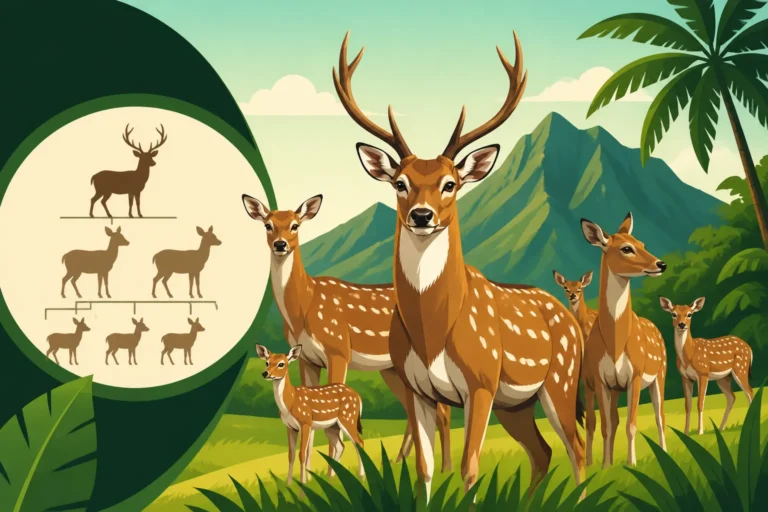
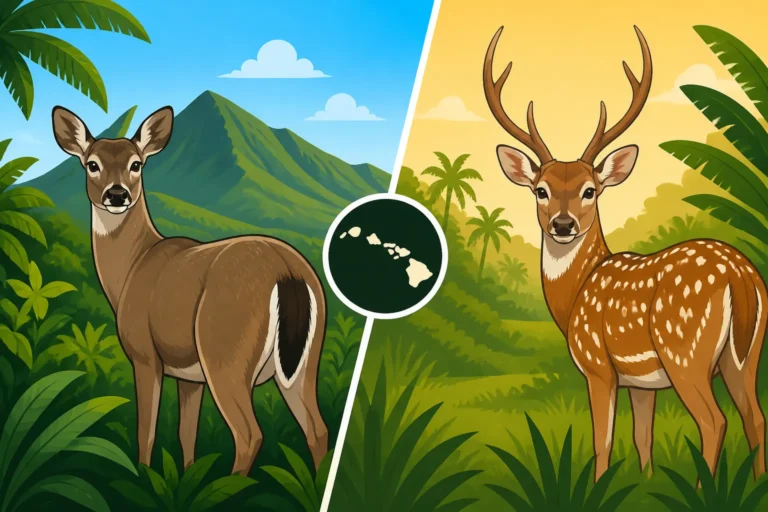
Hawaii's game animals – Axis deer, feral pigs, Mouflon sheep, feral goats, Black-tailed deer, and various game birds – generally have distinct characteristics that set them apart from protected species. However, context and conditions matter.
Mammals:
- Axis Deer, Feral Pigs, Mouflon Sheep, Feral Goats, Black-Tailed Deer: These are all medium to large ungulates (hoofed animals) or large feral mammals. They are generally much larger than any protected native land mammal (the Hawaiian Hoary Bat is tiny). The key is that there are no native deer, sheep, or large mammals in Hawaii. If it's a deer, pig, goat, or sheep, it's an introduced game animal. However, be cautious: some hunting units have restrictions on what type of game animal you can take (e.g., antlered bucks only, specific sexes for goats/sheep). Always check Hawaii Game Mammal Seasons and specific unit regulations.
- Hawaiian Monk Seal / Green Sea Turtle: These are marine animals. If you see them on land near the coast, they are protected. They are distinctly different from any game animal.
Birds:
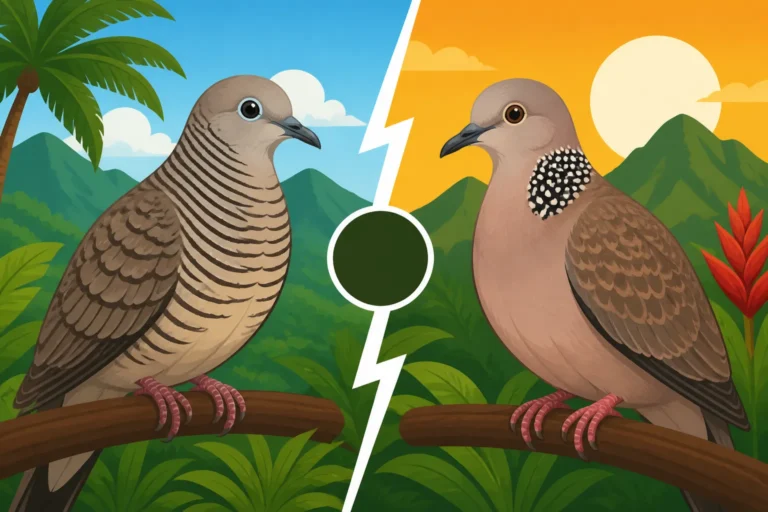
- Nene vs. Game Birds (Pheasants, Francolin, Chukar, Doves, Quail): Nene are geese, large-bodied, with the distinctive black and white striped neck. Their call is a soft "nay-nay." Game birds are generally smaller, often plump, and have very different calls and flight patterns. Pheasants and Francolin often flush explosively, while doves have a softer flight. Nene are more terrestrial and will usually walk or run away, or take a short, heavy flight. Pay attention to location too; Nene are often in open grasslands, lava fields, or pastures, while game birds might be in denser brush or agricultural areas. If you're in a Nene-prone area, err on the side of caution.
- Native Forest Birds vs. Game Birds: This is tougher. Native forest birds are often small, insectivorous or nectarivorous, and brightly colored (red, yellow, green). They typically stay high in the canopy or move rapidly through dense undergrowth. Game birds are ground-feeders or seed-eaters and are generally larger and more robust. If you see a small, vibrant bird deep in a native forest canopy, it's highly likely to be protected. Game birds like Kalij Pheasant or Ring-necked Pheasant are much larger and usually found on the forest floor or open edges.
- Native Shorebirds/Seabirds vs. Game Birds (Doves, Quail): Shorebirds like the Hawaiian Stilt have extremely long legs and thin bills, wading in shallow water. Golden-Plovers are medium-sized and typically found on open ground or short grass. Doves and quail are stout-bodied, short-legged birds. Their body shapes and typical habitats are very different.
A good rule of thumb: If you're not 100% sure, don't shoot. It's always better to let an animal walk than to mistakenly harvest a protected species.
Utilizing Maps and Local Knowledge for Awareness
Beyond visual identification, preparation is your best friend. Before heading into any Hawaii hunting unit, thoroughly review the official DOFAW (Department of Land and Natural Resources, Division of Forestry and Wildlife) maps and regulations. These resources often highlight areas where specific protected species are known to frequent or sensitive habitats exist. You can often find detailed information through platforms like GoHunt, which can help visualize unit boundaries and potential habitat overlays.
- Habitat Overlaps: Maps will show you elevation, vegetation types, and proximity to coastlines or wetlands. For instance, if a unit has high-elevation mamane forest on Mauna Kea, you should be acutely aware of the Palila. If it's coastal or has brackish ponds, prepare for Hawaiian Stilts or Monk Seals.
- Designated Protected Areas: Sometimes, smaller, specifically designated protected areas exist within or immediately adjacent to hunting units. These might be small reserves, bird sanctuaries, or areas closed for restoration. Always be aware of Hawaii's Fenced Conservation Area Closures and other boundaries.
- Local Knowledge: Talk to local hunters, DOFAW staff, or community members. They often have invaluable, real-time information about recent sightings, nesting areas, or unique behaviors of species in specific units. This is especially true for remote areas where you might be Walking In to a Remote Hawaii Unit and information is less readily available.
- Technology: Utilize mapping apps like OuterSpatial (which is used for check-in/out in many units) or onX Hunt to precisely locate yourself within a unit and identify specific features, ensuring you're not straying into restricted zones or sensitive habitats.
By combining detailed visual knowledge with thorough pre-hunt research and local insights, you significantly reduce the risk of an unfortunate encounter with a protected species.
Legal Ramifications and Ethical Hunting
Understanding protected species isn't just about good sportsmanship; it's about adhering to strict laws designed to prevent further loss of Hawaii's unique biodiversity. The legal penalties for harming protected species are severe, and ethical hunting demands that we uphold the highest standards of responsibility.
Penalties for Harming Protected Species
Hawaii's protected species are safeguarded by both state and federal laws, including the federal Endangered Species Act (ESA). Violations can lead to incredibly serious consequences that go far beyond a simple hunting fine.
- Federal Penalties: Under the ESA, it is illegal to "take" (harass, harm, pursue, hunt, shoot, wound, kill, trap, capture, or collect, or to attempt to engage in any such conduct) an endangered or threatened species. Penalties for violating the ESA can include:
- Civil fines: Up to $25,000 for each violation.
- Criminal fines: Up to $50,000 and/or imprisonment for up to one year.
- Forfeiture: Equipment (vehicles, firearms, etc.) used in the violation can be seized and forfeited.
- State Penalties: Hawaii's state laws also provide robust protection for native wildlife. Penalties vary depending on the specific species and the nature of the violation, but they can include:
- Substantial monetary fines: Often in the thousands of dollars.
- Imprisonment: For serious offenses.
- Suspension or revocation of hunting licenses: Not just in Hawaii, but potentially reciprocal agreements in other states.
- Seizure of equipment.
Imagine accidentally shooting a Nene, mistaking it for a game bird. The repercussions could be life-altering. You could face federal charges, lose your hunting privileges, incur massive fines, and potentially face jail time. This is not just a slap on the wrist. The legal system takes these violations extremely seriously because Hawaii's native species are irreplaceable and often on the brink of extinction. This is why strict adherence to Hawaii Blaze Orange and Safety Rules and target identification is not just about human safety, but also species safety.
The Hunter's Role as a Conservation Steward
True hunters are, by definition, conservationists. We value healthy wildlife populations and thriving ecosystems. In Hawaii, this ethos is amplified due to the extreme fragility of the native environment. Embracing the role of a conservation steward here means actively working to protect what's unique and vulnerable.
- Self-Policing: This means not just knowing the rules, but actively adhering to them, even when no one is watching. It's about exercising restraint and critical judgment in the field. If you have any doubt about the identity of an animal, do not take the shot.
- Respect for Habitat: Beyond not harming specific animals, it means respecting the habitat itself. Minimizing your footprint, packing out all trash (and then some), avoiding the spread of invasive species (cleaning boots and vehicles), and staying on designated paths helps maintain the integrity of sensitive areas.
- Ethical Conduct: An ethical hunter understands that their actions reflect on the entire hunting community. A single egregious error by one individual can cast a negative light on all hunters, potentially leading to increased regulations or even loss of access. By demonstrating responsible and respectful behavior, you help ensure hunting remains a legitimate and valued conservation tool in Hawaii. When you Checking In and Out of Hawaii Hunting Units, you're not just complying with regulations; you're acknowledging your responsibility to the land and its creatures.
- Educating Others: If you hunt with others, especially newer hunters, share your knowledge about protected species. Help them understand the importance of identification and the consequences of mistakes.
In Hawaii, being a hunter means being a vital part of the effort to protect our unique natural heritage. It's a heavy responsibility, but also an incredibly rewarding one.
How Hunters Can Contribute to Conservation
Hunting, when done responsibly, is widely recognized as a crucial tool for wildlife management and conservation. In Hawaii, this role is particularly important given the challenges posed by introduced game animals to native ecosystems. By actively engaging with conservation efforts, hunters can ensure their passion contributes positively to the islands' environmental health.
Reporting Sightings and Violations
One of the most direct ways hunters can contribute is by being vigilant observers and reporting what they see. You spend hours, sometimes days, deep in the field, often in remote areas where government officials rarely go. Your eyes and ears are invaluable.
- Reporting Protected Species Sightings: If you encounter a protected species in an unusual location, or observe one that appears injured, sick, or entangled, report it. For marine animals like monk seals or sea turtles, contact the NOAA Fisheries Stranding Hotline immediately (1-888-256-9840). For terrestrial species, contact DOFAW. These sightings can provide valuable data for biologists, helping them monitor populations, track movements, and respond to individual animal needs.
- Reporting Violations: This is perhaps the most critical. If you witness someone harassing a protected species, poaching, or engaging in any illegal activity, report it immediately to the Department of Land and Natural Resources (DLNR) enforcement hotline (643-DLNR). It can feel uncomfortable to report fellow outdoorsmen, but the reality is that illegal activities by a few individuals threaten the future of hunting and the survival of Hawaii's fragile native species. A responsible hunter has a moral obligation to report those who damage the resource we all cherish. Always try to gather as much detail as possible: date, time, location, description of individuals, vehicles, and the specific activity. Do not put yourself in danger to intervene directly.
- Harvest Reporting: While not directly about protected species, diligently Reporting Your Harvest in Hawaii for game animals provides crucial data to DOFAW. This data helps wildlife managers understand game populations, assess hunting pressure, and make informed decisions about season lengths and bag limits, which indirectly impacts the health of the entire ecosystem, including protected species. Accurate harvest data prevents overhunting of game and helps balance ungulate populations with the needs of native flora.
Participating in Habitat Restoration Efforts
Beyond reporting, hands-on involvement in habitat restoration is a powerful way for hunters to give back. Many of Hawaii's native habitats are under siege from invasive species, and efforts to restore them often rely on volunteer power.
- Invasive Species Removal: Feral pigs and goats, which are primary game animals in Hawaii, are major drivers of habitat degradation, as are invasive plants. By hunting these animals, you are already participating in a critical form of ecosystem restoration. However, you can go further. Many conservation groups and even DOFAW organize volunteer workdays focused on removing invasive plants like strawberry guava, miconia, or ginger from native forests. Participating in these efforts directly benefits native plants and the animals that rely on them, creating healthier habitats for all species. This also applies to areas where you might be Hunting Hawaii's Volcanic Terrain, where even seemingly barren lava flows can host unique native plant communities that need protection.
- Fencing Projects: One of the most effective tools for protecting native forests from ungulate damage is fencing. Numerous projects across the islands involve building and maintaining fences to exclude pigs and goats from critical watersheds and native plant communities. Volunteering for these projects, even for a day, can make a tangible difference. These fenced areas, often called Hunting Hawaii's Fenced Conservation Boundaries, are sanctuaries for native species and demonstrate a proactive approach to land management.
- Community Workdays: Keep an eye on local conservation organizations' websites and social media channels. Groups like The Nature Conservancy, Hawaii Audubon Society, and local watershed partnerships frequently post opportunities for community workdays. These events are not only great for conservation but also fantastic ways to connect with fellow outdoor enthusiasts and deepen your understanding of Hawaii's unique ecosystems.
By actively participating in these efforts, hunters reinforce their commitment to conservation, helping to preserve the very landscapes and wildlife that draw us to the outdoors in Hawaii.
Resources for Identification and Education
As a hunter in Hawaii, being well-informed isn't just a suggestion; it's a necessity. Luckily, there are a wealth of resources available to help you educate yourself about protected species, understand regulations, and become a more responsible steward of Hawaii's unique environment.
Official DOFAW Guidelines and Online Tools
The Hawaii Department of Land and Natural Resources (DLNR), specifically its Division of Forestry and Wildlife (DOFAW), is the primary authority for wildlife management and hunting regulations in the state. Their resources are indispensable for any hunter.
- Official Hunting Regulations: DOFAW publishes comprehensive hunting regulations annually, available both online and often in print at local offices. These documents detail Hawaii's Hunting Units and How They Work, season dates, bag limits, and specific rules for each island and unit. Crucially, they also include sections on protected species and general conduct in wildlife areas. Always review the most current regulations before each hunting season, as rules can change. You can usually find these on the DOFAW website.
- Unit Maps and Brochures: DOFAW provides detailed maps and informational brochures for many of its hunting units. These often highlight specific habitat types, potential hazards, and sometimes even known areas of protected species presence. Don't rely solely on third-party maps; consult the official DOFAW maps, which are definitive for legal boundaries and restrictions.
- DOFAW Website: The official DOFAW website is a treasure trove of information. Beyond regulations, you'll find sections dedicated to endangered species, conservation initiatives, and contact information for local branch offices. If you have specific questions about a unit or a species, don't hesitate to call your local DOFAW office. They are the experts and are there to help you hunt legally and safely.
- GoHunt & OuterSpatial: While not directly DOFAW, services like GoHunt offer digital platforms that integrate official DOFAW data, providing interactive maps and simplified access to regulations. Similarly, the OuterSpatial app is increasingly used for checking in and out of Hawaii hunting units and can provide real-time information and alerts. These digital tools can be incredibly helpful for navigation and staying within legal boundaries.
Field Guides, Apps, and Community Expertise
Beyond official government channels, a variety of other resources can bolster your knowledge and confidence in the field.
- Field Guides: Investing in a good field guide for Hawaiian birds, plants, and even marine life can be invaluable. Guides with clear photos, descriptions, and range maps can help you quickly identify what you're seeing. Look for guides specific to Hawaii, as mainland versions won't cover our unique endemic species. Popular choices include guides from Bishop Museum Press or Audubon Society. Carry a small, waterproof version in your pack.
- Smartphone Apps: There are numerous apps available for bird identification (like Merlin Bird ID) and plant identification (like Seek by iNaturalist). While not foolproof, these apps can be powerful tools for learning and confirming identifications in the field. Just remember to download relevant regional packs for offline use, as you'll often experience No Cell Signal on a Hawaii Hunt in many remote areas.
- Local Hunting Communities: Engage with local hunters, either in person or through online forums and social media groups. Experienced local hunters often have a wealth of practical knowledge about specific units, animal behavior, and protected species. They can offer tips on distinguishing between similar-looking species or point out areas where certain protected animals are frequently seen. Be respectful, listen more than you speak, and always verify information with official sources.
- Hunter Education: For those new to hunting in Hawaii, or even seasoned hunters from the mainland, completing a Hawaii Hunter Education course, even if not strictly required, can be incredibly beneficial. These courses cover local regulations, ethics, and often touch on protected species identification. Even if you've done similar courses elsewhere, Hawaii's unique context makes local education highly valuable.
By proactively utilizing these resources, you equip yourself with the knowledge and tools necessary to hunt responsibly, respect Hawaii's invaluable protected species, and contribute to the long-term health of our island ecosystems.
Disclaimer
The information provided in this guide is for general informational purposes only and is not a substitute for official hunting regulations or legal advice. Hunting rules and protected species statuses can change frequently. Always consult the most current Hawaii Department of Land and Natural Resources (DLNR) Division of Forestry and Wildlife (DOFAW) regulations and local laws before engaging in any hunting activities. Hunters are responsible for understanding and complying with all applicable federal, state, and local regulations.