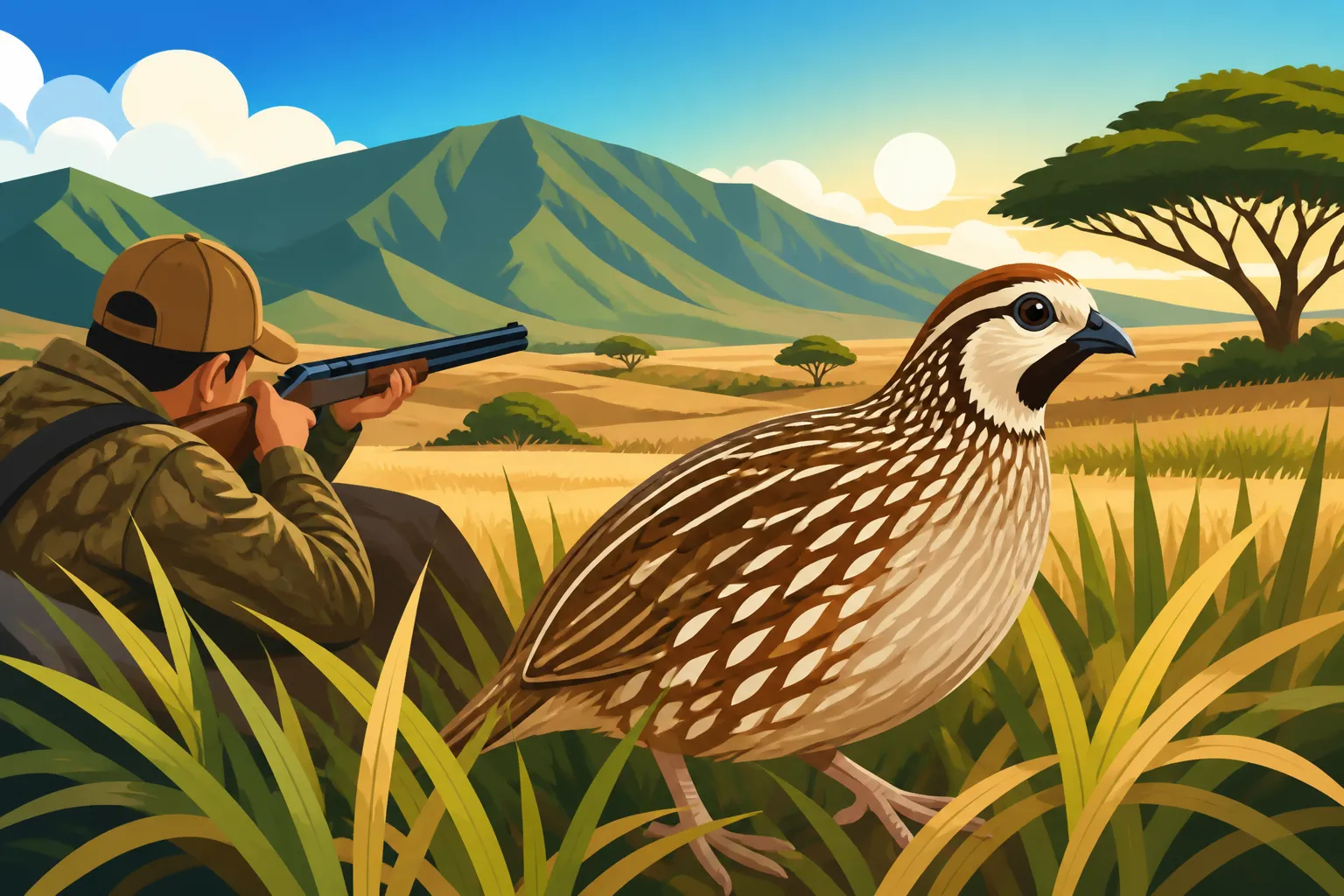
Japanese Quail on Open Ranch Land
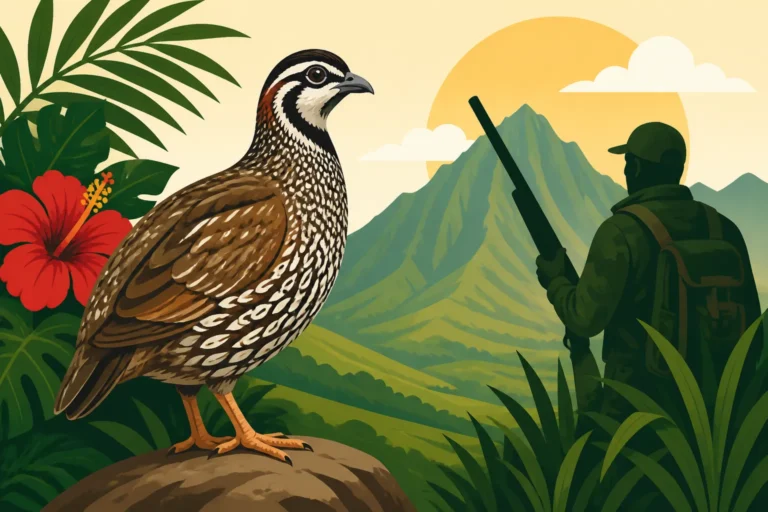
Many hunters who come to Hawaii dream of chasing the big game, but there's a quieter, often more challenging pursuit that can be incredibly rewarding: hunting Japanese Quail. If you've ever gazed across the vast, sun-drenched stretches of open ranch land in Hawaii, wondering where these quick, elusive little birds might be hiding, you're not alone. They can be incredibly tricky to find without the right knowledge. This guide is dedicated to helping you understand the unique world of Japanese Quail on Hawaii's open ranches, offering practical advice to help you locate, pursue, and successfully harvest these delightful game birds.
Understanding Japanese Quail Behavior on Open Ranch Land
Chasing Japanese Quail isn't just about walking around with a shotgun; it's about understanding the subtle rhythms and preferences of these small, hardy birds. On Hawaii's ranches, their survival hinges on a keen sense of routine and a masterful use of the landscape.
Their Daily Routines and Feeding Habits
Japanese Quail, like many upland game birds, are creatures of habit. They adhere to fairly predictable daily routines, especially concerning feeding and watering. On the expansive, often dry, open ranch lands of Hawaii, you won't typically find them lingering in barren, overgrazed pastures. Instead, they’ll be concentrated where food sources are plentiful and easily accessible. Think about areas where ranching activities might have disturbed the soil, creating pockets of emerging weeds and grasses that produce abundant seeds. The edges of actively grazed pastures, where grass might be slightly taller or mixed with beneficial weeds, are often prime foraging spots. Even around cattle feeders, where spilled grains and seeds can create an unexpected buffet, you might find quail gleaning a meal. They are primarily seed-eaters, showing a particular fondness for the small, nutritious seeds of various grasses and broadleaf weeds, but they won't pass up an opportunity to snatch up a small insect or two, especially during growth periods.
The most active feeding times for quail are typically in the early mornings, right after the sun begins to warm the land, and again in the late afternoons, before they settle down to roost for the night. This is your absolute prime window for encountering them moving out from denser cover to forage openly. During these times, coveys – small family groups that stick together for safety – are often more spread out as they feed, but always remain within earshot of each other.
When a covey is surprised or flushed, the experience is electrifying. They explode into the air with a characteristic whirring of wings, scattering in multiple directions. This sudden flush is designed to confuse predators, and it certainly works on hunters too! Pay close attention to their flight path; typically, they’ll fly a relatively short distance, often downhill or into the wind, and then drop abruptly into the nearest patch of concealing cover. They rarely fly long distances across completely open ground unless severely pressured. Knowing this helps you predict where they might re-group or hide, shifting your strategy from an endless, fruitless pursuit to a calculated re-engagement. It's not about chasing every bird, but understanding their immediate refuge.
Water is another absolutely critical element, particularly on the drier leeward sides of the islands where many ranches are located. While quail can derive some moisture from morning dew and their diet, a reliable water source is an undeniable magnet, especially during prolonged dry spells. Look for natural seeps, small man-made ponds, often dug for livestock, or even the spillover areas around cattle troughs. Even lingering puddles after a rare rain shower can become temporary hotspots for these birds. During the peak of the dry season, these watering points can concentrate birds significantly, making them incredibly valuable areas to scout. If you're hunting in particularly arid conditions, Hunting a Water Source in Dry Hawaii Country can be a tactic that pays off in spades for all game, including quail.
How They Utilize Cover for Safety
On the vast, often treeless or sparsely wooded expanses of Hawaiian ranch land, cover isn't just important for Japanese Quail; it's absolutely paramount for their survival. You'll rarely find these birds just sitting out in the middle of a perfectly manicured or heavily grazed pasture, exposed to the elements and myriad predators. Instead, they are masters of utilizing transitional zones and subtle landscape features. Their preferred hideouts are typically the edges where short, grazed grasses give way to taller, denser clumps of weeds, scattered brush piles, or even individual, low-lying kiawe or haole koa thickets. These types of cover provide crucial concealment from both aerial predators like native `io (Hawaiian Hawk) or introduced owls, and ground-level threats such as feral cats and the ubiquitous mongoose.
Don't underestimate the significance of small topographical variations. Even a slight depression in the land, a shallow gully that provides a visual break, or the lee side of a small rise can offer just enough cover to make a covey of quail feel secure. When these subtle terrain features are combined with some low-lying brush or a patch of taller grass, they become ideal sanctuary areas. Remember, Japanese Quail are small birds; what might appear to be minimal cover to a human hunter can serve as an impenetrable fortress in their world. They will burrow down into thick grass, using its density as their primary defense.
A key characteristic that hunters often exploit is the quail's tendency to "hold tight" in suitable cover rather than immediately running or flushing. When they sense danger, their first instinct is often to freeze, relying on their camouflage and the density of the vegetation to remain unseen. This behavior is precisely why a good bird dog is such an asset in quail hunting, as it can pinpoint these hidden birds through scent and force them to flush. Without a dog, you'll need to work potential cover very systematically and slowly, walking in a deliberate zig-zag pattern and literally stomping through every single likely patch of grass or brush. The more patiently and thoroughly you work the cover, the higher your chances of surprising a covey.
Key Habitat Features for Japanese Quail on Open Ranches
Identifying prime Japanese Quail habitat on Hawaii's open ranch lands involves understanding the intricate mosaic of vegetation and landscape features that cater to their specific needs for food, water, and safety. It's about reading the land and recognizing the subtle cues that scream "quail!"
Grasses, Weeds, and Scattered Brush
The success of a Japanese Quail hunt often hinges on your ability to interpret the diverse vegetation patterns found on Hawaiian ranches. These birds thrive in areas that offer a healthy mix of different plant types. While short, grazed pastures provide convenient feeding grounds, they absolutely require adjacent patches of taller, undisturbed grasses and a variety of weeds. These denser areas are vital for loafing during the heat of the day, roosting at night, and providing immediate escape cover from predators. As you scout, look for parts of the ranch that haven't been as intensely managed—perhaps along old fence lines, in the neglected corners of large fields, or in sections of the ranch that are deliberately left fallow. These areas often develop the perfect mix of dense undergrowth that quail cherish.
Specifically, seek out areas featuring both native and introduced grasses that are known to produce small, palatable seeds. Clumping grasses, even if they aren't exceedingly tall, offer exceptional ground-level protection. Mixed in with these, broad-leafed weeds not only add to the vegetative cover but also serve as a source of insects, which are an important dietary supplement for quail. While Hunting Francolin and Pheasant in Hawaii will often lead you to similar mixed-cover habitats, remember that quail generally prefer areas with slightly less dense overhead canopy and more open ground movement within their cover than pheasants might.
Scattered brush, whether it's the thorny kiawe tree, invasive lantana thickets, or even coffee cherry bushes if you're exploring lands adjacent to a Hunting a Coffee Farm Boundary, provides essential overhead cover. This serves as critical thermal protection from the intense Hawaiian sun and also offers additional layers of concealment. These brushy areas are frequently used as quick escape routes and safe havens when birds are pressured or flushed. The most productive hunting grounds are almost always at the interface between these denser, brushy areas and the more open, grassy feeding grounds – this is classic quail country.
Water Sources and Edges
As previously highlighted, water is an irresistible magnet for Japanese Quail, particularly on the arid leeward sides of the islands where many ranches are established. Your focus shouldn't solely be on large, obvious ponds; even tiny, barely noticeable seeps, livestock troughs, or natural depressions that temporarily collect rainwater can be prime locations. Quail, like all living creatures, need to drink regularly, and they will not stray far from a reliable source of hydration, especially during the warmer midday hours. Identifying these vital water points is a cornerstone of effective quail hunting.
The "edges" of these water sources are just as crucial as the water itself. Look for areas where tall grasses, reeds, or muddy fringes provide perfect, low-lying cover for birds approaching to drink. These spots offer a sense of security during their vulnerable moments. Carefully walk these edges, diligently scanning for tell-tale signs of recent activity such as fresh tracks in the mud or distinctive quail droppings. Sometimes, the most effective strategy isn't to walk continuously, but to find a concealed vantage point near a known water source and patiently wait during the early morning or late afternoon hours for birds to arrive.
Furthermore, old, often neglected fence lines that have become overgrown with weeds and brush are invaluable. These linear features often connect different types of habitat – from open feeding areas to denser cover – and serve as safe travel corridors for quail navigating the otherwise exposed landscape. Systematically working these overgrown fence lines, particularly those that appear to lead directly to water sources or into more substantial cover patches, can be incredibly productive. These seemingly minor details in the ranch landscape are often the key to unlocking consistent quail encounters.
Effective Hunting Strategies for Japanese Quail
Successfully hunting Japanese Quail requires a blend of keen observation, systematic effort, and adaptability. Whether you're working with a seasoned bird dog or relying on your own two feet, having a well-thought-out strategy is crucial for these swift, camouflaged birds.
Systematic Walking and Flushing
When you're out on Hawaii's ranches without the benefit of a bird dog, a systematic approach to working the terrain becomes your most powerful tool. Don't fall into the trap of simply wandering aimlessly; that's a surefire way to miss birds and burn energy. Instead, visualize the area you intend to hunt as a grid, and commit to covering every square foot of promising cover thoroughly. Employ a deliberate zig-zag pattern, meticulously scrutinizing every patch of grass, clump of weeds, and bit of scattered brush. Vary your pace, taking deliberate, slow steps, pausing frequently, and then moving again. These momentary pauses often make a nervous, hidden bird decide its cover has been compromised and flush, giving you the critical second needed to react.
Concentrate your efforts on the habitat transitions we've already discussed: the blurred lines where short, grazed pastures meet taller, more secure weed patches, along the base of those scattered kiawe trees, and especially around the fringes of water sources. When you're walking, try your best to move into the wind if possible. This isn't just about masking your scent from the birds; it also helps you hear their distinctive, explosive "whirr" as they flush, giving you a valuable auditory cue.
You must be constantly ready to shoot. Japanese Quail are incredibly fast flyers, and their sudden flush can be startling, causing even experienced hunters to flinch. Keep your shotgun mounted, or at the very least, ready to shoulder instantly. For these small, quick birds, shot sizes like 7.5 or 8 are ideal, as they provide a dense pattern that maximizes your chances of connecting with a rapidly moving target. Always double-check the current Hawaii game bird regulations before heading out, as Hawaii Game Bird Seasons and Bag Limits can change, and you'll want to be sure about season dates and legal bag limits for Japanese Quail.
Utilizing a Good Bird Dog
For many upland bird enthusiasts, the quintessential experience of hunting Japanese Quail in Hawaii is inextricably linked to working over a well-trained bird dog. A good pointing or flushing dog doesn't just dramatically increase your chances of success; it elevates the entire hunting experience to a new level of enjoyment and efficiency. Pointers, with their uncanny ability to pick up scent, will freeze solid, indicating precisely where a bird is hidden, giving you ample time to walk in, prepare your shot, and mentally brace for the flush. Flushers, on the other hand, will methodically work through the cover, driving the birds into the air for you to take a shot.
On the expansive, sometimes daunting, open ranch lands, a dog's superior sense of smell and ability to cover ground effectively are invaluable assets. They can locate birds hunkered down in cover that a human hunter would almost certainly walk right past without ever knowing. Furthermore, dogs are exceptional at retrieving downed birds, preventing the frustrating loss of a harvested bird in thick grass or dense brush. If you're considering bringing your dog or hunting with a local guide who uses dogs, ensure your canine companion is well-conditioned for the often-hot and humid Hawaiian climate. Always carry plenty of water for both yourself and your dog, as dehydration can be a serious risk. For more tailored advice on this, Using a Bird Dog in Hawaii Terrain offers excellent specific insights.
When hunting with a dog, pay meticulous attention to their body language. A dog that starts getting "birdy"—perhaps its tail begins to wag faster, its nose is glued to the ground, or its pace becomes more deliberate and focused—is signaling that birds are very close. This is your cue to get ready. The harmony between hunter and dog, with the dog's instincts guiding the hunter, is one of the purest forms of hunting satisfaction. Good training and obedience are absolutely essential, ensuring a safer and more productive hunt for everyone involved.
Scouting and Access Considerations
Effective preparation for Japanese Quail hunting begins long before you ever step foot in the field with a shotgun. Never underestimate the immense value of thorough scouting. Dedicate time, ideally a few days or weeks before your actual hunt, to drive or walk (always with explicit permission from the landowner or manager) the ranch land. Your goal is to identify those prime quail habitats we’ve discussed: the perfect blend of mixed grasses, scattered brush, and reliable water sources. Binoculars are invaluable for scanning distant terrain, spotting subtle changes in vegetation, or even observing bird movement from a discreet distance. Look for the "sign" of quail, such as dusting bowls, small tracks in soft earth, or concentrations of droppings, particularly around watering points.
Access to private ranch land in Hawaii often requires a proactive approach. Many ranches operate under strict private property rules, so obtaining explicit permission from the landowner, manager, or a designated representative is non-negotiable. Some ranches might offer guided hunts as a service, while others may grant access for a negotiated fee or under specific, agreed-upon conditions. It’s imperative to always treat private property with the utmost respect, ensure all gates are closed behind you, and practice leave-no-trace ethics. For hunting on public lands, the Hawaii Division of Forestry and Wildlife (DOFAW) website, or the GoHunt Hawaii online portal, is your official source for available units, specific regulations, and crucial check-in/check-out procedures. Hunting Hawaii's Weekend and Holiday Hunting Rules can be particularly important for planning your trips.
Beyond habitat, consider the optimal time of day and year. Japanese Quail are typically most active and accessible during the cooler parts of the day—the early morning hours and late afternoon. During the peak of summer, when temperatures soar, they are much more likely to be concentrated tightly around the limited water sources. Conversely, periods of light rain can sometimes make birds hold tighter in cover, making them harder to flush but potentially easier for a dog to pin down. Heavy rain, however, can wash away scent, making dog work more challenging. Understanding these environmental variables allows you to plan your hunt for maximum effectiveness and enjoyment. For current season dates, always check Hawaii Game Bird Season Dates well in advance.
Responsible Hunting and Field Care
Hunting Japanese Quail in Hawaii is a privilege, and that privilege comes with significant responsibilities. Upholding ethical hunting practices, adhering to regulations, and ensuring proper field care of your harvest are critical for a sustainable and respectful experience.
Licensing and Regulations
Before you even begin to think about stepping onto Hawaiian ranch land with a shotgun, it is absolutely essential that you possess all the required licenses and stamps. In Hawaii, this means having a valid Hawaii Hunting License. For any game bird hunting, including Japanese Quail, you will also need a Hawaii Game Bird Stamp. These are annual requirements, and the good news is that they can often be conveniently purchased online through the GoHunt Hawaii portal or at various authorized vendors across the islands. For comprehensive details on purchasing and requirements, consult resources like Hawaii Resident Hunting License Options and Game Bird Stamp Cost and Who Needs It. Ensuring you are properly licensed is the first and most fundamental step to a legal and enjoyable hunt.
Always, without exception, be thoroughly aware of the specific season dates and bag limits that apply to Japanese Quail on the particular island where you plan to hunt. These regulations can vary significantly from one island to another, and what might be perfectly legal in one unit could be a violation in another. Ignorance of the rules is not an excuse and can lead to serious legal consequences. The official DOFAW website and the GoHunt platform are your authoritative sources for the most current and accurate regulations. It’s also wise to be aware of other species; for example, if you're hunting quail, you should also know The Chukar Daily Bag Limit if those birds are present, to avoid any mix-ups.
Above all, safety must be paramount. Always practice responsible firearm handling, ensuring your firearm is always pointed in a safe direction. Be absolutely certain of your target and, crucially, what lies beyond it, especially on working ranch lands where livestock or other people might be present. Never point a gun at anything you do not intend to shoot. While not always explicitly required for game bird hunting in Hawaii, wearing blaze orange is a highly recommended safety measure, particularly if you are hunting with a group or in an area where other hunters might be present. This simple step significantly increases your visibility to others.
Field Care and Transporting Your Harvest
Once you've had the thrilling experience of successfully harvesting a Japanese Quail, proper field care immediately becomes essential. This is especially true in Hawaii's often warm and humid climate, which can accelerate spoilage. While quail are small, their meat is delicate and will spoil quickly if not handled correctly. The best practice is to eviscerate the bird as soon as possible after the kill. This vital step helps to rapidly cool the carcass, slowing down bacterial growth.
Following evisceration, you’ll want to either pluck or skin the bird. While many culinary enthusiasts prefer to pluck quail for skin-on preparation, skinning is generally a much faster process in the field, which can be critical in warm weather. Immediately after cleaning, get the meat into a cooler packed generously with ice. A small, soft-sided cooler dedicated to your harvest is a must-have item for any Hawaii bird hunt. Keeping the meat consistently cool during your transport back home is vital for preserving its quality and flavor. Even for small game, the principles outlined in Cooling Meat Fast on a Hawaii Hunt are directly applicable and crucial for food safety.
When transporting your harvested game birds, it's important to keep them identifiable by species. Many regulations stipulate that a certain portion of the plumage, or even the entire head, must remain attached to the bird until it reaches your home or a designated processing facility. This allows game wardens to verify the species and ensure bag limits are being observed. Always double-check the specific rules regarding the transport of game birds in Hawaii to avoid any issues. The culmination of a responsible and successful hunt is the enjoyment of fresh, delicious Japanese Quail, a true taste of Hawaii's wild bounty.
Disclaimer
This article is for general informational purposes only and does not constitute professional advice. Laws, prices and regulations vary by location and change over time. Consult a qualified professional for guidance on your specific situation.