Hawaii’s Hoary Bat and What Hunters Should Know
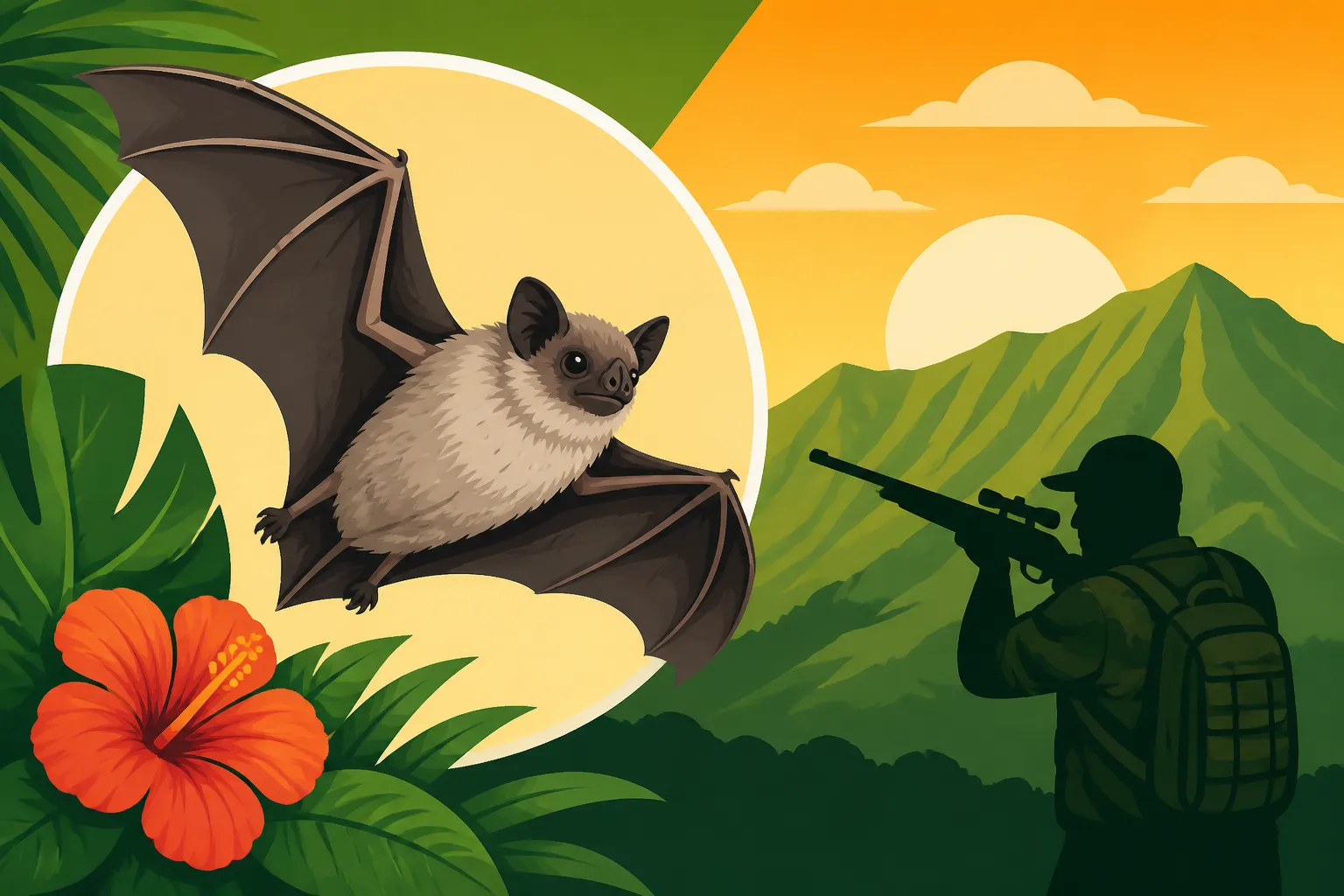
Navigating Hawaii's wild landscapes offers unparalleled hunting experiences, but it also means sharing the ʻāina with incredibly unique and often unseen creatures. One such resident, the Hawaiian Hoary Bat, or ʻōpeʻapeʻa, is Hawaii's only native terrestrial mammal and a federally endangered species. Hunters, moving through remote and forested areas, need to be keenly aware of this protected animal to ensure their activities don't inadvertently impact its survival. This guide will help you understand the ʻōpeʻapeʻa, its habitat, and practical steps you can take to be a responsible conservationist while pursuing game in the islands.
Understanding the Hawaiian Hoary Bat (ʻŌpeʻapeʻa)
The Hawaiian Hoary Bat is a truly special part of Hawaii's natural heritage, a nocturnal marvel that often goes unnoticed. For hunters who spend their days in the quiet solitude of the forest, learning about this creature is an important step in respecting the unique ecosystems we are privileged to share. It's not just about avoiding legal trouble; it's about being a good steward of the land.
A Native Mystery of the Hawaiian Night Sky
Imagine the vast Pacific Ocean, an immense barrier to land mammals. Yet, somehow, the ancestors of the Hawaiian Hoary Bat made the incredible journey, likely blown here by storms, and successfully colonized these remote islands. This makes the ʻōpeʻapeʻa incredibly unique—it's Hawaii's only native land mammal, a true testament to nature's resilience and adaptability. Unlike its mainland relatives, the Hawaiian Hoary Bat doesn't seem to undertake long-distance migrations between islands or to the mainland. Instead, it appears to move locally within its island home, seeking out food sources and safe roosting sites. Its rarity means that every individual bat is critically important to the survival of the species, making any disturbance a serious concern.
During your hunts, especially at dawn and dusk when light is low, you might glimpse a fast-moving shadow if you're lucky. These bats are sleek and powerful flyers, masters of the twilight. They’re called "hoary" due to the frosted appearance of their fur, a beautiful adaptation that helps them blend into tree bark. When you're in the deep forest waiting for pigs or deer, remember that you're sharing that space with a lineage that predates human arrival in Hawaii by millions of years.
Where ʻŌpeʻapeʻa Live and Roost
The ʻōpeʻapeʻa is quite adaptable when it comes to habitat, which is both a blessing and a challenge for conservation. They can be found from sea level up to high elevations, thriving in a variety of environments, including native forests, agricultural areas, and even suburban parks where there's an abundance of insects. This wide range means that nearly any hunting unit on any island where they're present could potentially harbor these bats. Hunters often traverse these very same areas, from the dense undergrowth of a Hunting Hawaii's Rainforest Units to the edges of Hunting Hawaii's Dry Leeward Country.
The critical element for bats, beyond food, is their roosting sites. Unlike cave-dwelling bats you might find on the mainland, Hawaiian Hoary Bats prefer to roost singly in trees. They'll hang camouflaged among the leaves, often near the ends of branches or tucked against the trunk, blending in perfectly with the bark and foliage. They are surprisingly well hidden, making them difficult to spot even when you know what you're looking for. This preference for tree roosting is where hunters need to be especially mindful. Walking through a thick stand of koa or ʻōhiʻa, or even resting under a large tree during your hunt, you could be unknowingly near a roosting bat.
What They Eat and Why It Matters
These bats are insectivores, meaning their diet consists entirely of insects. They are expert aerial predators, using echolocation to navigate and pinpoint their prey in the dark. Moths, beetles, mosquitoes, and other night-flying insects form the bulk of their diet. This feeding habit makes them incredibly valuable to Hawaii's ecosystems, as they play a natural role in controlling insect populations. Think about that during your early morning or late evening hunts; while you're focused on game, the ʻōpeʻapeʻa is busy above, keeping the insect world in check.
Their diet also ties directly into where they are most likely to be found. Areas rich in insects, like the edges of forests, open pastures where bugs swarm, or even around freshwater sources, are prime feeding grounds for these bats. Hunters often seek out these very same areas for game animals, which are also attracted to such environments. For example, a hunt near a Hunting a Reservoir Edge for Doves or a Hunting a Hawaii High Pasture at Last Light could put you in the vicinity of actively feeding bats. Understanding their feeding patterns helps us appreciate their ecological importance and reinforces the need for respectful coexistence in shared habitats.
Legal Protections and Conservation Efforts
The Hawaiian Hoary Bat isn't just a fascinating creature; it's a legally protected one, and for good reason. Its endangered status highlights the fragility of Hawaii's native ecosystems and the serious threats this unique mammal faces. As hunters, being informed about these protections isn't just about compliance; it's about being an active part of conservation.
The "Endangered" Status and What It Means
The ʻōpeʻapeʻa is listed as endangered under both the federal Endangered Species Act and Hawaii state law. This designation means it receives the highest level of protection available. It is illegal to "take" (which includes harass, harm, pursue, hunt, shoot, wound, kill, trap, capture, or collect) a Hawaiian Hoary Bat. This also extends to habitat modification that harms the species. The penalties for violating these protections can be severe, including substantial fines and even imprisonment. Ignorance of the law is generally not considered an excuse, which is why understanding the presence of this bat in Hawaii is so crucial for anyone spending time in its habitat.
For hunters, this means an elevated level of awareness is necessary. While you're certainly not hunting bats, your presence and activities in the field must be conducted in a way that avoids accidental harm or disturbance. This is especially true when considering the very real possibility of disturbing a bat from its roost or interfering with its feeding habits. The intent might not be malicious, but the outcome could still be detrimental to a species struggling for survival. This is part of the broader conversation about Protected Species Hawaii Hunters Must Know.
Conservation Challenges and Hunter's Role
The Hawaiian Hoary Bat faces numerous threats. Habitat loss due to development, invasive plant species altering native forests, and even vehicle collisions are significant concerns. Pesticide use can reduce their insect prey base, and the increasing presence of wind turbines poses a direct threat during their nocturnal flights. These challenges are complex, and many conservation efforts are underway to study the bats, protect their habitats, and mitigate threats.
As hunters, you play a vital, if sometimes indirect, role in conservation. By supporting ethical hunting and habitat management, you contribute to healthier ecosystems overall. Many of the same native forests and open areas that sustain game animals also provide essential habitat for the ʻōpeʻapeʻa. When you adhere to regulations, practice proper Field Care in Hawaii's Heat and Humidity, and respect the land, you are inherently contributing to a broader conservation ethic. Furthermore, understanding unit boundaries and specific area regulations—information often found on resources like GoHunt or through DOFAW—helps ensure that activities are confined to designated areas, protecting sensitive zones for all wildlife, including bats. Your responsible presence in the field, acting as extra eyes and ears, can also provide valuable information to wildlife agencies if you observe anything unusual.
Practical Advice for Hunters in Hoary Bat Territory
Knowing about the Hawaiian Hoary Bat is one thing; putting that knowledge into practice while you're focused on your hunt is another. The key is integrating awareness into your routine, making small adjustments that can have a big impact on avoiding accidental disturbance.
Timing Your Hunt: Avoiding Nocturnal Activity
The most fundamental piece of advice for avoiding conflict with ʻōpeʻapeʻa is to remember they are strictly nocturnal. While hunters often start their day well before dawn and stay out until dusk, these are precisely the times when bats are most active—either leaving their roosts for a night of hunting or returning to them as the sun rises.
During legal shooting hours for game mammals, which typically extend from 30 minutes before sunrise to 30 minutes after sunset, there's an overlap with bat activity. This means that as you’re walking in during the pre-dawn darkness or making your way out in the fading light of evening, you are most likely to encounter a bat in flight. While the chances of colliding with one are slim, simply being aware of their presence can guide your actions. Avoid excessive noise or disturbance in dense forest canopies during these transitional times. If you hear unexpected rustling or fluttering from a tree overhead, consider pausing and observing rather than rushing in, especially if you're approaching what might be a roosting area.
Roosting Sites: What to Look For and Avoid
Pinpointing an exact bat roost is incredibly difficult; these animals are masters of camouflage. However, you can develop a general awareness of what constitutes potential roosting habitat. ʻŌpeʻapeʻa tend to prefer tall, mature trees, often with rough or peeling bark, which provides good concealment. They might choose a single branch at the forest edge, or a spot deep within the canopy of a Hunting a Hawaii Koa Forest Edge or an Hunting an Ohia Forest Opening.
When moving through these types of areas, especially those with dense canopy cover, it’s wise to exercise a bit more caution. Avoid unnecessary loud shouting, banging on trees, or prolonged disturbances under large, old trees. If you plan to take a break or glass a hillside, try to choose a spot away from the densest parts of the canopy where a bat might be hidden. Remember, they are usually solitary roosts, so you won't typically find large colonies. The goal isn't to become a bat expert, but to simply be more mindful and aware of your surroundings, recognizing that these trees aren't just for birds or game animals.
Best Practices for Minimizing Impact
Beyond timing and being aware of roosting habitat, here are some actionable best practices for hunters:
- Stay on Established Trails and Roads: Where possible, sticking to designated trails or old ranch roads minimizes disturbance to vast swathes of forest. This limits your footprint and reduces the chance of stumbling upon an unseen roost. Many hunting units, like those accessed through Hunting Hawaii on Foot Without a Truck or Reaching a Hawaii Unit by 4WD Road, have these established paths.
- Minimize Noise and Light at Dawn/Dusk: While a headlamp is essential for safety, minimize its use when possible during twilight hours, especially if you hear or suspect bat activity. Keeping conversations low and movements quiet is always good hunting practice and also benefits the bats.
- Leave Snags and Dead Trees: Often, hunters and land managers clear dead trees. However, snags (dead or dying trees) can provide valuable habitat for a variety of wildlife, including insects that bats feed on, and potentially even roosting sites. Unless a snag poses a direct safety hazard, leaving them intact supports the broader ecosystem.
- Be Mindful of Forest Management: If you are involved in any private land hunting or habitat improvement projects, ensure that forest management activities consider bat habitat. Selective clearing, rather than widespread deforestation, is always preferable. Resources from organizations like GoHunt can sometimes provide additional context on broader land management goals within specific units.
- Plan Your Campsite Wisely: If you're camping in a hunting unit where it's permitted, choose your campsite away from dense forest canopies and tall, old trees. Opt for more open areas that still offer cover. This reduces the chance of disturbing a roosting bat throughout the night or when you pack up in the morning. Checking Camping Rules on Hawaii Public Land is always a good idea.
| Feature | Hawaiian Hoary Bat (ʻŌpeʻapeʻa) | Hunter's Consideration |
|---|---|---|
| Status | Federally & State Endangered | Illegal to harass, harm, or kill. Severe penalties. |
| Activity Pattern | Nocturnal | Most active at dawn/dusk, overlapping with hunter activity. |
| Habitat | Diverse: forests, agri, urban | Found across many hunting units, from coast to mountains. |
| Roosting | Solitary, in trees (foliage/bark) | Avoid disturbing tall, mature trees, especially at twilight. |
| Diet | Insects (moths, beetles, etc.) | Maintains healthy ecosystems; benefits from healthy forests. |
| Identification | Frosted fur, swift flight | Rare to spot, but be aware of quick, silent movements. |
| Conservation Role | Keystone insect predator | Responsible hunting supports overall ecosystem health. |
Reporting Sightings and Incidents
Encountering an ʻōpeʻapeʻa, especially an injured one, is a rare but significant event. Knowing what to do in such a situation is crucial for both the bat's welfare and to ensure you act within legal guidelines. Hunters often spend more time in remote areas than most, making them valuable eyes and ears for wildlife agencies.
When and How to Report a Bat Sighting
If you are fortunate enough to spot a healthy Hawaiian Hoary Bat in flight during legal hunting hours, or if you notice what you believe to be a roosting bat (without disturbing it, of course), reporting this information can be incredibly helpful to conservation efforts. Wildlife agencies like the Department of Land and Natural Resources (DLNR) Division of Forestry and Wildlife (DOFAW) rely on public observations to track populations, understand habitat use, and identify critical areas.
When reporting, try to gather as much detail as possible without interfering with the animal:
- Date and Time: When did you see it?
- Location: Be as specific as possible (GPS coordinates are ideal if you have them, otherwise detailed landmarks and unit numbers). Using tools like Using OuterSpatial Instead of a Paper Card can help you pinpoint your exact location.
- Behavior: Was it flying, roosting, or doing something else?
- Appearance: Any notable features?
Contacting the local DOFAW office on the island you are hunting is the best course of action. They have protocols in place for collecting this data and can guide you through the reporting process. This kind of data contributes to a broader understanding of Hawaii's unique wildlife, informing everything from specific Hawaii Game Mammal Seasons to general Hawaii Hunting Rules That Changed This Year.
What to Do if You Encounter an Injured or Deceased Bat
This is perhaps the most critical scenario for hunters. While highly unlikely, finding an injured or deceased Hawaiian Hoary Bat requires a very specific and careful response. Your primary responsibility is to not touch or disturb the animal. Bats can carry diseases, and handling a protected species, even with good intentions, can lead to legal complications.
Here’s what you should do:
- Do NOT Touch It: This is paramount. For your safety and the bat's, avoid direct contact.
- Document the Location: As with a sighting, get precise location details (GPS coordinates are best) and the date and time.
- Take Photos (from a distance): If you can safely take clear photos without disturbing the scene, this can be incredibly useful for identification and assessment by wildlife experts.
- Contact DOFAW Immediately: Use your cell phone if you have service (recognizing that No Cell Signal on a Hawaii Hunt is common in many remote units). If not, make a mental note and contact them as soon as you are in an area with service. Provide them with all the details.
- Do Not Attempt Rescue or Collection: Leave that to trained professionals. Your role is to report and protect the scene if possible without putting yourself or the animal at further risk.
By following these steps, you contribute directly to the recovery efforts for the Hawaiian Hoary Bat and uphold the principles of responsible hunting in Hawaii. You become an active participant in protecting the delicate balance of these incredible islands, ensuring that future generations can experience the thrill of the hunt alongside the wonders of native wildlife.
Disclaimer
This article is for general informational purposes only and does not constitute professional advice. Laws, prices and regulations vary by location and change over time. Consult a qualified professional for guidance on your specific situation.