Axis Deer Hunting in Hawaii
There’s something truly magical, yet incredibly challenging, about the thought of hunting Axis deer in Hawaii. Many mainland hunters dream of this unique experience, picturing the tropical backdrop, but often underestimate the complexities and realities of pursuing game on these islands. This comprehensive guide will walk you through everything you need to know, from understanding these beautiful animals to navigating the regulations, ensuring you’re well-prepared for an unforgettable Hawaiian Axis deer adventure.
Understanding Axis Deer in Hawaii: Biology and Behavior
Hunting Axis deer in Hawaii isn't just about bagging an animal; it's about understanding a species that has carved out a unique existence in a very different environment than its native India. Their biology and behavior here are distinct, and knowing these nuances is your first step toward a successful hunt.
A Brief History of Axis Deer in the Islands
Axis deer, also known as chital, were first introduced to Hawaii way back in 1867. A single buck and two does were gifted to King Kamehameha V by Hong Kong, destined for the island of Molokai. The idea was to establish a new game animal for sport and sustenance, a common practice in that era. These initial three animals thrived in Molokai’s mild climate and abundant forage, reproducing rapidly.
Over the decades, populations grew to such an extent that in 1959, some Molokai deer were transported to Maui, and later to Lanai. The deer found these new islands equally hospitable, with vast tracts of arid to semi-arid shrubland and grasslands mimicking parts of their native habitat. Unlike indigenous Hawaiian animals, which evolved without large terrestrial predators, Axis deer arrived perfectly equipped to survive and multiply, quickly establishing themselves as the dominant ungulate on these islands. Their rapid proliferation has, however, led to significant ecological challenges, contributing to erosion and impacting native plant species, which is why their management through hunting is so critical to the islands' delicate ecosystem.
Axis Deer Characteristics and Adaptations
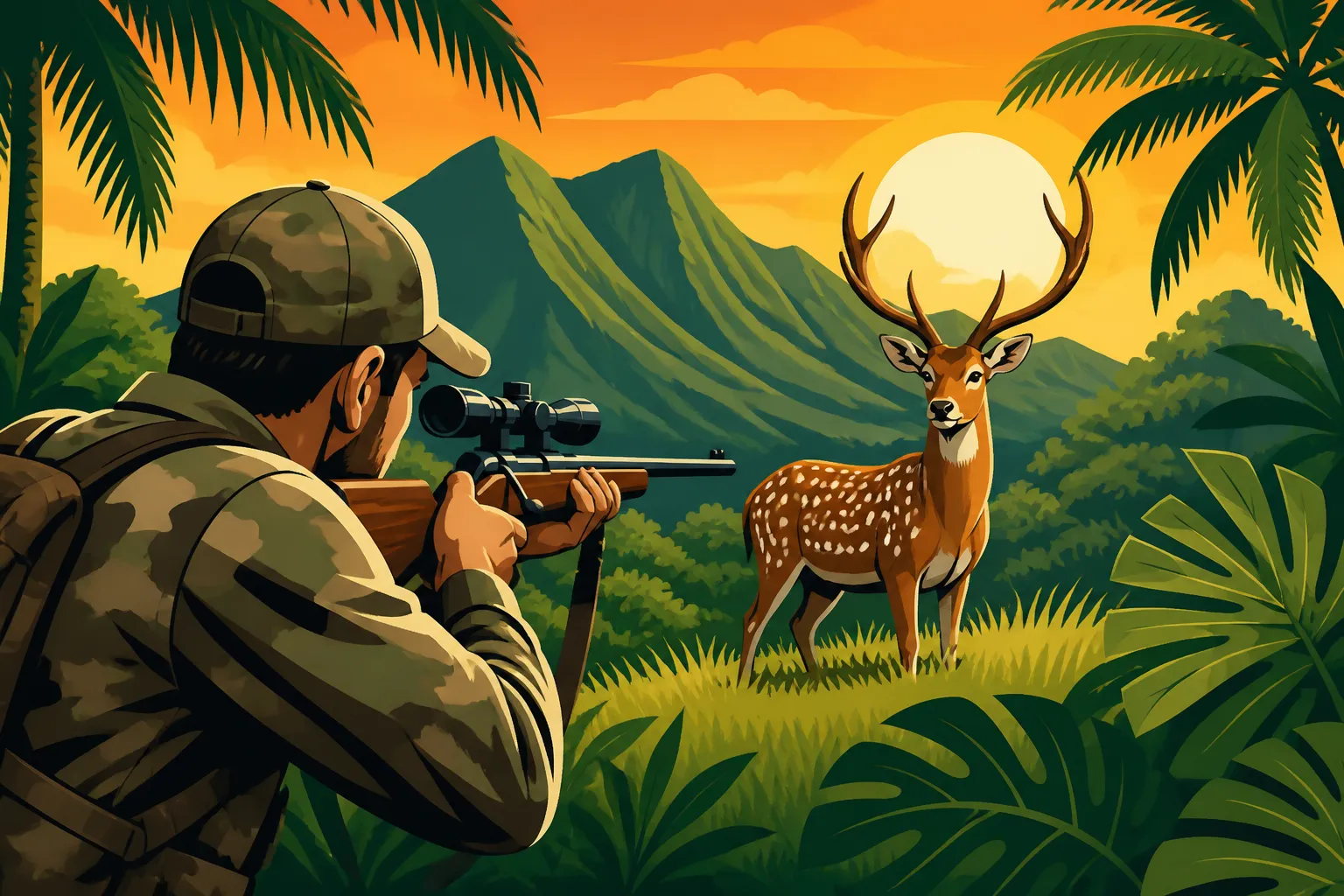
Axis deer are arguably one of the most strikingly beautiful deer species, instantly recognizable by their vibrant reddish-brown coat adorned with permanent white spots, a feature they retain throughout their lives, unlike many other deer that lose their spots as adults. This dappled pattern provides excellent camouflage in the sun-drenched, patchy cover of Hawaii's drylands. Adult bucks typically weigh between 150 to 200 pounds, though larger specimens can certainly be found, especially on islands like Molokai where they tend to grow bigger. If you're curious about the specifics, you might want to look into What a Hawaii Axis Buck Weighs. Does are considerably smaller, usually ranging from 90 to 120 pounds.
Beyond their looks, Axis deer possess remarkable adaptations that allow them to thrive in Hawaii's unique environments. They are highly vocal, often emitting loud alarm calls, barks, and even a distinctive "moo" sound, which can be a valuable tool for hunters. Their preference for open grasslands interspersed with kiawe and algaroba thickets means they are adept at both grazing and browsing. They are also highly social animals, often found in large herds, though mature bucks will often form bachelor groups or even be solitary outside of the rut. Their keen senses of smell, sight, and hearing are finely tuned, making them incredibly challenging to approach, especially in the relatively open terrain they frequent.
Rutting Behavior and Breeding Cycles
One of the most fascinating and challenging aspects of hunting Axis deer in Hawaii is their breeding cycle. Unlike most temperate deer species that have a distinct, seasonal rut, Axis deer in Hawaii can breed year-round. This means that at any given time, you can find bucks in velvet, hard horn, or even dropping their antlers. This phenomenon is largely attributed to the consistent tropical climate and continuous food sources available in Hawaii, which remove the seasonal pressures that dictate breeding in other regions. For a deeper dive, check out Why Axis Deer Rut Timing Is Different.
This year-round rut presents both opportunities and challenges for hunters. On one hand, you don't have to plan your hunt around a narrow rut window, as there's always a chance to encounter an actively breeding buck. On the other hand, it means there isn't a single "best" time to hunt a hard-horned, mature buck. You'll often see bucks with fully developed antlers alongside those still growing, and even those that have recently dropped their racks, as Axis Deer Antlers Drop Year-Round. This continuous cycle requires hunters to be adaptable and ready for any stage of antler growth, making trophy assessment a truly dynamic part of the hunt.
Where to Hunt Axis Deer in Hawaii: Key Islands and Units
When you picture hunting Axis deer in Hawaii, you’re likely thinking of three main islands: Maui, Lanai, and Molokai. Each offers a distinct experience, with its own unique regulations, terrain, and challenges. Deciding where to hunt is often the first big decision.
Maui: The Axis Deer Stronghold
Maui is often considered the epicenter of Axis deer hunting in Hawaii, boasting the largest population of these animals. While exact numbers fluctuate, there are estimates suggesting tens of thousands of Axis deer roam Maui’s central and leeward slopes. This abundance means more opportunities for hunters, with some areas offering Maui's Year-Round Axis Deer Units. The primary public hunting grounds are concentrated on the leeward slopes of Haleakala, particularly within the Kahikinui and Polipoli Spring State Recreation Area regions. These areas feature a mosaic of open grasslands, dense kiawe thickets, and higher elevation forest reserves, presenting a diverse and often rugged landscape to navigate.
Access to Maui’s public hunting units can be challenging, often requiring a 4WD vehicle to traverse rough, unpaved roads. The terrain varies dramatically from hot, arid coastal plains to cooler, misty upcountry forests. Hunters here need to be prepared for long walks, steep climbs, and intense sun exposure. While the sheer numbers of deer are a major draw, hunting pressure can be significant, especially on weekends and during peak seasons. Many hunters also seek opportunities on private ranch lands, which often require booking through an outfitter, offering a more managed and potentially less crowded experience. Understanding How Many Axis Deer Maui Holds can really set your expectations for the population density you might encounter.
Lanai: The Drawn Hunt Experience
Lanai offers a truly unique and often coveted Axis deer hunting experience, primarily characterized by its lottery-based drawn hunts. This island is renowned for producing some of the largest-bodied and highest-scoring Axis bucks in Hawaii, making a successful draw a golden ticket for many hunters. The primary public hunting units, Unit 1 and Unit 2, encompass vast tracts of dryland forest and open plains, often covered in kiawe and ironwood trees. The draw system, which limits the number of hunters, helps maintain both the quality of the deer herd and the hunting experience.
Successfully drawing a tag for Hunting Lanai's Drawn Axis Deer Weekends is just the beginning. The application process can be competitive, and understanding How the Lanai Axis Deer Draw Works is crucial for anyone hoping to participate. Once on the island, hunters will find a landscape that demands physical fitness and keen glassing skills. The open country often means long-distance spotting and stalking, with limited cover for close approaches. Tags are typically for "either-sex," meaning you can harvest a buck or a doe, and understanding What One Either-Sex Tag Means on Lanai can help you plan your hunt strategy. While the rewards can be exceptional, hunting Lanai requires meticulous planning, from securing your permit to arranging transportation and accommodations on an island with limited services.
Molokai: The Big Buck Island
Molokai holds a special place in Hawaii's hunting lore as the island where Axis deer were first introduced, and it continues to be known for its large-bodied deer, including impressive bucks. While perhaps less populated than Maui, the deer on Molokai often grow to larger sizes, making it an attractive destination for trophy hunters. Hunting Molokai's Axis Deer Country usually involves traversing diverse terrain, from dry kiawe flats near the coast to steep, brushy slopes and forested valleys in the interior. The primary public hunting unit is Unit A, located on the western end of the island, characterized by its arid climate and sparse vegetation.
Access to Molokai’s hunting areas can be challenging. While public lands offer opportunities, many hunters also seek permission to hunt on the island's expansive private ranches. Getting Onto Molokai Private Land often involves contacting landowners directly or booking through one of the few local outfitters. This can provide access to less pressured areas and potentially better quality animals. The hunting experience on Molokai often feels more remote and less crowded than Maui, offering a true "backcountry" feel. Hunters should be prepared for rugged conditions, navigation challenges, and the potential for long hauls to retrieve game, especially when pursuing Hunting Molokai's Big-Bodied Axis Bucks.
Essential Gear and Preparations for an Axis Deer Hunt
Heading out for an Axis deer hunt in Hawaii isn't like a typical whitetail hunt back home. The terrain, climate, and overall logistics demand specific gear and careful preparation. Overlooking these details can quickly turn an exciting adventure into a frustrating ordeal.
Weaponry Choices for Axis Deer
When it comes to selecting your weapon for Axis deer, accuracy and ethical killing power are paramount. Axis deer are not enormous animals, but they are tough and can cover ground quickly, especially when wounded. For rifle hunters, common calibers like .270, .30-06, and .308 are excellent choices, offering a good balance of flat trajectory and energy. However, it's crucial to be aware of Hawaii's Legal Rifle Calibers for Big Game to ensure compliance. Shot placement is key, as the vitals on an Axis deer are relatively small, and a precise shot will help ensure a quick, humane harvest. Given the potential for longer shots in open Hawaiian country, a rifle capable of consistent accuracy out to 200-300 yards is highly recommended.
Bowhunters face a different set of challenges. Hawaii offers some fantastic Bowhunting Hawaii's Public Units for Axis deer, but it requires patience and skill to get within range of these wary animals. A compound bow with a draw weight of 50-70 pounds, paired with sharp, quality broadheads, is typically sufficient. Ensure your setup is capable of delivering at least 40-50 ft-lbs of kinetic energy for optimal penetration. Muzzleloader hunters also have opportunities, and it’s important to understand the specific rules and seasons for Muzzleloader Hunting in Hawaii. A .50 caliber or larger muzzleloader with a magnum primer is a solid choice. Regardless of your chosen weapon, extensive practice before your trip is non-negotiable. Knowing your effective range and consistently hitting your target under pressure will make all the difference.
Optics, Footwear, and Hydration
Hawaii’s diverse hunting landscapes demand top-tier gear, and nowhere is this more true than with your optics, footwear, and hydration strategy. Good quality binoculars (10×42 or 10×50 are ideal) are your most important tool for spotting Axis deer, which often blend seamlessly into the dry, scrubby terrain. In open areas like Lanai’s ridgelines, a spotting scope can be invaluable for Glassing Lanai's Open Ridgelines and judging animals from a distance without disturbing them. Look for optics with good low-light performance, as much of the deer movement occurs at dawn and dusk.
Your feet will take a beating in Hawaii’s rugged and varied terrain. From sharp lava rock to thorny kiawe flats and steep, often loose, volcanic soil, durable and supportive boots are essential. Opt for sturdy, waterproof hiking boots with good ankle support and aggressive tread. Brands like Kenetrek or Crispi are popular for their durability and comfort in demanding conditions. Equally, if not more, critical is your hydration plan. Hawaii's heat and humidity, even in dry areas, can quickly lead to dehydration. Always carry more water than you think you’ll need – at least 3-4 liters for a day hunt. Electrolyte supplements are also a good idea. Understanding Water and Heat Planning for a Hawaii Hunt is crucial not just for comfort, but for safety in the field.
Field Care and Meat Preservation
The tropical climate of Hawaii poses a significant challenge for field care and meat preservation. Unlike colder climates where you might have hours to process an animal, the heat and humidity on the islands can spoil meat incredibly fast. This means immediate and thorough field dressing is absolutely critical. As soon as an Axis deer is down, you need to begin the process of gutting it to allow the carcass to cool internally. If you’re not planning to pack it out whole, skinning the animal in the field can further aid in cooling by allowing air to circulate.
After field dressing, the priority is Cooling Meat Fast on a Hawaii Hunt. If you have a long pack out, especially in warm weather, consider quartering the animal and placing the meat in game bags designed for breathability. Carrying a portable cooler with ice, or planning to meet a support vehicle quickly, can make a huge difference. Some hunters even carry small bags of ice to put inside the body cavity if the haul is particularly long or the weather excessively hot. Once back at camp or your vehicle, get the meat into a chilled cooler as soon as possible. Processing plants are available on the main hunting islands, but knowing your plan for processing and storage before you hunt is crucial to avoid losing precious venison to the heat. For detailed steps, consider reading up on Field Dressing Axis Deer in Hawaii Heat.
Hunting Strategies and Tactics for Axis Deer
Axis deer are known for their keen senses and wary nature, making them a formidable adversary. Successfully hunting them in Hawaii often comes down to employing smart strategies that capitalize on their behavior and the unique island environments.
Spot-and-Stalk in Open Country
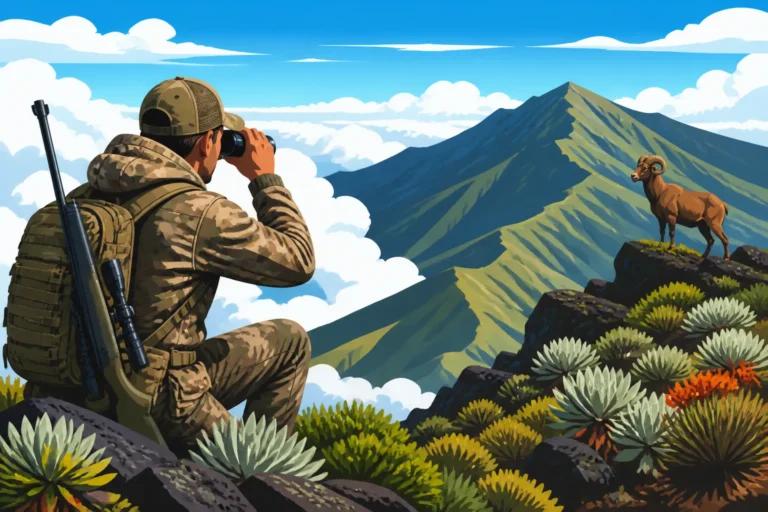
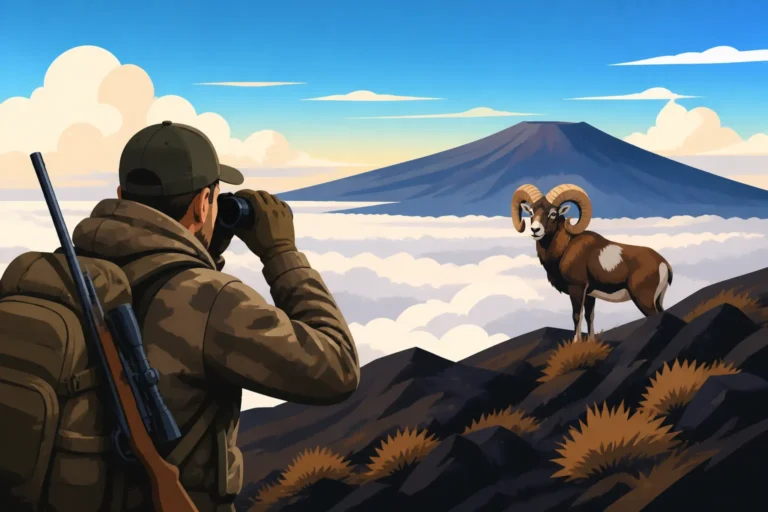
The vast majority of Axis deer hunting in Hawaii, particularly on islands like Lanai and the drier slopes of Maui and Molokai, revolves around the spot-and-stalk method. This tactic is highly effective in the open, broken country where Axis deer prefer to feed and bed. It begins with extensive glassing from a high vantage point, using quality binoculars or a spotting scope to locate deer, often at first light when they are most active. You're not just looking for deer, but also for specific bucks and their travel patterns.
Once a target animal is identified, the real work begins: planning your approach. This involves carefully analyzing the terrain for cover, judging the wind direction, and moving slowly and deliberately. Axis deer have exceptional eyesight, so remaining concealed and using every dip, rise, and patch of vegetation to your advantage is crucial. Often, you'll need to cover significant distances on foot, sometimes crawling or using a low profile to get within shooting range. This physically demanding approach requires patience, stealth, and a deep understanding of how to use the landscape to your advantage. Mastering Spot-and-Stalk Tactics on Open Country is key to success.
Hunting Water Sources and Feeding Areas
In Hawaii’s often dry environments, especially during drought periods, water becomes a critical factor in deer movement. Axis deer, like all animals, need to drink, and identifying natural springs, ephemeral pools, or stock tanks can be incredibly productive. These locations act as natural magnets, drawing deer in, particularly during the hotter parts of the day or after feeding heavily. Setting up an ambush near a secluded water source, downwind and with good cover, can be a highly effective tactic. Be mindful that during very dry seasons, Axis Deer in a Drought Year will concentrate more heavily around reliable water points.
Equally important are feeding areas. Axis deer are primarily grazers, favoring grasses, forbs, and young shoots. They are also opportunistic browsers, especially on plants like kiawe pods when available. Observing where deer are consistently feeding, particularly at dawn and dusk, can help you identify prime locations for still-hunting or setting up an ambush. Look for fresh tracks, droppings, and browse lines to confirm active feeding. Knowing What Axis Deer Eat on Maui will give you insights into their preferred forage and where to focus your scouting efforts. Understanding their daily routines around these resources, as well as being able to interpret Reading Axis Deer Sign in Dry Country, will give you a significant edge.
Calling and Ambush Techniques
While spot-and-stalk is dominant, incorporating calling and ambush techniques can certainly enhance your Axis deer hunting success. Axis deer are quite vocal, and various calls can be used to attract them. A fawn bleat, for instance, can often pique the curiosity of a mature doe or even an approaching buck, as they are naturally protective. Using Calling Axis Deer With a Fawn Bleat can sometimes draw a deer closer, especially if they are unsure of what they heard. Bucks also have a distinctive "moan" or "roar" during the rut, which some hunters attempt to mimic, though this requires considerable skill and understanding of the local deer’s vocalizations.
Ambush techniques involve setting up in a known travel corridor, funnel point, or feeding/watering area and waiting for the deer to come to you. This might involve still-hunting slowly through a kiawe flat, or waiting patiently on the edge of an open pasture. For example, Hunting a Kiawe Flat for Axis Deer can be productive, as these dense areas provide both cover and food. Identifying pinch points between bedding and feeding areas, or along game trails leading to water, can be very effective. This requires excellent scouting and a willingness to sit still for extended periods, remaining hidden and scent-free. The key to successful ambushing lies in preparation: scouting the area thoroughly, understanding the deer's movement patterns, and setting up well before they become active.
Navigating Hawaii's Hunting Regulations and Access
Hunting in Hawaii isn't just about finding the animals; it’s also about understanding a unique set of regulations, permit systems, and access rules that differ significantly from mainland hunting. Getting this right is crucial for a legal and enjoyable hunt.
Licenses, Permits, and Tags
Before you even think about setting foot in the field, you need to acquire the proper documentation. All hunters in Hawaii, whether resident or nonresident, must possess a valid Hawaii hunting license. The cost varies, with non-residents typically paying more. It's often recommended to get your license online well in advance of your trip. You can purchase these through the State of Hawaii’s Department of Land and Natural Resources (DLNR) or through partner platforms like GoHunt, which can streamline the process. Understanding Hawaii Hunting Licenses and What They Cost is your first step.
Beyond the general hunting license, Axis deer hunting often requires specific permits and tags, depending on the island and unit you plan to hunt. For instance, Lanai Axis deer hunts are highly regulated through a lottery drawing that assigns specific hunt dates and requires a physical tag. On Maui, while some units might be general season, others may have special permit requirements or bag limits. It’s essential to thoroughly research How Hawaii's Permit-Tag System Works for your chosen island and unit. Always carry all necessary licenses, permits, and tags with you while hunting, and be prepared to present them to a conservation officer if requested.
Public Land Access and Rules
Hawaii offers public hunting opportunities across several islands, managed by the DLNR’s Division of Forestry and Wildlife (DOFAW). These areas are typically designated as Game Management Areas (GMAs) or Forest Reserves. Each of Hawaii's Hunting Units and How They Work comes with its own set of rules, including specific season dates, legal weapons, and bag limits, all of which can change from year to year. It is absolutely vital to consult the most current DOFAW hunting regulations for the specific unit you intend to hunt. These regulations are usually published annually and are available on the DOFAW website.
Access to public hunting units often requires checking in and out, either physically at a hunter check station or digitally. The Checking In and Out of Hawaii Hunting Units process is mandatory and ensures that DOFAW can track hunter activity and harvest data, which is crucial for wildlife management. Many units now use digital platforms like the Using the OuterSpatial App to Check In system, which can be convenient. Some units may have specific vehicle restrictions, requiring 4WD or prohibiting vehicles entirely beyond certain points. Always be mindful of private land boundaries adjacent to public units; trespassing is a serious offense. Ignorance of the rules is not an excuse, so thorough research before you go is paramount.
Private Land Opportunities and Outfitters
While public lands offer incredible hunting opportunities, private land hunting in Hawaii, particularly for Axis deer, is a significant part of the hunting landscape. Large cattle ranches and private estates on Maui, Lanai, and Molokai hold substantial Axis deer populations, often with less hunting pressure and potentially larger animals. Getting Onto Hawaii Private Land usually involves contacting the landowner directly for permission, which can be challenging, or booking a hunt through a licensed outfitter.
Hunting Guides and Outfitters in Hawaii play a crucial role for many hunters, especially non-residents. Outfitters typically have access to prime private lands, handle all the logistical details from permits to field care, and provide expert guidance on finding and harvesting deer. While more expensive than a DIY public land hunt, a guided hunt can dramatically increase your chances of success and provide a more comfortable experience. When considering Hawaii Private Ranch Hunts, research potential outfitters thoroughly. Many, like those you might find listed through GoHunt or similar platforms, offer various packages, from day hunts to multi-day excursions, often including meals and lodging. Always discuss what’s included (and what’s not), success rates, and any specific expectations before booking.
Post-Hunt Logistics and Ethical Considerations
The hunt doesn’t end when the animal is down. In Hawaii, the logistical challenges of tagging, processing, and transporting your Axis deer, coupled with the ethical responsibilities, are just as important as the hunt itself.
Tagging and Reporting Your Harvest
Once you've successfully harvested an Axis deer, the immediate priority is to correctly tag your animal. Hawaii's regulations specify how and where the tag must be affixed to the carcass. This usually involves attaching it securely to the animal’s ear or leg immediately after the kill. Understanding Tagging an Animal Correctly in Hawaii is non-negotiable, as failure to do so can result in fines and penalties. The tag must remain with the carcass until it reaches its final destination for consumption or processing.
After tagging, you are typically required to report your harvest to DOFAW. This might involve checking out at a physical check station or reporting via the online OuterSpatial app, depending on the unit. Harvest Reporting Requirements After a Kill are critical for wildlife management. The data collected helps biologists track population trends, harvest rates, and informs future season setting. This is your responsibility as a hunter and contributes directly to the sustainable management of Hawaii's game animals. Always confirm the specific reporting procedures for your hunt unit before you head into the field.
Meat Processing and Transport
As previously mentioned, the Hawaiian heat and humidity are formidable foes when it comes to meat preservation. After proper field dressing and rapid cooling, your next step is processing. On the major hunting islands, you'll find a few local game processors who specialize in handling Axis deer. It's wise to have identified Where to Find a Hawaii Game Processor before your hunt, and perhaps even called ahead to confirm their services and hours. They can butcher and package your venison, and often have cold storage available.
If you're a non-resident hunter, transporting your meat home requires careful planning. You can explore options for Shipping Meat Home From Hawaii via air cargo, which will need to be properly packaged and frozen. Alternatively, if you plan to fly with your meat, understand the TSA and airline regulations for Flying Home With Game Meat From Hawaii. This usually means transporting frozen, solid blocks of meat in insulated coolers as checked baggage. Be aware of potential agricultural restrictions when leaving the islands with game meat. Always err on the side of caution and over-communicate with your airline and any shipping company to avoid headaches.
Respecting the Land and Culture
Hunting in Hawaii is a privilege, not a right, and comes with a profound responsibility to respect the land, its wildlife, and the local culture. The concept of mālama ‘āina, meaning to care for the land, is deeply ingrained in Hawaiian values. Hunters have a unique role in this, as the management of invasive species like Axis deer through hunting is vital for protecting Hawaii’s fragile native ecosystems. When you hunt, practice strict Leave No Trace principles: pack out everything you pack in, and leave the area cleaner than you found it.
Be mindful of private property, cultural sites, and other users of the land. Many hunting units are shared with hikers, birdwatchers, and other recreational users. Always treat landowners, local residents, and fellow hunters with courtesy and respect. Understanding Cultural Etiquette on a Hawaii Hunt can enhance your experience and ensure you are a welcome visitor. Hunting in Hawaii is an opportunity to connect with a truly unique environment and culture. By being a responsible and ethical hunter, you contribute positively to the conservation efforts and the perpetuation of hunting traditions in the islands.
Axis Deer Hunting Opportunities Comparison
To help you visualize the different experiences across the primary Axis deer hunting islands, here's a quick comparison:
| Feature | Maui | Lanai | Molokai |
|---|---|---|---|
| Deer Population | Highest | Moderate, high quality | Moderate, known for larger body size |
| Public Access | Extensive, some year-round units | Limited, primarily via drawn hunts | Moderate, Unit A, some private access required |
| Hunting Method | Mostly spot-and-stalk, some ambush | Primarily spot-and-stalk | Spot-and-stalk, some ambush in valleys |
| Permit System | General season (some units), special permits | Lottery drawn hunts (highly competitive) | OTC permits for Unit A, some private leases |
| Terrain | Arid plains, kiawe thickets, forest reserves | Open ridgelines, dry forests, kiawe flats | Dry kiawe, steep brushy slopes, forested valleys |
| Outfitter Use | Common for private land access | Not allowed on public land, key for private | Common for private land access |
| Trophy Potential | Good, but high pressure | Excellent, known for large racks | Excellent, known for large body size |
| Access Difficulty | Moderate to High (4WD often needed) | Moderate (air travel + ground transport) | High (air travel + 4WD/private access) |
Disclaimer
Hunting is an inherently dangerous activity. This guide is for informational purposes only and does not constitute professional advice. Always consult the official Hawaii Department of Land and Natural Resources (DOFAW) regulations for the most current and accurate information on hunting seasons, units, rules, and licensing requirements before planning any hunt. Ensure you have proper training, equipment, and take all necessary safety precautions. The author and publisher are not responsible for any accidents, injuries, or legal issues that may arise from hunting activities.