Hawaii Island’s Game Management Areas
For many hunters dreaming of a Hawaiian adventure, the landscape can feel a bit overwhelming at first. Unlike the vast tracts of federal land found on the mainland, public hunting opportunities here are often fragmented, highly regulated, and require a deep understanding of specific unit rules. One of the most common frustrations is simply knowing where you can actually hunt and what animals you'll find there. This guide is here to untangle that for you, specifically diving deep into Hawaii Island's Game Management Areas (GMAs) so you can plan your next hunt with confidence.
Understanding Hawaii's Game Management Areas
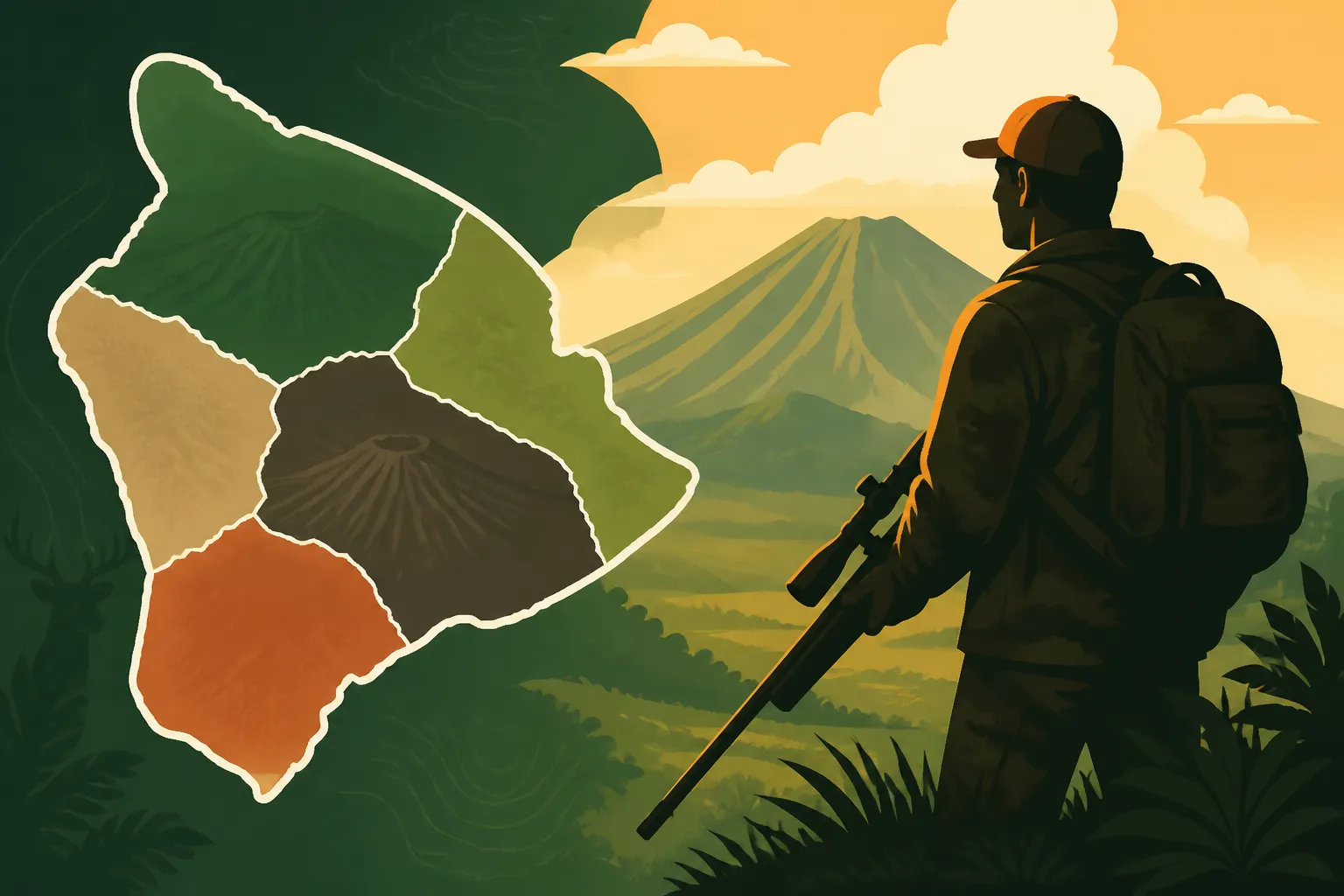
Hawaii Island, the Big Island, is a place of incredible diversity, from volcanic peaks to lush rainforests and arid leeward slopes. This diversity extends to its hunting grounds, and among the most important are the Game Management Areas (GMAs). These aren't just random patches of land; they are specific regions designated and actively managed by the Division of Forestry and Wildlife (DOFAW) for wildlife conservation and public hunting. Getting to know them is key to unlocking some truly unique hunting experiences here.
What Makes a GMA Different?
Game Management Areas are distinct from other public land classifications like Forest Reserves or Natural Area Reserves. While all are managed by DOFAW, GMAs are explicitly established with game species management and public hunting access as primary objectives. This means they often have more structured hunting seasons, specific bag limits, and sometimes even require special permits or lottery draws to access, particularly for highly sought-after species or units. Think of them as Hawaii's dedicated hunting parks, where the rules are tailored to balance sustainable harvests with ecosystem health.
They are strategically located in areas known to hold significant populations of introduced game animals like feral pigs, goats, Axis deer, and Mouflon sheep. The management strategies within GMAs are often dynamic, shifting based on animal populations, habitat conditions, and community input. Unlike some forest reserves where hunting might be a secondary activity, in a GMA, hunting is front and center as a management tool.
The Role of DOFAW in Managing GMAs
The Division of Forestry and Wildlife (DOFAW) is the backbone of wildlife management across Hawaii, and their role in GMAs is absolutely critical. They're not just setting rules; they're actively engaged in habitat restoration, invasive species control (including managing game animals through hunting), and population monitoring. For example, DOFAW biologists conduct surveys to assess game populations, which directly influences season lengths, bag limits, and the number of tags issued for drawn hunts within specific GMAs.
Their management objectives go beyond just providing hunting opportunities. They aim to protect native Hawaiian ecosystems, which are incredibly fragile and vulnerable to damage from introduced ungulates. By encouraging hunters to harvest feral pigs, goats, and sheep in these areas, DOFAW leverages recreational hunting as a vital tool for ecological balance. They also maintain infrastructure like access roads, trails, and check-in stations, which are crucial for public safety and data collection. You'll often see their signs at unit boundaries, reminding you to check in and out.
General Access and Permit Requirements for GMAs
Accessing Hawaii Island's GMAs typically requires a current Hawaii hunting license and a Hawaii Wildlife Conservation Stamp. Beyond that, many GMAs, especially those with high demand or specific species, operate on a permit-tag system or a lottery draw system. For instance, some Mouflon sheep hunts or certain Axis deer opportunities on other islands might require you to apply well in advance through a lottery system. It's crucial to check the specific regulations for the GMA you intend to hunt, as rules can vary significantly by unit and species.
You'll need to know the specific season dates, legal hunting methods, and bag limits for each area. Many GMAs require hunters to check in and out before and after each hunt. This can often be done physically at a designated hunter check station, but increasingly, DOFAW utilizes digital systems like the OuterSpatial app for convenient check-ins and check-outs. Using the OuterSpatial App to Check In has become a popular method for many hunters. Always make sure your license and any required permits are with you in the field. Ignoring these basic requirements can lead to fines and loss of hunting privileges, so always check the latest DOFAW regulations before heading out.
Key Game Management Areas on Hawaii Island
Hawaii Island boasts several important GMAs, each offering distinct terrain, species, and hunting experiences. Knowing their characteristics can help you decide which one aligns best with your hunting goals and physical capabilities. From the dry, scrubby kiawe flats to the high-elevation volcanic slopes, these areas represent the diverse hunting opportunities available.
Puu Anahulu Game Management Area
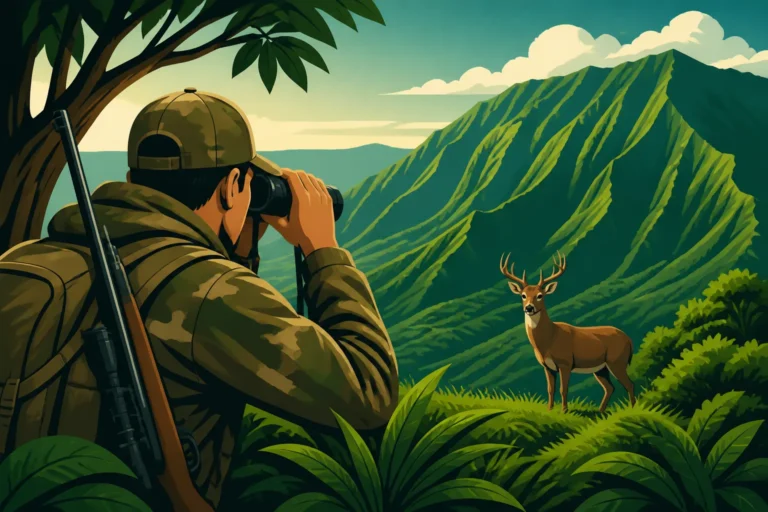
Nestled on the dry, leeward side of Hawaii Island, the Puu Anahulu Game Management Area (GMA) is a vastly different world from the wet, windward slopes. This area is characterized by its open, rolling hills, often covered in kiawe and various grasses, interspersed with older lava flows. It's a landscape that demands good optics and patience for spot-and-stalk hunting. The primary draw here is often Axis deer, though feral goats and some pigs can also be found, particularly in the gulches and thicker pockets of vegetation. Hunting the Puu Anahulu Game Management Area requires keen observation skills and the ability to cover ground in hot, dry conditions.
The terrain, while not as steep as some other areas, can be incredibly uneven due to hidden lava rock and deep cracks. Water sources are scarce, making them key congregation points for animals, especially during dry spells. Hunters here often focus on glassing large areas at dawn and dusk, trying to locate herds moving between feeding and bedding areas. The heat can be intense, so early morning and late afternoon hunts are most productive, and staying hydrated is non-negotiable.
Kaohe Game Management Area
Venturing up the slopes of Mauna Loa, you'll find the Kaohe Game Management Area (GMA), a vastly different environment from Puu Anahulu. This area, located at higher elevations, is defined by its mix of native koa and 'ōhi'a forests, mamane-naio woodlands, and rough, older lava flows. The air is thinner here, and temperatures can be significantly cooler, often shifting rapidly. Kaohe is renowned for its Mouflon sheep and a healthy population of feral pigs. While goats are also present, they tend to be less common than in other areas. Hunting Kaohe Game Management Area offers a genuine high-country hunting challenge.
The landscape is rugged and demanding, with steep slopes, dense vegetation, and unforgiving lava fields. Tracking pigs through the thick forest can be an arduous task, often requiring dog teams for successful hunts. For Mouflon, glassing vast areas of the broken lava and forest edges is the most effective strategy, followed by a careful stalk through unforgiving terrain. Hunters need to be physically fit and prepared for rapid weather changes, from brilliant sunshine to cold, misty rain.
Mauna Kea Game Management Area (Unit A/B)
The Mauna Kea Game Management Area, often referred to as Unit A or Unit B depending on the specific zone, represents some of the highest elevation hunting in Hawaii. This GMA stretches across the massive volcanic dome of Mauna Kea, encompassing subalpine grasslands, mamane-naio forests, and vast expanses of cinder and lava. The air is thin, and the weather can be extreme, with strong winds, freezing temperatures, and even snow during winter months. This is primarily Mouflon sheep country, offering a truly unique hunting experience. Feral pigs can also be found in the lower, forested sections.
Hunting here is a test of endurance and acclimatization. The sparse vegetation and open terrain mean spotting animals from a distance is common, but closing the gap often involves long, arduous stalks over uneven ground. Hunting Mouflon in Mauna Kea's Thin Air requires careful planning for elevation sickness and cold weather gear, even in Hawaii. Hunters will spend significant time behind glass, scrutinizing every rock and contour for the distinctive curl of a Mouflon ram's horns. The sheer scale of the landscape and the unpredictable weather make it a challenging but incredibly rewarding hunt.
Navigating and Preparing for a Hawaii Island GMA Hunt
Hunting in Hawaii's GMAs is an adventure, but it requires diligent preparation. The islands' unique terrain, dense vegetation, and often remote locations mean you can't just show up and expect to figure it out on the fly. Effective navigation, appropriate vehicle choice, and the right gear are paramount to a safe and successful hunt.
Understanding GMA Boundaries and Maps
One of the biggest hurdles for hunters, especially those new to Hawaii, is accurately identifying and staying within GMA boundaries. These boundaries can be complex, following old fence lines, lava flows, or subtle changes in vegetation, which might not be obvious on the ground. A good, up-to-date map is absolutely non-negotiable. While traditional paper maps are helpful, digital mapping applications have become indispensable for navigating Hawaii's hunting units.
Tools like "onX Hunt" are invaluable here. They overlay public and private land boundaries onto detailed topographic maps, often showing hunter check-in locations and access roads. Being able to pinpoint your exact location relative to a unit boundary on your phone or GPS device can save you from trespassing fines or inadvertently hunting in a closed area. I always recommend downloading offline maps before you head out, as cell service is often nonexistent in these remote units. Using onX for Hawaii Land Status isn't just a convenience; it's a safety and compliance tool. Always have a backup, whether it's a compass and paper map or a secondary GPS device. Where to Get a Hawaii Hunting Unit Map typically starts with the DOFAW website, but apps provide real-time location.
Vehicle Access and Trail Conditions
Accessing many Hawaii Island GMAs often requires a vehicle capable of handling rough conditions. While some units might have paved or well-maintained gravel roads leading to check stations, venturing deeper into the hunting grounds often demands a high-clearance 4WD vehicle. You'll encounter everything from deeply rutted dirt tracks to rocky lava fields, muddy sections after rain, and overgrown jeep trails. Even a short drive can become a major challenge if your vehicle isn't up to the task.
Consider the time of year and recent weather. A road that's easily passable in the dry season might become an impassable bog after a few days of heavy rain, especially on the windward side. Always assess road conditions before attempting to drive deep into a unit, and be prepared to walk in if necessary. Many hunters simply park where the road becomes too difficult and hike the rest of the way. Reaching a Hawaii Unit by 4WD Road can be an adventure in itself, so having recovery gear, spare tires, and knowing how to use them is a wise precaution. Don't underestimate the potential for vehicle damage from sharp lava rocks or deep potholes.
Essential Gear for GMA Hunting
Hawaii's diverse environments mean that your gear list needs to be adaptable. What works for hunting high-elevation Mouflon sheep won't necessarily be ideal for stalking Axis deer in a kiawe flat. However, some essentials remain constant. Sturdy, broken-in hiking boots with good ankle support are critical for navigating uneven lava fields, steep gulches, and slippery wet forest floors. Boots for Hawaii Lava and Wet Forest should be a top priority. Hydration is another major concern, particularly in the dry, hot GMAs. Always carry more water than you think you'll need, especially during longer hunts. Water and Heat Planning for a Hawaii Hunt can literally be a lifesaver.
Beyond the basics, you'll want good rain gear, even in supposedly dry areas, as pop-up showers are common. A reliable backpack for carrying water, snacks, first aid, and game meat is essential. Navigation tools (GPS, compass, maps, fully charged phone with offline maps), a headlamp, and a knife are standard. For glassing open country, quality binoculars and a spotting scope are invaluable. Depending on your hunting method, specific gear like a good game bag for cooling meat or a cut vest for pig dogs will also be necessary. Always pack for unexpected conditions and plan for self-sufficiency, as help can be a long way off.
Game Species and Hunting Strategies within Hawaii Island GMAs
Hawaii Island's GMAs are home to a diverse array of introduced game animals, each offering a unique hunting challenge. Understanding the behavior and preferred habitats of these species is crucial for developing effective hunting strategies, especially given the varied landscapes of the Big Island.
Targeting Axis Deer and Feral Goats in Dry GMAs
When you're hunting in the drier GMAs like Puu Anahulu, your focus will likely be on Axis deer and feral goats. These animals thrive in the more arid, open country, and their behavior is heavily influenced by the availability of water and forage. Axis deer are known for their keen senses, constantly alert in open environments. They often move in herds, making them visible but also providing many eyes and ears for detecting danger. Spot-and-Stalk Axis Deer in Hawaii is the name of the game here.
Strategies involve extensive glassing at first light and last light from elevated positions, looking for movement or the distinctive white spots of an Axis deer in the dappled sunlight. Once spotted, a careful, often lengthy, stalk through kiawe thickets, dry grass, and over lava rock is necessary. Pay close attention to wind direction, as the thermals can shift unpredictably, especially in gulches. For goats, they often prefer steep, rocky terrain and cliff faces, offering incredible challenges but also opportunities for high-angle shots. Hunting a Water Source in Dry Hawaii Country can be particularly productive during extended dry periods, as animals will concentrate around these precious resources.
Hunting Feral Pigs and Mouflon in Upland GMAs
Transitioning to the upland GMAs like Kaohe and Mauna Kea, the primary targets shift to feral pigs and Mouflon sheep. These areas are cooler, often wetter, and feature denser forests or rugged high-elevation terrain. Feral pigs are masters of camouflage and cover, preferring dense thickets, wet gulches, and areas with abundant rooting opportunities. Still-Hunting Pigs in Hawaii's Wet Forest requires stealth, patience, and a deep understanding of pig sign, such as fresh tracks, rooting, and wallows. Many hunters prefer to use dogs for pigs in these dense environments, as their ability to scent and bay animals greatly increases success rates.
Mouflon sheep, on the other hand, are typically found in the more open, high-elevation mamane-naio forests and subalpine grasslands of Mauna Kea. They are incredibly agile and wary, often blending seamlessly into the volcanic landscape. Hunting Mouflon is primarily a glassing game, spending hours with binoculars and spotting scopes to locate rams against the broken terrain. Once spotted, a grueling stalk over sharp lava and through thin air is required. Glassing a Lava Flow for Mouflon Rams is essential, and judging a ram's horn curl in the field takes practice. Both pig and Mouflon hunting in these areas demand a high level of physical fitness and mental fortitude.
Adapting to Unique GMA Challenges
Hawaii Island's GMAs present a myriad of unique challenges that demand adaptability from hunters. Beyond the specific animal behaviors, the environment itself can be a formidable adversary. The "vog" (volcanic haze) from Kilauea can sometimes reduce visibility, making glassing difficult. Rapid weather changes are common, especially in upland areas, where a sunny morning can quickly turn into a cold, misty, or rainy afternoon. The terrain ranges from the sharp, unforgiving 'a'ā lava to the deceptively soft pāhoehoe flows, and from dense, tangled guava thickets to wide-open, wind-swept ridges. Hunting Hawaii's Volcanic Terrain is not for the faint of heart or ill-prepared.
Hunters must be acutely aware of wind and thermals, which can shift dramatically, particularly in mountainous or gulch-ridden areas. A scent that's good at dawn can be blown directly to animals by midday. Physical fitness is paramount; even what looks like a short walk on a map can be an epic trek over difficult ground. Understanding how animals move through kipukas (islands of forest surrounded by lava) or utilize different types of cover at various times of day is key. Adaptability, resilience, and respect for the powerful forces of nature are essential traits for successful hunting in Hawaii's GMAs.
Planning Your GMA Hunt: Seasons, Tags, and Resources
Embarking on a hunt in Hawaii Island's Game Management Areas requires more than just physical preparation and hunting skills; it demands careful planning and an understanding of the state's specific regulations and resources. From understanding the permit system to staying informed about season dates, being well-organized is just as important as being a good shot.
Understanding Drawn Hunts and Application Processes
Many of the most coveted hunting opportunities within Hawaii Island's GMAs are not available over-the-counter. Instead, they operate on a drawn hunt or lottery system. This means you'll need to apply for a chance to receive a permit or tag for specific species in certain units, often months in advance. These drawn hunts are typically for species like Mouflon sheep on Mauna Kea, where populations are carefully managed, or for special hunts designed to control numbers in specific areas. The application periods are strict, and missing a deadline means missing out on the opportunity for that year.
It's absolutely critical to stay on top of application deadlines, which are usually announced by DOFAW well in advance. Websites like "GoHunt" can be incredibly useful resources for tracking these dates, understanding the drawing odds, and researching specific unit regulations. They often compile information that can be scattered across various government pages. Hawaii's Drawn Hunts and Lotteries can be competitive, so understanding the process and applying strategically is key. Be sure to double-check all your application details before submission, as errors can lead to disqualification.
Season Dates and Species-Specific Regulations
Hawaii's hunting seasons are not uniform across the islands or even across different GMAs on Hawaii Island. Season dates vary by unit, by species, and by weapon type (archery, muzzleloader, rifle). Some GMAs might offer year-round hunting for certain species, while others have very limited, specific weekends or archery-only windows. For example, Hawaii Game Mammal Seasons are structured to manage populations effectively and minimize impacts during sensitive breeding periods.
Before you even think about packing your bags, consult the most current DOFAW hunting regulations for Hawaii Island. These are typically published annually and available on the DOFAW website. Pay close attention to specific unit rules; a general season might be open for pigs island-wide, but a particular GMA could have its own unique open days or weapon restrictions. For the Big Island specifically, understanding Hawaii Island Hunting Unit Seasons is paramount. These regulations will also detail bag limits, legal shooting hours, and any other special conditions that apply to your chosen GMA and species.
Connecting with Local Knowledge and Resources
While official regulations are non-negotiable, gleaning local knowledge can provide invaluable insights into hunting Hawaii Island's GMAs. Local hunters often have a deep understanding of animal movements, preferred habitat within specific units, and the nuances of the terrain that aren't apparent on any map. Engaging with local hunting communities, whether through online forums, social media groups, or in-person conversations at local sporting goods stores, can offer tips on everything from productive areas to current animal behavior.
Beyond local wisdom, DOFAW itself is a fantastic resource. Their website regularly posts announcements about season changes, unit closures, and public meetings where you can get updates directly. Reviewing previous year's harvest reports can give you a sense of success rates and where animals were taken. Even doing some virtual scouting using satellite imagery can reveal potential access points, water sources, or bedding areas. Scouting a Hawaii Hunting Unit Before Opening is an excellent way to familiarize yourself with the landscape before you ever set foot on the ground, potentially saving you precious hunting time.
Here's a quick overview of the major Hawaii Island GMAs:
| GMA Name | Primary Species | Typical Terrain | Key Challenges | Notes |
|---|---|---|---|---|
| Puu Anahulu GMA | Axis Deer, Feral Goats | Open, dry, rolling hills, kiawe, lava flows | Heat, sparse cover, vast distances | Excellent for spot-and-stalk |
| Kaohe GMA | Mouflon Sheep, Feral Pigs | Upland forest (koa, 'ōhi'a), older lava flows | Rugged terrain, dense vegetation, elevation | Good for pigs with dogs, Mouflon glassing |
| Mauna Kea GMA | Mouflon Sheep, Feral Pigs | High elevation, subalpine grasslands, mamane, cinder | Thin air, extreme weather, long stalks | Trophy Mouflon opportunities |
Disclaimer
This article is for general informational purposes only and does not constitute professional advice. Laws, prices and regulations vary by location and change over time. Consult a qualified professional for guidance on your specific situation.