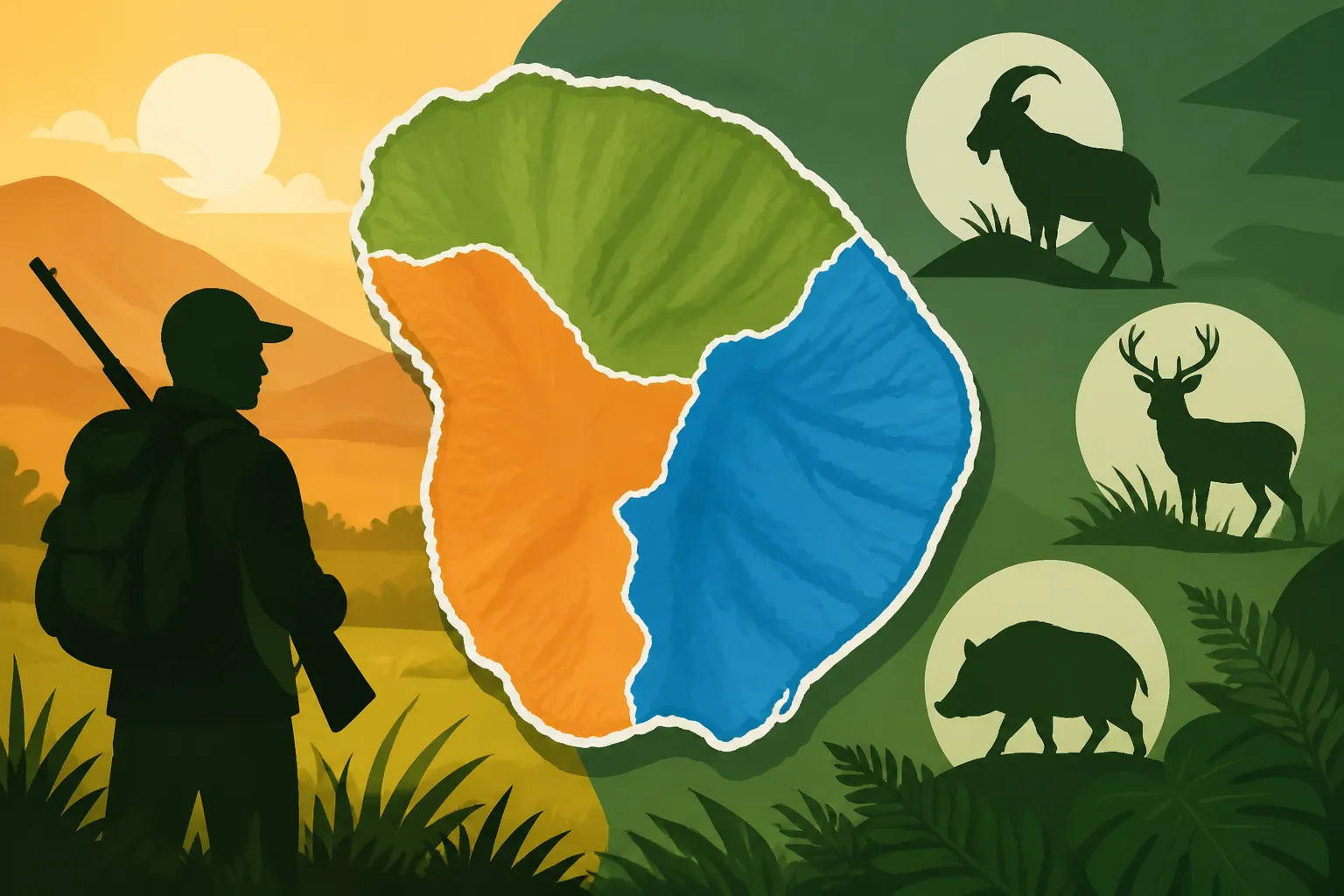
Lanai’s Three Public Hunting Units
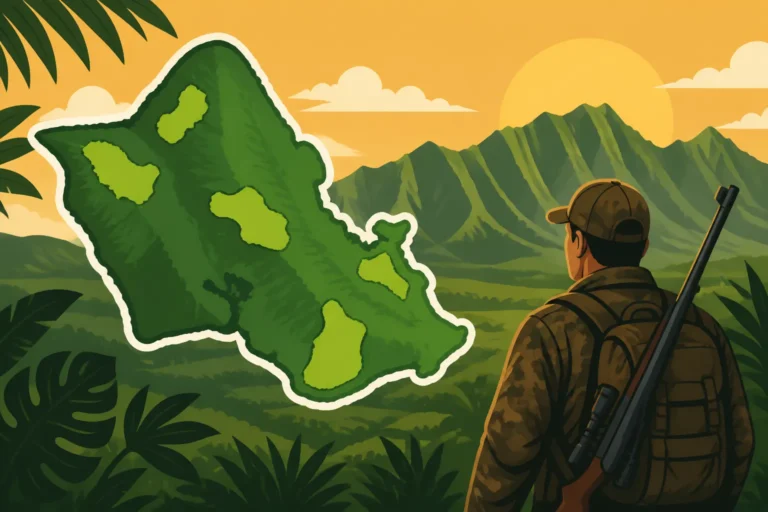
Hunting on Lanai offers a truly unique experience, but it’s easy for folks to get overwhelmed by the island’s distinct geography and the specific rules that govern its public hunting areas. If you're dreaming of chasing axis deer or mouflon sheep across those rolling hills or rugged cliffs, understanding the three main public hunting units—Unit 1, Unit 2, and Unit 3—is absolutely crucial to planning a successful and legal hunt. This guide will walk you through each of these units, detailing what to expect, how to prepare, and how to navigate the regulations so you can make the most of your adventure.
The Lay of the Land: Understanding Lanai's Public Hunting Units
Lanai, often called the Pineapple Isle, might be smaller than some of its Hawaiian siblings, but it packs a punch when it comes to hunting opportunities. The island is famous for its abundant Axis deer, as well as good numbers of Mouflon sheep and feral goats. These populations are managed through a system of public hunting units, each with its own character, terrain, and challenges. Knowing these units like the back of your hand is the first step to putting meat in the cooler and making unforgettable memories.
Unit 1: The Heart of Axis Deer Country
Unit 1 is perhaps the most well-known and often the first choice for hunters targeting Axis deer on Lanai. It generally encompasses the lower to mid-elevation, drier western and southern parts of the island. Imagine vast expanses of thorny kiawe forest, interspersed with open grasslands, dry gulches, and scattered cinder cones that offer strategic vantage points. This unit is characterized by its relatively flat to gently rolling terrain in many areas, though don't let that fool you—the kiawe can be incredibly thick and unforgiving, making every step a challenge.
The vegetation here is primarily kiawe, a hardy, drought-resistant tree that forms dense thickets, along with buffalo grass, guinea grass, and various other scrub brush. Water sources are scarce, which often concentrates game around the few existing watering holes or natural seeps, especially during the dry season. Axis deer thrive in this environment, using the dense cover for bedding during the day and emerging into the more open areas to feed in the cooler hours of dawn and dusk. You'll often find them browsing on the succulent new growth after a rain or feeding on fallen kiawe pods.
Hunting Unit 1 demands patience, keen glassing skills, and tough footwear. The sheer number of Axis deer can be incredible, but they are wary animals, especially where hunting pressure is consistent. You'll spend a lot of time glassing open ridgelines and the edges of kiawe forests, looking for movement. The dry ground means scent can carry far, and the crunch of dry leaves and pods underfoot can give you away easily. This unit also holds populations of feral goats and some Mouflon sheep, particularly as you move towards higher elevations or more rugged gulches that offer them sanctuary. Successfully navigating Unit 1 means embracing the heat, the thorns, and the relentless sun. It's a place where a good pair of binoculars and a rangefinder are as essential as your rifle. When you're out there, you'll want to focus on Hunting Lanai's Upper Ridgelines and Hunting Lanai's Dry Kiawe Flats to maximize your chances.
Unit 2: From Pines to Peaks
Unit 2 offers a stark contrast to the arid landscapes of Unit 1, taking hunters into the higher, cooler, and wetter central highlands of Lanai. This unit often includes areas around Lanaihale, the island's highest peak, and stretches down into the more forested slopes. The terrain here is much more varied, ranging from dense stands of introduced pine and eucalyptus trees to native koa and ohia forests, and deep, often misty canyons and gulches. The air is cooler, the ground can be softer, and the overall feel is much more like a traditional forest hunt, albeit a Hawaiian one.
The elevation changes significantly in Unit 2, presenting physically demanding climbs and descents. The ground can be uneven, rocky, and slippery, especially after one of the frequent rains that bless these uplands. This diverse habitat supports a healthy population of Axis deer, which tend to be more scattered and less visible than in the open plains of Unit 1. They often utilize the dense forest cover for security, making still-hunting or methodical spot-and-stalk tactics within the timber more effective. Water is generally more abundant here, meaning game animals aren't as concentrated around specific sources, requiring hunters to cover more ground.
Mouflon sheep are a key draw for Unit 2, especially in its higher reaches. These majestic animals prefer the more rugged, open slopes and rocky outcrops, often found at the edge of the dense forest or on the steeper faces of gulches. Hunting Mouflon here means being prepared for challenging climbs, thin air, and rapidly changing weather conditions. Fog can roll in quickly, reducing visibility to mere yards, and rain can turn trails into slick mud. Successfully hunting Unit 2 requires excellent physical conditioning, superior navigation skills, and the ability to adapt your tactics to the varied terrain and cover. It's a unit where understanding the subtle nuances of topography and wind currents, particularly at higher elevations, is paramount. If you're after Mouflon, definitely research Hunting Lanai's Mouflon Muzzleloader Days for specific season details.
Unit 3: The Coastal Fringe
Unit 3 is often the least visited of Lanai's public hunting units, largely due to its rugged, exposed, and challenging nature. This unit typically encompasses the coastal areas, characterized by steep sea cliffs, deep erosional gulches that plunge directly to the ocean, and dry, rocky terrain with sparse, low-lying vegetation. Think of it as a wild, untamed fringe where the land meets the sea, offering breathtaking views but demanding immense respect from anyone who ventures there.
The primary game species in Unit 3 is the feral goat. These incredibly agile and hardy animals thrive in this challenging environment, often found clinging to impossibly steep ledges or moving effortlessly along narrow goat trails carved into the cliff faces. Axis deer may occasionally traverse parts of Unit 3, especially in areas where gulches extend inland, but they are not the main target here. The vegetation is sparse, consisting mainly of resilient grasses, scrub brush, and some kiawe in the deeper, more sheltered pockets. Water is almost non-existent in many parts of this unit, so goats will often travel significant distances to find moisture, or they adapt by browsing on plants with high water content.
Hunting Unit 3 is not for the faint of heart. It requires excellent physical fitness, a steady head for heights, and meticulous planning for safety. The wind can be relentless along the coast, making long-range shooting difficult and carrying human scent far and wide. Approaching goats often means navigating extremely steep and unstable terrain, sometimes requiring a descent into a gulch before climbing out the other side. Visibility can be both a blessing and a curse; while you can often spot animals from a distance, closing the gap undetected is another matter entirely. Hunters need to be acutely aware of their surroundings, wear appropriate footwear with excellent grip, and never hunt alone. It's an adventure that rewards persistence and a genuine love for extreme terrain, offering the chance to harvest a hardy feral goat in a truly wild setting. Be sure to study up on Hunting Goats on a Sea Cliff Safely before you head out to these challenging areas.
Navigating Access and Regulations for Each Unit
Understanding the terrain is just one part of the equation; navigating Lanai's specific access rules and permit regulations is equally critical. Hawaii's hunting system, managed by the Department of Land and Natural Resources (DLNR) Division of Forestry and Wildlife (DOFAW), requires hunters to be diligent about licenses, tags, and check-in procedures. On an island like Lanai, where public land is a precious resource, these rules ensure fair chase and sustainable management.
Permit-Tag System and Specific Unit Draws
Unlike some other islands, Lanai utilizes a comprehensive permit-tag system for its big game species – Axis deer and Mouflon sheep. This means that merely having a general hunting license isn't enough; you must also apply for and be awarded specific permit-tags for the animals you wish to hunt in a particular unit during a designated season. These permit-tags are often allocated through a lottery or draw system, especially for the coveted Axis deer seasons, which can be highly sought after.
The draws are held well in advance of the hunting season, and the specific units (Unit 1, 2, or 3) and hunt dates are part of the application process. For example, if you want to hunt Axis deer in Unit 1, you'll apply for a specific weekend or period within that unit. It’s a competitive process, and many hopeful hunters submit applications, so don't get discouraged if you don't draw a tag on your first try. Being flexible with your dates or considering less popular periods might increase your odds. The results of these draws dictate not only if you can hunt, but where and when. It's essential to stay on top of application deadlines, which are usually announced months in advance by DOFAW. Websites like GoHunt and the official DOFAW portal are excellent resources for checking these dates and understanding the specific requirements for each draw. Many experienced hunters check these sites religiously for updates. Get familiar with How the Lanai Axis Deer Draw Works to understand the process. The system can be a bit complex, but it's designed to manage harvest pressure and ensure a quality experience.
Entry Points and Vehicle Access
Accessing Lanai's hunting units often requires a specific approach. While there are main roads, reaching the heart of many hunting areas, particularly in Unit 1 and Unit 2, typically necessitates a four-wheel-drive (4WD) vehicle. Many of the roads leading into these units are unpaved, rough, rocky, or can become muddy and impassable after rain. Rental car companies often have restrictions on taking vehicles off paved roads, so if you're not bringing your own 4WD, you'll need to make arrangements for a suitable rental or consider hiring a local transporter.
Designated entry points and parking areas are usually specified for each unit or even for specific hunt dates. It's not uncommon to park at a main gate or trail head and then hike several miles into the unit. Some areas are strictly walk-in only, meaning you’ll be hoofing it from the get-go. This is especially true for portions of Unit 2 and much of Unit 3, where the terrain simply doesn't allow for vehicle penetration. Hunting Lanai Without a Guide often means you're responsible for all your own transportation and navigation, so planning this aspect is paramount. Be prepared for long walks, sometimes with significant elevation gain or loss, and always know your limits. Familiarize yourself with the maps provided by DOFAW and consider using digital mapping apps like onX Hunt to pinpoint access roads, trails, and unit boundaries. These tools can be invaluable for figuring out how far you'll need to walk and where you can reasonably expect to drive your vehicle. For more on getting around the rugged parts of the island, check out Reaching a Hawaii Unit by 4WD Road.
Check-In/Check-Out Procedures
A mandatory and critical part of hunting on Lanai's public lands is the check-in and check-out procedure. For every hunt, regardless of the unit, you are required to report your entry into the hunting area before you begin and your exit after you finish. This process serves multiple purposes: it helps DOFAW track hunter numbers and effort, ensures your safety by having a record of who is in the field, and provides valuable harvest data.
In recent years, Hawaii's DOFAW has implemented digital check-in systems, often through smartphone apps like OuterSpatial. This means you can typically check in and out right from your phone, provided you have cell service (which can be spotty in some remote areas) or before you leave a service zone. Always double-check the current method, as sometimes physical check stations with paper cards are still required or offered as an alternative. Forgetting to check out is a serious offense and can result in penalties, potentially jeopardizing your ability to hunt in Hawaii in the future. It’s also crucial for data collection; even if you don't harvest an animal, reporting your effort (hours hunted, animals seen) helps DOFAW make informed management decisions. Treat this step with the utmost seriousness. Before your hunt, confirm whether your specific unit requires digital or physical check-in and plan accordingly. Having a fully charged phone with the necessary app downloaded is a must.
Tactical Considerations and Species Specifics
Once you've navigated the regulations and access, the real hunting begins. Each unit on Lanai, with its distinct topography and vegetation, calls for different hunting strategies, and understanding the behavior of Axis deer, Mouflon sheep, and feral goats in these specific environments will be the key to your success.
Axis Deer Strategies Across Units
Axis deer are incredibly adaptable, but their behavior shifts dramatically depending on the habitat. In Unit 1, the vast kiawe flats and open grasslands often lend themselves to extensive glassing and patient Spot-and-Stalk Tactics on Open Country. You'll want to find a high point, settle in before dawn, and systematically scan the terrain with good binoculars or a spotting scope. Look for subtle movements, flicking ears, or the distinct white spots against the dry brush. The deer here often move in larger herds, making them visible but also increasing the number of eyes and ears that can bust you. The challenge is closing the distance in the sparse cover without being detected. The kiawe thickets are where they bed during the day, so still-hunting slowly and quietly through the edges, especially mid-morning, can be effective, but it’s tough, thorny work. Wind direction is critical here, as the dry air carries scent far.
Moving into Unit 2, the Axis deer are more dispersed and often prefer the cover of the pine and eucalyptus forests or the deeper gulches. Here, classic still-hunting becomes a more viable tactic. Move slowly, taking one or two steps, then stopping for several minutes to listen and look. Their dappled coats blend incredibly well with the varied forest undergrowth, so look for parts of an animal – a leg, an ear, the outline of their body. Calling can also be effective in the denser cover. A fawn bleat can sometimes bring in curious does or even a cautious buck, especially during the rut. Pay close attention to subtle signs like tracks, fresh droppings, and rubbed trees, which indicate deer activity. The thermals in Unit 2 can be tricky, often shifting as the sun rises and falls, so constant awareness of wind direction is paramount. For either unit, remember that Glassing Lanai's Open Ridgelines at dawn and dusk can be incredibly productive, as deer move between bedding and feeding areas.
Mouflon Sheep Tactics in Lanai's Upland Units
Mouflon sheep, with their keen eyesight and preference for rugged, open, high-elevation terrain, are a different beast entirely. On Lanai, you’ll primarily find these magnificent animals in the higher reaches of Unit 2. The strategy for Mouflon is almost always glassing-intensive, followed by a demanding stalk. Find a vantage point that overlooks large expanses of broken country, rocky slopes, and the edges of forest pockets. Set up early and spend hours meticulously picking apart the terrain with your optics. Look for their distinct reddish-brown coats against the gray rocks or the subtle curve of a ram's horns.
Once spotted, the stalk begins, and this is where Mouflon hunting truly tests a hunter's mettle. They often occupy incredibly steep and precarious positions, making a direct approach nearly impossible without being seen. You'll need to use every piece of available cover—folds in the terrain, large boulders, dense brush—to make your way into shooting range. Wind is a constant factor; Mouflon have an incredible sense of smell. You’ll be dealing with significant elevation changes, loose rock, and potentially sudden weather shifts, from clear skies to dense fog. Patience is not just a virtue, it's a necessity. Multiple stalks may be required over several days to finally get within range of a mature ram. Understanding Hunting Lanai's Mouflon Archery Season can also inform your tactics, as bowhunting Mouflon requires an even closer approach and a mastery of the stalk. Be prepared for a physically demanding hunt, and study Judging a Mouflon Ram's Horn Curl to ensure you're targeting the right animal if specific trophy criteria are important to you.
Feral Goat Hunting on the Coastal Edges
Feral goat hunting in Unit 3 presents a unique set of challenges and demands a highly specialized approach. These goats are masters of steep, vertical terrain, making them elusive targets along the unforgiving sea cliffs and deep gulches. The first step, much like Mouflon hunting, is locating them from a distance using optics. Find a safe vantage point that offers a broad view of the cliffsides and gulch systems. Goats will often be seen moving at first light or late in the evening, sometimes in small groups or solitary billies.
The stalk for goats is perhaps the most dangerous and physically demanding of all Lanai hunts. You’ll be navigating unstable ledges, loose scree, and incredibly steep slopes. Safety must be your absolute top priority; never take unnecessary risks. Often, the best approach is to try and get above the goats and work your way down, using the contours of the land and any sparse vegetation for cover. The wind along the coast is almost always a factor, often swirling unpredictably, so a constant check on wind direction is vital. Goats have excellent eyesight and will bolt at the first sign of danger, disappearing into impossible terrain. Long-range shooting skills are definitely an asset in this unit, as closing the distance can be extremely difficult. Be prepared for strong sun exposure, minimal shade, and a constant thirst. A successful goat hunt in Unit 3 is a hard-earned reward, often more about the adventure and challenge than the size of the animal. Always remember the critical advice for Hunting Goats on a Sea Cliff Safely before you even consider this type of terrain.
Gear and Preparation for Lanai's Diverse Public Units
Hunting on Lanai, with its varied terrain and sometimes extreme conditions, demands meticulous preparation and the right gear. Skimping on essentials can turn an exciting adventure into a miserable, or even dangerous, experience.
Essential Footwear and Clothing
Your feet are your most important asset on a Lanai hunt, and choosing the right footwear is paramount. For Unit 1's kiawe flats and rocky gulches, you need sturdy, high-quality hiking boots with excellent ankle support and a stiff sole to protect against thorns and sharp lava rock. Leather or synthetic boots that are tough and durable are better than lightweight trail runners. In Unit 2's wetter, forested, and higher-elevation areas, waterproof boots are highly recommended, as the ground can be perpetually damp and muddy. Regardless of the unit, ensure your boots are well broken-in to prevent blisters, and consider wearing gaiters to keep out debris and thorns. Don't underestimate the abuse your boots will take; Boots for Hawaii Lava and Wet Forest are a specific breed of tough.
Clothing should be layered, even in Hawaii. While the days can be hot, especially in Unit 1 and 3, mornings and evenings, particularly in the higher elevations of Unit 2, can be surprisingly cool. Lightweight, breathable, moisture-wicking materials are ideal for your base layers. Over that, a light long-sleeve shirt to protect against the sun and thorns, and a softshell or light jacket for cooler temperatures or light rain. Blaze orange is a mandatory safety requirement in Hawaii during certain seasons, so check current regulations to ensure you're wearing the correct amount and type of visible orange. This is usually an outer garment like a vest or hat. Don't forget a wide-brimmed hat for sun protection and sunglasses.
Navigation and Communication
Lanai's public hunting units, particularly the more remote sections, often have limited or no cell phone service. Relying solely on your smartphone for navigation is a recipe for getting lost. A dedicated GPS unit is highly recommended, loaded with detailed topographic maps of the island. Digital mapping apps like onX Hunt are incredibly valuable tools, allowing you to download offline maps, mark waypoints, and track your movements. Many local hunters swear by onX Hunt for its accuracy and detailed land ownership information, which can be critical for staying within public land boundaries and avoiding accidental trespass. Always carry a physical map and compass as a backup, and know how to use them.
For communication, especially when hunting alone or in remote areas, a satellite messenger or personal locator beacon (PLB) is a wise investment. Devices that allow for two-way satellite texting can be a lifesaver, allowing you to communicate with loved ones or summon emergency help even when No Cell Signal on a Hawaii Hunt is available. These devices are not cheap, but the peace of mind they offer is invaluable. Always tell someone responsible where you are going, your planned route, and when you expect to return. This simple step is one of the most effective safety measures you can take. Remember, Using onX for Hawaii Land Status can help you stay found and out of trouble.
Water, Food, and Emergency Supplies
Staying hydrated is absolutely critical on Lanai, especially in the dry, exposed units. You should carry significantly more water than you think you'll need. Assume there will be no natural water sources, particularly in Units 1 and 3. A hydration pack, multiple water bottles, or even a collapsible water bladder for extra capacity are essential. Plan for at least 1 gallon of water per person per day, and more if you are doing strenuous hiking in high heat. For more detailed advice, refer to Water and Heat Planning for a Hawaii Hunt.
For food, pack high-energy, non-perishable snacks that are easy to eat on the go. Energy bars, jerky, nuts, dried fruit, and sandwiches are good choices. A small first-aid kit is non-negotiable, containing essentials for cuts, scrapes, blisters, insect bites, and any personal medications. Other crucial emergency supplies include a reliable headlamp or flashlight (with extra batteries), a knife, fire-starting materials, a whistle, a space blanket, and game bags for meat if you are successful. Remember, help can be hours away in some of these remote areas, so being self-sufficient is key.
| Unit Name | Primary Game Species | Key Terrain Features | Challenges | Access Notes |
|---|---|---|---|---|
| Unit 1 | Axis Deer, Feral Goats, some Mouflon | Kiawe flats, dry gulches, cinder cones, open grasslands | Dense thorns, heat, sparse water, wary deer | 4WD often needed, walk-in to remote areas, dusty roads |
| Unit 2 | Mouflon Sheep, Axis Deer | Pine/Eucalyptus forests, koa/ohia, steep canyons, high elevation | Rapid weather changes, dense cover, physical exertion, slippery terrain | 4WD for main roads, significant hiking, potentially muddy |
| Unit 3 | Feral Goats, occasional Axis Deer | Steep sea cliffs, deep coastal gulches, rocky, exposed terrain | Extreme verticality, high winds, no water, very difficult access | Often walk-in only, dangerous footing, requires advanced fitness/skills |
Conservation and Ethical Hunting in Lanai's Public Units
Hunting on Lanai is more than just pursuing game; it's an integral part of the island's unique ecosystem management and requires a strong commitment to conservation and ethical practices. The species you hunt are introduced, and their populations impact the fragile native flora and fauna. As hunters, we play a crucial role in maintaining ecological balance.
Respecting the Land and Its Resources
Lanai's environment is delicate, from its dry kiawe forests to its misty upland pines and rugged coastlines. Practicing "Leave No Trace" principles is not just a suggestion, it's a responsibility. This means packing out everything you pack in, including all trash, spent casings, and any other refuse. Avoid creating new trails where established ones exist, and be mindful of your impact on vegetation. The sharp hooves of introduced ungulates already contribute to erosion, especially on steep slopes; as hunters, we should strive to minimize our own footprint.
Understanding that you are hunting in an ecosystem where every game animal was introduced is also key. These animals, while providing excellent hunting opportunities, can also have significant negative impacts on native plants and wildlife. Therefore, your hunting efforts contribute directly to conservation by helping to manage these populations. This perspective fosters a deeper respect for the land and its resources, encouraging responsible stewardship. Minimizing disturbance to non-target species, avoiding sensitive areas, and being aware of any closures or restricted zones are all parts of respecting the natural environment.
Adhering to Bag Limits and Regulations
The permit-tag system and specific bag limits on Lanai are not arbitrary; they are carefully calculated by DOFAW to manage game populations sustainably and to distribute hunting pressure fairly. Strict adherence to these regulations is non-negotiable. This means knowing exactly how many animals of each species you are allowed to harvest per tag (e.g., What One Either-Sex Tag Means on Lanai), which specific unit your tag is valid for, and the precise dates of your hunt. Over-harvesting, hunting out of season, or in the wrong unit not only carries severe legal penalties but also undermines the entire management program and can jeopardize future hunting opportunities for everyone.
After a successful harvest, proper tagging procedures, as outlined by DOFAW, must be followed immediately. This usually involves attaching the physical tag to the carcass in a visible and secure manner. Furthermore, accurate harvest reporting is critical. Whether through the OuterSpatial app or a physical check station, reporting what you harvested (species, sex, unit, date) provides invaluable data for wildlife biologists. This data helps them assess population health, track harvest trends, and make informed decisions about future seasons and bag limits. The integrity of Hawaii's Permit-Tag System and How It Works relies on every hunter's honesty and compliance.
Wildlife Management and Hunter Responsibility
Hunting in Hawaii, particularly on an island like Lanai, places hunters at the forefront of wildlife management. Our efforts directly help control populations of introduced species that, without natural predators, can quickly proliferate and degrade fragile native ecosystems. For example, Axis deer can decimate native plant communities, and feral goats contribute significantly to erosion, especially on steep slopes. By ethically harvesting these animals, hunters contribute to the health of the broader ecosystem.
This responsibility extends beyond just pulling the trigger. It involves educating ourselves about the ecological issues facing Hawaii, understanding why these hunting seasons exist, and supporting DOFAW's efforts. It means fostering a positive image of hunting as a conservation tool, rather than just a recreational activity. Ethical hunting practices, such as making clean kills, respecting fair chase, retrieving all harvested animals, and ensuring proper field care of meat, are essential. It also includes being good stewards of the land, respecting private property boundaries, and interacting courteously with other land users. Ultimately, successful and sustainable hunting on Lanai depends on every hunter embracing their role as a responsible conservationist.
Disclaimer
This article is for general informational purposes only and does not constitute professional advice. Laws, prices and regulations vary by location and change over time. Consult a qualified professional for guidance on your specific situation.