Hunting Puu Waawaa’s Forest Reserve
Hunting in Hawaii can be a truly unique and often challenging experience, especially when you set your sights on a specific, revered area like Puu Waawaa Forest Reserve on Hawaii Island. Many hunters, both kama'aina and visitors alike, find themselves scratching their heads trying to decipher the complex rules, elusive game, and ever-changing landscape of this particular unit. This comprehensive guide is here to untangle those complexities, offering you an in-depth look at what it truly takes to plan and execute a successful hunt in the iconic Puu Waawaa Forest Reserve.
Understanding Puu Waawaa Forest Reserve
Puu Waawaa is more than just a hunting unit; it's a dynamic ecosystem nestled on the slopes of Hualalai volcano, characterized by a striking mix of dryland forest and expansive open pastures. It's a place where the air changes from cool, misty mountain breezes to the dry heat of leeward slopes in a matter of miles. This geographical diversity means that hunters need to be prepared for a wide range of conditions and understand how different game animals utilize these varied habitats.
Location and Unique Terrain
The Puu Waawaa Forest Reserve, often referred to simply as "Puu Waawaa," is located on the northwestern flank of Hualalai volcano, stretching from the lower elevations near the coast up into the higher reaches. This area is a patchwork of landscapes, primarily known for its remnants of rare native dryland forest, intermingled with vast tracts of kiawe and haole koa on the lower slopes, transitioning to more open grasslands and scattered trees as you ascend. The volcanic activity of Hualalai has shaped the terrain dramatically, leading to areas of rough lava flows, cinder cones, and rolling hills that can be surprisingly challenging to navigate on foot. Access is generally off the main roads, often requiring a sturdy 4×4 vehicle to reach the more remote sections. Understanding the lay of the land, from the steep gulches to the hidden kipukas (islands of vegetation in lava flows), is absolutely critical for anyone hoping to be successful here. The elevation changes significantly across the unit, impacting temperature, vegetation, and, consequently, where the game animals prefer to hang out at different times of the day or year.
Game Species and Ecosystem
Puu Waawaa is primarily renowned for its population of Mouflon sheep and feral goats. These ungulates thrive in the diverse habitats, from the open, rocky slopes where Mouflon blend seamlessly with the sparse vegetation, to the steeper, brushier gulches favored by goats. While Mouflon sheep are the prized trophy for many hunters, the feral goat population provides a consistent hunting opportunity and excellent table fare. You might also encounter feral pigs, though they are often less numerous here than in the wetter, denser forests of the windward side. The ecosystem here is delicate; while the game animals provide exciting hunting, their presence can also impact native plant species, which is why management of these populations is so vital. Hunters here are often participating in a crucial aspect of conservation, helping to manage populations of introduced animals that can otherwise cause significant damage to the unique Hawaiian ecosystem. Knowing the habits of these animals – what they eat, when they water, and where they bed down – is key. For example, Mouflon often feed on grasses and shrubs in the open areas during cooler parts of the day and retreat to shaded pockets or higher ground when the sun beats down. Goats, on the other hand, are masters of navigating steep, rocky terrain and thick brush, making them a challenge to pursue in their preferred haunts. You can learn more about these fascinating animals in Mouflon Sheep on Hawaii's Volcanoes and Hawaii's Feral Goats and Why They Matter.
Navigating Seasons, Rules, and Access
Hunting in Puu Waawaa, like many Hawaii units, isn't as simple as just showing up with a license. It requires a keen understanding of the specific draw systems, seasonal restrictions, and access protocols. Missing a deadline or misunderstanding a rule can quickly derail your entire hunting trip, turning excitement into frustration. It's a process that demands diligence, but the rewards of hunting this unique landscape are well worth the effort.
Permit-Tags and Drawn Hunts
Puu Waawaa Forest Reserve operates under a special permit-tag system, often involving drawn hunts, especially for desirable species like Mouflon sheep. This means you can't just walk in with your regular hunting license and expect to hunt; you need to apply for a specific permit-tag for a specific season and be selected through a lottery. The application periods are typically well in advance of the hunt dates, so planning is absolutely crucial. You'll need a valid Hawaii hunting license first, which you can often purchase online through portals like GoHunt Hawaii. After that, you'll need to keep an eye on the Division of Forestry and Wildlife (DOFAW) announcements for Puu Waawaa's specific hunt details. These announcements will outline the application window, the species available, the hunt dates (which are often restricted to specific weekends), and the drawing process. It's a competitive draw, especially for Mouflon, so applying annually gives you the best chance over time. If you're successful in the draw, you'll receive a permit-tag that must be carried with you while hunting and properly affixed to your animal immediately after a kill. Understanding How Hawaii's Permit-Tag System Works is essential reading for anyone aiming to hunt this unit. Don't forget that even if you draw a tag, there are specific legal weapons by season that must be adhered to.
Public Access and Road Conditions
Accessing Puu Waawaa Forest Reserve typically involves navigating a network of unpaved roads and trails, some of which can be quite challenging depending on recent weather conditions. While there are designated entry points and check stations, the condition of these roads varies greatly. During dry periods, they can be dusty and deeply rutted, while after heavy rains, they can become muddy, slippery, and impassable for anything less than a high-clearance 4×4 vehicle. It's not uncommon for hunters to get stuck if they underestimate the terrain. You'll want to check the latest unit conditions from DOFAW or talk to local hunters before heading out. Using mapping applications like onX Hunt can be incredibly beneficial here, as they often show unit boundaries, roads, and topography, helping you plan your route and stay within legal hunting areas. Keep in mind that certain areas within the reserve might be closed periodically for management purposes or safety concerns, so always consult the latest DOFAW public notices before your hunt. It’s not just about getting in; it’s about having a vehicle that can get you out, especially if you’re packing out an animal.
Strategies for a Successful Hunt in Puu Waawaa
Hunting Puu Waawaa isn't just about luck; it's about preparation, persistence, and adapting your tactics to the unique Hawaiian landscape. The dense kiawe, rocky slopes, and sometimes sparse animal populations demand a different approach than hunting on the mainland. Hunters who take the time to learn the area and refine their techniques often find the most success.
Scouting and Reading Sign
Effective scouting is paramount in Puu Waawaa. Because the terrain is so varied and animals can be spread out, you can't just rely on covering ground haphazardly. Before your hunt, if possible, spend time in the unit looking for fresh sign. Look for tracks in dusty areas or along old roads. Examine bushes and trees for browse lines or rubs, especially for Mouflon rams. Pay close attention to water sources, particularly during dry seasons, as these can be magnets for game. Droppings can tell you how recent the activity was and what the animals are eating. If you can't scout in person, use topographic maps and satellite imagery (like those available through onX Hunt) to identify potential bedding areas, travel corridors between feeding and watering spots, and natural funnels. Look for saddles between cinder cones, gulch systems, and isolated pockets of dense cover. Scouting a Hawaii Hunting Unit Before Opening offers valuable insights for any Hawaii unit. Knowing when Mouflon typically move at first light or last light, and where they might seek shade during the heat of the day, will give you a significant advantage. Remember, animals in these areas often become nocturnal or move to denser cover when hunting pressure increases, so early morning and late evening are usually your best bets.
Hunting Tactics for the Area
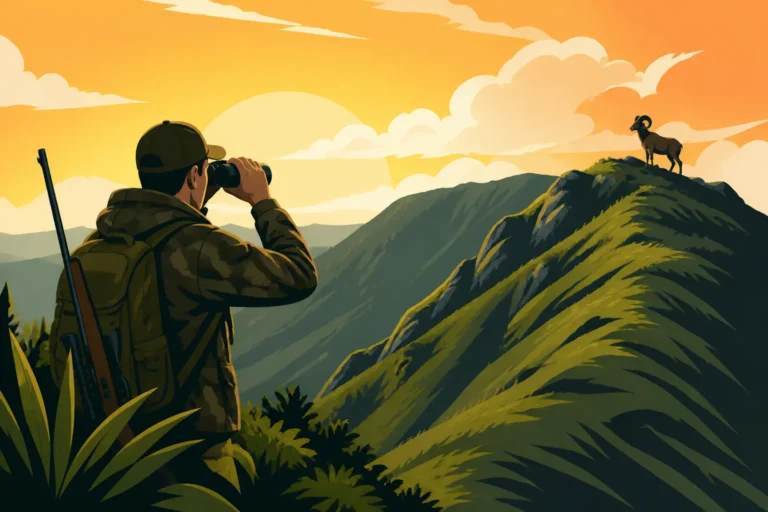
Once you've done your scouting, it's time to put a tactical plan into action. Puu Waawaa lends itself well to several hunting styles. Spot-and-stalk is highly effective, especially for Mouflon in the more open, higher elevation areas. This involves getting to a vantage point before first light, glassing the slopes thoroughly with good optics, and then carefully planning your approach once an animal is spotted. The key here is patience and using the terrain to your advantage to stay hidden. Wind direction is critical in Hawaii, as thermals can shift dramatically with elevation and time of day, so Hunting Downwind in Hawaii's Shifting Thermals is a skill you'll want to master. For goats, hunting the steeper gulches and brushy areas might require still-hunting or even dog hunting if permitted (always check current regulations). Walk slowly, pause frequently, and use your eyes and ears to detect movement.
For hunters targeting Mouflon specifically, understanding their preferences for higher, drier ground, especially the mamane forests and open lava flows, is key. You might find them grazing in the cool mornings or evenings on ridges or near old roads. Goats, on the other hand, will often cling to steep, broken terrain and thickets, making for a challenging and physically demanding hunt. For Hunting Mouflon at Puu Waawaa, patience with your glassing and a slow, methodical approach are your best friends. Remember that the weather can change quickly on the slopes of Hualalai, so be prepared for rain, wind, and intense sun, and carry plenty of water.
| Species | Primary Habitat | Typical Season Type | Key Hunting Tactic | Physical Demand |
|---|---|---|---|---|
| Mouflon | Open slopes, Mamane forest, Cinder cones | Drawn, Archery/Rifle | Spot-and-stalk, Glassing | High |
| Feral Goat | Steep gulches, Kiawe thickets, Lava flows | Drawn, Archery/Rifle | Still-hunting, Spot-and-stalk | Very High |
| Feral Pig | Dense brush, Wet pockets, Gulches | Drawn, Archery/Rifle/Dog | Still-hunting, Dog hunting | Medium to High |
This table provides a generalized overview, and specific hunt details are always subject to change by DOFAW. Always refer to the most current regulations for Puu Waawaa before planning your hunt. The unique challenges of Hunting Hawaii's Volcanic Terrain mean that durable gear, especially good boots, is non-negotiable.
Preparing for the Physical Demands
Hunting in Puu Waawaa is not for the faint of heart. The terrain, combined with Hawaii's intense sun and humidity, can quickly exhaust even seasoned hunters. You'll be climbing steep slopes, traversing uneven lava fields, and pushing through dense brush. Physical fitness is a major component of success and safety here. Carrying enough water is absolutely critical; do not underestimate how quickly you can dehydrate. Beyond hydration, proper footwear is paramount. Boots need to offer excellent ankle support for rocky terrain and be durable enough to withstand abrasive lava and thorns. It's not just about the hunt; it's about being able to pack out your harvest, which often means long, arduous treks with heavy loads through difficult country. Be honest with yourself about your physical capabilities, and train accordingly.
Conservation and Respect for the Aina
When you hunt in Puu Waawaa, you're not just pursuing game; you're engaging with a deeply significant landscape to the people of Hawaii. Showing respect for the 'aina (land) and adhering to all rules and regulations is crucial. This includes packing out all your trash, avoiding disturbing cultural sites, and minimizing your impact on the environment. Hawaii's hunting regulations are designed not only for safety and fair chase but also to protect native species and habitats from the impacts of introduced animals. By following the rules, you contribute positively to the future of hunting and conservation in the islands. It's a privilege to hunt these lands, and respecting that privilege ensures these opportunities remain for generations to come. Hawaii Hunter Education Requirements emphasizes the importance of responsible hunting practices, and those principles are especially pertinent in a place like Puu Waawaa.
Disclaimer
This article is for general informational purposes only and does not constitute professional advice. Laws, prices and regulations vary by location and change over time. Consult a qualified professional for guidance on your specific situation.