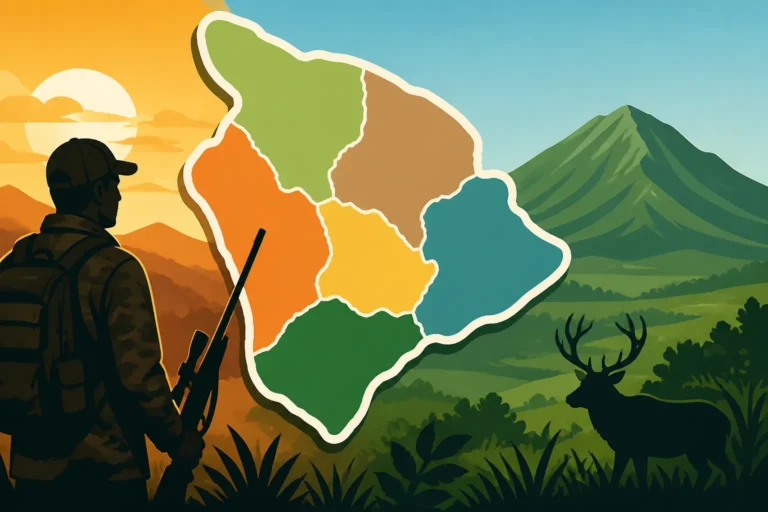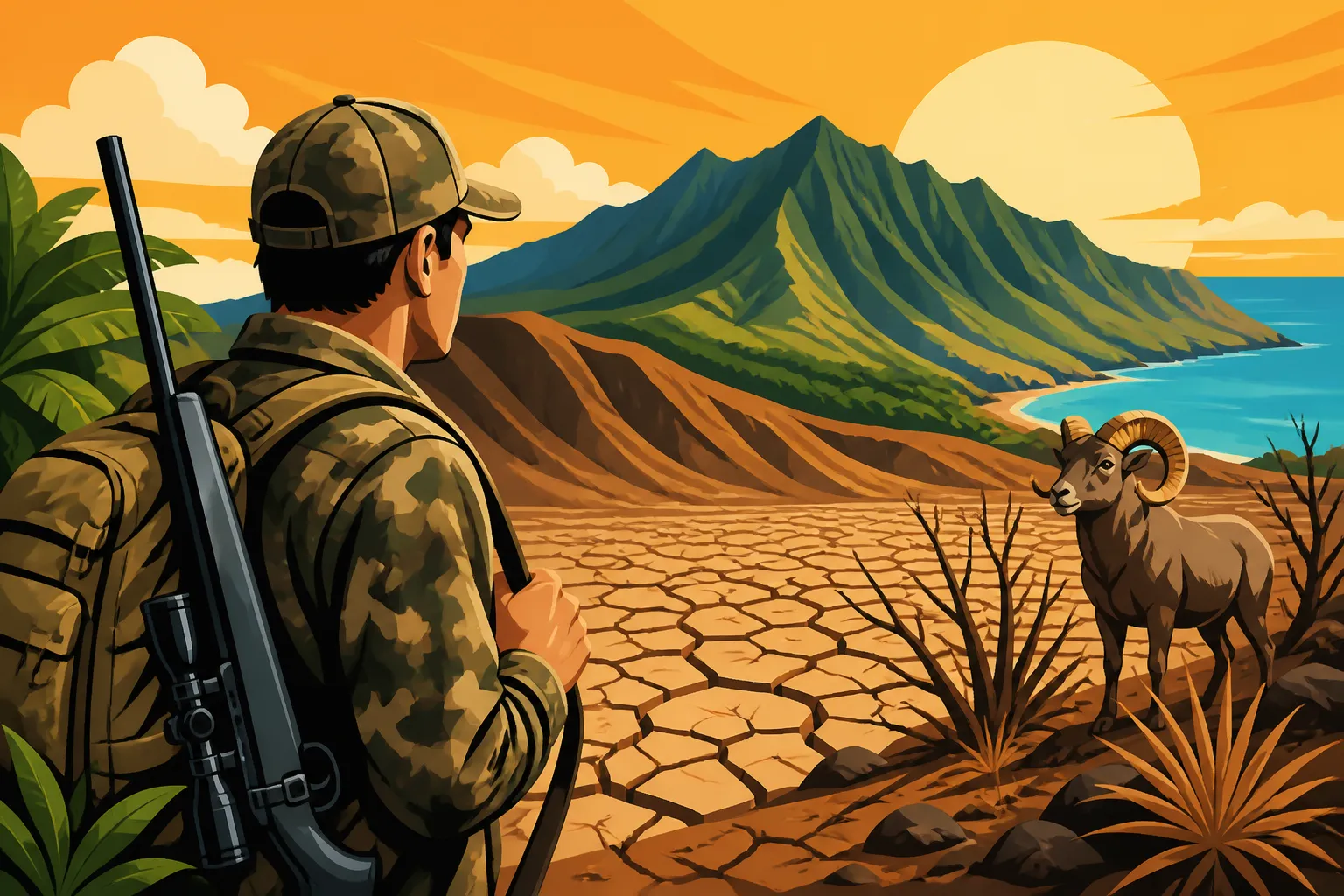
Hunting a Hawaii Unit in Drought
Hunting in Hawaii presents unique challenges, and few are as impactful as a prolonged drought. When the islands dry out, the game animals you pursue – from axis deer to pigs and goats – drastically alter their behavior, making your usual hunting strategies far less effective. This guide will dive deep into how drought conditions reshape the Hawaiian landscape and animal movements, providing you with actionable strategies to find success when the rains don't fall.
Understanding Drought's Impact on Hawaii Game
Drought isn't just about less water; it transforms entire ecosystems, and in Hawaii, where water sources can already be limited in certain areas, the effects are magnified. Animals like axis deer, feral pigs, and goats are incredibly resilient, but they are also creatures of habit, and drought shatters those habits.
Changes in Forage and Feeding Patterns
When the land gets dry, the lush greenery that normally provides sustenance for grazing and browsing animals quickly withers. This means that the prime feeding areas you've scouted in wetter years might become barren. Axis deer, for instance, which typically browse on a variety of plants, will become far more selective, seeking out any remaining green growth, often in deeper, shadier gulches or areas that retain moisture longer. What Axis Deer Eat on Maui describes their usual diet, but in a drought, that menu shrinks dramatically. Pigs, renowned for their rooting habits, will find the ground too hard to dig for tubers and invertebrates, forcing them to look elsewhere for food, often concentrating near agricultural edges or areas where fruit might still be available. Goats, being notoriously hardy, might seem less affected, but even they will move off sun-baked, exposed ridges to find any sparse browse or lick minerals.
The nutritional value of what is available also plummets. This stress can lead to animals being in poorer condition, which impacts antler growth in deer or overall body size in pigs. They'll spend more time actively seeking forage, often moving during parts of the day when they'd normally be bedded down, simply because the effort required to find food is so much greater. This change in energy expenditure directly influences their patterns of movement and rest.
Concentration Around Limited Water Sources
This is perhaps the most significant change drought brings. Water becomes the ultimate magnet. While some animals, like certain goats, can derive a lot of moisture from their forage, everyone needs to drink eventually. Natural springs, seeps, stock ponds, and even temporary puddles become critical hubs of animal activity. Where Axis Deer Water in Dry Season really highlights how crucial these spots are, and in a drought year, that emphasis is tenfold.
Animals will travel further, sometimes miles, to reach reliable water. This means traditional bedding areas far from water might be abandoned in favor of spots closer to a drink. It also means you'll see increased competition and congregation around these remaining water points. This can make them excellent ambush points, but it also means the animals will be incredibly wary. If you're using a tool like onX Hunt, carefully marking every potential water source, no matter how small or ephemeral, becomes paramount. These smaller, hidden seeps might be overlooked by other hunters and could provide a quieter, less pressured opportunity.
Shift in Daily Movement and Bedding
In normal conditions, game animals often have fairly predictable routines: feed in the morning and evening, bed down during the hottest parts of the day. In a drought, these routines can go out the window, especially in Hawaii's already warm climate. Animals might become more nocturnal, moving and feeding primarily under the cover of darkness to avoid the intense heat and conserve moisture. This makes daytime hunting incredibly challenging.
When they do move during the day, it's often directly between a bedding area and a water source, or to seek deep shade. Look for animals to bed in the densest, shadiest cover they can find – thick guava tangles, deep gulches with heavy canopy, or the north-facing slopes of hills where the sun hits less directly. These areas offer both thermal cover and often, residual moisture. Understanding these shifts is key to success, as blindly walking into traditional feeding grounds during the midday heat will likely yield nothing but empty trails.
Key Strategies for Hunting During a Drought
Adapting your approach is non-negotiable when hunting a Hawaii unit in drought. What worked last year might not work at all this year.
Focusing on Water Sources and Green Forage
As mentioned, water is king. Your scouting and hunting efforts should revolve almost entirely around identifying and monitoring every potential water source. This includes natural springs, seeps, stock ponds, and even man-made troughs. Even dry stream beds that might have isolated pockets of water deeper down or seeps along their banks are worth investigating. Hunting a Water Source in Dry Hawaii Country provides a great foundation for this.
Once you've identified these areas, look for fresh tracks and sign leading to and from them. Animals will create well-worn trails to these spots. Set up ambushes well before dawn or stay until last light. Consider the wind carefully; animals will approach water with caution, often circling downwind to scent-check the area before committing. You might even find success in glassing these water sources from a distance during the middle of the day, as animals might make quick, opportunistic visits when they feel the pressure is off. Axis Deer in a Drought Year further emphasizes how critical this strategy is.
| Water Source Type | Typical Animal Activity | Hunting Strategy |
|---|---|---|
| Natural Springs/Seeps | Consistent traffic, often well-worn trails. | Ambush points, morning/evening sits. |
| Stock Ponds/Troughs | Frequent visits, especially by larger herds. | Glass from a distance, spot-and-stalk if cover allows. |
| Rain Puddles/Ephemeral | Highly opportunistic, quick visits, less predictable. | Check after rain, scout for residual moisture in depressions. |
| Wet Gulches/Draws | Often have residual moisture, some green browse. | Still-hunt slowly, focus on shaded pockets and dense cover. |
Beyond water, seek out any remaining pockets of green vegetation. These might be found in deep, shaded gulches, near perennial streams, or in irrigated agricultural areas adjacent to public hunting lands. Pigs, in particular, will gravitate towards these spots. Identifying these micro-climates where plants can still thrive is essentially finding a hidden food pantry in a barren landscape.
Adapting Movement and Timing
Since animals often move more during cooler times or under cover of darkness, your hunting schedule might need adjustment. Early mornings and late evenings become even more critical. Consider starting your hunt well before first light, giving you time to get into position near a water source or a promising feeding area before animals arrive. Similarly, staying out until true last light, or even after, can pay dividends. Hunting Axis Deer at First Light in Hawaii is always a good practice, but in drought, it's paramount.
Midday hunting might be less productive in terms of active movement, but it can be effective for still-hunting bedding areas. Animals will be seeking deep shade and cool spots. Move slowly, quietly, and deliberately through dense cover, paying close attention to any thermal pockets or areas with slightly higher humidity. Still-Hunting Pigs in Hawaii's Wet Forest applies even in drought if you find those localized damp zones. When using your GoHunt or onX Hunt app, pay attention to terrain features that create shade or funnel animals toward the remaining resources. Mark potential bedding areas and approach them with extreme caution, always mindful of the wind.
Utilizing Spot-and-Stalk Effectively
In drier conditions, the ground is often harder and noisier, making a quiet approach more difficult. This is where spot-and-stalk tactics shine, especially in more open, leeward terrain. Spot-and-Stalk Tactics on Open Country are already great, but in a drought, animals might be more exposed as they travel between distant resources. Climb to high vantage points at first light and spend significant time glassing. Glassing Lanai's Open Ridgelines can be incredibly effective when animals are forced to move across open ground to reach water or isolated pockets of food.
A good pair of binoculars or a spotting scope is indispensable. Look for any movement, even the slightest twitch of an ear in the distant heat haze. Once you spot an animal, carefully plan your stalk, using terrain features like gulches, ridges, or kiawe thickets for cover. Remember that animals might be more alert due to stress and increased pressure, so patience and a slow, methodical approach are key. With the dry ground, scent control is still important, but reducing noise from your boots becomes equally crucial.
Gear and Preparation for Dry Conditions
Hunting in drought in Hawaii isn't just about changing tactics; it also requires specific adjustments to your gear and preparation. The elements can be harsh, and being unprepared can quickly turn a hunt into a miserable experience, or worse, a dangerous one.
Essential Water and Hydration Planning
This cannot be stressed enough: carry more water than you think you'll need. Hawaii's sun is intense, and the exertion of hunting, especially up and down gulches, will dehydrate you quickly. Even if you plan to hunt near a known water source, always have your own supply for drinking. Electrolyte packets can also be a lifesaver, helping your body retain essential salts lost through sweat. Water and Heat Planning for a Hawaii Hunt is an absolute must-read before heading out.
Consider a hydration pack in addition to water bottles. This makes it easier to take frequent sips without breaking your stride or making unnecessary movements. Also, if you plan on extended hunts or venturing into more remote areas, a reliable water filter or purification tablets are wise backups, allowing you to safely consume water from natural sources if absolutely necessary. Ensure your chosen filter can handle the often turbid or muddy water you might find in a drought-stricken Hawaiian puddle.
Footwear and Clothing for Dry, Rough Terrain
The ground in drought-affected Hawaii units can be brutal. Expect hard-baked earth, sharp lava rock, and crunchy dry vegetation. Your footwear needs to be robust, offering excellent ankle support and a stiff sole to protect your feet. Quality hiking boots are essential. Walking Rough Lava Without Wrecking Your Boots is a real concern; blown-out soles or twisted ankles are common issues for hunters unprepared for this terrain.
Clothing should be lightweight, breathable, and provide good sun protection. Long sleeves and pants, even in the heat, can protect you from the sun's UV rays and abrasive vegetation. Quick-drying materials are a bonus, as you'll be sweating. Consider wearing a wide-brimmed hat and sunglasses. Even in dry conditions, pockets of thick brush can still snag, so durable fabrics are preferred. Camouflage patterns that mimic the muted, golden-brown tones of dried grass and kiawe can be more effective than lush green patterns.
Field Care in Elevated Temperatures
Once you've harvested an animal in drought conditions, rapid field care is paramount. The combination of high ambient temperatures, potentially poor animal condition, and lack of shade means meat can spoil incredibly fast. Field Dressing Axis Deer in Hawaii Heat and Cooling Meat Fast on a Hawaii Hunt are vital guides. Get the animal gutted immediately to start the cooling process. Skinning it in the field, if feasible, will help even more.
Have game bags ready to protect the meat from flies and dirt. If you're fortunate enough to be near a vehicle, immediately transfer the quartered meat into coolers packed with ice. If you're deep in a gulch, you'll need a solid plan for Packing Meat Out of a Hawaii Gulch and getting it to ice as quickly as possible. This might mean making multiple trips or having a partner ready to assist. Don't skimp on ice; it's a small investment that protects your hard-earned harvest.
Locating Game in Water-Scarce Units
Finding game when resources are scarce demands a methodical and adaptable approach, heavily relying on scouting, technology, and understanding animal psychology.
Scouting for Residual Moisture and Hidden Seeps
Before your hunt, dedicate time to scouting specifically for lingering moisture. This means going beyond obvious water sources. Look for the deepest, shadiest gulches, especially those with steep, north-facing slopes that receive less direct sunlight. Even if a stream bed is dry, there might be isolated pools deeper down, or seeps along shaded rock faces. Hawaii Units With Water You Can Reach might be your primary targets.
Pay attention to plant life. Any patches of vibrant green vegetation in an otherwise parched landscape are huge indicators of residual moisture. These areas might be small, but they will attract animals. Use binoculars to scan these areas for subtle signs like fresh tracks, droppings, or disturbed earth. These small, overlooked pockets can be honey holes when everything else is dry. Your onX Hunt app can help identify contour lines and potential draws that might hold moisture longer.
Reading Sign Along Game Trails and Drainages
With animals concentrating around fewer resources, game trails leading to and from these spots will be heavily used. Look for fresh tracks, not just any tracks. Freshness indicates recent activity. Pay attention to the size and direction of the tracks. Also, look for disturbed vegetation, droppings, and rubbed trees (especially for axis deer). Reading Axis Deer Sign in Dry Country is a crucial skill to hone in these conditions.
Drainages and gulches act as natural highways for animals, even when dry. They provide cover, cooler temperatures, and often lead to water sources. Still-hunt these drainages slowly and deliberately. Animals will often skirt the edges of thick cover within these drainages, making them predictable travel corridors. Pay attention to the prevailing wind direction; animals will typically move into the wind or quartering into it, giving them a scent advantage.
Utilizing Topography to Your Advantage
In dry, open country, topography becomes your best friend. High points allow you to glass vast expanses, spotting animals moving between distant water and bedding areas. Ridges can provide excellent cover for a stalk, allowing you to move unseen. Conversely, deep gulches and canyons can offer thermal refuge for animals and conceal your approach. Hunting Hawaii's Dry Leeward Country often means dealing with significant elevation changes and exposed terrain.
When planning your approach or a stalk, always consider how the topography affects the wind. In Hawaii, thermals can be highly unpredictable, especially in varied terrain. Mornings often see thermals rising, carrying your scent uphill, while evenings see them falling, carrying scent downhill. Drought can intensify these effects as the ground heats and cools more rapidly. Use these thermal shifts to your advantage, or at least be aware of them to avoid being winded. By understanding how animals use the land in these stressful times, and by leveraging your own knowledge of the terrain, you stand a much better chance of success.
Disclaimer
This article is for general informational purposes only and does not constitute professional advice. Laws, prices and regulations vary by location and change over time. Consult a qualified professional for guidance on your specific situation.