What a Hawaii Guide Cannot Do for You
When you dream of hunting in Hawaii, it's easy to picture a guide handling every single detail, from spotting your trophy animal to packing your lunch. However, setting realistic expectations for what your guide can and cannot do is absolutely crucial for a successful and frustration-free experience. This guide will clarify the boundaries of a Hawaiian hunting guide's services, helping you understand their role and what responsibilities ultimately remain with you.
Understanding the Guide's Core Role and Responsibilities
A Hawaii hunting guide is essentially a professional service provider. They offer expertise in local game, terrain, and hunting methods, leveraging their knowledge to increase your chances of success. But just like any professional, their services come with specific boundaries and legal limitations. It’s not a blank check for all your hunting desires.
Not a Guarantee of Success
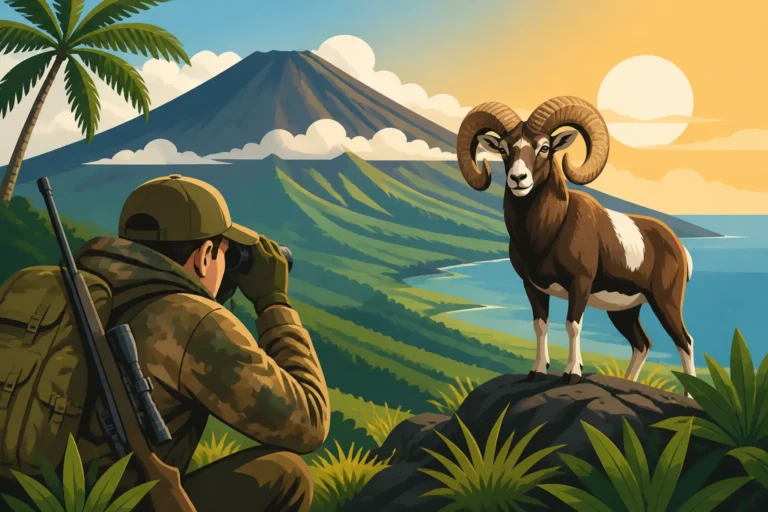
One of the biggest misconceptions first-time hunters in Hawaii often have is that hiring a guide guarantees a trophy animal. While a good guide will significantly improve your odds, especially when you're Hunting Hawaii's Volcanic Terrain or navigating dense rainforest, they cannot guarantee a kill. Wildlife is wild, and even the most experienced guide can't control every variable. The animals might not cooperate, the weather could turn, or shot opportunities might simply not present themselves.
Guides are there to put you in the best possible position, to interpret sign, to call game, and to help you execute a hunt. They share their deep understanding of Axis Deer, Hawaii's Signature Big Game or Hawaii's Feral Pigs, Island by Island movements and habits. They’ll work tirelessly to find game, but ultimately, pulling the trigger and making a clean shot is entirely your responsibility. Expecting a guaranteed animal not only puts undue pressure on your guide but also sets you up for disappointment. It's about the quality of the hunt and the effort, not just the outcome.
Not a Legal or Administrative Agent
Navigating Hawaii's hunting regulations can feel like a labyrinth, especially for out-of-state hunters. You might think your guide will handle all the paperwork, permits, and licensing details for you. While many reputable guides will offer helpful advice and point you in the right direction, they are generally not legally authorized to purchase your Hawaii Hunting Licenses and What They Cost or acquire your Hawaii's Permit-Tag System Works on your behalf. These are personal documents and responsibilities.
You, as the hunter, are ultimately responsible for understanding and adhering to all state and county regulations, including carrying your license and tags, knowing Hawaii's Legal Weapons by Season, and understanding bag limits for species like Axis deer or feral pigs. Your guide's role is to ensure their operations comply and to guide you within those rules. They cannot bend or break laws for you, nor can they typically expedite or process your paperwork. Websites like GoHunt or BookYourHunt might offer booking services, but the legalities of personal licensing and permits remain yours. It’s always best to arrive in Hawaii with all your necessary permits and licenses already secured and thoroughly reviewed.
Beyond the Hunt: What Guides Can't Handle
A guided hunt focuses primarily on the hunting experience itself: finding game, stalking, and assisting with the retrieval and initial field care. However, many aspects of your trip, even those seemingly related to the hunt, fall outside a guide's direct responsibilities.
Personal Logistics and Travel Planning
While some larger outfitters might offer recommendations for accommodations or transport, a guide's primary service doesn't extend to being your personal travel agent. This means booking your flights, arranging ground transportation from the airport to your lodge, or finding hotels for non-hunting days is generally up to you. Don't expect your guide to pick you up from a distant airport unless it's explicitly part of a pre-arranged, premium package, and even then, clarify the details.
Moreover, if you plan to extend your stay for tourism, dining, or other activities, these are entirely separate from your hunting itinerary. Your guide might be a friendly local with great tips, but their professional obligation ends once the hunt concludes. They are focused on Traveling to Hawaii for a Hunt in terms of the actual hunt logistics, not your entire vacation. Consider arranging your own rental car or rideshares, especially if your hunting unit is far from public transport or requires specific access like a 4WD vehicle.
Unrealistic Expectations for Game Management
Hunters often have strong opinions about game populations, habitat, and how animals are managed. You might arrive in Hawaii with ideas about how the local pig population should be controlled or how more mouflon sheep should be available. While guides are intimately familiar with the local ecosystem and the challenges of managing Hawaii's Feral Pigs, Island by Island or Mouflon Sheep on Hawaii's Volcanoes, they are not the decision-makers for state wildlife policy.
They cannot change season dates, alter bag limits, or influence access restrictions on public lands. Issues like Hawaii's Fenced Conservation Boundaries or specific unit closures are determined by the Department of Land and Natural Resources (DLNR) or private landowners, not individual guides. While they can explain the current situation and share their observations from the field, they can't lobby for you or modify existing game management plans to fit your hunting desires.
Limitations on Public vs. Private Land Hunts
The distinction between hunting on public and private land in Hawaii significantly impacts what a guide can do and what rules apply. It's not a one-size-fits-all scenario.
Public Land Restrictions and Ethical Boundaries
When hunting on public lands in Hawaii, guides operate under strict rules that govern the entire area. This includes things like designated hunting units, specific open seasons, weapon restrictions, and limitations on vehicle access. For example, on certain public draw hunts like those on Lanai, guides are not permitted at all to ensure fairness and equal opportunity among hunters. So, if you're eyeing a spot in Hunting Lanai's Drawn Axis Deer Weekends, remember that a guide won't be accompanying you.
Even where guides are allowed, they cannot trespass onto adjacent private property, nor can they encourage you to do so. They must adhere to all check-in and check-out procedures for the unit, like those outlined in Checking In and Out of Hawaii Hunting Units. A guide's priority on public land is to conduct a legal and ethical hunt within the established framework, respecting both the regulations and other users of the land. This means they won't cut corners or knowingly put you in a position that violates public land rules, even if it might seem like an easier way to find an animal.
Private Land Access and Rules
Conversely, guides operating on private ranch lands often have more flexibility within those specific boundaries, but this comes with its own set of rules and limitations. The guide is bound by the agreement with the landowner, which may dictate specific areas where hunting is allowed, types of animals that can be harvested, and even the number of hunters permitted at one time. Hawaii Private Ranch Hunts offer unique opportunities, but access is granted at the discretion of the owner, not the guide.
A guide cannot give you permission to bring additional guests or hunt beyond what was agreed upon in your booking without prior arrangement with the ranch. They also cannot bypass any private land fees or special rules set by the ranch, such as vehicle restrictions or ethical guidelines for hunting around livestock. The guide acts as the liaison and operator within these private land agreements, ensuring that both you and they comply with the landowner's wishes, which often involve maintaining long-standing relationships crucial for their business.
Safety, Regulations, and Personal Conduct
Hunting involves inherent risks, and adherence to safety protocols and legal regulations is paramount. While guides are responsible for providing a safe hunting environment and ensuring their own compliance, they cannot be held accountable for every aspect of your personal conduct or your attempts to skirt the rules.
Circumventing Regulations
It’s tempting to imagine that a guide, with their local knowledge, might have a 'secret' way around certain regulations, especially concerning bag limits or season dates. Let's be absolutely clear: a reputable Hawaii hunting guide will never facilitate or condone breaking hunting laws. This includes attempting to take more animals than legally allowed, hunting out of season, or using prohibited weapons for Muzzleloader Hunting in Hawaii or Bowhunting Hawaii's Public Units.
If you ask a guide to ignore a specific rule, they are ethically and legally bound to refuse. Their license, reputation, and livelihood depend on strict compliance. Engaging in illegal activities would not only put the guide at severe risk but also expose you to significant legal penalties, including fines, confiscation of equipment, and loss of hunting privileges. Think of it this way: your guide is there to help you succeed within the rules, not outside of them.
Providing Personal Gear or Expertise Outside Scope
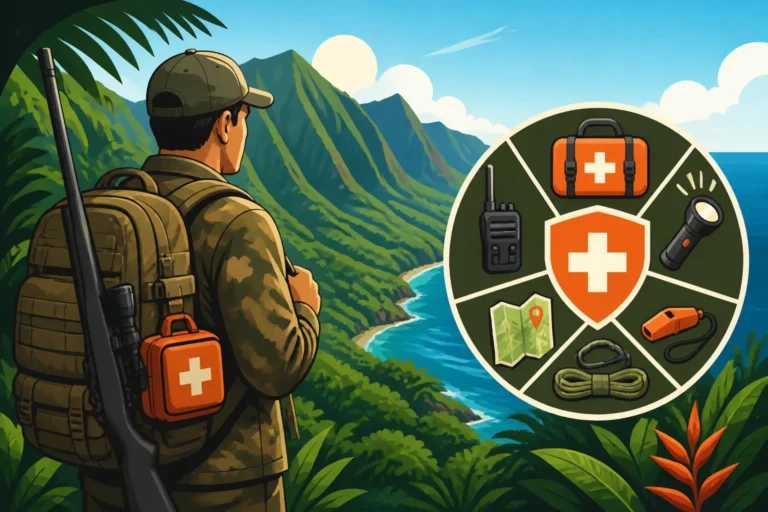
While some guided hunts may offer a rental rifle, optics, or other basic equipment as part of a package (always confirm this beforehand!), you cannot expect your guide to supply all your personal hunting gear. This includes specialized clothing, boots suitable for Walking Rough Lava Without Wrecking Your Boots or wet rainforest, personal first-aid kits, or any comfort items. They might have spare items in an emergency, but it's not their responsibility to fully equip you.
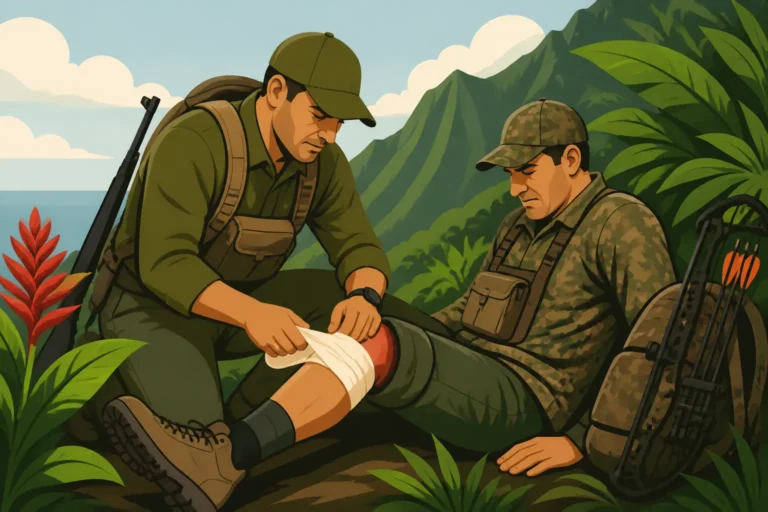
Similarly, while guides are experts in hunting, they typically aren't trained medics, mechanics, or legal advisors. If you experience a serious medical emergency, they will initiate emergency protocols and get you to help, but they aren't your personal doctor. If your rental vehicle breaks down on the way to the unit, that's generally your problem to solve, not theirs. Their expertise is specific to the hunt itself. Ensure you bring all your personal essentials and understand that their scope of expertise is focused on the hunting experience.
Financial Realities and Post-Hunt Services
Understanding the financial agreement and the scope of post-hunt services is crucial to avoid surprises. A guide's fee covers specific services, and anything beyond that usually incurs additional costs or falls outside their domain.
Unexpected Costs and Hidden Fees
When you book a hunt, the quoted price typically covers the guide's service, access fees (if on private land), and possibly some basic field care. However, many "extras" are not included and can quickly add up. These often include licenses, tags (like what nonresidents pay for a What Nonresidents Pay for a Lanai Deer Tag), ammunition, special trophy fees for larger animals, meat processing, taxidermy, and transportation of meat or trophies. Even Tipping a Hawaii Guide is an expectation that falls outside the upfront fee, and while optional, it's customary to acknowledge good service.
Always ask for a detailed breakdown of what is and isn't included in your package before booking. Don't assume anything. A good outfitter, whether found through BookYourHunt or directly, will provide a clear list. If you decide last minute that you want to harvest a second animal, be prepared for additional tag and trophy fees, which the guide cannot waive or absorb for you. Transparency from the outset prevents any uncomfortable surprises at the end of your adventure.
Processing and Shipping Game Beyond Basic Field Care
After a successful harvest, your guide will perform essential Field Dressing Axis Deer in Hawaii Heat to preserve the meat in the field. This typically includes gutting the animal, quartering it if necessary for packing, and getting it to a cooler. However, beyond this initial field care, the long-term processing and transportation of your game meat or trophy are generally your responsibility.
This means finding a butcher to cut and wrap your meat, arrange for freezing, and coordinate shipping back home or between islands. Guides rarely include these services in their standard fees, although they can often provide recommendations for local processors. Similarly, if you want a taxidermy mount, you'll need to arrange for a taxidermist to handle the cape and horns and then coordinate shipping. The guide’s job is primarily to get the animal out of the field in good condition; the journey from there to your freezer or wall is usually up to you. For more on this, check out Getting Meat Processed on a Hawaii Hunt and Shipping Meat Home From Hawaii.
Cultural Nuances and Respectful Engagement
Hawaii has a rich culture and deep reverence for its land and resources. As a visitor, whether guided or self-guided, understanding and respecting these cultural nuances is paramount. Your guide is there to help you navigate the hunting experience, but they are not there to mediate cultural disrespect or to shield you from the consequences of poor conduct.
Disregarding Local Customs and Land Ethics
Hawaii's hunting community operates with a strong sense of respect for the land, the animals, and fellow hunters. This often includes traditions of sharing meat, expressing gratitude for the harvest, and adhering to unwritten rules of etiquette on public or shared private lands. Your guide can certainly explain some of these customs, but they cannot force you to adopt them, nor can they overlook blatant disregard for local values.
For instance, disrespecting a game animal by leaving edible meat in the field, making excessive noise, or littering would be highly frowned upon and could reflect poorly on your guide. Hunting in Hawaii is deeply intertwined with the concept of malama 'aina—to care for the land. Your guide cannot be responsible for your attitude or behavior towards these principles. It's your personal duty to engage respectfully, listen to their advice regarding local customs, and approach your hunt with humility and appreciation for the unique environment you are in.
Here's a quick comparison of what guides typically do versus what they don't do:
| Aspect | What a Guide Typically Does | What a Guide Typically Cannot Do |
|---|---|---|
| Hunt Success | Improve odds, locate game, advise on strategy, assist with field care. | Guarantee a kill, control animal behavior, make the shot for you. |
| Legal/Admin | Advise on regulations, ensure their operation is compliant. | Buy your personal license/tags, bypass legal requirements. |
| Personal Logistics | Offer recommendations for local services, transport to/from unit. | Book your flights/hotels, arrange non-hunt tourism. |
| Game Management | Explain current conditions, adhere to unit/season rules. | Change season dates, alter bag limits, bypass closures. |
| Public Land Access | Navigate designated units, respect boundary lines. | Trespass, violate unit rules (e.g., guide bans), disregard other users. |
| Private Land Access | Operate within landowner agreements, manage specific hunt areas. | Deviate from ranch rules, allow unauthorized guests, waive fees. |
| Safety | Provide safe hunting environment, emergency protocols, first aid basics. | Be your personal doctor, prevent all accidents from your conduct. |
| Gear | Provide some shared equipment (e.g., spotting scope), offer rifle rental. | Equip you entirely, provide specialized personal gear. |
| Post-Hunt Services | Field dress, quarter game, get it to initial cold storage. | Process meat into cuts, arrange all shipping, handle taxidermy details. |
| Cultural Respect | Advise on local etiquette, lead by example. | Force your respect, shield you from consequences of disrespect. |
| Financial | Quote clear prices for services included. | Absorb extra fees (e.g., trophy fees), waive tips. |
Disclaimer
This article is for general informational purposes only and does not constitute professional advice. Laws, prices and regulations vary by location and change over time. Consult a qualified professional for guidance on your specific situation.