Hunting Puu Waawaa’s Archery Season
Facing the rugged, dry landscape of Hawaiʻi Island's Puʻu Waʻawaʻa unit with a bow in hand presents a truly unique challenge, demanding sharp skills, rigorous preparation, and a deep understanding of the terrain. This guide is dedicated to helping archers navigate the specific demands of hunting this remarkable area, from securing your permit to quartering an animal in the field.
Understanding Puʻu Waʻawaʻa's Unique Archery Challenge
Puʻu Waʻawaʻa isn't just another hunting unit; it's a living, breathing landscape sculpted by ancient lava flows and dotted with iconic Hawaiian dryland forests. For archers, this means a very specific set of environmental and game animal behaviors to understand. You're not just chasing an animal; you're immersing yourself in a place that demands respect and a different approach than what you might be used to on the mainland.
The Dryland Forest and Volcanic Terrain
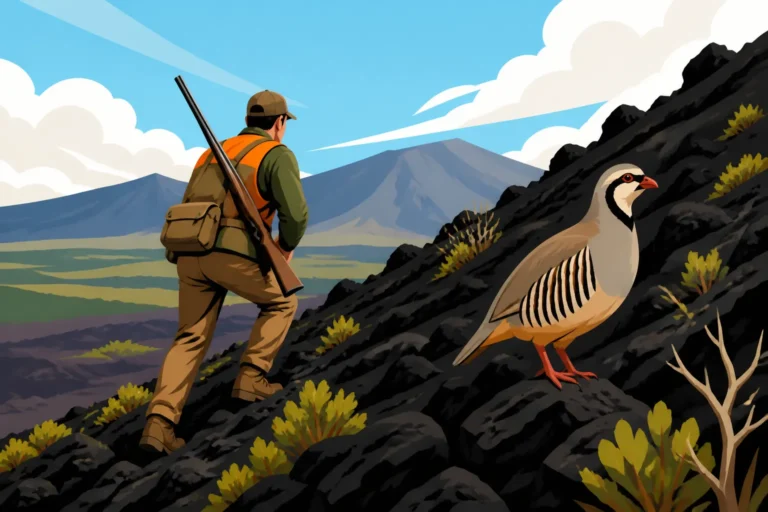
Imagine walking across ancient lava fields, where the ground crunches underfoot, and thorny kiawe trees stand testament to the arid conditions. This is much of Puʻu Waʻawaʻa. The dominant vegetation here is often the native mamane and naio trees, forming an open, sparse forest that can offer some concealment but also demands careful movement. These trees are not dense like a rainforest, and visibility can extend quite far in places, making closing the distance on wary animals a true test of stealth. It’s a completely different ballgame than hunting in thick, wet jungles for feral pigs; here, silence and patience are your best friends. You’ll be traversing varied terrain, from relatively flat plains to rolling hills and steep cinder cones, all covered in loose volcanic rock. This rugged ground is unforgiving on boots and ankles, so sturdy, ankle-supporting footwear is an absolute must. Think about how to effectively navigate Walking Rough Lava Without Wrecking Your Boots.
Target Species: Mouflon and Feral Goats
The primary draw for archers in Puʻu Waʻawaʻa is often the Mouflon sheep. These animals, characterized by their impressive curled horns on the rams, are known for their keen eyesight and ability to blend into the tawny landscape. They often graze in open areas, but will quickly disappear into the sparse brush or behind a cinder cone at the first sign of danger. Feral goats are also present, offering another challenging target. Goats are notoriously agile and can be found in more broken, rocky terrain or even on the steeper slopes of the pu'u (hills). Both species are incredibly wary, and the open nature of the unit makes a true spot-and-stalk archery hunt incredibly difficult but rewarding. Understanding their behavior – when they feed, when they water, and where they seek shade – is crucial. Remember, while both are challenging, their preferred habitats can differ slightly, so scouting for both types of sign is a smart move.
Climate and Water Scarcity
Puʻu Waʻawaʻa sits on the leeward (dry) side of Hawaiʻi Island, meaning it gets significantly less rainfall than the windward (Hilo) side. This creates an arid environment that can be brutal, especially during the archery season which often coincides with warmer months. Temperatures can soar, and the sun is relentless. Water sources are few and far between, often limited to artificial guzzlers or natural seeps that can dry up. This scarcity dictates animal movement: they will travel to water. Identifying these crucial water points and understanding Hunting a Water Source in Dry Hawaii Country can be a game-changer for archers. Hydration is not just important for the animals; it's absolutely critical for hunters. Carrying ample water is non-negotiable, and planning your hunt around shade and cooler parts of the day can make all the difference between a successful outing and a miserable one.
Navigating the Permit and Season Specifics
Hunting in Hawaiʻi, especially for desirable species like Mouflon on units like Puʻu Waʻawaʻa, isn't a walk-up-and-hunt scenario. It involves a structured permit and lottery system designed to manage wildlife populations and hunting pressure. Getting your ducks (or in this case, your mouflon) in a row before you even think about stringing an arrow is paramount.
The Drawn Hunt Application Process
The archery season in Puʻu Waʻawaʻa for Mouflon sheep is typically a highly sought-after, limited-entry, drawn hunt. This means you can't just buy a tag over the counter and show up. You'll need to apply through the Department of Land and Natural Resources (DLNR) Division of Forestry and Wildlife (DOFAW) system. Applications are usually submitted online via the GoHunt Hawaii portal. This process involves specific application periods and a lottery drawing, where successful applicants are randomly chosen. Missing the deadline by even a day means you're out of luck for the season, so mark your calendars way in advance. For non-residents, this also means ensuring you understand Hawaii Hunter Education Requirements and have fulfilled them well before the application period. The entire system is detailed, so pay close attention to all instructions when applying.
Key Season Dates and Bag Limits
Once you've successfully drawn a permit, you'll be assigned specific hunt dates. These hunts are often structured as weekend-only affairs or designated blocks of days. It's critical to know your assigned dates and adhere strictly to them, as hunting outside your permitted period is a serious violation. The bag limits for Mouflon sheep in Puʻu Waʻawaʻa are usually very specific, often an either-sex tag, sometimes a specific ram tag, or a combination including feral goats. Always double-check the current year's hunting regulations for the exact details. These regulations are published annually by DOFAW and are the ultimate authority. You can often find a summary of Hawaii Island Hunting Unit Seasons that will list the Puʻu Waʻawaʻa dates and rules. Knowing what you're allowed to take, and when, prevents any misunderstanding in the field.
| Species | Season Type | Typical Bag Limit | Legal Weapons (Archery) | Notes |
|---|---|---|---|---|
| Mouflon Sheep | Drawn Hunt | 1 Per Permit | Bow & Arrow | Often either-sex, sometimes ram specific |
| Feral Goat | Opportunity | Varies | Bow & Arrow | Typically unrestricted on drawn sheep hunts |
| Feral Pig | Opportunity | Varies | Bow & Arrow | Present, but not primary target species |
Note: Always consult the current year's Hawaiʻi DOFAW Hunting Regulations for precise dates, bag limits, and rules, as these can change annually.
Check-In, Check-Out, and Unit Regulations
Even after securing your permit, the administrative side isn't over. All hunters are required to Checking In and Out of Hawaii Hunting Units at a designated hunter check station or via the OuterSpatial App to Check In. This is not optional. It's how DOFAW monitors hunter presence, collects vital harvest data, and ensures accountability. Make sure you understand the boundaries of the Puʻu Waʻawaʻa unit explicitly. Trespassing onto adjacent private lands or restricted areas is strictly prohibited and can lead to severe penalties. There are also specific rules about vehicle access, camping, and sometimes even the use of dogs (which are generally not permitted for Mouflon hunting with archery). Adherence to all posted signs, boundary markers, and the full text of the hunting regulations is paramount for a safe and legal hunt.
Essential Archery Tactics for Puʻu Waʻawaʻa
Hunting the open, dry country of Puʻu Waʻawaʻa with a bow is a masterclass in patience, stealth, and adapting to the environment. Unlike dense forest hunts, here you'll often see animals from a long distance, making the approach the most critical part of the entire hunt.
The Art of Spot-and-Stalk
Spot-and-stalk is the name of the game in Puʻu Waʻawaʻa. You'll spend a significant amount of time glassing, often from a vantage point atop a cinder cone or a high ridge. Quality optics are non-negotiable – a good pair of binoculars (10×42 or 12×50) and a spotting scope will be invaluable for locating animals, especially Mouflon rams, which can blend incredibly well into the lava and dry grass. Once you spot an animal or a herd, the real work begins: planning your approach. This means using every bit of available cover, no matter how small, like a scattered kiawe bush or a dip in the terrain, to close the distance. Wind direction is critical and can shift unpredictably in this volcanic landscape, making Hunting Downwind in Hawaii's Shifting Thermals an absolute necessity. A successful stalk might take hours, involve long detours, and require you to crawl the last 100 yards over sharp volcanic rock. It's physically demanding and mentally draining, but when it comes together, it's incredibly rewarding.
Hunting Water Sources and Feeding Areas
Given the arid nature of Puʻu Waʻawaʻa, animals are constantly seeking water, especially during the dry season. Identifying natural seeps, small ponds, or man-made guzzlers can provide prime ambush opportunities. However, these spots can also see significant hunting pressure, and animals become extremely wary. If you plan to hunt a water source, arrive well before first light, set up in a concealed position that offers a clear shooting lane, and be prepared to wait for hours. Similarly, understanding what Mouflon and goats eat in this environment is key. They graze on grasses and browse on specific dryland plant species like mamane and naio. Look for areas with fresh browse, especially at dawn and dusk. These feeding areas might be more open, making a stalk challenging, but understanding their patterns gives you a starting point. Hunting Mouflon in Hawaii's Mamane Forest often involves identifying these key browse areas.
Reading Animal Sign and Wind Patterns
The open ground might make tracking seem easier, but the hard, rocky soil can make it difficult to find clear tracks. Instead, focus on droppings, rub signs on trees, and well-worn trails leading between bedding areas, feeding grounds, and water sources. Fresh sign tells you animals are in the area. Pay close attention to terrain features like small gulches, lava flows, or kipuka (islands of forest surrounded by lava) that funnel animal movement. Animals often use these features for travel, cover, and bedding. As mentioned, wind is paramount. The leeward side of the Big Island can experience complex thermal shifts throughout the day. Early morning thermals tend to flow downhill, reversing to flow uphill as the day warms. Later in the afternoon, they can become quite erratic. Always carry a wind checker and constantly monitor the breeze. A shift in wind can blow your cover instantly and ruin a long stalk, forcing you to adjust or abandon your approach entirely.
Preparing Your Gear and Yourself for the Hunt
Archery hunting Puʻu Waʻawaʻa is not for the faint of heart. It demands physical fitness, mental toughness, and the right gear to ensure safety and increase your chances of success in this unique Hawaiian landscape.
Physical Conditioning and Mental Fortitude
This isn't a walk in the park. You'll be covering miles over uneven, rocky terrain, often under a hot sun, with significant elevation changes as you traverse cinder cones and gulches. Cardiovascular fitness is essential, as is strength training for your legs and core. Before your hunt, integrate hiking with a weighted pack into your routine, mimicking the conditions you'll face. The mental game is equally important. Spot-and-stalk archery is inherently frustrating. Animals will bust you, the wind will shift, and shots might not present themselves. You need to be able to push through disappointment, maintain focus, and stay patient for hours on end. Fitness for a Steep Hawaii Hunt is crucial, as is understanding the psychological aspect of such a challenging environment.
Essential Archery and Hunting Gear
Your archery setup should be dialed in, with arrows flying true and broadheads tested. A durable bow, a reliable rangefinder, and a quiver full of well-matched arrows are obvious necessities. Beyond that, consider these critical items for Puʻu Waʻawaʻa:
- Optics: High-quality binoculars (10×42 or 12×50) and a spotting scope with a tripod for long-range glassing are non-negotiable.
- Footwear: Sturdy, high-ankle hiking boots with excellent traction are vital for negotiating lava and loose rock. Break them in well before your trip.
- Hydration: A large hydration pack (3-4 liters minimum) or multiple water bottles are essential. Consider electrolyte mixes.
- Clothing: Lightweight, breathable, quick-drying clothing in muted earth tones. Long sleeves and pants will protect against sun and thorny brush. A wide-brimmed hat is also a good idea.
- Sun Protection: High SPF sunscreen, sunglasses, and lip balm. The sun here is intense.
- First Aid: A comprehensive kit, including blister treatment, pain relievers, and wound care. A personal locator beacon (PLB) or satellite messenger (like a Garmin inReach) is highly recommended, as cell service is spotty to non-existent in many areas. No Cell Signal on a Hawaii Hunt is a common reality.
- Navigation: A reliable GPS unit or a smartphone with downloaded offline maps (like
GoHuntor OnX Hunt) is crucial. Learn Reading a Hawaii Unit Boundary Map thoroughly. - Game Care: Field dressing kit, game bags, and a plan for Cooling Meat Fast on a Hawaii Hunt in warm conditions.
Post-Harvest Logistics
Should you be fortunate enough to harvest an animal, the work isn't over. In Hawaiʻi's heat, rapid field dressing and cooling of the meat are paramount to prevent spoilage. You'll need quality game bags to protect the meat from flies and dirt. Having a sturdy frame pack or large backpack is vital for packing out your animal, as vehicle access might be limited in the more remote corners of the unit. Consider quartering the animal in the field to make it more manageable. Planning your extraction route and anticipating the weight of a full pack while traversing uneven terrain is just as important as the hunt itself. Remember that you also need to tag your animal correctly and report your harvest to DOFAW. This entire process, from ethical shot to clean cooler, is part of being a responsible hunter in Hawaiʻi.
Disclaimer
Please be aware that hunting regulations, season dates, and unit access can change. Always consult the most current Hawaiʻi Department of Land and Natural Resources (DLNR) Division of Forestry and Wildlife (DOFAW) regulations before planning any hunting trip. This guide is for informational purposes only and does not supersede official state regulations.