Hawaii’s Feral Animal Control Programs
For anyone who lives in or visits our beautiful islands, the sight of a wild pig tearing up a pristine forest floor, or a herd of goats scaling a sensitive cliff face, is a stark reminder of Hawaii’s ongoing challenge with feral animals. These introduced species, while sometimes providing hunting opportunities, also wreak havoc on our fragile ecosystems and agricultural lands. This guide will take a deep dive into Hawaii's feral animal control programs, explaining why they exist, how they operate, and how you, as a hunter or concerned citizen, fit into the bigger picture of conservation here in paradise.
The Urgent Need for Feral Animal Control in Hawaii
Let’s be honest, the idea of "feral animal control" can sound harsh, but on these islands, it’s an absolute necessity. Unlike many mainland ecosystems that evolved with large herbivores and predators, Hawaii’s native flora and fauna are incredibly delicate, having developed in isolation for millions of years. When species like pigs, goats, sheep, and deer were introduced, they had no natural predators and found an abundance of food, leading to population explosions that our native plants simply can’t withstand.
Think about it this way: a single feral pig can root up acres of forest in a season, destroying the understory where native seedlings are trying to grow. They create muddy wallows that become breeding grounds for mosquitoes, which then spread avian malaria, a devastating disease for our endemic forest birds. Goats, with their incredible agility and insatiable appetites, strip vegetation from steep slopes, leading to massive erosion that chokes coral reefs downstream. And axis deer, while a prized game animal, multiply at an alarming rate, consuming vast amounts of forage and impacting ranchers and farmers, especially on islands like Maui and Lanai. This isn't just an inconvenience; it's an ecological crisis that threatens Hawaii's unique biodiversity. That's why understanding something like the specific impact of What Ungulates Cost Hawaii's Watersheds is so crucial for us all.
The scale of the problem is immense, covering thousands of acres across multiple islands, from dense rainforests to high-altitude volcanic slopes. The state's Division of Forestry and Wildlife (DOFAW) is tasked with managing these populations, balancing the needs of conservation with public access for hunting and other recreational activities. Their goal isn't eradication of all introduced species, which is largely impossible, but rather control and containment, especially in critical watershed areas and protected native habitats. These programs are designed to minimize the damage these animals inflict, allowing native ecosystems a fighting chance to recover. It's a complex, often thankless job, but one that is absolutely vital for the future of Hawaii's natural heritage.
Understanding Hawaii's Aerial Ungulate Control Programs
When traditional ground hunting isn't enough to curb rapidly expanding populations or access remote, difficult terrain, aerial ungulate control programs often become necessary. These operations typically involve trained personnel, often professional sharpshooters, in helicopters, targeting feral animals in specific management areas. It's a method born of urgency, especially in areas vital for watershed protection or rare native species, where the damage from overpopulation is too great to ignore.
One of the most common questions, and often a point of contention, is what happens to the meat from these control hunts. In some programs, especially those on private lands or through specific initiatives, efforts are made to recover the meat for donation to local food banks or community organizations. However, due to the sheer scale of some operations, the logistical challenges of retrieval in rugged terrain, and strict health regulations, it's not always feasible to recover every animal. This can be a hard pill to swallow for many hunters who value every ounce of wild game, and it’s a reason why understanding Why Aerial Control Angers Some Hunters is important for public discourse. The goal of these programs, first and foremost, is population reduction for ecological benefit, not meat harvest, though efforts are continuously made to improve meat recovery where practical and safe.
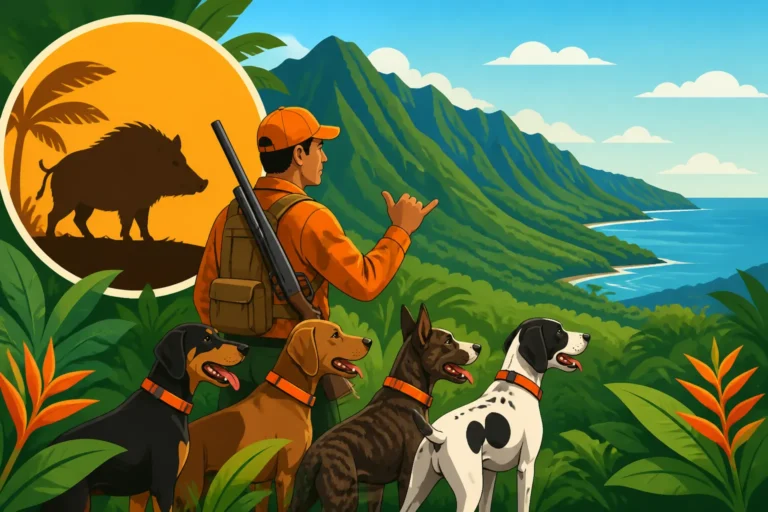
The controversy surrounding aerial control often boils down to differing philosophies on wildlife management and the role of hunting. Many hunters feel that they, through their license fees and participation in public hunts, should be the primary method of control. While DOFAW certainly relies heavily on public hunting, especially for species like Axis Deer, Hawaii's Signature Big Game and Hawaii's Feral Pigs, Island by Island, there are simply areas or population densities where ground hunting, even with dogs, cannot achieve the necessary results quickly enough. Helicopters can cover vast, inaccessible areas and effectively reduce populations in a way that boots on the ground cannot, particularly after periods of high rainfall or in remote gulches. It's a tool in the conservation toolbox, used when other methods are insufficient, and it's always part of a larger strategy to protect our unique island environment.
Community Involvement and Hunter Participation in Control
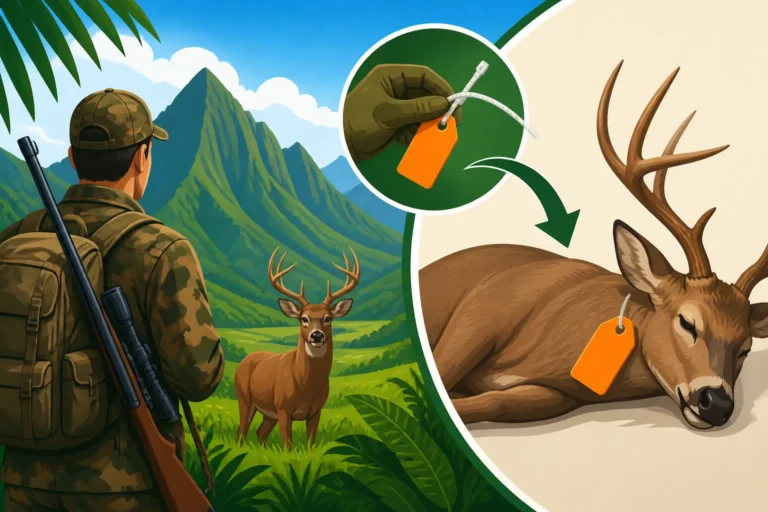
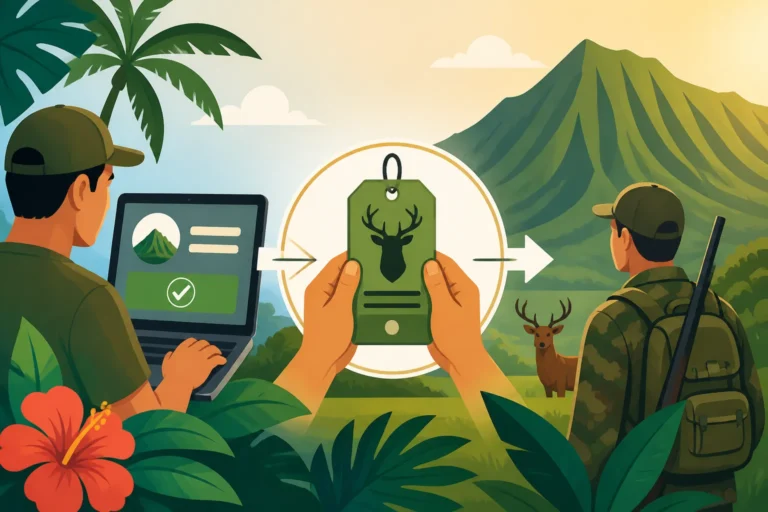
For many hunters, the thought of contributing to conservation efforts goes hand-in-hand with their passion for the outdoors. In Hawaii, public hunting plays a significant, though sometimes underappreciated, role in feral animal control. Every time you buy a Hawaii Hunting Licenses and What They Cost, or secure one of Hawaii's Permit-Tag System Works, you're contributing directly to wildlife management. The funds from licenses and tags help support DOFAW's efforts, including enforcement, habitat restoration, and, yes, even funding for some control programs.
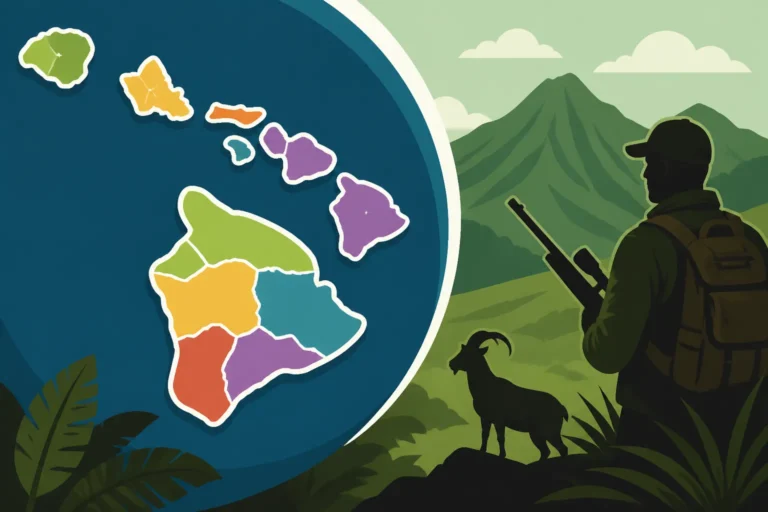
Public hunting units, scattered across the islands, are deliberately set up to allow hunters to target these introduced species. Whether you’re stalking Hawaii's Feral Goats and Why They Matter, pursuing Mouflon Sheep on Hawaii's Volcanoes, or navigating the terrain for Black-Tailed Deer Hunting in Hawaii, you are actively reducing populations that would otherwise continue to degrade native ecosystems. These units and their specific rules, which you can often find detailed on the DOFAW website or through platforms like GoHunt, are the backbone of community involvement. Understanding Hawaii's Hunting Units and How They Work, and being diligent about checking in and out, whether through traditional methods or by Using the OuterSpatial App to Check In, ensures your participation is counted and contributes to management data.
Beyond regular hunting seasons, there are sometimes special programs or volunteer opportunities offered by DOFAW or private land trusts. These might include targeted hunts in specific areas, fencing projects to protect critical habitats, or even community culling events designed to rapidly reduce numbers in a particular zone. While less frequent, these initiatives highlight how conservation is a shared responsibility. By staying informed through official channels and engaging with the hunting community, individuals can find ways to contribute positively to the health of Hawaii's unique landscapes. It’s a testament to How Hunting Fits Hawaii's Conservation Plan is a dynamic, evolving process that relies on both state action and passionate individual efforts.
Navigating Regulations and Staying Informed
Staying on top of Hawaii's feral animal control programs and hunting regulations can feel like a full-time job. With frequent changes in seasons, unit closures, and special announcements, it's easy to get lost. However, it's absolutely crucial for hunters and anyone interested in these programs to be well-informed. The primary source for official information is the Hawaii Department of Land and Natural Resources (DLNR) Division of Forestry and Wildlife (DOFAW) website. This is where you'll find the latest public hunting area announcements, season dates, bag limits, and details on specific control operations.
In addition to the official DOFAW site, modern resources have made it easier than ever to access crucial information. Online platforms like GoHunt provide an invaluable service, often aggregating information on licenses, permits, drawn hunts, and season updates in a user-friendly format, helping hunters navigate the bureaucracy of planning a hunt in Hawaii. They can be particularly helpful for understanding the nuances of special programs or Hawaii's Drawn Hunts and Lotteries. These platforms often link directly to the relevant state documents, ensuring you’re getting accurate, up-to-date information.
Staying informed isn't just about knowing when and where you can hunt; it's also about understanding critical changes, such as Why DOFAW Shortens a Hawaii Season, or specific closures due to aerial operations. Interfering with designated control operations, knowingly or unknowingly, can lead to serious penalties. For instance, entering an area that's been temporarily closed for aerial ungulate control could put you in harm's way and result in fines or loss of hunting privileges. Always double-check unit status, even if you hunt an area regularly. Before heading out, make it a habit to check for any new notices or advisories. Being a responsible hunter in Hawaii means being a responsible steward of the land, and that begins with knowledge and adherence to the rules designed to protect both the public and our precious natural resources.
| Control Program Type | Primary Goal | Methods Used | Typical Species Targeted | Hunter Involvement | Pros (Management View) | Cons (Management View) |
|---|---|---|---|---|---|---|
| Public Hunting | Population Reduction | Rifle, Archery, Muzzleloader, Dogs | Pigs, Goats, Axis Deer, Mouflon, Feral Sheep, Birds | Direct & significant | Cost-effective, community engagement, meat recovery | Limited access to remote areas, variable hunter pressure |
| Aerial Control | Rapid Population Reduction | Helicopters, professional sharpshooters | Pigs, Goats, Feral Sheep, Axis Deer | None (Exclusion zones for public) | Efficient for large areas, rapid impact, targets inaccessible terrain | High cost, logistical challenges for meat recovery, public relations concerns |
| Fencing & Exclusion | Habitat Protection | Physical Barriers (Fences) | Pigs, Goats, Feral Sheep, Axis Deer | Indirect (hunting outside fences) | Long-term habitat security, prevents re-invasion | High initial cost, maintenance, can alter animal movements |
| Trapping | Localized Removal | Live Traps, Snare Traps (restricted) | Pigs, Goats | Limited (some community programs) | Targeted removal, can be humane | Labor-intensive, limited effectiveness over large areas |
Disclaimer
The information provided in this article is for general guidance only and is not a substitute for official regulations. Hunting rules and feral animal control programs in Hawaii are subject to change. Always consult the most current Hawaii Department of Land and Natural Resources (DLNR) Division of Forestry and Wildlife (DOFAW) official publications and websites before planning any hunting activity or forming conclusions about control efforts.