How Pigs Spread Mosquitoes in Hawaii
For anyone who lives in or visits our beautiful islands, the buzzing menace of mosquitoes is a familiar, and deeply unwelcome, annoyance. Beyond the itchy bites, these tiny pests can carry serious diseases, and it's a frustration many of us face daily. What many might not realize is just how much Hawaii's abundant feral pig populations contribute directly to this widespread problem, essentially acting as unwitting architects of mosquito breeding grounds across the landscape. This guide will dive deep into the fascinating, yet troubling, connection between pigs and mosquitoes, and what it means for our unique island ecosystems and public health.
The Feral Pig Problem: Ecosystem Engineers of Disease
Feral pigs in Hawaii aren't just a challenge for land managers or a game animal for hunters; they are powerful agents of environmental change, fundamentally altering the very structure of our ecosystems. They root, they wallow, they destroy, and in doing so, they create perfect conditions for a whole host of secondary problems, with mosquitoes being a prime example. Understanding their role as "ecosystem engineers" helps us grasp the scale of their impact.
A Landscape Transformed by Hooves
Imagine a pristine Hawaiian forest, with its delicate undergrowth and clear stream beds. Now picture a herd of feral pigs moving through it. Their powerful snouts are constantly digging, turning over soil, and uprooting plants in search of food. This incessant activity transforms the forest floor into a churned-up mess of exposed earth and broken vegetation. This isn't just cosmetic damage; it's a fundamental alteration of the landscape's hydrology. Areas that once drained efficiently now hold water in countless small depressions, creating stagnant pools where none existed before. This impact is profound, especially when you consider What Feral Pigs Do to Hawaii's Forests.
The sheer weight and constant movement of these animals also compact soil in some areas while loosening it in others. This uneven disturbance creates microhabitats that are ripe for water retention, especially after our frequent island rains. What was once a resilient, self-regulating ecosystem becomes a patchwork of disturbed ground, each disturbed patch a potential nursery for mosquito larvae.
Polynesian Pigs Versus European Boar
Hawaii's feral pig population isn't a single, uniform entity. Historically, the first pigs arrived with Polynesian voyagers, smaller animals well-adapted to island life. Later, European settlers introduced larger, more aggressive breeds, leading to a hybridization that now dominates the landscape. Whether you're dealing with a lean "Polynesian-type" pig or a massive "European-type" boar, their destructive behaviors are essentially the same when it comes to habitat modification. While there are subtle differences in their range and habits, their collective impact on creating mosquito breeding grounds is undeniable. For a deeper look into their origins, explore How Feral Pigs Reached Hawaii. The widespread distribution of these animals means that the conditions they create for mosquitoes are not isolated to one type of terrain but are found wherever pigs roam, from the wettest rainforests to the drier leeward slopes.
The Unintended Consequences of Rooting
The most visible and destructive activity of feral pigs is their rooting. They use their snouts like plows, digging deep into the soil to uncover roots, tubers, and invertebrates. This process, while essential for their survival, has devastating consequences for the environment. When pigs root, they break up the soil structure, creating depressions and pockets. When it rains, these disturbed areas become small, muddy basins that can hold water for days or even weeks. These aren't just puddles; they are sheltered, nutrient-rich environments – perfect conditions for mosquitoes to lay their eggs.
Consider a patch of forest where pigs have been active. What was once a relatively smooth, permeable surface that allowed rainwater to filter into the ground, becomes pockmarked with mini-reservoirs. These numerous, small pools add up to a significant increase in available breeding habitat for mosquitoes, especially in areas with consistent rainfall. The cumulative effect of widespread rooting across hundreds of thousands of acres fundamentally changes the water retention capacity of the land, directly feeding the mosquito population.
How Pig Activity Creates Mosquito Havens
It's not just the general disruption; specific behaviors of feral pigs are directly responsible for transforming healthy landscapes into prime mosquito nurseries. These actions are instinctual for the pigs but have cascading negative effects on the broader ecosystem, particularly for mosquito proliferation.
Mud Wallows as Microcosms of Mosquito Life
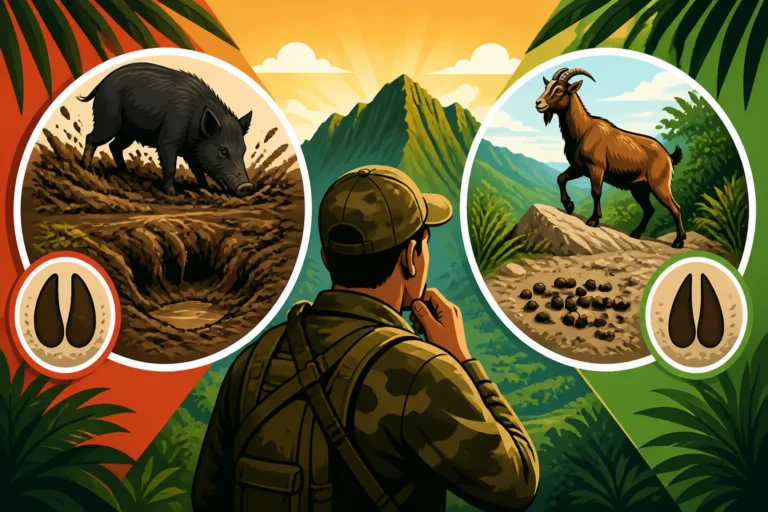
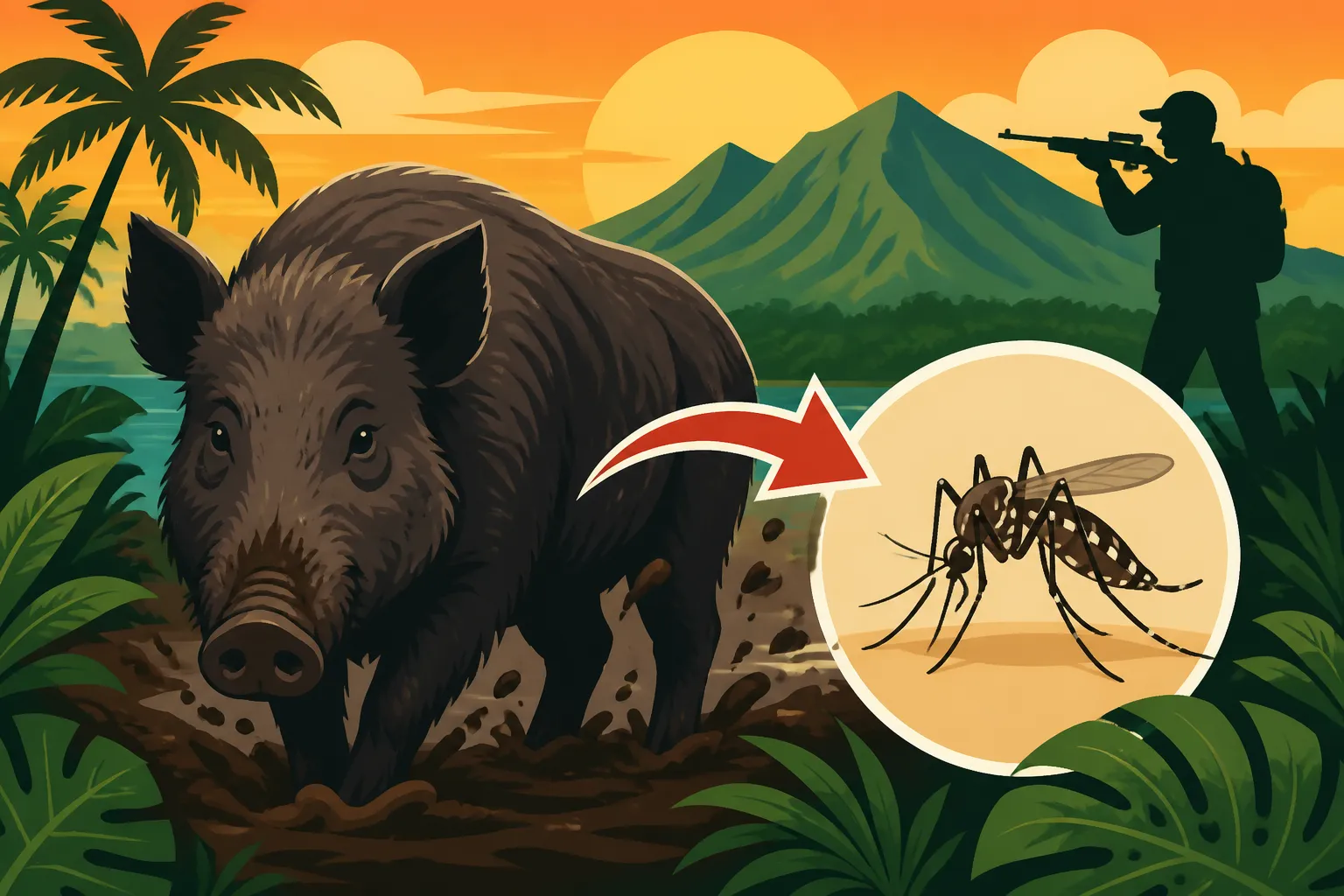
Perhaps the most iconic, and effective, mosquito breeding grounds created by pigs are their wallows. Pigs love mud. They seek out wet, low-lying areas, or create them, and roll around in the mud to cool off, remove parasites, and generally enjoy themselves. Over time, these wallowing spots become deep, permanent depressions filled with stagnant water, often enriched with pig waste. These muddy depressions are absolute havens for mosquitoes.
Think about it: a shallow, muddy pool, often shaded by surrounding vegetation, with plenty of organic matter (leaves, decaying plants, pig detritus) that provides food for mosquito larvae. The stagnant water prevents fish or other natural predators from thriving, giving mosquito larvae an uninterrupted life cycle. These wallows, some as small as a bathtub and others much larger, can sustain generations of mosquitoes, turning a single pig hangout into a localized mosquito factory. If you've ever seen Pig Wallows and What They Tell You, you've likely noticed these prime breeding sites.
Destroyed Undergrowth and Rainwater Collection
Beyond rooting and wallowing, pigs rampage through vegetation, trampling, breaking, and tearing at plants as they move and feed. This destruction of the undergrowth, particularly dense fern layers or low-lying shrubs, has a direct impact on how water interacts with the landscape. When plants are broken or flattened, they no longer absorb rainwater as effectively, nor do they create the natural runoff channels that healthy vegetation provides. Instead, the broken plant material can form small dam-like structures, creating shallow pockets where water collects.
These myriad small collections, from broken fern fronds holding a few tablespoons of water to depressions formed by flattened thickets, are ideal for mosquitoes. They're often overlooked compared to larger wallows, but their sheer number means they represent a vast network of breeding sites. A single rainforest gulch, after a herd of pigs has passed through, can be littered with these tiny, hidden water sources, each one a potential breeding ground. For hunters looking to locate pigs, understanding their destructive patterns can be key to finding them, whether by Still-Hunting Pigs in Hawaii's Wet Forest or by exploring Hunting Pigs in Hawaii's Rainforest Gulches.
Blocked Stream Channels and Stagnant Pockets
In many areas, especially those with relatively flat or gently sloping terrain, pig activity can directly impede natural water flow. As they root along stream banks or through low-lying marshy areas, they can dislodge soil, rocks, and vegetation. This debris can then accumulate, forming natural dams or blockages in small stream channels, drainage ditches, or even within larger wetlands. The result? Stagnant pockets of water where there would normally be moving, circulating flow.
Stagnant water is, as we know, the enemy. Mosquitoes thrive in it. When a stream becomes choked with debris or its flow is slowed significantly due to pig-induced blockages, these new areas of standing water become immediate targets for egg-laying mosquitoes. This impact is particularly concerning in critical watershed areas, where maintaining natural water flow is essential not only for ecosystem health but also for the quality of drinking water.
The Link Between Pigs, Mosquitoes, and Disease Transmission
The issue of feral pigs creating mosquito breeding grounds isn't just an ecological nuisance; it has serious implications for public health, native wildlife, and even our visitor economy. The more mosquitoes, the higher the risk of disease transmission for everyone.
Mosquitoes: Vectors of Concern in Hawaii
Hawaii's warm, humid climate is naturally conducive to mosquitoes, but the sheer number and variety of breeding sites created by pigs exacerbate the problem. Mosquitoes are more than just annoying biters; they are "vectors," meaning they can transmit diseases from one host to another. In Hawaii, this vector role is particularly concerning due to our unique biodiversity and isolated human populations. The presence of these insects can turn a pleasant outdoor experience into a health risk.
Over the years, Hawaii has grappled with mosquito-borne illnesses like dengue fever, and while proactive public health measures are in place, reducing mosquito populations at the source, like through managing pig habitats, is a critical component of prevention. Without the constant creation of new, undisturbed breeding sites, mosquito populations would naturally face more challenges.
Diseases Carried by Hawaii Mosquitoes
Mosquitoes in Hawaii are known to carry various diseases. While some, like dengue, periodically make headlines for affecting humans, others pose a grave threat to our incredibly fragile native bird populations. Avian malaria, for instance, transmitted by non-native mosquitoes, has been devastating to many endemic Hawaiian forest birds, driving several species to the brink of extinction. These birds often have no natural immunity to these introduced diseases.
The direct link here is that increased pig activity leads to increased mosquito breeding. More mosquitoes mean more opportunities for the transmission of avian malaria, further endangering species like the Palila and other unique forest birds. While pigs themselves might not carry these specific human diseases, their role in amplifying mosquito populations significantly raises the overall risk to both human and animal health on the islands. When considering animal health, it's also worth thinking about Diseases Hawaii Hunters Should Know and the general risks of feral animals.
The Cycle of Transmission: Pigs as Hosts and Facilitators
While feral pigs are not typically the direct "reservoir" for human-specific mosquito-borne diseases like dengue or Zika, they can act as hosts for other pathogens, and, more importantly, they are incredible facilitators of the mosquito lifecycle. By creating ideal breeding conditions, pigs ensure a continuous supply of new mosquitoes. This continuous supply increases the likelihood that mosquitoes will find and transmit pathogens from infected animals (both domestic and wild) to other animals, and potentially to humans.
Consider the potential for zoonotic diseases—those that can jump from animals to humans. If pigs carry a disease that mosquitoes can pick up and transmit, their role as habitat creators becomes even more critical. Even without being a direct host, the sheer volume of mosquitoes they enable ensures that disease vectors are abundant, increasing the overall "pathogen pressure" on the environment. Hunters should be particularly aware of Handling Pig Meat and Leptospirosis as a reminder of potential zoonotic risks associated with handling game.
Managing Feral Pig Populations to Reduce Mosquito Impact
Given the significant role feral pigs play in fostering mosquito populations, effective pig management is a crucial, though often overlooked, component of public health and conservation efforts in Hawaii. It's a complex issue, but various strategies are employed to mitigate their impact.
Hunting as a Management Tool
Hunting feral pigs is one of the most direct and traditional methods of population control in Hawaii. Local hunters play a vital role in reducing pig numbers, thereby indirectly helping to reduce the incidence of mosquito breeding sites. Whether it's the intense action of Pig Hunting With Dogs in Hawaii or the quieter, more strategic approach of Still-Hunting Pigs in Hawaii's Wet Forest, every pig removed from the landscape means one less "ecosystem engineer" creating mosquito havens.
Hunting, especially in accessible public units, can help keep localized pig populations in check. Many hunters understand the ecological benefit of their pursuits, viewing their efforts as a form of conservation. The consistent pressure from hunting helps prevent pig numbers from escalating unchecked in certain areas, which in turn means fewer wallows and less habitat destruction leading to mosquito proliferation. For those using the GoHunt platform, understanding specific unit regulations and access points is key to participating effectively in these management efforts.
Fencing and Exclusion Efforts
In areas of critical ecological importance, particularly native forests and watershed lands, fencing has proven to be an extremely effective strategy for managing feral pig populations. Massive, often miles-long, fences are erected to exclude pigs from sensitive areas. This prevents them from rooting, wallowing, and destroying the undergrowth that protects soil and regulates water flow. By removing pigs from these fenced-off sections, the native vegetation can recover, stream channels can remain clear, and natural drainage patterns can re-establish.
The result is a significant reduction, or even elimination, of pig-created mosquito breeding sites within these protected zones. While fencing is expensive and labor-intensive, its long-term benefits for watershed health and biodiversity, including the indirect benefit of mosquito control, are substantial. It's a tangible effort to restore areas and protect them from the relentless damage ungulates cause, as discussed in Why Hawaii Fences Out Pigs and Goats and What Ungulates Cost Hawaii's Watersheds.
Integrated Pest Management Approaches
Effectively managing the intertwined problems of feral pigs and mosquitoes often requires an integrated pest management (IPM) approach. This means combining multiple strategies rather than relying on a single solution. For pigs, this might include a combination of hunting, trapping, and targeted exclusion fencing in high-priority areas. For mosquitoes, it involves surveillance, source reduction (like draining standing water or applying larvicides in unpreventable sites), and public education.
The synergy between pig control and mosquito control is clear: reduce the pigs, and you reduce the mosquito breeding grounds they create. This makes other mosquito control efforts more efficient and sustainable. Understanding the habitat and behavior of the game you're after is always important, whether it's Where Hawaii's Feral Pigs Live or how they interact with their environment. It's a holistic approach that recognizes the complex web of interactions within Hawaii's ecosystems, aiming for long-term solutions that benefit both the environment and human well-being.
Feral Pig Activity and Mosquito Breeding Sites
To summarize the intricate relationship, here's a quick look at how common pig activities directly contribute to the mosquito problem:
| Pig Activity | Environmental Impact | Mosquito Breeding Consequence |
|---|---|---|
| Rooting | Destroys ground cover, churns soil, creates depressions | Forms numerous small, stagnant pools for egg-laying |
| Wallowing | Creates deep, compacted mud holes | Establishes large, long-lasting stagnant water basins |
| Trampling Vegetation | Flattens plants, breaks stems, compacts soil | Forms hidden water pockets in broken foliage; impedes drainage |
| Blocking Waterways | Dislodges debris into streams, alters natural flow | Creates stagnant backwaters and slow-moving stream sections |
| Creating Pig Trails | Compacts paths that collect water | Leaves depressions that fill with rainwater and hold it |
| Depositing Waste | Adds organic matter to standing water | Provides nutrients for mosquito larvae, accelerating growth |
Disclaimer
This article is for general informational purposes only and does not constitute professional advice. Laws, prices and regulations vary by location and change over time. Consult a qualified professional for guidance on your specific situation.