How Hunting Fits Hawaii’s Conservation Plan
If you've ever stood on a Hawaiian ridge, gazing out at the lush, green landscape, it’s easy to feel like nature is thriving. But beneath that beautiful facade, Hawaii faces an ongoing, urgent environmental crisis driven by invasive species. Traditional notions of conservation often overlook hunting, but here, it’s not just a sport; it's a vital, often misunderstood, component of the islands' critical conservation plan. This guide will walk you through why hunting is so important for the unique and fragile ecosystems of Hawaii.
The Unique Conservation Challenges Hawaii Faces
Hawaii is a place unlike any other on Earth, a remote archipelago where life evolved in splendid isolation for millions of years. Imagine species developing without the pressures of large predators or grazing mammals. Native plants here never needed thorns or tough bark, and ground-nesting birds thrived without fear of foxes or mongoose. This pristine isolation led to an incredible diversity of unique species found nowhere else. It also made these ecosystems incredibly fragile.
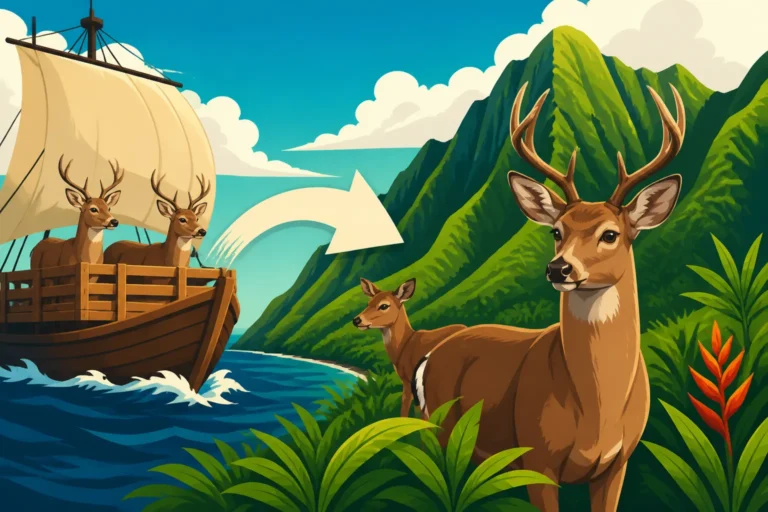
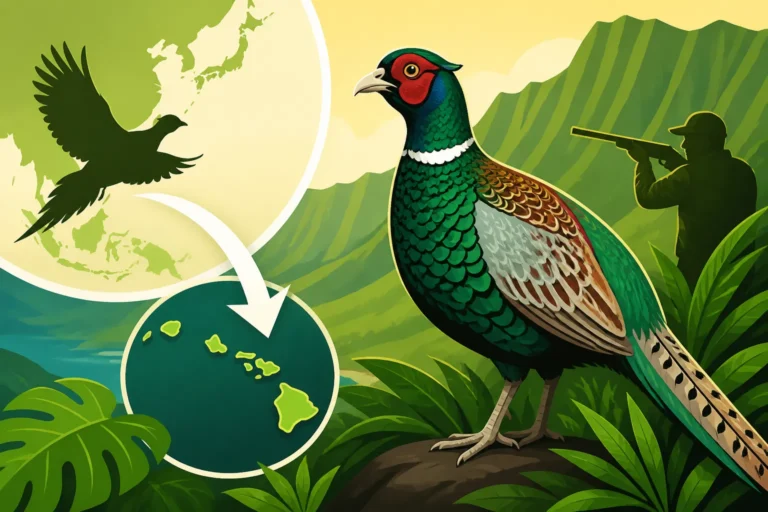
Then came the arrival of humans, and with them, new animals. Polynesian settlers brought pigs and dogs, and much later, European explorers and settlers introduced goats, cattle, sheep, and eventually, Axis deer. These animals, lovely as many of them are in their native habitats, became wildly invasive here. They arrived without their natural predators or diseases, and the abundant food and lack of competition allowed their populations to explode.
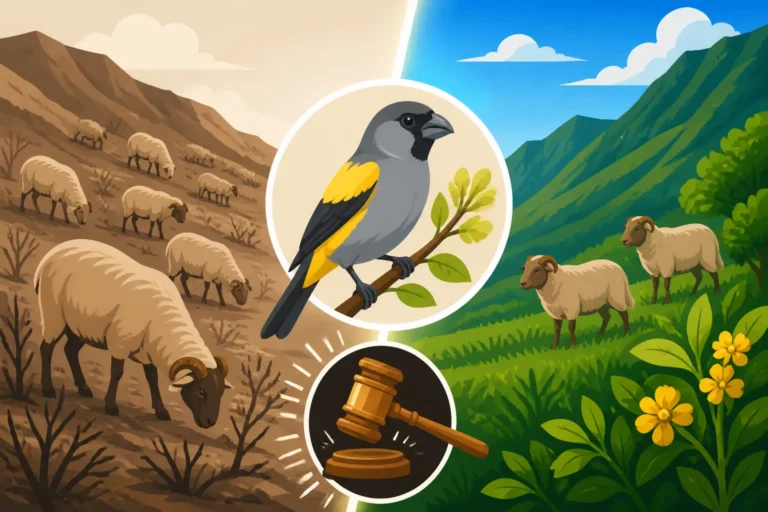
The damage these animals inflict is profound and widespread. Feral pigs, with their powerful snouts, root up the forest floor, destroying delicate native ferns and seedlings, creating wallows that become breeding grounds for invasive mosquitoes that spread avian malaria to native birds. Goats, being expert climbers, devour vegetation on steep slopes, leading to massive erosion during rain events, which then chokes coral reefs in sediment. Axis deer and feral sheep browse continuously, preventing the regeneration of native forests and competing directly with any remaining native herbivores. The impacts are not just visible; they cascade through the entire ecosystem, affecting everything from insects to the purity of our drinking water. It's truly an issue that touches every aspect of the islands' health. These animals are literally costing the state in ecological damage and resource loss, a point many people don't realize when they think about What Ungulates Cost Hawaii's Watersheds.
This ongoing destruction is why you'll see efforts to construct fences in remote, pristine areas, aiming to create safe havens for native species. It's a testament to the immense pressure these invasive ungulates place on the land. Understanding this context is the first step in recognizing why different approaches, including hunting, are absolutely essential to give Hawaii's unique biodiversity a fighting chance. The question isn't just if we need to control these populations, but how we can do it most effectively and sustainably. Sometimes, it truly means fencing off critical areas, as detailed in Why Hawaii Fences Out Pigs and Goats, but even that is often not enough.
Hunting as a Critical Tool for Ecosystem Health
For many, the idea of hunting for conservation might sound contradictory. How can taking an animal be good for nature? But in Hawaii, where native ecosystems lack natural predators for large mammals, controlled hunting is often the most practical, cost-effective, and ecologically sound method to manage invasive populations. We're not talking about preserving a species here; we're talking about managing incredibly destructive non-native animals that threaten the very existence of native flora and fauna.
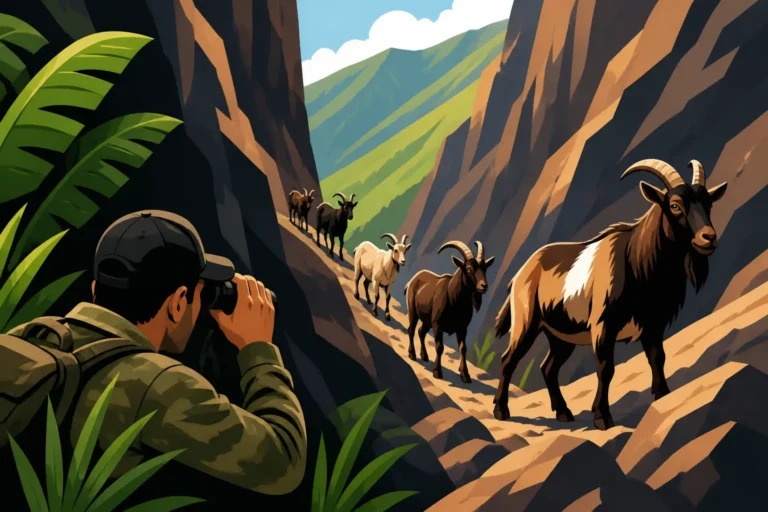
Hunting directly helps to control the burgeoning numbers of species like Hawaii's Feral Pigs, Island by Island, Axis Deer, Hawaii's Signature Big Game, Hawaii's Feral Goats and Why They Matter, and Mouflon Sheep on Hawaii's Volcanoes. Imagine a steep gulch, once lush with native ferns and 'ōhi'a lehua saplings. Without hunting pressure, feral goats might turn that gulch into a barren, eroded scar in just a few years, as they strip every green thing. Similarly, the relentless rooting of feral pigs in a wet forest can devastate the understory, preventing the delicate germination of native seeds and creating channels for water to carry away precious topsoil. Regular, managed hunting helps keep these populations below a critical threshold, allowing the native plants a chance to recover and the soil to stabilize.
The direct benefits are clear: reduced browsing pressure means native plants can regenerate, allowing fragile forest understories to slowly return to health. This, in turn, helps stabilize soils, preventing erosion that would otherwise clog streams and damage fragile coral reefs. Improved water quality is a massive win for everyone, from the ecosystem to human communities. It’s a cyclical benefit that strengthens the entire island environment. While methods like trapping and even Hawaii's Aerial Ungulate Control Programs exist, hunting often provides a sustainable, community-involved alternative that utilizes the animal as a food source, aligning with local values of not wasting what is taken from the land.
Of course, hunting isn't some magic bullet that solves all conservation problems. It's one vital tool in a much larger toolkit. We still need extensive habitat restoration, invasive plant removal, fencing, and scientific monitoring. But to ignore the role of hunting would be to leave a gaping hole in Hawaii's conservation strategy, allowing these destructive invasive animals to continue their relentless assault on our precious native ecosystems. It requires a nuanced understanding, moving beyond simplistic ideas of "good" or "bad" animals, and focusing on what truly serves the health of the Hawaiian Islands.
The Role of Hunters and Regulators in Conservation
It's easy to picture a hunter as someone solely focused on a trophy or a freezer full of meat. But in Hawaii, many local hunters are deeply committed to the 'aina—the land—and understand the profound ecological imperative behind their activities. They see their efforts not just as recreation, but as a critical service to the environment. These are often the individuals who spend countless hours traversing rugged terrain, reaching remote areas that government management programs might struggle to access. They are the boots on the ground, often the most effective force in controlling invasive ungulate populations where other methods are impractical or too expensive.
The regulatory framework for hunting in Hawaii is designed to align these efforts with conservation goals. The Department of Land and Natural Resources (DLNR), specifically its Division of Forestry and Wildlife (DOFAW), manages seasons, bag limits, and specific hunting units with the primary objective of protecting and restoring native ecosystems. For example, some units might have higher bag limits for goats to aggressively reduce their numbers in critical watershed areas, while others might have more controlled Axis deer seasons to balance population management with recreational opportunities. This is all laid out in detail for each area, such as in Hawaii's Hunting Units and How They Work or specific Hawaii's Game Management Areas.
A key part of this management is the permit-tag system, which is crucial for controlling harvest numbers for specific species, especially in ecologically sensitive or high-demand areas. When you go out to hunt, whether for Axis deer on Maui or feral pigs on the Big Island, you'll need the proper licenses and tags. These tags allow DOFAW to track harvest rates, understand population trends, and adjust management strategies as needed. The revenue generated from hunting licenses and tags, while not always massive, often flows back into wildlife management and conservation initiatives, funding habitat restoration, law enforcement, and research. This direct link means hunters are actively contributing financially to the very conservation efforts they participate in. Understanding this process, and how to navigate it, is covered thoroughly in How Hawaii's Permit-Tag System Works.
To make this process as smooth as possible, especially for those unfamiliar with Hawaii's unique system, resources like GoHunt can be invaluable. This platform provides a streamlined way for hunters to obtain licenses, apply for special permits, and access critical information about seasons and units. It helps ensure that hunters are operating within the legal framework and that their activities are properly recorded, aiding DOFAW in their data collection and management. It’s a practical tool that connects hunters with the regulatory needs of the state, ensuring that participation is both compliant and beneficial. Furthermore, mandatory Hawaii Hunter Education Requirements ensure that all hunters, local and visiting, understand not just safety and ethics, but also the crucial conservation context of hunting in the islands. This educational component is vital for fostering responsible stewardship and ensuring that hunters are allies, not adversaries, in the fight to preserve Hawaii's natural heritage.
Integrating Hunting into a Holistic Approach to Island Preservation
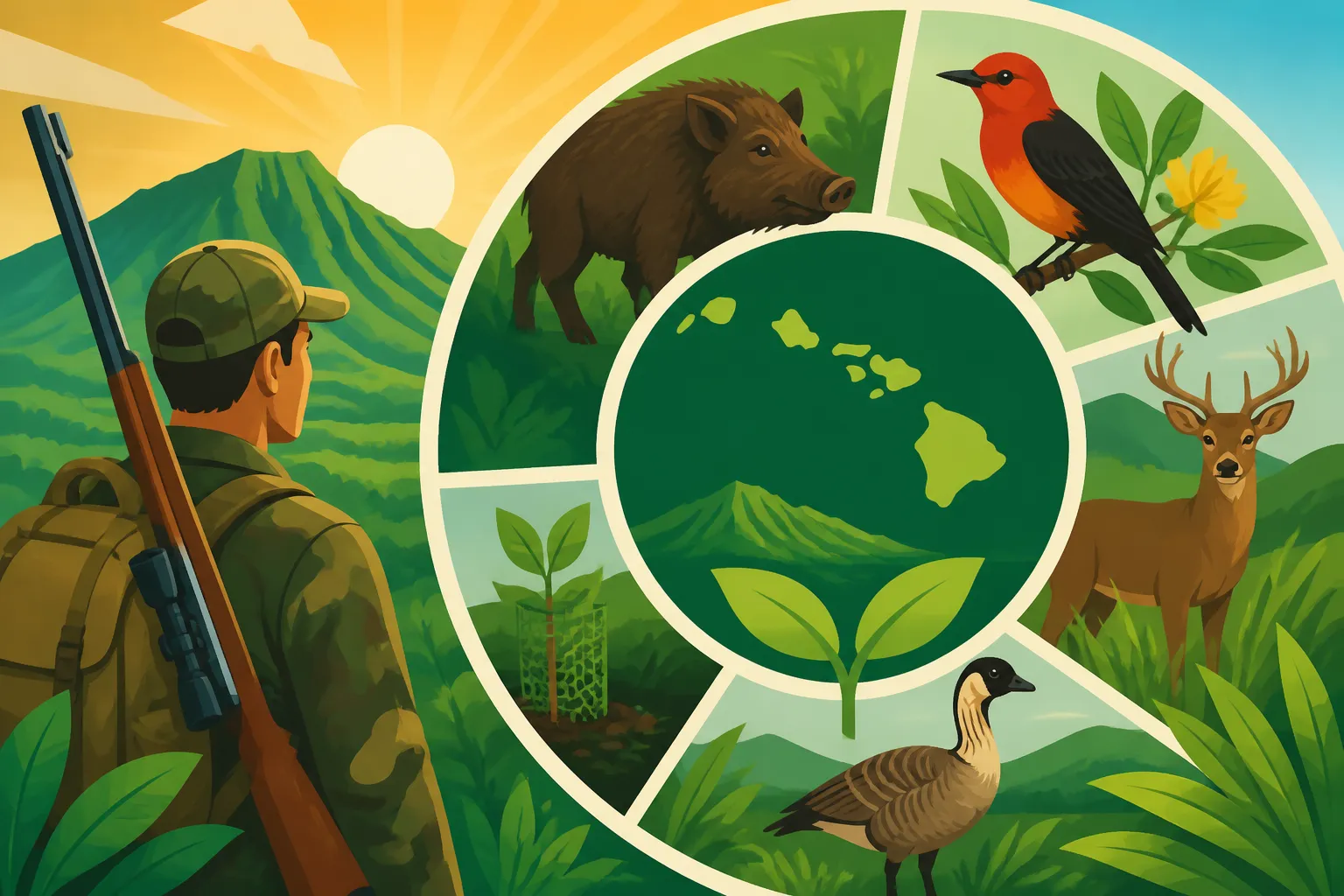
It's important to view hunting not as a standalone solution, but as an integral thread in the complex tapestry of Hawaii's conservation efforts. Think of it as one powerful lever in a system designed to protect and restore. Managed hunting works hand-in-hand with other critical initiatives, like the construction of predator-proof fences around precious native forests, intensive invasive plant removal programs that free up space for native seedlings, and even the reintroduction programs for endangered native bird species whose habitats are now safer thanks to reduced ungulate pressure. Each component reinforces the others.
This integrated approach often falls under what's called adaptive management. This means that hunting regulations, seasons, and bag limits aren't set in stone. Instead, they are continuously monitored and adjusted based on real-time data from animal populations and habitat health assessments. When a particular area shows signs of high pig damage, for instance, DOFAW might extend the season or increase bag limits. Conversely, if specific conservation goals are met or populations in a particular unit are declining, restrictions might be put in place. This flexible, science-based approach ensures that hunting remains an effective and responsive tool for land managers. Learning how these populations are tracked helps you understand the rationale, as outlined in How DOFAW Counts Hawaii's Game Animals.
Beyond the ecological impact, hunting also plays a significant socio-cultural role in Hawaii. For many local families, hunting for feral pigs, goats, or Axis deer isn't just a recreational activity; it's a way to put food on the table, to connect with the 'aina, and to perpetuate long-standing traditions. This cultural connection fosters a deep sense of stewardship and makes conservation efforts more locally relevant and sustainable. When residents feel empowered to participate in managing the land's resources, it strengthens the overall conservation ethic of the community. Even the ability to process and share or legally sell some wild game meat (though under strict rules, as discussed in Rules on Selling Wild Game Meat) contributes to this resource utilization.
Of course, the path isn't always smooth. There are ongoing challenges and debates surrounding hunting in Hawaii, from balancing hunter access with the protection of extremely sensitive ecosystems to managing public perception. Some people, understandably, find the idea of killing animals difficult. However, when you understand the dire consequences of unchecked invasive populations – the erosion, the extinction of unique plants and birds, the destruction of watersheds – the necessity of these actions becomes starkly clear.
Ultimately, Hawaiian hunting is a complex, vital, and often profoundly misunderstood component of protecting one of the world's most unique and vulnerable natural treasures. It's a testament to the ingenuity and dedication required to preserve biodiversity in a truly exceptional place. The choices we make regarding wildlife management today will directly determine the ecological future of these islands. Without active management, including hunting, the picture for Hawaii's native species would be far bleaker, a scenario explored further in What Would Happen Without Hunting in Hawaii.
| Game Species | Primary Ecological Impact | How Hunting Mitigates Impact |
|---|---|---|
| Feral Pig | Extensive rooting of forest floor, destroying native understory; spreading invasive seeds; creating mosquito breeding sites. | Reduces population density, less rooting, protects native plant regeneration, lowers disease vector risk. |
| Feral Goat | Severe overgrazing on steep slopes, leading to massive erosion; consumption of rare native plants; prevents forest recovery. | Controls herd size, reduces browsing pressure, allows vegetation recovery, stabilizes fragile slopes. |
| Axis Deer | Intensive overgrazing and trampling of ground cover; browsing of native tree seedlings; significant agricultural crop destruction. | Manages herd numbers, reduces pressure on native vegetation, limits agricultural damage. |
| Mouflon Sheep | Overgrazing in sensitive high-elevation ecosystems, particularly impacting critical mamane-naio forests that support endangered native birds. | Limits population density in vulnerable alpine zones, protects specific rare plant communities. |
Disclaimer
This article is for general informational purposes only and does not constitute professional advice. Laws, prices and regulations vary by location and change over time. Consult a qualified professional for guidance on your specific situation.