Hunting Hawaii’s High-Elevation Country
Oh, the allure of hunting Hawaii's high country! Many hunters dream of the lush, lowland forests, but there's a whole other world waiting far above, in the thin air and stark beauty of our volcanic slopes. This isn't your typical island hunt; it's a demanding, exhilarating experience that tests your endurance and your gear. If you're ready to embrace the challenge and chase game where the clouds often sit below you, this guide will walk you through everything you need to know to tackle Hawaii's high-elevation hunting units.
Understanding Hawaii's High-Elevation Ecosystems
Hunting in Hawaii's high country isn't just about finding animals; it's about understanding an entirely different landscape. The ecosystems up on our big volcanoes are a stark contrast to the tropical beaches below, offering a unique set of challenges and rewards. It's a place where the air is crisp, the views are endless, and the weather can turn on a dime.
The Realm Above the Clouds: Unique Alpine and Subalpine Zones
Imagine standing above the cloud line, with sweeping vistas that stretch from cinder cones to the distant ocean. This is the reality of Hawaii's high-elevation hunting. Up here, typically above 6,000 feet, you'll encounter truly unique alpine and subalpine zones. The vegetation isn't the dense, tangled jungle you might picture. Instead, you'll find hardy, drought-resistant plants that have adapted to volcanic soils and thinner air.
The dominant tree species in the upper forest belts, like on Mauna Kea and Mauna Loa on Hawaii Island, is often the mamane, interspersed with naio. These trees form open woodlands that give way to more shrubby vegetation like pūkiawe and ʻōhelo berries as you climb higher. The ground itself is frequently composed of jagged lava flows, loose cinder, or deeply eroded volcanic ash, which makes every step a deliberate effort. Understanding this sparse yet vital vegetation is key, as these plants provide critical forage for game like the majestic Mouflon sheep and feral goats. These animals have adapted to graze on what's available, moving between the sheltering mamane groves and the exposed, open slopes where tender shoots might emerge after a rare rain.
Weather's Wild Swings: From Freezing Mornings to Scorching Afternoons
If you thought Hawaii was all sun and warmth, a high-elevation hunt will quickly disabuse you of that notion. The weather up on Mauna Kea or Haleakala can be notoriously fickle, swinging from frosty mornings to intense midday sun, often within a few hours. I've been caught in snow flurries in the early morning and peeled off layers by noon, only to have a thick, chilling fog roll in by late afternoon.
Trade winds, when they hit the upper slopes, can create a constant, biting chill, even on a sunny day. The thin atmosphere means that while the sun's rays are intense, temperatures can drop rapidly when clouds move in or the sun begins to set. It's not uncommon to start a hunt with temperatures near freezing, especially at elevations above 8,000 feet, and then experience mid-day temperatures in the 60s or even 70s. This extreme variability means you'll need to be prepared for everything. Rain can come suddenly, sometimes turning trails into slick, muddy slides, or even freezing at higher elevations. And don't forget the intense UV radiation; without the thick atmosphere filtering it, the sun can be brutal, making sunscreen and good eye protection non-negotiable.
Premier High-Elevation Hunting Grounds Across the Islands
While not every island offers extensive high-elevation hunting, Hawaii Island and Maui boast significant opportunities in their volcanic uplands. These areas present diverse terrain and game, requiring specific strategies and a good understanding of the local rules. Getting acquainted with these units is the first step to planning a successful high-country adventure.
Hawaii Island's Volcanic Giants: Mauna Kea and Mauna Loa Units
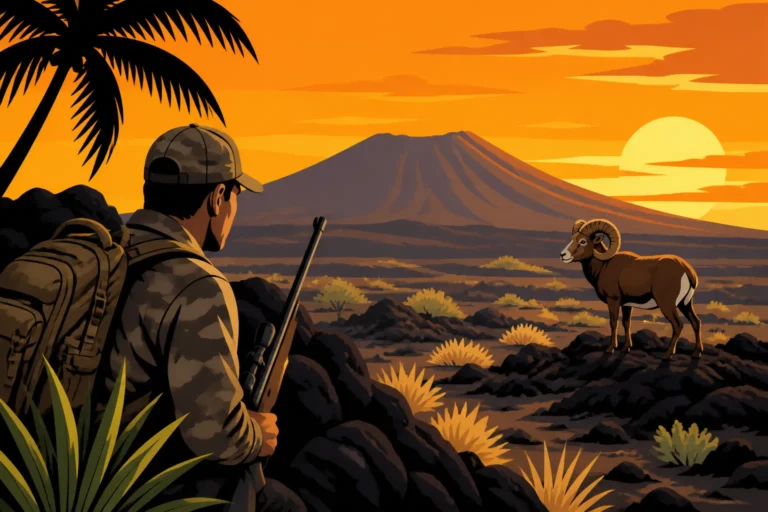
On Hawaii Island, the massive slopes of Mauna Kea and Mauna Loa define the high-elevation hunting experience. This is primarily where you'll find our coveted Mouflon sheep, along with healthy populations of feral goats and pigs that have adapted to the rugged environment. Unit A on Mauna Kea is probably the most famous, stretching up into the subalpine shrubland and mamane-naio forest, and is often the setting for drawn Mouflon hunts. The terrain here is truly unique: you'll navigate ancient lava flows, open cindery slopes, and pockets of gnarled trees, all while battling elevation changes that can quickly wear you out.
Another notable area is the Pu'u Wa'awa'a region, which also hosts Mouflon, feral goats, and pigs. While not as high in elevation as the very top of Mauna Kea, it still offers significant climbs and a mix of dryland forest and open pastures. The hunting here can be incredibly challenging, but the reward of spotting a mature Mouflon ram against the backdrop of the vast landscape is truly unforgettable. Access to these units can vary; some require 4WD vehicles and all require careful attention to check-in/check-out procedures. Hunters often rely on extensive glassing, patiently scanning the vast expanses of lava and open slopes for the tell-tale shapes of feeding or bedded animals. Knowing how to locate these elusive sheep and goats is a true art form. Hunting Mouflon in Mauna Kea's Thin Air details the unique challenges of this high-altitude pursuit. You can also explore Hunting Mauna Loa's Upper Slopes for more insights into that vast terrain. Don't forget to check the specifics for Hunting Puu Waawaa's Archery Season if you're a bowhunter.
Maui's Majestic Haleakala: Kula and Polipoli Reserves
Maui also offers fantastic high-elevation hunting opportunities, primarily on the slopes of its iconic volcano, Haleakala. The Kula Forest Reserve and Polipoli Spring State Recreation Area are prime examples, providing a completely different feel than the Big Island's volcanic expanses. Here, you'll find Axis deer, feral goats, and pigs, all thriving in a cooler, often wetter environment than the leeward side of the island.
The upper reaches of Haleakala feature a mix of introduced tree species like eucalyptus, cypress, and pine, alongside native mamane and 'ōhi'a, creating a diverse landscape of dense forest and open clearings. Axis deer, known for their keen senses, often utilize these varied habitats for both cover and forage. Hunting here typically involves navigating steep, often muddy trails through the forest, punctuated by openings where deer and goats might be grazing. Vehicle access in Polipoli, in particular, can be challenging; the main road is often rough, requiring a high-clearance 4WD, and seasonal closures due to rain are common. This requires hunters to be prepared for long walks and patient still-hunting through the timber. Hunting Maui's Upcountry Forest Reserves dives deeper into these unique habitats, and Hunting Haleakala's Leeward Slopes can offer additional perspectives on the drier, more exposed areas.
Overcoming the Unique Hurdles of High-Elevation Hunting
High-elevation hunting in Hawaii isn't just about a change of scenery; it's a significant test of physical and mental fortitude. The very elements that make these areas so beautiful also make them incredibly challenging. Being prepared for these specific hurdles is crucial for both success and safety.
The Battle with Altitude: Physical Acclimatization and Endurance
One of the most underestimated challenges of hunting Hawaii's high country is the altitude itself. While Mauna Kea isn't Everest, elevations above 6,000 to 10,000 feet significantly reduce the amount of oxygen available. For those accustomed to sea-level living, this can lead to symptoms of altitude sickness, including headaches, nausea, dizziness, and extreme fatigue. What feels like a moderate hike at sea level can become an exhausting grind when you're breathing thin air and carrying a pack.
Physical fitness is paramount. You need strong legs and lungs to ascend steep slopes, navigate uneven terrain, and cover significant distances. Pacing yourself is key; don't push too hard too fast. Hydration becomes even more critical at altitude, as your body loses fluids faster. Many experienced hunters recommend arriving a day or two early, if possible, to allow your body some time to acclimatize before attempting a strenuous hunt. This isn't just about comfort; it's about maintaining your decision-making abilities and physical capacity when you finally get on game. Pushing past your physical limits in a remote, high-altitude environment can turn a challenging hunt into a dangerous situation very quickly.
Navigating a Labyrinth: Lava Fields, Kipukas, and Dense Brush
The terrain in Hawaii's high country is unlike almost anywhere else. On the Big Island's volcanoes, you'll encounter vast, sharp aʻa lava flows that can shred boots and skin, or smoother pāhoehoe flows that are surprisingly uneven and slippery. Interspersed within these flows are "kipukas"—islands of older vegetation surrounded by newer lava—which can act as critical sanctuaries for game. Navigating these requires constant attention to your footing and an understanding of how animals use these isolated pockets of life.
Even in forested areas like Polipoli on Maui, the terrain can be relentlessly steep, covered in loose soil or dense, thorny brush like gorse or clidemia. These plants form impenetrable thickets that can hide game perfectly, making tracking difficult and movement a slow, painful process. Getting lost is a real concern in these confusing landscapes, especially if fog rolls in or you push too far into unfamiliar territory. Always have a reliable navigation system, know how to use it, and pay attention to landmarks. Understanding Walking Rough Lava Without Wrecking Your Boots is vital, as is learning to hunt a Hunting a Hawaii Lava Kipuka for hidden game. These features aren't just obstacles; they're integral parts of the hunting puzzle.
Essential Gear for High-Elevation Hawaii Hunts
Success in Hawaii's high-elevation country hinges significantly on bringing the right gear. The dynamic weather, rugged terrain, and remote nature of these hunts demand careful consideration of every item in your pack. Skimping on quality or preparedness here can quickly lead to discomfort, inefficiency, or even danger.
Strategic Layering: Adapting to Microclimates
Given the wild swings in weather that characterize Hawaii's high country, a strategic layering system is absolutely non-negotiable. You can literally experience four seasons in a single day, moving from a frigid, windy ridge top to a hot, sun-baked lava flat. Your clothing needs to be versatile enough to handle it all. Start with a moisture-wicking base layer, ideally synthetic or merino wool, to pull sweat away from your skin. Cotton is a definite no-go as it retains moisture and chills you quickly.
Next, a good insulating mid-layer is crucial. A fleece jacket or a lightweight puffy jacket provides warmth that can be easily shed or added. Your outer layer should be a waterproof and windproof shell. This protects you from sudden downpours, misty fog, and relentless trade winds. Look for durable materials that can withstand snags from kiawe thorns or rough lava. Having the ability to quickly adjust your layers is key to regulating your body temperature and staying comfortable throughout the day, whether you're climbing a steep incline or sitting motionless, glassing a distant slope. Don't forget sturdy gloves and a warm beanie for those freezing pre-dawn starts.
Footwear, Optics, and Essential Tools for Safety and Navigation
Beyond clothing, your footwear is arguably the most critical piece of gear. Hawaii's high-elevation terrain, with its sharp lava, loose cinder, and steep, sometimes muddy slopes, demands durable, ankle-supporting boots. Look for boots with stiff soles for protection against uneven ground, aggressive tread for traction, and waterproof membranes to keep your feet dry. Blisters can quickly derail a hunt, so make sure your boots are well broken in and pair them with quality wool or synthetic socks. You can find more specific advice in Boots for Hawaii Lava and Wet Forest.
When it comes to optics, don't skimp. In the vast, open landscapes of Mauna Kea or Haleakala, quality binoculars (10×42 or 12×50) and a spotting scope are invaluable for locating game at great distances without expending unnecessary energy. A rangefinder is also essential for accurate shot placement in challenging terrain. For navigation, a reliable GPS device is a must, especially given that cell service is often nonexistent. Apps like onX Hunt, loaded with detailed topographic maps and public land boundaries, can be incredibly helpful for navigating complex units and marking crucial waypoints like water sources or animal sign. I personally rely heavily on onX Hunt to ensure I'm always aware of where I am in relation to unit boundaries and private lands, especially when chasing a nimble goat or sheep through a complicated network of gulches. This is also useful for checking Using onX for Hawaii Land Status before you even leave home. Additionally, always carry a headlamp, a first-aid kit, a whistle, and a personal locator beacon (PLB) or satellite messenger for emergencies, as help can be hours away in these remote areas.
Effective Strategies for High-Elevation Game
Hunting in Hawaii's high-elevation country requires a refined approach. The game here, whether it's the wary Mouflon, agile feral goat, or keen-sighted Axis deer, has adapted to this challenging environment, making them tough opponents. Understanding their behavior and leveraging the unique terrain to your advantage will significantly increase your odds of success.
The Art of Glassing and Spot-and-Stalk
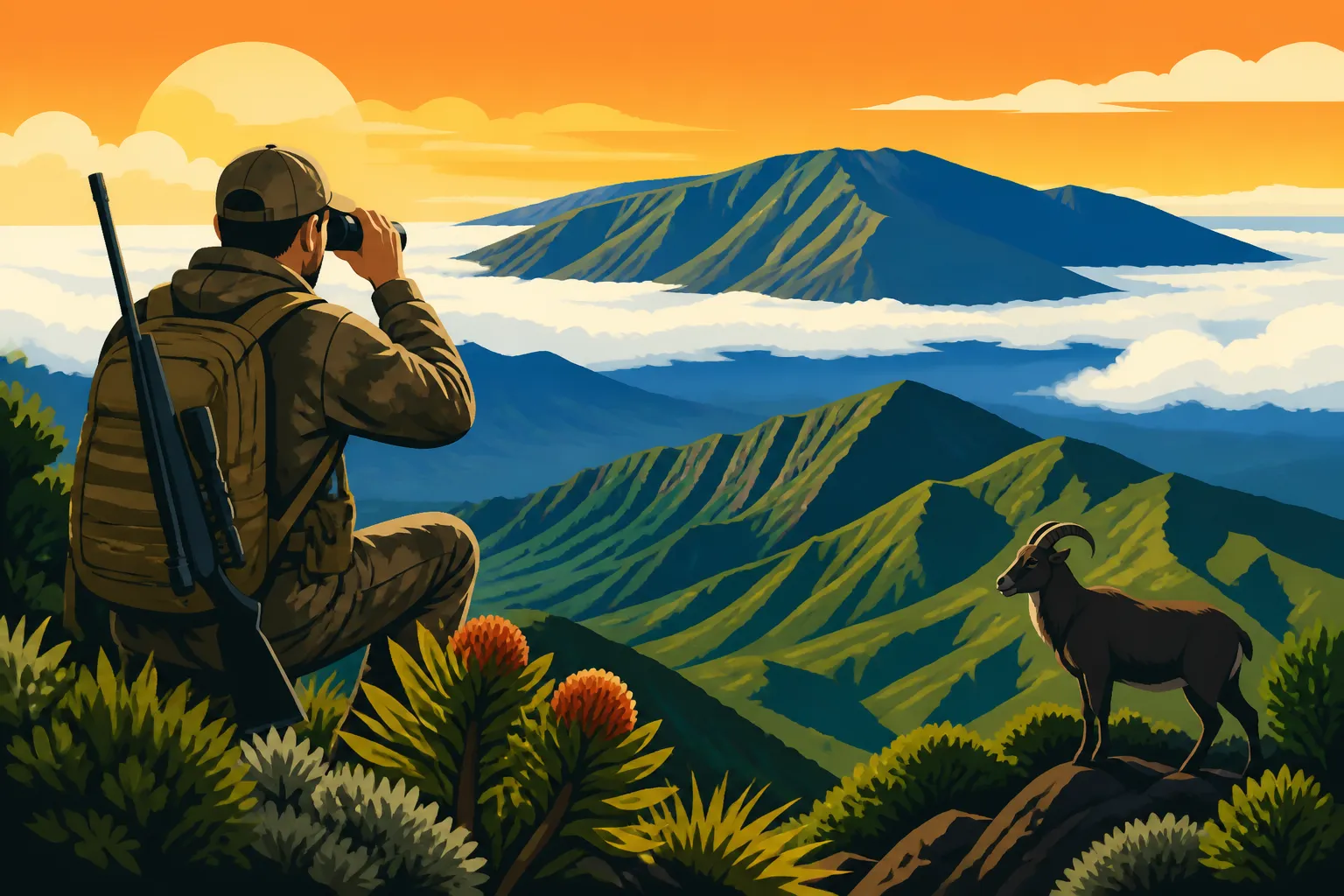
In these expansive high-elevation units, especially on the open slopes of Mauna Kea or the exposed ridges of Haleakala, your best friend is good quality optics and a patient eye. Spot-and-stalk is often the most effective technique. This involves spending significant time glassing vast areas from a high vantage point, systematically scanning for movement or the tell-tale shapes of animals. You're not just looking for an animal, but for parts of an animal – a horizontal backline, a flicker of an ear, or the glint of horns in the sun.
Once you spot game, the real work begins. Carefully plan your stalk, using the topography to your advantage. Lava flows, rock outcroppings, and even sparse vegetation can provide crucial cover for closing the distance. Pay meticulous attention to the wind, which can be fickle and swirling in mountainous terrain. Thermals, which typically rise in the morning and fall in the evening, also play a significant role. A good rule of thumb is to always stay downwind or crosswind of your target. Moving slowly, deliberately, and minimizing noise is paramount. Every rock dislodged, every branch snapped, can alert game that might be hundreds of yards away but still within earshot in the thin, quiet air. For a deep dive into this, check out Glassing a Lava Flow for Mouflon Rams and Spot-and-Stalk Tactics on Open Country.
Locating Game: Understanding Behavioral Patterns in Harsh Environments
Game animals in Hawaii's high country are survivors, and their behavior is heavily influenced by the harsh environment. Understanding these patterns is key to predicting where they might be. During the cooler parts of the day – early morning and late evening – animals will often be out feeding in more exposed areas, taking advantage of the forage. As the sun climbs higher and temperatures increase, they tend to seek thermal cover. This might be the shade of a mamane tree, a deep crevice in a lava flow, or a north-facing slope that retains some coolness.
Water sources, even small seeps or temporary pools, are absolute magnets for game, especially during dry periods. Learning to identify these spots on a map or through scouting can be a game-changer. Kipukas, those islands of older vegetation surrounded by more recent lava, are also critical. They offer shelter, diverse forage, and often serve as bedding areas. Keep an eye out for fresh sign – tracks in cinder, droppings, or rubbed trees – which can indicate recent activity and preferred travel corridors. Animals will also often bed down on slopes that offer good visibility, allowing them to spot predators (or hunters) approaching from below. Hunting a Water Source in Dry Hawaii Country can give you an edge, and learning Reading Axis Deer Sign in Dry Country is also applicable to other high-country ungulates.
Planning and Preparation for a Rewarding High-Elevation Hunt
Embarking on a high-elevation hunt in Hawaii is a significant undertaking, requiring meticulous planning well before you set foot on the mountain. From navigating the state's unique permit system to ensuring your body is ready for the rigors, thorough preparation is the bedrock of a successful and safe experience.
Navigating Regulations, Permits, and Draw Systems
Hawaii's hunting regulations can feel like a labyrinth, especially for those unfamiliar with them. High-elevation hunts, particularly for Mouflon sheep on Hawaii Island, often fall under a lottery or drawn hunt system. This means you can't just show up and hunt; you need to apply for a permit-tag during specific windows, often months in advance, and hope your number is drawn. It's crucial to stay on top of the Department of Land and Natural Resources (DLNR) Division of Forestry and Wildlife (DOFAW) announcements for season dates, application periods, and specific unit rules. Each unit has its own nuances regarding access, allowed weapons, and species.
Don't underestimate the importance of obtaining your Hawaii hunting license and any required stamps, like the Wildlife Conservation Stamp. The GoHunt website is an excellent resource for checking current regulations, applying for licenses and permits, and even reviewing past draw statistics. I always recommend checking GoHunt well in advance of any planned trip to ensure you understand all the deadlines and requirements. It can be incredibly frustrating to fly all the way here only to find you missed a crucial deadline for a permit. You'll want to get acquainted with Hawaii's Drawn Hunts and Lotteries and understand the general Hawaii Hunting Licenses and What They Cost. Even if you're an experienced hunter, Hawaii Hunter Education Requirements might apply to you, so it's best to check.
Safety First: Emergency Protocols and Physical Conditioning
Given the remote nature and challenging terrain of Hawaii's high-elevation units, safety must be your top priority. Physical conditioning is non-negotiable. Start a fitness regimen months before your hunt, focusing on cardiovascular endurance and leg strength. Practice hiking with your loaded pack to simulate hunting conditions. This isn't just about bagging an animal; it's about having the stamina to get yourself out of a difficult situation if needed.
Before you head into the field, always, always let someone know your detailed hunt plan: where you're going, your intended route, when you expect to return, and who to call if you don't check in. Because cell service is often non-existent in these areas, a personal locator beacon (PLB) or a satellite messenger is a vital piece of safety equipment for communication in emergencies. Carry plenty of water—more than you think you'll need—and high-energy snacks. The intense physical exertion and dry air will dehydrate you quickly. Pack a comprehensive first-aid kit, and know how to use it. Be aware of the risks of hypothermia, even in Hawaii, if you get wet and temperatures drop, as well as heat exhaustion from direct sun exposure. Being prepared for No Cell Signal on a Hawaii Hunt is critical, and you absolutely need a solid Water and Heat Planning for a Hawaii Hunt strategy. And remember, proper Field Care in Hawaii's Heat and Humidity starts right after the kill, even in cooler high-elevation.
| High-Elevation Hunting Unit (Example) | Primary Game Species | Key Terrain Features | Main Challenges | Key Gear Needs |
|---|---|---|---|---|
| Mauna Kea Unit A (Hawaii Island) | Mouflon, Feral Goat | Lava flows, cinder cones, mamane-naio forest, open slopes | Altitude, unpredictable weather, vast open country, sharp lava | Spotting scope, sturdy boots, layered clothing, GPS, PLB |
| Pu'u Wa'awa'a (Hawaii Island) | Mouflon, Feral Goat, Pig | Dryland forest, open pastures, steep gulches, some lava | Heat, steep climbs, dense brush, goat agility | Binoculars, good boots, hydration, scent control for pigs |
| Kula Forest Reserve (Maui) | Axis Deer, Feral Goat, Pig | Steep forested slopes, open clearings, dense gorse, rough roads | Thick cover, steep terrain, mud, elusive deer | Quality binoculars, waterproofs, sturdy boots, good knife |
| Polipoli Spring SRA (Maui) | Axis Deer, Feral Goat, Pig | Mixed forest, steep trails, heavy fog, rough access roads | Mud, reduced visibility, steep climbs, vehicle access | Waterproof clothing, reliable GPS, good boots, rangefinder |
Disclaimer
This article is for general informational purposes only and does not constitute professional advice. Laws, prices and regulations vary by location and change over time. Consult a qualified professional for guidance on your specific situation.