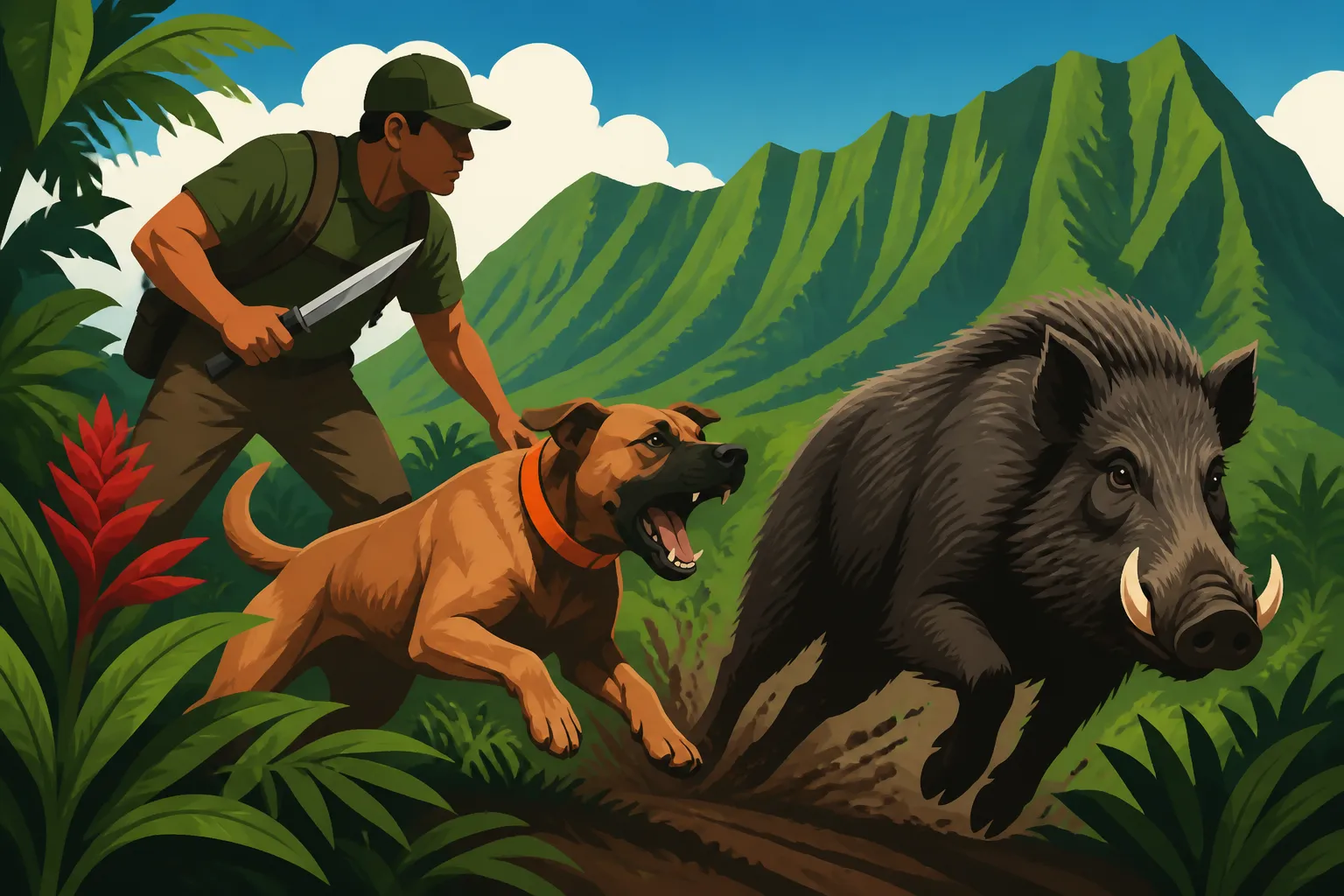
Kauai’s Dog and Knife Pig Guides
The thick jungles and deep gulches of Kauai present a unique challenge and opportunity for hunters, particularly when it comes to pursuing feral pigs. Many visitors and even some local hunters find themselves overwhelmed by the island's dense vegetation and steep, unforgiving terrain. This comprehensive guide will walk you through everything you need to know about engaging a Kauai dog and knife pig guide, offering insights into this traditional and exhilarating hunting method, what to expect, and how to prepare for an unforgettable experience on the Garden Isle.
Understanding the Dog and Knife Tradition on Kauai
Pig hunting with dogs and a knife on Kauai isn't just a sport; it's a deep-rooted cultural practice and a highly effective method for managing an abundant and destructive invasive species. The island's unique landscape and the behavior of its feral pigs have solidified this approach as a preferred and often necessary hunting style.
The Cultural Roots of Pig Hunting with Dogs
For generations, pig hunting has been woven into the fabric of Hawaiian culture, long before Western contact. The introduction of pigs by early Polynesian voyagers meant they quickly became a primary protein source. The method of using dogs, which were also brought to the islands, to locate and corner pigs, culminating in a dispatch with a knife or spear, developed organically out of necessity and efficiency. On Kauai, this tradition has endured, passed down through families and communities. It's a method that connects hunters to the land, their ancestors, and the primal thrill of the chase. You'll find that many local guides don't just see themselves as outfitters; they are stewards of this tradition, eager to share its history and techniques. Understanding this deep respect for the practice and the animal is key to appreciating a guided hunt on Kauai. It's not just about the kill; it's about the entire experience, the camaraderie with the dogs, and the physical and mental challenge it presents.
Why Kauai's Terrain Favors This Method
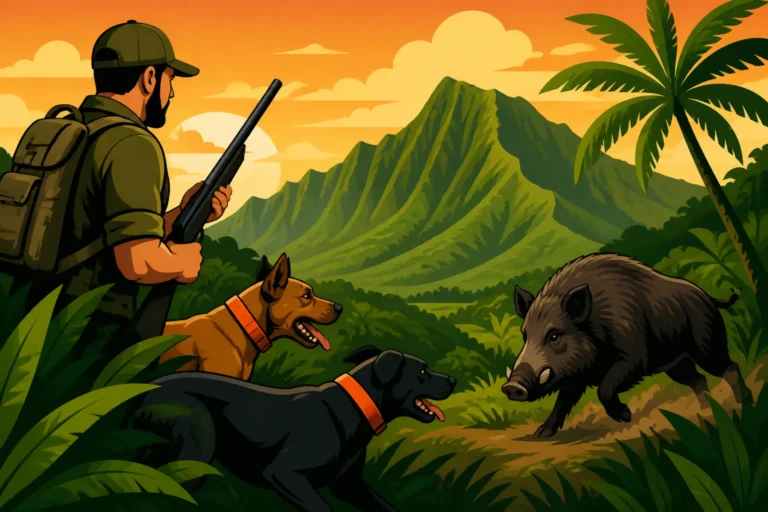
Kauai is often called the "Garden Isle" for good reason, boasting lush, dense rainforests, steep mountain ranges, and countless deep gulches carved by centuries of rain. While stunningly beautiful, this environment makes traditional spot-and-stalk rifle hunting incredibly difficult, if not impossible, in many areas. Visibility is often limited to mere feet, and the sound of crashing through brush can alert pigs long before you get a shot. This is where dogs become invaluable. Their keen sense of smell can penetrate the thickest vegetation, allowing them to track pigs through impossible tangles of guava, ginger, and fern. Once a pig is located, the dogs work to "bay" it, holding it in place by barking and circling, allowing the hunter to close the distance for a quick and humane dispatch with a knife. This method is perfectly adapted to the island's unique geography, which you'll understand intimately as you try Still-Hunting Pigs in Hawaii's Wet Forest or even just walk a few yards off a trail. Without dogs, many of Kauai's pig-rich areas would be virtually inaccessible to hunters.
The Difference Between Bay and Catch Dogs
When you talk to a Kauai dog and knife pig guide, you'll quickly learn about the specialized roles of their canine companions. It's not just a pack of dogs; it's a carefully selected and trained team.
-
Bay Dogs: These dogs are the trackers and the finders. They have excellent noses and the stamina to cover vast amounts of ground in challenging terrain. Their job is to locate a pig and then "bay" it, meaning they will circle and bark at the pig, keeping it focused on them and preventing it from running off. They maintain a safe distance, using their agility to avoid the pig's tusks while holding its attention. These dogs are crucial for letting the hunter know where the action is and for giving the hunter time to close in. A good bay dog needs to be vocal, fearless, and smart enough to read a pig's movements. You'll hear them from a distance, their barks echoing through the jungle, guiding you to the bay.
-
Catch Dogs: These dogs are typically larger, stronger, and more powerfully built, often wearing protective gear like cut vests to shield them from tusks. Their role is to engage the pig directly once the hunter is in position, allowing the hunter to get control of the animal. They grab and hold the pig by the ears or head, effectively immobilizing it. This is a critical moment in the hunt, as it allows the hunter to move in swiftly and safely for the dispatch. A well-trained catch dog is disciplined, knowing exactly when to move in and how to hold the pig without unnecessary aggression. The combination of bay and catch dogs creates a highly effective system, showcasing an incredible partnership between man and animal. Understanding these roles is fundamental to appreciating the skill and training involved in Training Pig Dogs in Hawaii and how they execute a successful hunt.
What to Expect from a Guided Dog and Knife Pig Hunt on Kauai
Embarking on a guided dog and knife pig hunt on Kauai is a far cry from a typical walk-in deer hunt. It's a physically demanding, mentally engaging, and deeply immersive experience that requires preparation and an open mind.
The Typical Day: From Briefing to Pack Out
Your day will likely begin early, often before dawn, at a pre-arranged meeting point. Here, your guide will conduct a thorough briefing. This isn't just a casual chat; it's a crucial part of the safety protocol and hunt strategy. The guide will outline the day's plan, discuss the specific unit or area you'll be hunting, review safety procedures for both humans and dogs, and answer any questions you might have. You'll likely learn about the local terrain you'll be traversing, and how Hunting Pigs in Hawaii's Rainforest Gulches or particular thickets will influence the hunt. After the briefing, you'll head to the hunting area, often involving a drive on rough 4WD roads.
Once at the trailhead, the dogs are usually released, eager to start tracking. Your role as a hunter is to follow your guide and the dogs, keeping an ear out for their distinct barks that signal they've found a pig. This can involve hours of hiking through dense, steep, and often muddy terrain. When the dogs finally bay a pig, the real adrenaline kicks in. You'll move quickly, yet carefully, with your guide to the bay. The guide will assess the situation, instruct you on the safest approach, and then the catch dogs will move in. Once the pig is secured, the guide will ensure a humane dispatch. The day culminates in the pack-out, which can be just as challenging as the hunt itself, navigating the same difficult terrain with a heavy load of fresh pork.
Essential Gear and Physical Demands
Successful dog and knife pig hunting on Kauai requires more than just a knife; it demands specific gear and a significant level of physical fitness. Your guide will provide insights, but generally, you'll need:
- Sturdy, Waterproof Footwear: Think solid hiking boots, ideally with good ankle support, that can handle mud, wet roots, and uneven lava rock. The terrain can be brutal on feet and ankles.
- Durable Clothing: Long pants and long-sleeved shirts are essential to protect against thorns, sharp vegetation, and insects. Quick-drying fabrics are a plus, as you will likely get wet from sweat, rain, or dew.
- Hydration Pack/Water Bottles: You'll be sweating a lot, even on cooler days. Staying hydrated is paramount.
- Small Backpack: For water, snacks, a first-aid kit, and any personal items.
- Good Knife: While your guide will provide the primary dispatch tool, having a sharp, fixed-blade knife for field dressing or general utility is wise.
- Headlamp/Flashlight: Even if you plan for a day hunt, unforeseen circumstances can extend your time in the field.
- Bug Repellent: Mosquitoes are prevalent, especially in the wet forest areas.
Beyond gear, consider the physical demands. This is not a leisurely stroll. You'll be hiking, climbing, and sometimes crawling through thick brush, often uphill, in humid conditions. You should be in good cardiovascular shape, have strong legs, and be prepared for a full day of strenuous activity. If you're used to flatland hunting, the vertical challenge of Navigating a Hawaii Gulch System will be a stark awakening! Many guides will explicitly tell you that good physical conditioning is non-negotiable.
Safety Protocols and Ethical Considerations
Safety is paramount on any hunt, but particularly so in the dynamic environment of a dog and knife pig hunt. Reputable Kauai guides prioritize safety for both their clients and their dogs. Before the hunt begins, your guide will go over critical safety protocols. This includes how to approach a bayed pig safely, how to move through dense vegetation without tripping, and what to do in case of an emergency. You'll be instructed on maintaining awareness of your surroundings, especially regarding the dogs' movements and the pig's position. Wearing bright colors, like blaze orange, although not strictly mandated for all big game hunting in Hawaii, is often encouraged, especially if you're hunting with other people.
Ethical considerations are also deeply ingrained in this tradition. The goal is a quick, humane dispatch. Your guide will ensure that the moment of dispatch is handled with respect for the animal and with efficiency. Hunters often find a profound connection to the food source when engaging in such a hands-on method. Additionally, it's crucial to understand the role this hunting plays in conservation. Feral pigs are highly invasive, causing significant damage to Hawaii's native ecosystems by rooting up fragile native plants, spreading invasive seeds, and creating breeding grounds for mosquitoes that carry avian malaria, which devastates native bird populations. By participating in these hunts, you are directly contributing to the conservation efforts of Hawaii's unique and threatened environment. Your guide may even discuss the implications of What Feral Pigs Do to Hawaii's Forests.
Finding and Choosing a Reputable Kauai Dog and Knife Guide
Choosing the right guide is arguably the most critical step in planning your Kauai dog and knife pig hunt. A good guide doesn't just put you on pigs; they ensure a safe, ethical, and memorable experience, sharing their knowledge of the land and the tradition.
Identifying Local Experts and Their Specializations
Kauai has a close-knit hunting community, and the best dog and knife pig guides often operate by word-of-mouth recommendations. Many of these guides are lifelong residents of Kauai, intimately familiar with every gulch, ridge, and pig trail on the island. They know the subtle signs, the seasonal movements of pigs, and how the weather influences their behavior. Some guides might specialize in particular units, such as Hunting Kauai's Kekaha Unit or Hunting Kauai's Na Pali-Kona Reserve, while others might be known for their particular breed of dogs or their expertise in handling challenging pig encounters.
When looking for a guide, start by searching online for "Kauai pig hunting guides" or "Hawaii dog hunting." Websites like BookYourHunt can sometimes list local outfitters, giving you a starting point. However, don't stop there. Read reviews, look for testimonials, and pay attention to how long they've been operating. Local tackle shops or hunting supply stores on Kauai can also be excellent sources for recommendations. Don't be shy about asking around once you arrive; many local hunters are happy to point you toward reputable individuals. Remember, a true local expert will offer more than just a hunt; they'll offer an education in the island's unique hunting heritage.
Questions to Ask Before Booking a Hunt
Once you've identified a few potential guides, it's time to have a direct conversation. This is your chance to vet them thoroughly and ensure they're the right fit for your expectations and experience level. Here are some crucial questions to ask:
- What is your experience and philosophy? How long have you been guiding dog and knife hunts on Kauai? What's your approach to hunting pigs? Do you prioritize a trophy boar, or is it more about the experience and getting meat?
- What units do you typically hunt? Does this align with the type of terrain or experience I'm looking for? Do you have access to both public and private lands?
- What kind of dogs do you use, and how are they trained? Can you tell me about their temperament and roles? How do you ensure their safety? Understanding Fitting a Cut Vest on a Catch Dog will give you an idea of the care they take.
- What are the physical demands of your hunts? How long are the typical hunts? What level of fitness do you recommend? Be honest about your own physical capabilities.
- What gear do I need to bring, and what do you provide? Confirm everything from knives to water to first-aid supplies.
- What are your safety protocols? How do you handle emergencies? What happens if a hunter or dog gets injured?
- What is your success rate? While no guide can guarantee a kill, they should be able to provide realistic expectations.
- What is included in the price? This is vital. Does it cover just the hunt, or does it include transportation, food, drink, and initial meat processing? Make sure to clarify what is not included, such as your Hawaii hunting licenses and what they cost or the cost of Shipping Game Meat Between Hawaii Islands.
- Do you have references I can contact? Speaking to past clients can provide invaluable insight into a guide's professionalism and the quality of their hunts.
Understanding Pricing and Inclusions (and Exclusions)
The cost of a guided dog and knife pig hunt on Kauai can vary significantly based on the guide's reputation, the length of the hunt, the inclusions, and whether you're hunting private or public land. It's essential to get a clear breakdown of pricing upfront to avoid any surprises.
Typically, a guided day hunt might cover the guide's fee, the use of their dogs, basic safety gear, and initial field dressing of the animal. Some premium packages might include transportation to and from your accommodation, lunch, and drinks, or even assistance with processing the meat for travel. Always confirm what specific services fall under "what a Hawaii guided pig hunt includes."
What's often not included, and where unexpected costs can arise, are:
- Hunting License and Tags: You are responsible for obtaining your own Hawaii hunting license and any required permits or tags before the hunt. This is a non-negotiable legal requirement. You can typically get these online through resources like GoHunt, which streamlines the process for many hunters.
- Travel and Accommodation: Your flights, rental car, and lodging on Kauai are almost always separate expenses.
- Gratuities: Tipping your guide is customary if you've had a good experience. Discuss this subtly with your guide or research standard practices beforehand.
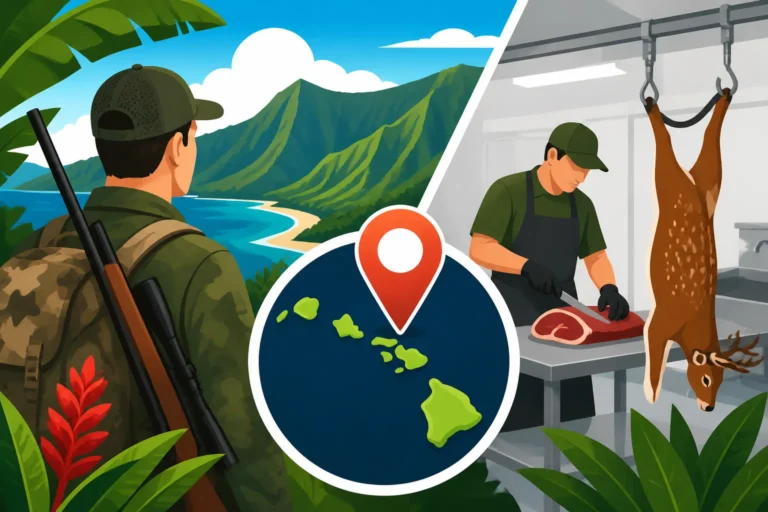
- Meat Processing and Shipping: While the guide will field dress the animal, specialized processing (butchering, freezing) and shipping meat off-island or back home will be additional costs. Inquire about local processors and their services, as Getting Meat Processed on a Hawaii Hunt requires specific facilities.
- Trophy Care: If you harvest a boar with impressive tusks, taxidermy preparation and shipping will be extra.
Always get a written confirmation of the price and inclusions to ensure everything is clear.
Preparing for Your Kauai Dog and Knife Pig Adventure
With your guide booked and your expectations set, the real preparation begins. A successful and enjoyable hunt on Kauai hinges on being physically, mentally, and logistically ready for the challenges ahead.
Physical Conditioning and Mental Toughness
As mentioned earlier, a dog and knife pig hunt is physically demanding. You'll be traversing steep, often slippery, and densely vegetated terrain for hours. Prioritize your physical conditioning in the weeks and months leading up to your trip. Focus on:
- Cardiovascular Endurance: Long hikes, running, or stair climbing will build the stamina needed for sustained effort.
- Leg Strength: Uphill climbs and navigating uneven ground will test your quads, hamstrings, and calves. Incorporate lunges, squats, and step-ups into your routine.
- Core Strength: A strong core will help with stability on difficult terrain and with carrying out meat.
Beyond the physical, mental toughness is equally important. Be prepared for:
- Adversity: You might face rain, mud, dense tangles, and tough climbs. The dogs might track for hours without finding a pig, or a pig might escape the bay. Stay positive and persistent.
- Discomfort: Expect to be hot, sweaty, tired, and maybe a bit scraped up. Embrace the challenge.
- Patience: Dog hunting requires patience. The dogs lead the way, and you must trust their instincts and your guide's judgment. Don't rush into a bay.
The ability to keep pushing through fatigue and maintain a positive attitude will significantly impact your experience.
Required Licenses, Permits, and Regulations
Before you even step foot in the Kauai jungle with your guide, you must have all your legal ducks in a row. Hawaii has specific requirements for hunters, and ignorance of the law is no excuse.
- Hawaii Hunting License: Every hunter, resident or nonresident, needs a valid Hawaii hunting license. These can typically be purchased online through the DLNR's Go Hunt Hawaii portal. Check the current fees for Hawaii Resident Hunting License Cost or Hawaii Nonresident Hunting License Cost. It's crucial to purchase this well in advance of your trip.
- Hunter Education: Most hunters are required to complete a Hunter Education course. If you're a nonresident and have completed a hunter education course in another state, you can often apply for a The Nonresident Letter of Exemption by providing proof of your certification. Again, handle this proactively.
- Permits/Tags: For feral pigs on Kauai, generally, a specific permit-tag is not required in the same way it might be for Axis deer or Mouflon on other islands. However, you must check the most current regulations with the Hawaii Department of Land and Natural Resources (DLNR) Division of Forestry and Wildlife (DOFAW) website or directly with your guide. Regulations can change, and it's your responsibility to be compliant.
- Weapons: For dog and knife hunting, the "weapon" is primarily the knife. However, it's wise to be familiar with Legal Weapons When Hunting Pigs With Dogs as some hunters may carry sidearms for self-defense in remote areas, and there are specific rules around their use and transport.
Always carry your license and any required permits with you in the field. Your guide will likely ask to see them.
Logistics: Travel, Accommodation, and Meat Care
Planning the broader logistics of your trip to Kauai is just as important as the hunt itself.
- Travel to Kauai: Fly into Lihue Airport (LIH). Depending on where your guide operates, you might need a rental car. Remember, if you plan to bring your own firearm for other types of hunting, there are strict rules about Flying to Hawaii With Firearms and Registering a Firearm After Arriving in Hawaii.
- Accommodation: Kauai offers a range of lodging, from hotels and resorts to vacation rentals. Consider staying somewhere with a small freezer or refrigerator if you plan to take some meat back. Popular areas include Lihue, Poipu, or Kapaa, but your guide might recommend closer options to your hunting unit.
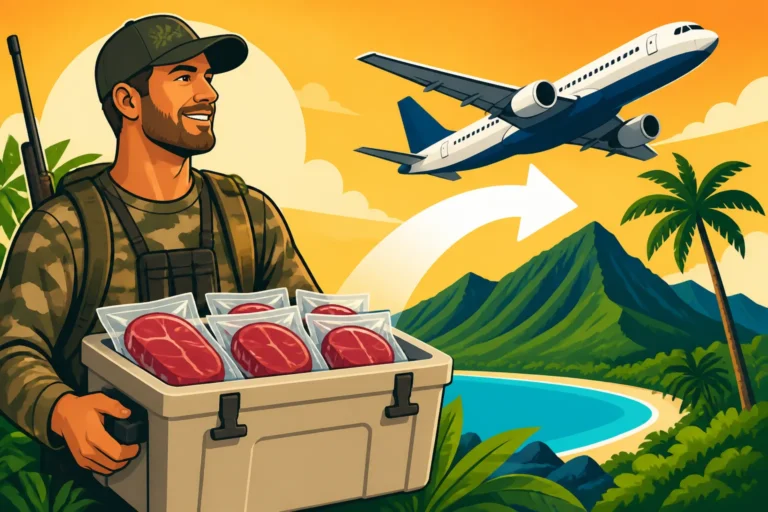
- Meat Care: This is crucial, especially in Hawaii's warm climate. Once a pig is down, your guide will typically field dress it quickly to begin the cooling process. If you plan to keep the meat, discuss this with your guide beforehand. They can advise on local game processors who can butcher, vacuum seal, and freeze your meat for transport. Be aware of Agricultural Rules for Taking Meat Off Island and Shipping Meat Home From Hawaii. You'll need coolers, ice, and a plan for keeping the meat cool until you can get it processed or consumed. Many hunters opt to donate excess meat to local families or the guide, which is a great way to contribute to the local community.
Table: Essential Hunt Preparation Checklist
| Category | Action Item | Notes |
|---|---|---|
| Pre-Trip | Book reputable guide | Use resources like BookYourHunt or local recommendations. Ask questions! |
| Purchase Hawaii Hunting License & stamps | Online via Go Hunt Hawaii. | |
| Confirm Hunter Ed exemption (if non-resident) | Apply for The Nonresident Letter of Exemption well in advance. | |
| Physical conditioning | Focus on cardio, leg strength, core. | |
| Research Kauai travel & accommodation | Book flights to LIH, rental car, lodging with freezer space if desired. | |
| Gear | Durable, waterproof hiking boots | With good ankle support for varied terrain. |
| Long pants & long-sleeved shirts | Protection from brush, sun, insects. Quick-drying fabrics. | |
| Hydration pack/water bottles (2-3L capacity) | You will need a lot of water. | |
| Small backpack for personal items | Snacks, first-aid, headlamp. | |
| Personal fixed-blade knife | For utility/field dressing (guide provides dispatch knife). | |
| Insect repellent & sunscreen | Essential for comfort and skin protection. | |
| Blaze orange (optional but recommended) | For visibility, especially if hunting with a group. | |
| Logistics | Discuss meat care plan with guide | Processing, freezing, shipping home. |
| Confirm meeting point & time with guide | Day before the hunt. | |
| Pack necessary medications & personal first-aid items | Guides carry first-aid, but personal meds are your responsibility. |
The Unique Thrill and Challenges of Dog and Knife Hunting
Dog and knife pig hunting on Kauai is an experience unlike any other. It combines raw, primal excitement with deep respect for nature and tradition, pushing hunters both physically and mentally.
The Adrenaline of the Chase and the Bay
There's nothing quite like the sound of well-trained dogs striking a hot pig trail, their eager barks echoing through the dense forest. This is where the "chase" truly begins, not just for the dogs, but for you, the hunter, as you push to keep up. The anticipation builds with every bark, every rustle in the undergrowth. When the dogs finally "bay" the pig, their barks change, becoming more urgent, concentrated, and intense. This is the signal: the pig has been cornered.
Closing the distance to a bayed pig is an adrenaline rush. You're moving quickly, cautiously, through thick cover, guided by the sound of the dogs. The air vibrates with their barking, and you know you're getting closer to a wild animal, often a powerful boar with formidable tusks, making its last stand. Seeing the scene unfold – the dogs expertly holding the pig's attention, the guide moving in with purpose – is a powerful moment. This close-quarters encounter, where your skill and the dogs' training converge, is what makes Dog and Knife Pig Hunting in Hawaii such a unique and intense experience. It's a test of nerve, speed, and precision, culminating in a definitive, impactful encounter.
Navigating Kauai's Dense Jungle and Steep Terrain
While the dogs do much of the heavy lifting in terms of tracking, you are responsible for covering the ground to reach them. Kauai's interior is a labyrinth of incredibly dense vegetation and relentless topography. Imagine pushing through thickets where visibility is zero, climbing steep, muddy slopes, and descending into deep, wet gulches only to climb out the other side. This is not open-country hunting. Every step is an effort, requiring careful foot placement to avoid slipping on wet rocks or tangled roots.
The humidity adds another layer of challenge, making every exertion feel magnified. Your guide will be an expert in Staying Found in Dense Hawaii Rainforest, but you still need to pay attention, listen for their directions, and be prepared for a physically taxing journey. It's common to emerge from a day's hunt scratched, muddy, and exhausted, but with an immense sense of accomplishment. This is the immersive, unvarnished beauty and brutality of hunting Kauai, and it demands respect for the land and your own physical limits.
Respecting the Animal and the Land
At its heart, dog and knife pig hunting on Kauai is a deeply respectful endeavor. The method itself, with the dogs holding the animal and the hunter delivering a quick, clean dispatch, is considered by many to be one of the most humane ways to take a pig in such dense cover. There's no long tracking job of a wounded animal, and the close range ensures a precise kill.
Beyond the kill itself, there is a profound respect for the animal's wild nature and strength. Feral pigs are incredibly resilient, intelligent, and powerful creatures, and the hunt acknowledges their formidable qualities. Furthermore, the hunt contributes directly to the well-being of Kauai's unique ecosystem. By removing invasive pigs, hunters help protect native forests, watersheds, and endangered species from the significant damage these animals cause. Many guides are passionate conservationists and will speak to the importance of their role in preserving the island's natural heritage. This blend of traditional practice, intense physical challenge, and environmental stewardship makes dog and knife pig hunting on Kauai a truly meaningful and impactful experience.
Disclaimer
This article is for general informational purposes only and does not constitute professional advice. Laws, prices and regulations vary by location and change over time. Consult a qualified professional for guidance on your specific situation.