Questions to Ask Before Booking
Planning a hunting trip to Hawaii can feel like navigating a maze, especially if you're coming from the mainland or even just hopping islands for a new experience. The sheer excitement of pursuing a magnificent Axis deer or the thrill of a wild pig hunt can quickly get overshadowed by the endless questions: Where do I even start? How do I pick the right guide? What if I get there and things aren't what I expected? This guide is here to cut through that confusion, equipping you with the crucial questions to ask before you book any guided hunt in Hawaii, ensuring you have the clearest picture possible and can embark on your adventure with confidence.
Why Asking the Right Questions Matters for Your Hawaii Hunt
When you're investing your hard-earned money and precious vacation time into a hunting trip, especially one as unique as Hawaii offers, you deserve to have a clear understanding of what you're getting into. It's not just about the hunt itself; it's about the entire experience, from the moment you land to the moment you fly home, hopefully with a cooler full of fresh venison. Hawaii's hunting landscape is diverse, regulated by specific local laws, and often involves private land access or unique public draw systems. Without proper due diligence, you could find yourself facing unexpected costs, logistical nightmares, or even ethical dilemmas.
Avoiding Misunderstandings and Disappointment
Imagine arriving in Hawaii, boots laced up, rifle sighted, only to find out that the "all-inclusive" package you booked doesn't actually cover your hunting license or the tag for the animal you're after. Or perhaps the "rugged terrain" described online turns out to be a perilous lava field that you're not physically prepared for. These kinds of misunderstandings can quickly turn a dream hunt into a frustrating ordeal. By asking direct and detailed questions upfront, you minimize the chances of these costly surprises. You want to make sure the outfitter's understanding of "guided" aligns perfectly with yours. Are they just dropping you off, or are they with you every step of the way, offering advice and assistance? This clarity helps set realistic expectations, which is the first step toward a truly enjoyable experience.
Every outfitter operates a little differently, even within the same species or island. Some might specialize in Bowhunting Hawaii's Public Units for Axis deer, while others focus on private ranch rifle hunts. The subtle differences in their offerings can significantly impact your hunt. For instance, an outfitter might advertise a "trophy Axis deer hunt," but if you don't ask about the average size of animals taken or the method of hunting, you might arrive expecting a ground blind hunt when they primarily conduct strenuous spot-and-stalk ventures across vast, open country. Laying out all the details beforehand ensures that both parties are on the same page, preventing any bitter taste from unmet expectations.
Ensuring Safety and Legal Compliance
Hunting in Hawaii comes with its own set of rules and regulations, some of which are very different from the mainland. From weapon restrictions to check-in/check-out procedures for public lands, it's crucial that your hunt adheres to all local laws. A reputable outfitter will be well-versed in these regulations, but it's still your responsibility as a hunter to ensure compliance. Asking questions about specific legal aspects not only protects you from potential fines or penalties but also ensures you're hunting ethically and sustainably within the islands' unique ecosystem. Are they operating with all the necessary commercial licenses? Do they know the specific Hawaii's Legal Weapons by Season for the unit you'll be hunting?
Furthermore, safety should always be paramount. You'll be traversing unfamiliar and often challenging terrain, whether it's steep, slippery rainforest gulches for pigs or sharp, uneven lava flows for Mouflon. Understanding the guide's safety protocols, their emergency preparedness, and what measures they take to ensure a secure hunt is non-negotiable. Don't be shy about asking about their first aid training, their communication methods in areas without cell service, or how they handle potential hazards like falling rocks or unexpected weather changes. No Cell Signal on a Hawaii Hunt is a common reality, so knowing their plan for communication is vital.
Matching Expectations with Reality
The allure of "hunting paradise" can sometimes overshadow the practical realities of hunting in Hawaii. It's a beautiful place, no doubt, but hunting here is often physically demanding, the weather can be unpredictable, and the animals can be incredibly wary. What one person considers a "challenging but rewarding" hunt, another might find overly difficult. You need to understand the actual conditions you'll face. Will you be spending long hours glassing open hillsides, or still-hunting through dense jungle? What level of physical fitness is truly required?
Understanding the realities also extends to success rates. While every hunter hopes for a successful harvest, Hawaii hunting isn't a guarantee. Some units are notoriously tough, or certain species can be elusive. An honest guide will discuss realistic expectations for success, perhaps even offering alternatives or different approaches if your primary target proves too difficult. For instance, if your goal is a record-book Axis buck, you need to understand if the outfitter consistently delivers on that, or if their average harvest is a more modest animal. This conversation helps manage your expectations for the trophy, the effort, and the overall experience, ensuring you leave with positive memories, regardless of whether you punch a tag.
Essential Questions About the Hunt Logistics
Before you even think about putting down a deposit, you need to hammer out the nuts and bolts of the hunt itself. This includes everything from what you'll be hunting and where, to the daily rhythm of the trip and what precisely your money covers. Getting these logistical details clear will prevent a lot of headaches down the line.
What Species and Units Are We Targeting?
Hawaii offers a diverse range of hunting opportunities, from the iconic Axis deer to challenging feral pigs, impressive Mouflon sheep, and nimble feral goats. It's easy to get excited about hunting "in Hawaii," but you need to be specific about what you'll be hunting. Ask your prospective outfitter which species they specialize in and where they typically conduct these hunts. Different islands, and even different areas on the same island, offer vastly different experiences and success rates for various game. For example, Hunting Maui's Year-Round Axis Deer Units will be a very different hunt than Hunting Mouflon on Hawaii's Highest Slopes.
Furthermore, clarify the exact hunting units or private land areas where the hunt will take place. Hawaii's public land system is divided into numerous units, each with its own regulations, seasons, and access rules. If hunting on private land, confirm the ranch or property name and understand the terms of access. Some outfitters have exclusive leases, while others use a variety of smaller parcels. Knowing the specific location helps you research the terrain, typical weather conditions, and even historical success rates for that area. It's also important to understand the specific season and any tag limitations for those units, such as Hawaii Axis Deer Bag Limits or specific open weekends.
What's the Daily Itinerary and Hunt Style?
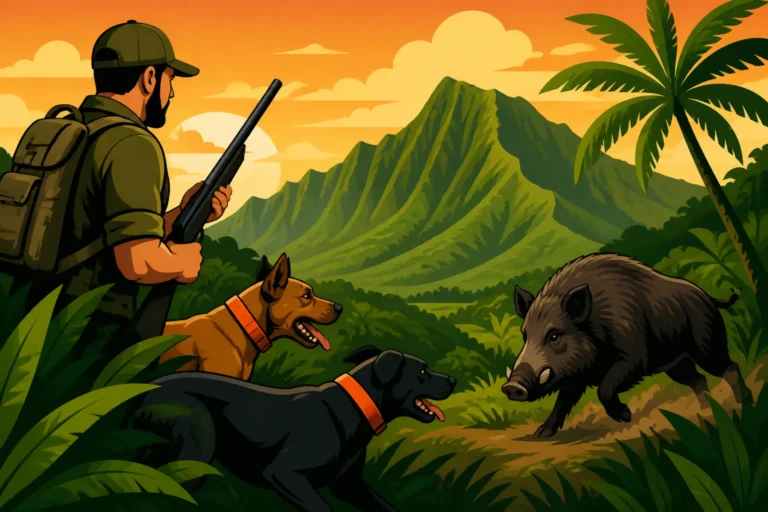
Hunting in Hawaii isn't a one-size-fits-all endeavor. The daily routine and the style of hunting can vary dramatically based on the species, terrain, and the outfitter's preferred methods. Are you expected to be up before dawn, trekking miles in the dark, or will you be covering ground in a vehicle and then walking short distances? Ask for a typical day's schedule. What time does the hunt start and end? What are the meal arrangements? Will you be still-hunting, Spot-and-Stalk Axis Deer in Hawaii, or perhaps Dog and Knife Pig Hunting in Hawaii?
Understanding the hunt style is crucial for your preparation. If it's a strenuous mountain hunt for Mouflon, you'll need to be in good physical condition. If it's a sit-and-wait hunt over a water source, your gear needs might be different. Discuss the average amount of walking involved, the type of terrain (e.g., steep, rocky, dense forest, open pasture), and the elevation. This conversation helps you gauge your physical preparedness and ensures the hunt aligns with your comfort level and expectations. Don't forget to ask about contingency plans for adverse weather; Hawaii can experience sudden, heavy rains or strong winds, especially on the windward sides of the islands.
What's Included and What's Not?
This is perhaps one of the most critical areas to clarify to avoid nasty surprises on your invoice. When an outfitter says "all-inclusive," what does that really mean? Get a detailed, itemized list of what the base price covers.
Typically, a guided hunt fee will include the guide's services, field transportation during the hunt, and field dressing of the animal. But what about everything else?
- Accommodation and Meals: Are these provided, and if so, what kind of lodging (tent camp, cabin, hotel) and what type of meals (packed lunches, full dinners)?
- Licenses and Tags: Crucially, these are almost always separate. You'll need a Hawaii hunting license and, for most big game, a specific permit-tag. Ask for an estimate of these costs and guidance on how to acquire them. Many hunters use resources like GoHunt Hawaii or directly through the state's online portal for this.
- Weapon Rental: If you're not bringing your own firearm, ask if rentals are available, what they cost, and if ammunition is included. Renting a Rifle From a Hawaii Guide is a common practice for visitors.
- Meat Processing & Shipping: Will the guide assist with quartering, packing, and transporting the meat to a processor? Is the processing fee itself included? What about the costs and logistics for Shipping Meat Home From Hawaii or inter-island?
- Taxidermy: Similar to meat processing, ask about assistance with caping and transporting trophies to a taxidermist, and if those services are included.
- Airport Transfers: Is transportation from the airport to your lodging or the hunting area provided?
- Gratuities: What are the customary expectations for tipping the guide and any support staff?
Create a checklist and go through it line by line. Don't assume anything. This table might help organize your thoughts:
| Category | Question to Ask | Typical Inclusion (Varies) |
|---|---|---|
| Hunt Itself | Is the guide fee for a full day or a half day? | Guide's time, field transport |
| What game species are covered by this specific booking? | Specific animal/tag opportunity | |
| Are there limits on shooting opportunities or number of animals? | Varies, usually one animal per tag | |
| Licenses/Tags | Do I need to buy my license/tag separately? Can you help me navigate this? | No, typically separate client cost |
| What are the estimated costs for licenses and tags? | Information provided, not included | |
| Gear | Do you provide weapons/ammo, or do I bring my own? What are the rental costs? | Rentals often extra |
| What specific gear (boots, rain gear, optics) do I need to bring? | Recommendations, client provides | |
| Logistics | Is transportation to/from the airport included? | Often extra, or arrangements made |
| Where will I be staying, and are accommodations included? | Varies greatly by package | |
| Are meals provided, and what kind? | Varies, from packed lunches to full | |
| Post-Harvest | What assistance is provided for field dressing and meat retrieval? | Usually included in guide fee |
| What are the arrangements for meat processing and shipping? Are those costs extra? | Processing/shipping always extra | |
| What about caping and taxidermy services? | Taxidermy always extra | |
| Financials | What's your deposit and cancellation policy? | Varies, get it in writing |
| What are the expected gratuities for guides/staff? | Not included, client responsibility |
What Gear Should I Bring?
Hawaii's diverse environments mean that what you pack can make or break your comfort and effectiveness on the hunt. The same pair of boots that excel in a dry kiawe flat might be utterly miserable in a wet, muddy rainforest gulch. Ask your guide for a detailed gear list, not just general categories. They live and hunt in these conditions daily, so their advice is invaluable.
Specifically, inquire about footwear for the primary terrain. Will you be Walking Rough Lava Without Wrecking Your Boots? Or navigating slippery, muddy trails in the jungle? What kind of layers are appropriate for varying temperatures, especially if hunting at different elevations throughout the day? The windward side can be wet and humid, while the leeward side is often dry and hot. Rain Gear for a Windward Hawaii Hunt is a must. Discuss optics needs – binoculars, spotting scope – and any specialized equipment like trekking poles for steep terrain. Don't forget items for personal comfort and safety, such as insect repellent (especially in wet areas), a good headlamp, and a small first-aid kit. Your guide might recommend a specific pack size for daily essentials, water, and perhaps even to carry out a portion of meat.
Questions Regarding Guides, Experience, and Success
You're not just booking a hunt; you're entrusting your safety, experience, and hard-earned money to a guide. Their expertise, professionalism, and integrity are paramount. Don't hesitate to dig deep into their background and what you can expect from them in the field.
What is Your Experience and Reputation?
Before you even consider booking, you should feel comfortable with the guide's experience. Ask how long they've been guiding in Hawaii specifically. Do they have extensive knowledge of the area you'll be hunting, including animal behavior, movement patterns, and local terrain? A guide who primarily hunts Axis deer on Maui might not have the same expertise for Mouflon on Hawaii Island. Inquire about their formal certifications, such as first-aid training, and if they hold all necessary state and commercial licenses. Reputable outfitters should be happy to provide this information.
It's also a good idea to ask for references from past clients, especially those who hunted the same species or unit you're interested in. A seasoned outfitter will have a list of satisfied customers willing to share their experiences. Take the time to call these references and ask them about the guide's professionalism, their knowledge of the area, safety practices, and overall demeanor. You can also check independent review sites or forums where hunters discuss their experiences. Platforms like BookYourHunt often feature reviews from previous clients, which can give you a good general sense of an outfitter's standing. Choosing the Right Hawaii Outfitter involves more than just looking at pretty pictures on a website; it requires real investigation.
What are Your Success Rates and What Do They Mean?
Success rates are often a big selling point for outfitters, but they can be misleading. Always ask for specific numbers related to the species and type of hunt you're booking. For example, "What's your success rate for mature Axis bucks on a rifle hunt on Maui?" is better than a generic "high success rate." More importantly, ask how they define "success." Is it simply seeing game? Getting a shot opportunity? Or harvesting an animal?
Understand that a "100% opportunity rate" doesn't necessarily mean a "100% kill rate." Sometimes, a hunter might pass on an animal, or simply miss. An honest outfitter will explain the nuances of their success rates and manage your expectations realistically. They should also be transparent about factors that can affect success, such as weather, moon phases, or hunting pressure. For example, Hunting Axis Deer Under a Full Moon or Hunting a Hawaii Unit After Heavy Rain can present different challenges and opportunities. Ask about the typical size or age class of animals harvested on their hunts – are they geared towards trophy animals or more towards meat hunting?
What Happens if We Don't Fill a Tag?
Despite everyone's best efforts, hunting isn't always successful. Animals move, weather changes, and sometimes luck just isn't on your side. It's important to know your outfitter's policy if you don't harvest an animal. Do they offer a discount on a future hunt? Is there a reduced daily rate for days without a harvest? Or is the guide fee non-refundable regardless of success?
While no ethical outfitter can guarantee a kill, their policy on unfulfilled tags reflects their commitment to client satisfaction and their confidence in their services. Some might offer a "no kill, no pay" policy on the guide fee portion, while others will charge a flat rate for the guide's time and effort, regardless of the outcome. Clarify this upfront, as it impacts your financial commitment and peace of mind. Discussing these scenarios before the hunt can prevent misunderstandings and disappointment should the hunt not go as planned. It also sets a realistic tone: you're paying for the experience and the opportunity, not just the animal itself.
Understanding the Financials and Booking Terms
Money matters, especially when planning a trip to an exotic location like Hawaii. Hidden costs or confusing payment structures can sour an otherwise incredible experience. Get everything about the financial aspect ironed out in detail, preferably in writing.
Breakdown of Costs: Hunt, Licenses, Tags, and Extras
We touched on inclusions earlier, but it's worth reiterating the importance of a transparent and comprehensive cost breakdown. Beyond the guide fee, ask for estimates for all potential expenses. This includes the non-negotiable costs like your Hawaii Hunting Licenses and What They Cost and specific permit-tags. These costs can vary for residents and non-residents, and it's essential to factor them into your overall budget. Many of these can be purchased online through the state's portal or through services like GoHunt Hawaii, but understanding the outfitter's preferred method for their clients is helpful.
Then there are the "optional" but often essential extras: gun rental fees, ammunition costs, any airport shuttle fees, and perhaps even specialty gear rentals if available. Don't forget about potential charges for meat processing and taxidermy services. Get these estimates so you can budget accurately. For instance, What a Hawaii Guided Axis Deer Hunt Costs will vary widely, but having a full picture of all related expenses helps you avoid financial shock. Also, ask if there are any surcharges for credit card payments or if prices are subject to change.
Deposit, Payment, and Cancellation Policies
Understanding how and when you pay, and what happens if your plans change, is crucial. What is the required deposit amount, and when is it due? Is it refundable, partially refundable, or non-refundable under certain conditions? What's the schedule for the remaining balance? Is it due prior to arrival, or can you pay in person on the first day of the hunt? Get these terms in writing.
Life happens, and sometimes even the best-laid plans go awry. Inquire about the outfitter's cancellation policy. What if you have to cancel due to an emergency? What if they have to cancel due to unforeseen circumstances like severe weather or a sudden unit closure? What Happens When a Hawaii Season Is Cancelled can significantly impact your travel plans and finances. A clear cancellation policy protects both you and the outfitter and provides a framework for recourse if necessary. Look for flexibility or options to reschedule if cancellations are unavoidable.
Tipping Etiquette and Expectations
Tipping guides is a customary practice in the hunting industry, and Hawaii is no exception. However, the exact amount can vary. Don't leave this to an awkward conversation at the end of your trip. Ask your outfitter what the customary gratuity percentage or amount is for their guides and any other support staff (like packers or camp cooks, if applicable). This allows you to budget for it upfront and avoid any discomfort later.
A good rule of thumb is that tips are typically a percentage of the hunt's base cost, but your guide will be able to provide the most accurate expectation for their operation. Tips are a way to show appreciation for excellent service, hard work, and a memorable experience. Understanding this expectation beforehand means you can plan your finances accordingly and give a well-deserved tip without feeling unprepared or surprised. You can find more general guidance in resources like Tipping a Hawaii Guide.
Logistics for Out-of-State and Inter-Island Hunters
For hunters traveling a significant distance, particularly from the mainland, there are several unique logistical hurdles that need to be addressed. These include firearm transportation, meat and trophy handling, and local travel within the islands.
Advice on Firearms and Ammunition Travel
Bringing your own firearm to Hawaii involves specific federal and state regulations that you absolutely must follow. This is not the place to cut corners or make assumptions. Ask your outfitter for their detailed advice and any specific requirements they might have. They should be able to walk you through the process, but ultimately, it's your responsibility to comply with all laws.
Key questions include:
- What are the specific airport procedures for flying with firearms to Hawaii?
- What are the local firearm registration requirements upon arrival? (Yes, Hawaii has them, and they are distinct from many mainland states).
- Are there any ammunition restrictions?
- Can you assist with the required firearm registration at the local police department?
- What are the rules for Inter-Island Travel on a Hawaii Hunt if your hunt involves flying between islands with your firearm?
If you opt to rent a firearm from your guide, this simplifies things significantly, but still requires adherence to local laws for possessing and using the weapon. Hawaii Rules on Bringing a Firearm to the Islands are comprehensive, so ensure you have a clear understanding from your outfitter and the relevant authorities well in advance of your trip.
Meat Processing, Taxidermy, and Shipping
Successfully harvesting an animal is just the first step; getting that meat and trophy home is another logistical challenge, especially in Hawaii's warm climate. Inquire about the outfitter's assistance with field care, processing, and shipping.
- Field Care: Will the guide properly field dress and quarter the animal to prevent spoilage? Cooling Meat Fast on a Hawaii Hunt is crucial due to the heat.
- Meat Processing: Do they have a preferred local butcher or processor? What are the estimated costs for processing your animal?
- Shipping Meat: How do you get processed meat off the island or to the mainland? What are the agricultural inspection requirements? What are the estimated costs and timelines for shipping coolers of frozen meat?
- Taxidermy: If you're taking a trophy, what is the guide's process for caping and preparing it for transport? Can they recommend a local taxidermist, or help you arrange shipping of the raw cape and skull to your preferred taxidermist on the mainland? Getting a Cape and Horns Shipped Home involves specific packaging and permits.
These services are rarely included in the base hunt price, so understanding the additional costs and coordination involved is vital. Your guide should be a valuable resource for navigating these post-harvest logistics.
Accommodations and Local Transportation
While some outfitters offer all-inclusive packages with lodging, many provide guiding services only, leaving you responsible for your overnight stays and daily transport to the hunt meeting point.
- Lodging: If accommodations aren't included, ask for recommendations on hotels, vacation rentals, or B&Bs near the hunting area. This allows you to research and book lodging that fits your budget and preferences.
- Transportation: How will you get to the hunting area each day? Is it a meeting point where you jump in the guide's vehicle, or are you expected to drive your own rental car to specific trailheads? If you need a rental car, does it need to be a 4×4, or will a standard vehicle suffice for accessing the meeting spots? Reaching a Hawaii Unit by 4WD Road is often necessary for public lands.
- Meals: If meals aren't included, where are the nearest grocery stores or restaurants? Planning for your own food can significantly impact your budget and daily routine.
Clarifying these points ensures a smooth transition from your accommodation to the hunting grounds each day and prevents any last-minute scramble for lodging or transportation. You want to focus on the hunt, not on logistical headaches. Hawaii Lodging Near the Hunting Units can be limited in some areas, so early booking is often essential.
Questions About Ethical Hunting and Conservation
Hunting in Hawaii is deeply intertwined with conservation efforts to protect the islands' unique and fragile ecosystems. As an ethical hunter, you should understand and align with your guide's approach to fair chase, animal utilization, and environmental stewardship.
Guide's Stance on Fair Chase and Local Regulations
The concept of fair chase is a cornerstone of ethical hunting. Ask your guide about their philosophy on fair chase and how they ensure it on their hunts. This includes discussions around shooting distances, situations where a shot might be unethical (e.g., running shots at extreme distances, shooting into a herd with uncertainty of hitting the desired animal), and ensuring a clean kill. A responsible guide will prioritize the welfare of the animal and ethical hunting practices over simply "getting a kill."
Beyond fair chase, inquire about their adherence to specific local regulations, such as legal shooting hours, unit boundaries, and rules against baiting. The Rules Against Baiting Game are important to understand. You want to be confident that your guide is operating entirely within the bounds of the law, protecting both the resource and your reputation as a hunter. This also extends to understanding how Hawaii's Hunting Units and How They Work relate to conservation efforts and managing animal populations.
How Harvested Animals are Utilized
In Hawaii, hunting feral animals like pigs and goats is often seen as a critical component of land management and ecosystem protection, alongside providing sustenance. Ask your guide how harvested animals are utilized. Is all the meat retrieved and used, or is some left in the field? What are the local traditions or cultural practices regarding harvested game?
Most ethical guides in Hawaii will emphasize full utilization of the animal, often referring to it as "taking what you kill." This aligns with traditional Hawaiian values and modern conservation principles. Understanding this commitment from your guide ensures that your hunt contributes positively to both the local community and the environment. It's a testament to responsible hunting when the meat feeds families and the animal's impact on the delicate ecosystem is managed.
Respecting the Aina (Land) and Local Culture
Hawaii is a place with a rich history and deep cultural reverence for the land, or 'aina. As a visitor, showing respect for the local culture and environment is paramount. Ask your guide about any specific cultural protocols or ways of showing respect for the land and its resources. This might include leaving no trace, being mindful of sacred sites, or understanding local customs around hunting.
A good guide will not only lead you to game but also educate you on the unique ecological and cultural context of hunting in Hawaii. This respect extends to minimizing your impact on the environment—staying on designated trails, packing out all trash, and understanding the fragility of the native flora and fauna. Engaging with your guide on this topic shows your commitment to being a responsible and respectful guest in the islands, enhancing your overall experience and appreciation for this special place.
Disclaimer
This article is for general informational purposes only and does not constitute professional advice. Laws, prices and regulations vary by location and change over time. Consult a qualified professional for guidance on your specific situation.