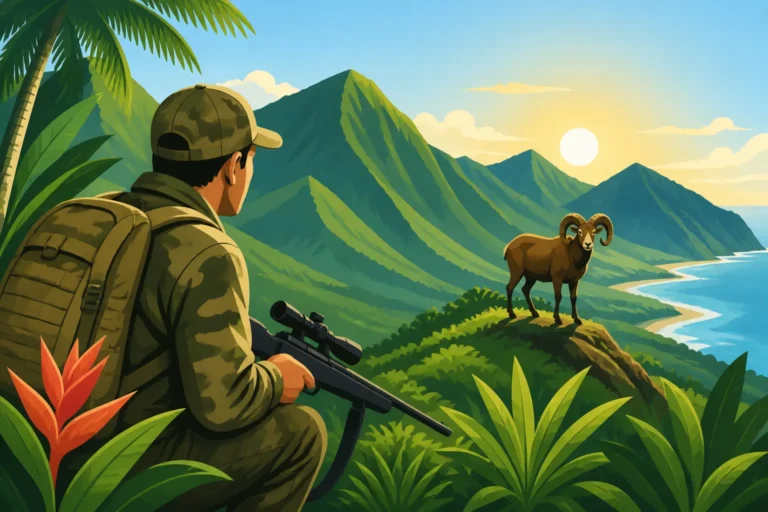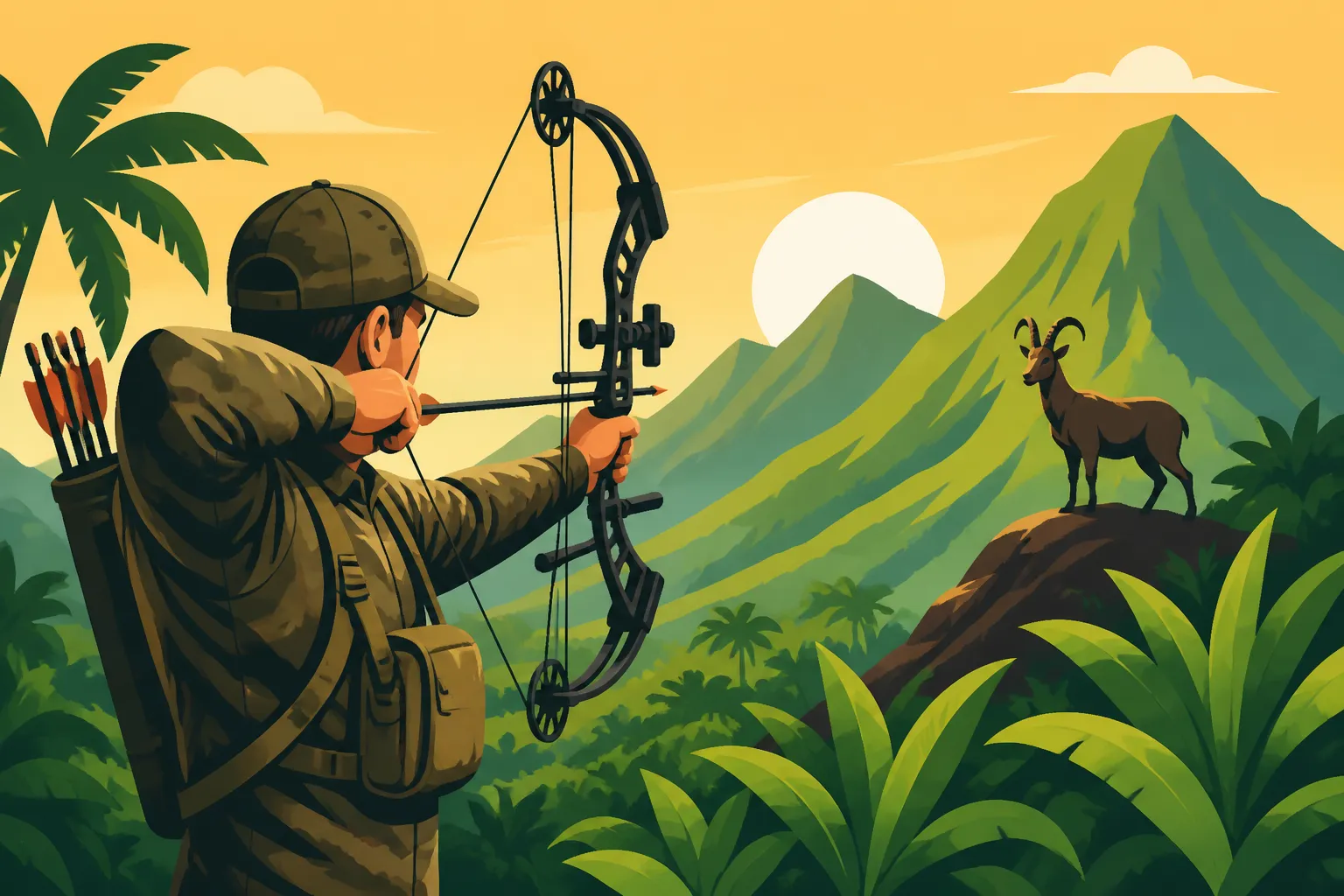
Practicing Before a Hawaii Hunt
The dream of hunting in Hawaii often conjures images of stunning landscapes and exotic game, but the reality of pursuing animals on these unique islands comes with a set of challenges that can surprise even the most seasoned hunter. Many hunters, especially those visiting from the mainland, drastically underestimate the physical toll the rugged, varied terrain takes, or the precision required for shots often taken in unpredictable conditions. This comprehensive guide will walk you through exactly how to prepare and practice effectively to ensure you're truly ready for a successful and safe Hawaii hunting adventure, turning potential frustrations into confident triumphs.
Why Pre-Hunt Practice is Non-Negotiable for Hawaii's Unique Terrain
It's easy to get caught up in the excitement of planning a Hawaii hunt – dreaming of Axis Deer Hunting in Hawaii or pursuing Hunting Hawaii's Feral Pigs – and overlook the critical need for dedicated pre-hunt practice. These islands aren't like your typical hunting grounds. The environment itself is a formidable opponent, and without proper preparation, you'll find yourself physically and mentally lagging when it counts most.
The Physical Demands of Island Hunting
Forget flat, manicured fields. Hawaii's hunting units throw everything at you: steep, volcanic slopes on Mauna Kea, dense, humid rainforests on the windward side of the Big Island, and sun-baked kiawe flats on Maui or Lanai. These are not easy walks in the park. You might be climbing thousands of feet in elevation, scrambling over jagged lava rock, or slogging through mud and tangled roots in torrential rain. Many hunters, accustomed to truck access or gentler trails, are simply not ready for the relentless, leg-burning ascents and descents. A lack of physical fitness can lead to early fatigue, missed opportunities, and even unsafe situations in remote areas. Imagine being halfway up a steep gulch, carrying a heavy pack and your rifle, only to realize your legs are shaking and your lungs are burning too much to hold a steady aim. That's a real-world scenario you want to avoid. You need to be able to hike confidently and then recover quickly enough to make an ethical shot. Fitness for a Steep Hawaii Hunt is an absolute must-read to grasp the scope of what's required.
Mastering Unpredictable Wind and Thermals
Hawaii's trade winds, combined with its dramatic topography, create notoriously shifty wind and thermal patterns. What might be a steady breeze at sea level can become a swirling vortex in a mountain valley or on a high ridge. You could be stalking an animal with the wind in your face, only for it to completely switch as you drop into a draw, instantly alerting your quarry. This isn't just a minor annoyance; it's a hunt-ending factor. Practicing how to read and anticipate these shifts, and how to adjust your approach, is crucial. It means not just knowing what the wind is doing, but how it will likely behave in different terrain features. Trying to get within bow range of an Axis deer or still-hunting a wary pig requires an acute awareness of air currents. If you're not used to constantly checking the wind, or if your home hunting doesn't present such extreme shifts, you'll be at a significant disadvantage. Reading Hawaii's Trade Wind Patterns offers excellent insights into this unique environmental challenge.
Understanding Hawaii's Vegetation and Cover
The vegetation in Hawaii is incredibly diverse, ranging from sparse, thorny kiawe forests in dry country to nearly impenetrable stands of strawberry guava or dense fern thickets in wet regions. This isn't just scenery; it dictates your stalking approach, visibility, and even what caliber or archery setup might be best. The brush can be so thick that shooting lanes are tight, distances are close, and quick target acquisition is paramount. Conversely, open lava fields or high-elevation grasslands offer vast visibility but minimal cover, demanding long-range shooting skills and meticulous spot-and-stalk tactics. Your practice should account for these extremes. You might need to make a snap shot through a small window in dense cover one moment, and then settle in for a precise, long-range shot across an open expanse the next. Knowing what to expect from the flora will directly impact your shot placement and ethical take.
Tailoring Your Practice for Hawaii's Unique Challenges
Standard target practice is a good start, but it won't fully prepare you for the specific demands of a Hawaii hunt. You need to go beyond the basics and intentionally integrate the islands' realities into your training. This means not just shooting, but simulating the physical and mental stress you'll encounter.
Precision Shooting Under Pressure
Hawaii's game animals, particularly Axis deer and Mouflon sheep, are incredibly wary. Shot opportunities can be fleeting, often at unexpected angles or after a strenuous stalk. You might find yourself needing to take a shot after climbing a steep ridge, heart pounding, or trying to settle your crosshairs as a gust of wind tries to push your rifle off target. This isn't benchrest shooting. Your practice needs to reflect this reality.
Consider these scenarios:
- Elevated heart rate drills: Do a quick sprint or a set of burpees, then immediately get into a shooting position and take your shot. Repeat this, focusing on controlling your breathing and finding your natural point of aim quickly.
- Unconventional positions: You won't always have a perfect prone or kneeling setup. Practice shooting from awkward positions – sitting with your pack as a rest, offhand leaning against a tree (if safe), or even kneeling on uneven ground.
- Varying distances and angles: Hawaii offers everything from close-range encounters in dense brush to 300-yard shots across open valleys. Practice at multiple distances, and if possible, find a range where you can shoot uphill and downhill. This will help you understand how gravity affects bullet trajectory on inclines and declines. For bowhunters, this is particularly critical; judging yardage on steep slopes is far different than on flat ground. Bowhunting Hawaii's Public Units often involves these kinds of challenging shots.
Simulating Field Conditions
Beyond the act of shooting, you need to practice everything else that leads up to the shot. This means getting your gear dialed in, understanding how it performs when you're tired, and developing a routine that minimizes fumbling when an animal appears.
| Practice Element | What to Do | Why It Matters for Hawaii |
|---|---|---|
| Loaded Pack Hikes | Hike your local trails with the same weight you expect to carry in Hawaii, including your rifle/bow. | Builds endurance for steep climbs; acclimates you to carrying gear. |
| Optic Drills | Practice quickly raising binoculars/spotting scope, finding an object, and then transitioning to your weapon. | Fast target acquisition for wary animals; crucial for Spot-and-Stalk Axis Deer in Hawaii. |
| Clothing Layers Practice | Wear your planned hunting attire (including rain gear) on practice hikes to ensure comfort and freedom of movement. | Tests comfort in heat/humidity; ensures rain gear doesn't hinder movement or create noise. |
| Navigation with GPS/Map | Use your GPS device or map/compass on unfamiliar trails to practice staying oriented and identifying terrain features. | Critical for Staying Found in Dense Hawaii Rainforest or vast lava fields with no landmarks. |
| Water Source Practice | Carry and filter water during long hikes if natural sources are available, or simulate rationing. | Essential for Water and Heat Planning for a Hawaii Hunt in dry units where water is scarce. |
For those using a muzzleloader, practicing in Hawaii's sometimes humid conditions is especially important. Muzzleloading in Hawaii's Humidity can present challenges with powder igniting, so test your setup thoroughly. Similarly, if you're looking at specific private land opportunities, platforms like BookYourHunt often provide details about the type of terrain and typical shot distances, which can help you customize your practice even further.
Gear Familiarity and Trouble-Shooting
Your gear is an extension of you in the field. Every piece of equipment, from your rifle to your boots, needs to be thoroughly vetted and practiced with. This isn't just about making sure it works; it's about making sure you work seamlessly with it under stress.
- Weapon Proficiency: Don't just shoot. Practice loading, unloading, clearing potential jams (if applicable), and transitioning between carrying and shooting positions. If you're using a sling, practice shouldering your rifle smoothly and quietly without snagging. For bowhunters, drawing quietly and smoothly, especially with hunting layers on, is paramount. Choosing an Arrow Setup for Axis Deer will also highlight the importance of knowing your equipment intimately.
- Optics and Rangefinders: Practice using your binoculars and rangefinder quickly and efficiently. Can you range an animal and then transition to your scope without fumbling? Do you know your ballistic data cold for various ranges? These precious seconds can make or break a shot.
- Boots and Footwear: This is a big one. Hawaii's varied terrain will test your footwear like nothing else. Walk miles in your chosen hunting boots, especially over varied terrain – concrete, gravel, grass, and if possible, rocky, uneven ground. Break them in completely. A blister or a twisted ankle because your boots aren't up to par can ruin a hunt. Trust me, I've seen it happen. Boots for Hawaii Lava and Wet Forest delves deep into this critical aspect.
- Packing and Organization: Practice packing your hunting pack with all your essentials. Can you access what you need quickly without making noise? Do you know where your first-aid kit is without thinking? What about your rain gear? The less you have to think about your gear, the more you can focus on the hunt itself.
Creating a Realistic Hawaii Practice Regimen
Developing a consistent and specific practice regimen is the key to showing up prepared. It's about building habits and muscle memory that will serve you well when the pressure is on.
Physical Training Beyond the Gym
While a gym routine helps, it often doesn't mimic the specific demands of hunting Hawaii. You need functional fitness.
- Ruck Marches/Loaded Hikes: Incorporate weighted hikes into your routine. Start with a moderate weight and distance, gradually increasing both. Hike uneven terrain, uphill and downhill. This builds the specific leg and core strength needed for long days in the field.
- Stair Climbing/Steep Inclines: If you don't have access to mountains, use stairs or a steep hill. Hike them repeatedly, aiming for elevation gain. This directly simulates the relentless climbs you'll face when Hunting Hawaii's High Elevation Alpine Ground or steep gulches.
- Balance and Agility: Practice traversing uneven ground, stepping over obstacles, and maintaining balance. Yoga or specific balance exercises can be surprisingly beneficial for navigating lava flows or slippery, rooted forest floors.
- Heat Acclimatization: If you're coming from a cooler climate, gradually expose yourself to warmer conditions during your workouts. Stay hydrated and monitor your body's response. Hawaii's heat and humidity can be draining, and you don't want to find yourself dehydrated and cramping deep in a unit.
Deliberate Shooting Practice
Your time at the range should be more than just punching holes in paper. It needs to be purposeful and simulate hunting scenarios.
- Varying Shot Angles: Set up targets at different heights and angles. Practice shooting downhill and uphill, understanding your holds.
- Moving Targets (Safely): If your range allows, practice quick target acquisition on moving targets, or at least quickly transitioning between stationary targets at different distances. Animals rarely stand still for long.
- Timed Drills: Incorporate time limits into your shooting. Can you draw your bow and get a shot off in 10-15 seconds? Can you get a steady rifle shot off within 30 seconds of spotting an animal? This pressure simulates real-world hunting scenarios where time is often limited.
- Cold Bore Shots: Always include a "cold bore" shot in your practice. This is the first shot from a completely cold rifle, as this is often your first shot opportunity in the field. Many rifles shoot slightly differently on that first cold shot compared to subsequent shots.
- Caliber and Ammunition Testing: Ensure you know how your chosen ammunition performs with your firearm at all relevant distances. While you won't get specific pricing here, note that Hawaii has regulations on legal calibers for big game, so ensure your setup complies. You can research these rules on official state wildlife websites or through resources like GoHunt, which often aggregates such information.
Mental Rehearsal and Visualization
Hunting isn't just physical; it's intensely mental. The ability to stay calm, focused, and make quick decisions under pressure is invaluable.
- Visualize the Hunt: Close your eyes and mentally walk through a hunt scenario. Imagine spotting an animal, making the stalk, judging the wind, raising your weapon, taking the shot, and following up. The more you visualize success and anticipate challenges, the better prepared you'll be.
- Scenario Planning: What if the wind shifts? What if the animal moves just before the shot? What if you have to track it into thick cover? Think through various "what if" scenarios and how you would react. This builds resilience and problem-solving skills in the field.
- Breath Control: Practice controlled breathing techniques. These are powerful tools for calming nerves, stabilizing your aim, and sharpening focus, especially after a strenuous hike or when an animal suddenly appears.
Beyond the Shot: Preparation for Field Care and Safety
Your practice shouldn't end with the shot. In Hawaii, where heat, humidity, and remote locations are common, proper field care and safety are paramount.
Ethical Shot Placement and Follow-Up
An ethical shot is the cornerstone of responsible hunting. In Hawaii, where conditions can be tough and animals are often on the move, this is even more critical.
- Anatomy Review: Thoroughly study the anatomy of the specific animals you're hunting – Axis deer, feral pigs, Mouflon, or goats. Know their vital zones precisely. Different animals have different bone structures and organ placements. A misplaced shot means a potentially lost animal and an unethical hunt.
- Tracking Skills: Practice looking for sign. While you won't have a blood trail in your backyard, you can train your eyes to look for subtle disturbances in vegetation, broken twigs, or scuff marks. If you wound an animal, knowing how to interpret subtle clues can be the difference between recovery and loss, especially in thick Hawaii brush.
- Blood Trailing Drills: If possible, create mock blood trails at home using red paint or water. Practice following the "trail" over various terrain types. This hones your observational skills and helps you stay calm and methodical when a real tracking job is needed.
Planning for the Pack Out and Meat Care
Hawaii's heat and humidity mean meat spoils fast. You need a plan for cooling and processing your animal immediately.
- Field Dressing Practice: If you're new to field dressing or want to refine your technique, consider practicing on a deer or pig from a local hunt, or even watching detailed videos to visualize the process. Knowing the steps cold will save you precious time in the field.
- Pack Out Simulation: How will you get the meat out of a steep gulch or a remote unit? Practice carrying heavy loads on your pack, simulating quarters of an animal. This reinforces the physical conditioning needed and helps you realize the practical challenges of Packing Meat Out of a Hawaii Gulch.
- Cooler Management: Understand how to quickly cool meat. This might involve having coolers with ice waiting at the trailhead, or knowing how to quarter and hang meat in the shade if you're deep in the bush. Cooling Meat Fast on a Hawaii Hunt is an essential read for any hunter heading to the islands.
- Communication Protocols: What's your plan if you get lost or injured, especially if you have No Cell Signal on a Hawaii Hunt? Carry a satellite messenger or personal locator beacon. Practice using it. Ensure someone back home knows your hunt plan and expected check-in times. These are remote places, and help isn't always around the corner.
By dedicating time to these practical preparations, you're not just practicing to shoot; you're practicing to hunt in Hawaii. You're building the confidence, resilience, and skills necessary to navigate the islands' unique challenges and make your hunting dreams a reality.
Disclaimer
This article is for general informational purposes only and does not constitute professional advice. Laws, prices and regulations vary by location and change over time. Consult a qualified professional for guidance on your specific situation.