Hawaii’s Island-by-Island Hunting Access
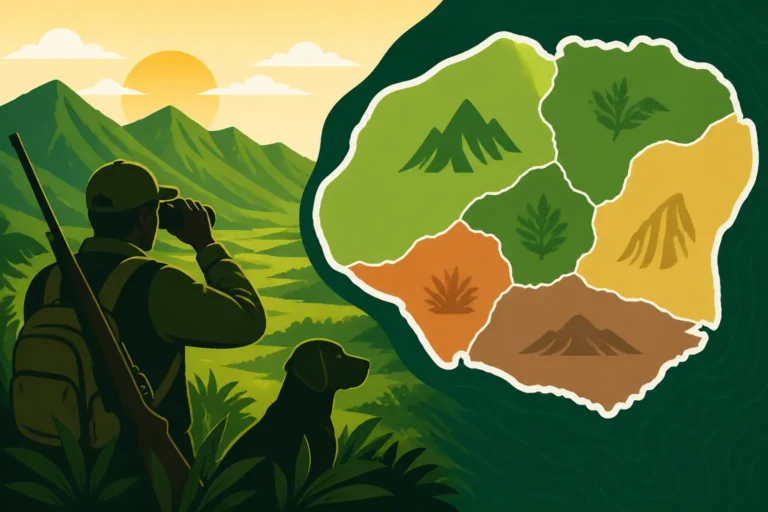
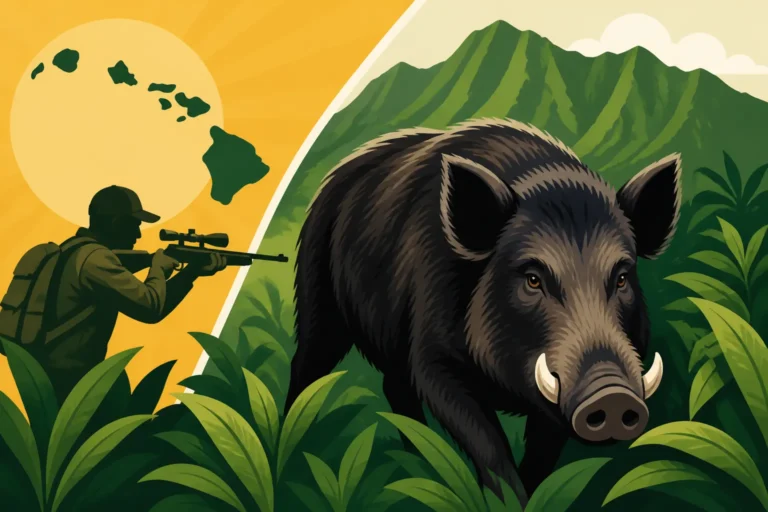
Trying to figure out where you can actually put boots on the ground to hunt across the Hawaiian Islands can feel like deciphering an ancient scroll written in a language you barely understand. With each island offering different game, unique terrain, and specific access rules, it’s easy to get overwhelmed trying to plan a hunt. This comprehensive guide will break down the hunting opportunities and access realities, island by island, helping you navigate the public and private lands to make your Hawaii hunting dreams a reality.
Navigating Hawaii's Unique Hunting Landscape
Hawaii isn't your typical hunting destination. Forget sprawling national forests or vast tracts of BLM land where access is often a given. Here, the landscape is fragmented, often steep and rugged, and access rules are meticulously managed by the Department of Land and Natural Resources (DLNR) Division of Forestry and Wildlife (DOFAW). It's a system designed to balance hunting opportunities with critical conservation efforts for Hawaii's incredibly fragile native ecosystems, which means hunters face specific challenges that require careful planning.
One of the biggest frustrations newcomers face is the sheer complexity of understanding where hunting is permitted. Boundaries aren't always clear on a simple paper map, and units can open and close with little notice due to weather, fire, or conservation needs. You might drive for miles only to find a gate locked or a sign indicating a closure you weren't aware of. This isn't a state where you can just wander into the woods with a rifle; advance preparation and a deep understanding of the local regulations are absolutely essential to avoid disappointment and potential legal trouble.
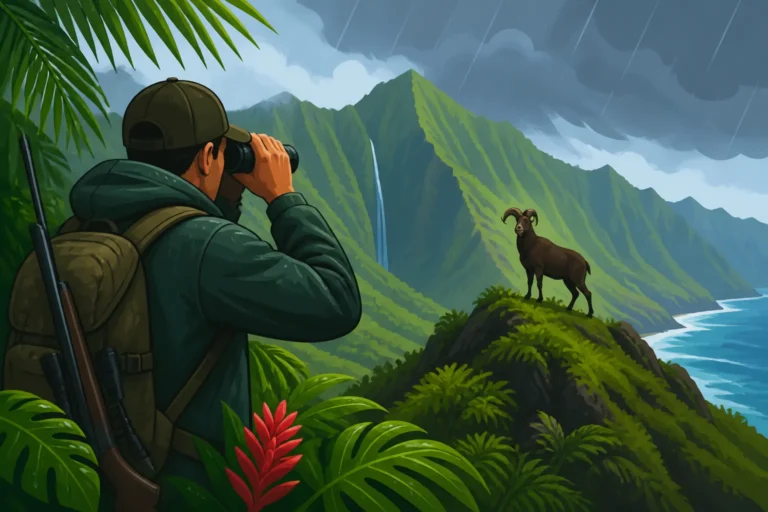
The rewards, however, are immense. Imagine stalking an Axis deer through kiawe flats with the Pacific Ocean as your backdrop, or pursuing a trophy Mouflon ram on a volcanic slope under the shadow of Mauna Kea. These experiences are truly unique, but they demand a different kind of preparation than hunting on the mainland. It’s about being informed, respectful of the land and local communities, and patient enough to unravel the layers of access rules.
Public vs. Private Land Realities
When you think about hunting in Hawaii, it's crucial to understand the distinct difference between public and private land. Public hunting opportunities exist, primarily managed by DOFAW within designated Game Management Areas (GMAs), Forest Reserves (FRs), and some Natural Area Reserves (NARs) or Cooperative Game Management Areas (CGMAs). These areas are typically open to licensed hunters during specified seasons, often requiring check-in/check-out procedures and, on some islands, a drawn permit-tag system for certain species.
However, many prime hunting grounds, especially for trophy Axis deer and some of the more accessible feral pig populations, are located on private ranch lands. Access to these private lands is almost exclusively through licensed outfitters or direct landowner permission. This often means a significant financial investment, as guides and ranch access fees can be substantial. For many hunters, the choice between navigating the public land lottery and regulations, or paying for a guided private land experience, largely dictates their Hawaiian hunting adventure. It's a trade-off between cost, convenience, and the likelihood of success.
It’s not uncommon for hunters to experience frustration when they discover that a promising-looking area on a map is, in fact, private land with no public access. This is where tools like onX Hunt become invaluable, clearly delineating public and private property boundaries right on your phone, helping you avoid accidental trespass and plan your approach effectively. Without such resources, distinguishing accessible land from restricted areas can be a constant challenge, especially in areas where property lines might not be well-marked on the ground.
The Role of the DOFAW
The Division of Forestry and Wildlife (DOFAW) is the governing body for all hunting activities in Hawaii. They set the seasons, determine bag limits, manage permit-tag lotteries, and oversee the various hunting units across the islands. Their primary mission involves balancing hunting as a management tool for introduced species (like pigs, goats, and deer) with the protection of Hawaii's endemic and endangered native flora and fauna. This often leads to regulations that might seem counterintuitive to mainland hunters, such as strict limitations on certain areas or sudden season closures.
DOFAW's regulations are dynamic and can change annually, sometimes even mid-season, based on animal populations, environmental conditions like drought or heavy rains, or specific conservation projects. This means staying up-to-date is paramount. Their website is the official source for unit maps, season dates, lottery announcements, and any emergency closures. While it can sometimes feel like a bureaucratic maze, understanding DOFAW's role and rules is non-negotiable for a legal and successful hunt in Hawaii.
They also manage the online licensing and permit-tag system, which you'll typically access through the GoHunt Hawaii portal. This online system, while a huge step forward from previous paper-based methods, still requires careful attention to detail. From acquiring your Hawaii Hunting Licenses and What They Cost to applying for specific drawn hunts, every step is managed through DOFAW's regulatory framework. Missteps in this process can lead to denied permits or even voided licenses, so treat their instructions with the utmost seriousness.
Understanding Unit Numbers and Boundaries
Hawaii's public hunting lands are divided into numbered units, often with specific regulations for each. These units can vary wildly in size, topography, and the game species available. For example, Unit A on Hawaii Island might be high-elevation alpine habitat for Mouflon sheep, while Unit B on the same island could be a dense, wet forest tract holding feral pigs. Knowing your unit is not just about avoiding trespass; it's about understanding the specific rules that apply to your chosen hunting ground.
Unit boundaries are usually marked by natural features like gulches, ridges, or old lava flows, but they can also be defined by fences, roads, or survey lines. While DOFAW often provides general maps, these can sometimes lack the precise detail needed in the field. This is where using technology, like the onX Hunt app, truly shines. Layering official DOFAW unit boundaries over detailed topographical maps and satellite imagery gives you a clear picture of exactly where you are and where the boundaries lie. This becomes especially critical in areas of thick vegetation or complex terrain where a wrong turn could quickly put you out of bounds.
Furthermore, within these units, there can be smaller subsections or specific rules related to weapon type, hunting days (many are Hawaii's Weekend and Holiday Hunting Rules), or even species-specific bag limits. For instance, a unit might be open year-round for pigs but only have a short, drawn season for Axis deer. Taking the time to study the specific unit regulations for your target species is an absolute must before you ever step foot into the field. Never assume that just because an island has a certain species, you can hunt it everywhere at any time.
Hawaii Island Hunting Access: The Big Island's Diverse Terrain
The Big Island (Hawaii Island) lives up to its name, offering the most expansive and diverse hunting opportunities in the state. From the high, barren slopes of Mauna Kea to the dense rainforests of the Hamakua Coast and the dry, brushy lands of Kona, this island presents a microcosm of Hawaii's varied ecosystems. This geographical diversity translates directly into a wide array of hunting experiences, but it also means understanding highly localized access rules and terrain challenges.
Hunters often find themselves amazed by the sheer scale of the Big Island. You can literally go from sea level to over 13,000 feet in elevation in a relatively short drive, experiencing dramatic shifts in vegetation, temperature, and atmospheric pressure. This means your gear, physical conditioning, and hunting tactics need to be adaptable. A hunt for pigs in a wet windward gulch will be a completely different animal than a Mouflon hunt on a high cinder cone.
The Big Island is also home to a significant amount of public hunting land, primarily through its extensive Forest Reserves and Game Management Areas. While the Axis deer populations found on Maui Nui are largely absent here (outside of a very small, highly restricted population), the Big Island shines for its Mouflon sheep, feral goats, and especially its abundant feral pig populations. This makes it a popular destination for both residents and visitors seeking a true Hawaiian hunting adventure, but one that demands respect for its wild and often unforgiving nature.
Mauna Kea and High-Elevation Opportunities
Mauna Kea is synonymous with Mouflon sheep hunting in Hawaii. The high-elevation slopes of this dormant volcano, particularly in designated units like Unit A, offer some of the most challenging yet rewarding hunts in the state. Access to these areas typically involves driving up the Mauna Kea Access Road, which itself presents its own set of challenges, often requiring a 4×4 vehicle past a certain elevation. The air is thin, the weather can change drastically in minutes, and the terrain is composed of volcanic rock, cinder cones, and scattered mamane forests.
Hunting Mouflon Sheep Hunting on Hawaii Island in this environment is a test of endurance and glassing ability. The sheep are well-adapted to the rocky, open country, and their keen eyesight demands careful spot-and-stalk tactics. Hunters often start their days glassing vast expanses from high points, patiently searching for the tell-tale shapes of rams against the barren landscape. Understanding wind patterns, especially the unpredictable thermals that develop as the sun warms the mountain, is critical for a successful stalk in this exposed environment.
The sheer remoteness and ruggedness of Mauna Kea's hunting units mean that preparation extends beyond just hunting skills. You need robust gear, plenty of water, and a solid emergency plan. Cell service is unreliable, and help can be hours away. But for those willing to put in the effort, harvesting a trophy Mouflon ram against the backdrop of an active observatory offers an experience that few other places on earth can replicate. Be sure to check the specific unit rules for Hunting Mouflon in Mauna Kea's Thin Air and weapon restrictions.
Wet Windward vs. Dry Leeward Zones
Hawaii Island is dramatically split by its massive volcanoes, creating distinct climatic zones that directly influence hunting access and animal behavior. The windward side, facing the prevailing trade winds (e.g., Hilo, Hamakua Coast), is characterized by lush, dense rainforests, frequent rainfall, and steep gulches. This is prime habitat for feral pigs, which thrive in the thick cover and abundant food sources. Access often involves navigating muddy trails, dense vegetation, and slippery terrain. Think Hunting Pigs in Hawaii's Rainforest Gulches or Still-Hunting Pigs in Hawaii's Wet Forest.
Conversely, the leeward side (e.g., Kona, South Point) is much drier, featuring kiawe and mesquite forests, expansive lava flows, and more open pastures. Here, feral goats are more prevalent, particularly on the coastal cliffs and lava fields. While pigs are still present, they tend to be found near water sources or in denser pockets of vegetation. Access on the leeward side can involve traversing incredibly sharp and uneven lava rock, or walking through thorny kiawe thickets. Hunting Hawaii's Feral Goats often means long hikes across exposed, hot country.
This stark contrast means that hunters need to tailor their approach depending on which side of the island they're hunting. Boots that excel in muddy, wet conditions might be shredded by sharp lava on the dry side, and camouflage that blends into a dense jungle will stand out in an open, arid landscape. Always check the specific weather conditions and recent rainfall for your chosen unit, as a "dry" area can become surprisingly boggy after a Kona storm.
Notable Game Management and Forest Reserve Areas
The Big Island boasts several significant public hunting areas. The Puu Waawaa Wildlife Sanctuary and Puu Anahulu Game Management Area (GMA), located on the dry leeward side, are well-known for their Mouflon sheep and feral goats, as well as some pigs. These areas are often subject to specific drawn hunts, particularly for sheep. Hunting Mouflon at Puu Waawaa can be a fantastic experience, but requires careful planning around the lottery system.
On the windward side, the Hamakua Forest Reserve and Mauna Loa Forest Reserve offer extensive tracts of wet forest, perfect for pig hunting. These areas are often rugged and remote, requiring considerable effort to access and navigate. Hunting Hawaii's Feral Pigs in these units is a serious workout, often involving dog hunting teams due to the dense cover.
Other notable areas include Kaohe Game Management Area, which borders Mauna Kea and offers varied terrain for both pigs and goats, and the Kapapala Cooperative Game Management Area, offering diverse hunting opportunities. Each of these units has its own quirks regarding seasons, permitted weapons, and check-in procedures. Always consult the official DOFAW Hawaii Island Hunting Unit Seasons for the latest information.
Maui County Hunting Access: Axis Deer Central
Maui Nui, comprising the islands of Maui, Lanai, and Molokai, is undoubtedly the epicenter of Axis deer hunting in Hawaii. These three islands boast healthy, and in some cases, booming Axis deer populations, making them a premier destination for hunters seeking this beautiful and delicious game animal. However, access varies dramatically between the islands, from highly controlled public draws to extensive private ranch opportunities.
The Axis deer, introduced to Molokai in the late 1860s and later to Lanai and Maui, have thrived in the islands' dry, open grasslands and kiawe forests. Their numbers have grown to the point where they are considered an invasive species, impacting agricultural lands and native ecosystems. This means hunting is encouraged as a management tool, but always within the framework of specific island regulations and conservation goals.
For many hunters, a trip to Maui Nui specifically targets Axis Deer Hunting in Hawaii. The challenge lies not in finding deer, but in securing the right access at the right time. Each island presents its own unique set of circumstances, from permit lotteries to private guide-only opportunities, requiring a nuanced understanding of the local hunting scene.
Maui's Upcountry and Coastal Units
Maui offers some of the most accessible public Axis deer hunting, particularly in its upcountry areas. The Kahikinui Forest Reserve and Kula Forest Reserve are popular spots, providing varied terrain from dense forest to open grasslands. While these units can be challenging with steep slopes and thick vegetation in places, they offer year-round opportunities for Hunting Maui's Year-Round Axis Deer Units for pigs and goats, and often special archery or muzzleloader seasons for deer.
Access to these areas typically involves driving up paved roads into the upcountry, though some units might require a 4WD vehicle for internal trails. Hunters often utilize spot-and-stalk tactics in the more open areas, or still-hunt through the denser patches. The challenge here can be public pressure, especially during popular seasons, as these units are often quite accessible to local hunters.
Beyond deer, Maui also offers excellent pig and goat hunting, particularly in the lower elevations and coastal areas. The island's diverse geography means you can pursue different species in vastly different environments, from the slopes of Haleakala to the dense thickets closer to sea level. Always double-check the specific rules for Maui's Public Hunting Areas as they can vary greatly depending on the unit.
Lanai: The Axis Deer Mecca
Lanai holds legendary status among Hawaii hunters for its incredibly high density of Axis deer and the potential for truly massive bucks. Known as "Pineapple Isle," much of its land is privately owned by large trusts or companies, but it also boasts well-managed public hunting units. Hunting Axis Deer, Hawaii's Signature Big Game on Lanai is a bucket-list item for many, but it comes with a unique application process.
Public land hunting on Lanai is primarily through a highly competitive drawn permit-tag lottery managed by DOFAW. Hunters apply for specific rifle or archery seasons, and if drawn, they gain access to designated units. This process is complex, and understanding How the Lanai Axis Deer Draw Works is crucial. Non-residents typically pay a higher fee for tags, and the odds of being drawn can vary wildly year to year. Successful applicants often have their choice of one either-sex Axis deer tag, making it a highly coveted opportunity.
Private land hunting is also an option, with a few outfitters operating on the island. These guided hunts offer a more guaranteed experience, often providing access to prime areas where trophy bucks are more common. However, they come at a significant cost. The draw system on Lanai means that for many, Hunting Lanai's Drawn Axis Deer Weekends is the most accessible route, but requires patience and persistence in the application process.
Molokai's Hidden Gems and Ranch Access
Molokai, the "Friendly Isle," offers a more laid-back hunting experience compared to its larger neighbors. It's renowned for producing some of the largest-bodied Axis deer in Hawaii, and for its wild, rugged terrain. Similar to Lanai, a significant portion of Molokai's prime hunting ground is privately owned by ranches, but there are also public hunting units managed by DOFAW.
Public land hunting on Molokai typically involves designated units that are open for specific seasons for Axis deer, pigs, and goats. These units often require diligent scouting and can be physically demanding, with deep gulches and thick cover. Hunting Molokai's Axis Deer Country often means navigating challenging terrain, but the reward can be a truly exceptional buck.
Private ranch access is a popular option on Molokai, as several large ranches offer guided hunts for Axis deer, pigs, and goats. These hunts often boast high success rates and the opportunity for impressive trophies, especially for Axis deer. Getting Onto Molokai Private Land usually involves booking through a licensed outfitter who has established agreements with the landowners. While private hunts are an investment, they offer a more streamlined experience, handling many of the logistics that self-guided hunters would otherwise navigate themselves.
Kauai Hunting Access: Black-Tailed Deer and Lush Forests
Kauai, the "Garden Isle," stands apart from the other islands due to its unique big game species: the Black-tailed deer. While Axis deer dominate Maui Nui, Kauai is the only Hawaiian island with a huntable population of Black-tailed deer, specifically the Columbian Black-tailed subspecies. This, combined with its dramatic canyons, lush rainforests, and rugged coastline, makes Kauai a distinct and challenging hunting destination.
The island's hunting opportunities are concentrated primarily on the western side, encompassing the majestic Waimea Canyon and the expansive Kekaha Game Management Area. This area presents a blend of steep canyons, dense native forests, and drier scrubland, offering varied terrain for deer, pigs, and goats. Unlike the open country hunts of Lanai or Maui, Kauai often demands more still-hunting, glassing into deep canyons, and navigating thick vegetation.
For hunters looking for a different kind of Hawaiian big game experience, Kauai offers a unique draw. The Black-tailed deer here are hardy and elusive, providing a challenging hunt in an incredibly beautiful, albeit physically demanding, environment. Understanding the specific units and their seasons is crucial for anyone planning a Kauai deer or pig hunt.
Waimea Canyon and Kekaha Opportunities
The Waimea Canyon, often called the "Grand Canyon of the Pacific," is not just a breathtaking natural wonder; it's also a significant hunting ground on Kauai. The Kekaha Game Management Area (GMA) encompasses much of this rugged canyon country and the surrounding uplands, providing habitat for Black-tailed deer, feral pigs, and goats. Access to these areas is typically via designated roads and trails, often requiring a 4WD vehicle, especially after rain.
Hunting the canyon rims and faces requires keen glassing skills and patience. Deer and goats often frequent the steep slopes and ledges, while pigs can be found in the denser pockets of vegetation within the canyon depths. Hunting the Waimea Canyon Rim for Deer demands careful navigation and a steady hand, as shots can often be long and opportunities fleeting. The sheer scale of the canyon means that recovery of an animal can be incredibly challenging, even after a successful shot.
The Kekaha GMA is subject to specific rifle and muzzleloader seasons for Black-tailed deer, usually concentrated on weekends. Pig and goat hunting are generally more open, but still require adherence to unit-specific rules. It’s a physically demanding area, with dramatic elevation changes and often hot, dry conditions, so come prepared for a strenuous hunt.
Navigating Kauai's Forest Reserves
Beyond the canyon, Kauai also offers hunting opportunities within its extensive Forest Reserves, particularly for feral pigs and goats. Areas like the Na Pali-Kona Forest Reserve and Puu Ka Pele Forest Reserve contain dense, wet forests and deep valleys where pigs thrive. These areas are significantly different from the drier canyon lands, presenting challenges of thick cover, muddy trails, and often persistent rain.
Hunting Kauai's public ridges in these forest reserves often involves hiking along narrow trails, tracking fresh pig sign, and listening for sounds in the dense vegetation. Dog hunting is a popular and effective method for pigs in these thick environments, where visibility is often limited to just a few yards. Hunters must be prepared for rigorous physical activity, navigating tangled undergrowth and slippery slopes.
Access to these forest reserve units can sometimes be more remote, requiring longer walks in from designated parking areas. The terrain is often unforgiving, with hidden roots, slippery rocks, and sudden drop-offs. Always carry a reliable GPS or use a mapping app like onX Hunt to stay oriented, as it's easy to get turned around in the continuous canopy.
The Elusive Black-Tailed Deer Terrain
The Black-tailed deer on Kauai are unique to the islands and present a distinct challenge compared to Axis deer. They are typically found in the higher elevations of the Kekaha GMA and surrounding forest areas. Their habitat often includes a mix of dense forest, open clearings, and steep, brushy slopes. Unlike the large herds of Axis deer, Black-tails tend to be more solitary or found in smaller groups, making them harder to locate.
Hunting Black-tailed deer requires a combination of patience, stealth, and a good understanding of their preferred habitats. Stalking through the dense vegetation, often under a constant drizzle, is a common tactic. Hunters often focus on transition zones where forest meets more open country, or areas with fresh browse. Black-Tailed Deer Hunting in Hawaii means adapting your tactics from those used for Axis deer, focusing more on tracking and close-range encounters in the timber.
Season dates for Black-tailed deer on Kauai are typically limited to specific rifle and muzzleloader weekends, with strict bag limits. Due to their relatively smaller population compared to other Hawaiian game, drawing a permit can sometimes be competitive. If you're planning a trip specifically for Black-tailed deer, be sure to study the Kauai Black-Tailed Deer Season Dates and apply early.
Oahu Hunting Access: Unexpected Opportunities Near the City
Oahu, the most populated Hawaiian island and home to Honolulu, might not immediately spring to mind as a premier hunting destination. However, for those willing to look beyond the bustling cityscapes and popular beaches, Oahu does offer legitimate hunting opportunities, primarily for feral pigs and goats. While it lacks the larger game animals like Axis deer or Mouflon sheep, it provides accessible, year-round hunting for local residents and intrepid visitors.
The hunting grounds on Oahu are concentrated in the more rugged, undeveloped mountain ranges, far from the tourist hubs. These areas, largely within Forest Reserves and Game Management Areas, are characterized by steep, often wet, valleys and ridges covered in dense vegetation. This terrain is ideal for pigs and goats, which thrive in the thick cover and steep slopes.
For hunters based on Oahu, or those visiting who want to combine a trip with a unique hunting experience, the island offers a challenging and rewarding pursuit. It's a testament to the resilience of these introduced species that they can survive, and even flourish, so close to a major metropolitan area. However, it means being extra vigilant about boundaries and safety given the proximity to populated areas.
Waianae Mountain Range and Forest Reserves
The Waianae Mountain Range, running along the western side of Oahu, is the island's primary hunting ground. Within this range, areas like the Waianae Kai Forest Reserve and Makua-Keaau Reserve offer some of the best public land hunting for feral pigs and goats. The terrain here is incredibly steep and deeply incised by numerous gulches, making for very strenuous hiking.
Access to these units is often via designated gates or trailheads, sometimes requiring a 4WD vehicle for internal access roads. Hunters typically park and then walk into the hunting areas, often covering significant elevation changes in a short distance. The thick vegetation, composed of guava, hau, and other invasive plants, provides excellent cover for game but makes still-hunting challenging.
The rewards, however, are tangible. Hunters regularly take pigs and goats from these units, sometimes quite large ones. It's a physical challenge that truly tests your stamina and bush-craft skills. Given Oahu's population density, it’s also crucial to be highly aware of safety and always verify your location within designated hunting boundaries.
Pig Hunting in Oahu's Backcountry
Feral pig hunting is the dominant pursuit in Oahu's backcountry. The dense, wet forests and deep gulches of the island's mountain ranges provide ideal habitat for pigs, which are often numerous and can grow to considerable size. Due to the extremely thick cover, dog hunting is a very popular and effective method on Oahu. Teams of bay dogs and catch dogs work to locate and hold pigs, allowing hunters to move in for the kill.
For those without dogs, still-hunting through the thick jungle requires immense patience and stealth. Hunters often focus on fresh pig sign – rooted areas, mud wallows, and trails – and try to intercept animals moving between bedding and feeding areas. The continuous canopy often means low light conditions, even in the middle of the day, demanding sharp senses and slow, deliberate movement. Hunting Hawaii's Feral Pigs on Oahu is a truly immersive jungle experience.
Oahu's pig hunting units are typically open year-round, making it a flexible option for local hunters. While there aren't any permit-tags required for pigs or goats on Oahu, hunters still need a valid Hawaii Hunting Licenses and What They Cost and must follow all check-in/check-out procedures for their chosen unit, often utilizing the Using the OuterSpatial App to Check In system.
Limited Game, High Reward
While Oahu's game species are limited to pigs and goats, the reward lies in the challenge and accessibility. For residents, it's a convenient way to put wild meat on the table and experience the thrill of the hunt without inter-island travel. For visitors, it offers a unique opportunity to experience a different side of Hawaii, far from the crowded tourist spots, and connect with local hunting culture.
The satisfaction of harvesting a wild pig or goat from Oahu's rugged backcountry is immense, knowing the effort and skill it took in such demanding terrain. These hunts are physically demanding and require robust gear, from sturdy boots to reliable rain gear. While some might consider the game "limited," the quality of the hunting experience and the challenge it presents are anything but.
It's also worth noting that because of the density of vegetation and proximity to populated areas, safety is paramount. Always be aware of your surroundings, know your target and beyond, and respect private property boundaries. It's a close-quarters hunting experience that demands discipline and situational awareness.
Key Considerations for Island-Hopping Hunters
For many mainland hunters, a trip to Hawaii involves "island hopping" to experience different hunting opportunities. Perhaps a Mouflon hunt on the Big Island combined with an Axis deer hunt on Maui, or a pig hunt on Oahu. While this multi-island adventure is certainly possible and incredibly rewarding, it introduces additional layers of complexity related to permits, logistics, and inter-island travel. It's not as simple as jumping on a plane with your rifle in tow.
Each island operates under the same general DOFAW regulations, but the specific unit rules, lottery systems, and tag requirements can vary significantly from one island to another. What's legal for a pig on Oahu might be strictly regulated for an Axis deer on Lanai. Therefore, meticulous planning for each leg of your journey is absolutely essential. Don't assume that once you understand one island's rules, you understand them all.
Beyond regulations, the practicalities of moving between islands with hunting gear, especially firearms, require careful consideration. Baggage rules, rental car limitations, and even simple things like cooler space for meat can become major logistical hurdles if not planned in advance. Thinking through these details well before your departure will save you a lot of headaches and potential fines.
Understanding Permit-Tag Systems and Draws
Many of Hawaii's premier big game hunts, especially for Axis deer on Lanai and Molokai, and Mouflon sheep on Hawaii Island (particularly at Puu Waawaa), operate on a permit-tag lottery system or require specific permits. This means hunters must apply in advance, often months before the season, and hope to be drawn. Hawaii's Drawn Hunts and Lotteries can be highly competitive, especially for prized either-sex tags or during popular rifle seasons.
The application process typically involves registering through the GoHunt Hawaii portal, submitting your choices, and paying any associated application fees. If you're lucky enough to be drawn, you then purchase the actual permit-tag. It's important to note that tags are often island-specific and species-specific; a Lanai Axis deer tag is not valid for Maui, and a Mouflon tag is only for sheep. You cannot just buy a general "deer tag" and use it anywhere.
For self-guided hunters, understanding these draw systems, application deadlines, and success rates is critical. It often dictates when and where you can hunt. Many hunters apply for multiple drawn hunts across different islands to maximize their chances. However, if you're hunting with an outfitter on private land, they often handle the permit acquisition for you, simplifying this complex step.
Transportation Challenges and Logistics
Getting around Hawaii's hunting units presents its own set of challenges. While many main roads are paved, access to prime hunting areas often requires a 4WD vehicle. Rental car companies can be particular about off-road use, so confirm their policies if you plan to traverse rougher terrain. Some units have very limited road access, meaning you'll be Hunting Hawaii on Foot Without a Truck and facing long walks into your desired areas.
Inter-island travel with firearms requires strict adherence to airline and airport regulations. Each leg of your journey will involve checking your firearm, declaring it, and following all TSA and airline protocols. This can add significant time to your travel schedule and requires meticulous organization. Always research the latest airline policies on firearm transport before you fly.
Once you harvest an animal, especially a large one like an Axis deer or Mouflon, the challenge of meat recovery begins. Hauling an animal out of a steep gulch or across miles of lava rock is no easy feat. Consider bringing large, durable coolers and planning for ice, which can be expensive and hard to come by in remote areas. For larger animals, some hunters even hire packers or utilize game processing services to help transport and prepare their harvest. Packing Meat Out of a Hawaii Gulch is a real test of preparation.
Using Technology for Navigation and Check-ins
In Hawaii's complex hunting landscape, technology has become an indispensable tool. Traditional paper maps are useful, but modern mapping apps offer a level of detail and real-time information that can significantly enhance your safety and success. onX Hunt is a widely favored app among Hawaii hunters, offering detailed topo maps, satellite imagery, and crucial overlays showing public and private land boundaries. This feature alone is worth its weight in gold for avoiding trespass and clearly understanding unit lines.
Beyond land ownership, onX Hunt allows you to mark waypoints, track your routes, and create custom maps, all invaluable for navigating dense forest, lava fields, or unfamiliar gulch systems. Given that cell service can be spotty or non-existent in many remote hunting areas, downloading offline maps before your hunt is a non-negotiable step.
Furthermore, DOFAW has implemented the OuterSpatial app for many hunting units, which often replaces traditional paper check-in cards. Using the OuterSpatial App to Check In and out of units is becoming increasingly common. This app allows you to register your presence in a unit, report your harvest, and receive important alerts or closures in real-time (when you have service). Familiarizing yourself with both onX Hunt and OuterSpatial before your trip will streamline your hunting experience and ensure you stay compliant with all regulations.
Planning Your Hawaii Hunting Adventure: Beyond the Map
A successful hunting trip to Hawaii extends far beyond just knowing where to hunt or how to get a tag. It involves a deeper appreciation for the unique cultural context of hunting in the islands, a realistic assessment of the physical demands, and careful consideration of all the practicalities that make for a safe and enjoyable experience. Hawaii is not just another state; it's a place with a distinct identity, and approaching your hunt with respect and preparation will greatly enhance your adventure.
Many hunters underestimate the physical challenges of hunting in Hawaii. The terrain is often much steeper, hotter, and more rugged than they anticipate. What looks like a short hike on a map can turn into an epic ordeal in reality. Similarly, understanding the local attitudes towards hunting, the importance of conservation, and practicing responsible hunting ethics are crucial for anyone visiting. It’s about being a good steward of the land and a respectful guest.
Ultimately, planning a Hawaii hunting adventure is about immersing yourself in a truly unique environment. It requires more homework, more preparation, and perhaps a bit more humility than hunts in other places. But for those who embrace the challenge, the rewards—from the stunning scenery to the delicious wild game and the unforgettable experiences—are immeasurable.
Respecting Local Customs and Land Use
Hunting in Hawaii has deep roots in Polynesian culture, intertwined with sustenance, tradition, and connection to the aina (land). While modern hunting regulations are in place, there's an underlying respect for the land and its resources that is palpable. As a visitor, it's important to approach your hunt with this same reverence. Be mindful of sacred sites, historical areas, and private property.
Local communities often have a strong connection to the land and the animals. Engaging with local hunters, if opportunities arise, can offer invaluable insights into tactics, animal behavior, and unit nuances. It's also a chance to learn about the aloha spirit and the importance of sharing resources. Always ask for permission if you're unsure about access, and avoid leaving any trace of your presence—pack out everything you pack in, and then some.
Furthermore, understand that many of the game animals you'll be pursuing, while providing excellent hunting opportunities, are considered invasive species that impact Hawaii's incredibly fragile native ecosystems. Your hunting efforts contribute to their management, which aligns with broader conservation goals. Being aware of this context adds another layer of meaning to your hunt and helps you appreciate why certain regulations are in place, such as Hawaii's Fenced Conservation Boundaries or specific permit requirements.
Physical Demands and Preparation
Hawaii hunting is physically demanding, period. Whether you're chasing Mouflon on the slopes of Mauna Kea, navigating the dense gulches of Oahu for pigs, or stalking Axis deer on a dry, rocky Maui hillside, you'll encounter steep inclines, uneven terrain, and often hot, humid conditions. This is not a hunt for the faint of heart or those who are out of shape.
Serious physical conditioning before your trip is highly recommended. Focus on cardiovascular endurance, leg strength, and ankle stability. Break in your boots thoroughly, as blisters are a common complaint from unprepared hunters. Carrying a heavy pack up and down steep grades for hours is typical, so practice with weight. The altitude on Mauna Kea (above 10,000 feet) adds another layer of challenge, potentially causing shortness of breath or altitude sickness for those unacclimated.
Staying hydrated is absolutely critical in Hawaii's heat and humidity. Carry more water than you think you'll need, and consider electrolyte supplements. Sun protection, including hats, sunglasses, and sunscreen, is also essential, as many units offer little to no shade. Proper preparation in terms of physical fitness will not only make your hunt more enjoyable but also significantly increase your chances of success and safety.
The Importance of Scouting
Just like any good hunt, effective scouting is key in Hawaii, even if you're traveling from afar. While you might not be able to physically walk the ground before your arrival, digital scouting is incredibly powerful. Use satellite imagery on mapping apps like onX Hunt to identify potential game trails, water sources, bedding areas, and access points. Look for topographical features that might funnel animals, or areas that offer good glassing vantage points.
Beyond maps, researching current conditions is vital. Online hunting forums, local social media groups (if accessible), and direct calls to DOFAW offices can provide insights into recent animal movements, water availability, and any localized closures or unusual conditions. For instance, a drought year might concentrate animals around limited water sources, while heavy rains could make certain access roads impassable.
Even with thorough digital scouting, be prepared to adjust your plans once you arrive. Conditions on the ground might be different than anticipated, or hunting pressure could shift animals. Being flexible and having a backup plan for alternative units or areas is a smart strategy. Remember, Scouting a Hawaii Hunting Unit Before Opening isn't just about finding game; it's about understanding the environment and being ready for anything Hawaii throws at you. For those seeking more advanced research, services like GoHunt might offer additional data or planning tools to refine your scouting efforts, though direct ground intelligence is always king.
Island Hunting Access Overview Table
To give you a quick overview of what to expect from each major island for hunting, here's a table summarizing key access and species information. Remember, this is a general guide, and specific unit regulations can vary.
| Island | Primary Game Species | Public Land Access Characteristics | Common Private Land Access | Key Access Challenges |
|---|---|---|---|---|
| Hawaii Island | Mouflon Sheep, Feral Pigs, Feral Goats | Extensive GMAs & FRs; High-elevation roads often 4WD; lottery for sheep. | Guided ranch hunts for pigs/goats; some limited sheep. | Rugged/diverse terrain; high elevation; variable weather; lava. |
| Maui | Axis Deer, Feral Pigs, Feral Goats | Accessible FRs; year-round for pigs/goats; limited deer seasons. | Common via outfitters for Axis deer, pigs, goats. | Popular units can be crowded; steep slopes; thick brush. |
| Lanai | Axis Deer, Mouflon Sheep (limited), Feral Goats (limited) | Highly competitive public lottery for Axis deer; designated units. | Extensive guided outfitter hunts for Axis deer. | Very competitive lottery; high cost for private; inter-island logistics. |
| Molokai | Axis Deer, Feral Pigs, Feral Goats | Public units available; often remote/rugged; some drawn seasons. | Several large ranches offer guided hunts for Axis deer, pigs, goats. | Challenging terrain; limited public land; higher guide costs. |
| Kauai | Black-Tailed Deer, Feral Pigs, Feral Goats | Kekaha GMA & FRs; specific deer seasons; pig/goat more open. | Some guided pig/goat hunts (often with dogs). | Waimea Canyon terrain; dense wet forests; specific deer draw. |
| Oahu | Feral Pigs, Feral Goats | Waianae Range FRs; year-round for pigs/goats; no permit-tags needed. | Limited guided pig hunts (often with dogs). | Proximity to urban areas; steep/dense jungle; safety awareness. |
Disclaimer
This article is for general informational purposes only and does not constitute professional advice. Laws, prices and regulations vary by location and change over time. Consult a qualified professional for guidance on your specific situation.