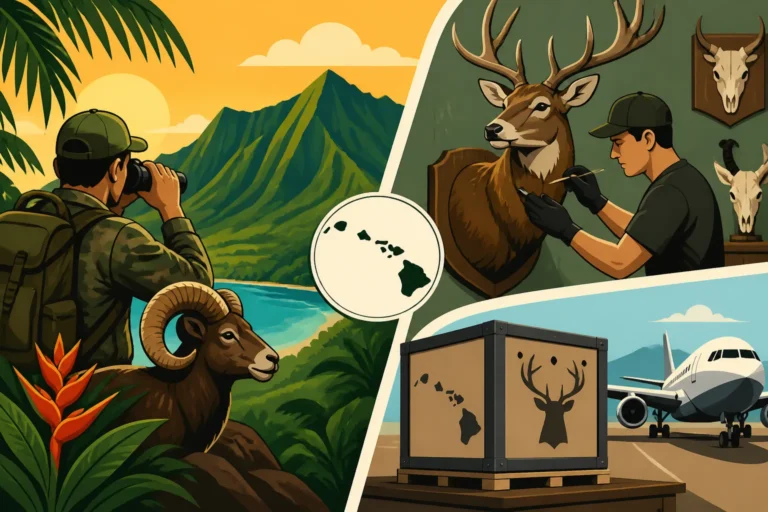
Hawaii Combination Hunt Packages
Planning a hunting trip to Hawaii is already an exciting prospect, but for many hunters, the desire to experience as much of the islands' unique game as possible in a single visit can lead to a bit of a logistical headache. You're trying to maximize your limited time off, stretch your travel budget, and still bring home a diverse harvest, which often feels like an impossible puzzle. This comprehensive guide is here to unravel the complexities of Hawaii combination hunt packages, helping you understand the options, plan effectively, and make the most of your multi-species adventure in paradise.
Why Consider a Hawaii Combination Hunt Package?
Stepping onto the Hawaiian Islands for a hunt is a dream for many, but the sheer diversity of game, coupled with the travel and expense of getting here, often leaves hunters wishing they could target more than just one animal. That's where combination hunt packages shine. They're designed to offer you a fuller, richer experience, allowing you to pursue several species within a single trip, and they can significantly enhance the value of your hunting vacation.
Maximizing Your Time and Investment
Let's be real, Hawaii isn't exactly around the corner for most hunters. The flights, the accommodations, the rental car – it all adds up. Committing to a single-species hunt, say just for Axis Deer Hunting in Hawaii, might feel like you're leaving a lot of potential on the table. A combination package, however, bundles several hunting opportunities into one consolidated itinerary. Instead of spending two separate weeks on two separate trips to hunt two different animals, you can often pursue both in one extended outing. This efficiency not only saves you vacation days but can also be more economical in the long run by cutting down on duplicate travel expenses. You get more bang for your buck, ensuring that every moment you spend in these beautiful islands is focused on the pursuit of game.
Experiencing Diverse Hawaiian Terrain and Game
Hawaii's landscape is incredibly varied, from arid, kiawe-studded flats to dense, wet rainforests and high-elevation volcanic slopes. Each of these environments hosts different game animals, and targeting multiple species often means you'll get to explore a much broader cross-section of the islands' unique ecosystems. Imagine starting your day glassing open ridgelines for axis deer, then transitioning to tracking feral pigs through a thick guava forest. This isn't just about bagging more animals; it's about a deeper immersion into the natural world of Hawaii. A combo hunt allows you to experience the challenge and beauty of Hunting Hawaii's Volcanic Terrain while also navigating the humid depths of a Hunting Pigs in Hawaii's Rainforest Gulches, providing a truly comprehensive hunting adventure.
Overcoming Permit and Access Complexities
Navigating Hawaii's hunting regulations can be quite a maze, especially for first-timers or non-residents. There are different licenses, various permit-tag requirements depending on the island and species, and unique check-in/check-out procedures for public units. Trying to coordinate individual hunts for multiple species yourself can quickly become overwhelming. Outfitters specializing in combination packages have this down to a science. They handle the intricate details of permits, understand the Hawaii's Hunting Units and How They Work, and know which units and seasons align to make multi-species hunts possible. This takes a huge weight off your shoulders, allowing you to focus on the hunt itself rather than wrestling with bureaucracy. They know the ins and outs of How Hawaii's Permit-Tag System Works and can guide you through the process, ensuring you're legally prepared for all segments of your hunt.
Popular Hawaii Combination Hunt Species Pairings
Hawaii offers a fantastic array of game, and many outfitters have crafted clever combinations that allow hunters to pursue several animals that often share habitats or can be found on the same island. These pairings are usually designed for logistical ease and to offer a comprehensive hunting experience.
Axis Deer and Feral Pig Combination Hunts
This is arguably one of the most popular combination hunts in Hawaii, especially on islands like Maui and Molokai. Axis deer, with their striking white spots and impressive antlers, often share vast tracts of land with Hawaii's abundant feral pigs. You might find yourself Hunting Axis Deer at First Light in Hawaii in open dry country, only to transition later in the day to tracking pigs through nearby gulches or kiawe thickets.
The synergy here is evident: Axis deer thrive in the drier, more open leeward sides of the islands, while pigs, though adaptable, often prefer thicker cover and wetter areas, or at least areas with consistent water sources. An outfitter can seamlessly blend these two pursuits, allowing you to glass for deer in the morning and then head into the shadows with dogs or for still-hunting pigs in the afternoon. This package offers a fantastic contrast in hunting styles, from the patience of Spot-and-Stalk Axis Deer in Hawaii to the often fast-paced, adrenaline-fueled encounters with wild boar, especially if you're engaging in Dog and Knife Pig Hunting in Hawaii. It's an excellent choice for hunters who want both a beautiful trophy and some delicious wild pork.
Feral Pig and Feral Goat Combo Hunts
For those who love a challenging stalk and aren't necessarily focused on antlered game, a pig and goat combination offers an exhilarating experience. Feral goats are incredibly agile and inhabit some of the islands' most rugged and breathtaking landscapes, from steep cliffsides to deep canyons. Pigs, as we know, are ubiquitous and can be found across various terrains.
Many outfitters will combine these two species, particularly on islands like Hawaii Island or parts of Maui, where both thrive. You might spend a day or two targeting Hunting Hawaii's Feral Goats on exposed slopes, testing your climbing ability and long-range shooting skills, then descend into the thick jungle or agricultural areas to chase pigs. This combo often appeals to hunters seeking a more physically demanding adventure, embracing the vertical challenges of Hunting Goats on a Sea Cliff Safely and the close-quarters intensity of a pig encounter. It’s a true test of versatility, blending precision mountain hunting with the raw excitement of pursuing tough, smart pigs in their domain.
Axis Deer and Mouflon Sheep Combinations
This combination is a true "big game" experience in Hawaii, typically offered on Hawaii Island and Lanai, where both species exist in huntable populations. Mouflon sheep, with their magnificent spiraling horns, are primarily found in the higher elevations and volcanic terrains, such as the slopes of Mauna Kea. Axis deer, as discussed, prefer lower, drier zones.
A combination of axis deer and mouflon sheep is often a longer hunt package, requiring travel between different ecological zones, sometimes even different islands (if combining Lanai Axis with Hawaii Island Mouflon). You could find yourself climbing high into the cool, thin air to pursue mouflon on a lava flow, then descending to the warmer, drier plains to chase axis deer. This package is ideal for hunters who prioritize two distinct and impressive trophies. It demands adaptability, as the hunting methods and conditions for Mouflon Sheep Hunting on Hawaii Island are vastly different from those for axis deer. Outfitters will meticulously plan the logistics, ensuring you have the right gear and knowledge for both alpine and arid environments.
| Combination Package | Primary Species | Secondary Species | Typical Terrain | Key Challenges |
|---|---|---|---|---|
| Axis Deer & Pig | Axis Deer | Feral Pig | Dry plains, Kiawe thickets, Wet gulches | Spotting in open vs. tracking in thick cover |
| Pig & Goat | Feral Pig | Feral Goat | Rainforest, Canyons, Sea cliffs, Lava fields | Physical demands, Navigating extreme terrain |
| Axis Deer & Mouflon | Axis Deer | Mouflon Sheep | Dry plains, Volcanic slopes, High elevation | Elevation changes, Diverse hunting styles |
| Mammal & Game Bird | Pig/Goat/Deer | Francolin, Pheasant, Dove, Chukar | Varies widely by mammal and bird species | Coordinating different weapon types and regulations |
The Logistics of Juggling Multiple Species on One Trip
Booking a combination hunt is exciting, but the reality involves a layer of logistical planning that goes beyond a single-species outing. Successful multi-species hunting in Hawaii means understanding and managing permit requirements, season alignments, and the practicalities of field care.
Coordinating Permits, Tags, and Season Windows
This is where the expertise of a good outfitter truly earns its keep. Each game animal in Hawaii has specific hunting seasons, and on many islands, certain species require permit-tags, often obtained through a lottery system or over-the-counter purchases. For instance, Hawaii Game Mammal Seasons and Hawaii Game Bird Seasons and Bag Limits can vary wildly. Trying to line up the open seasons for two or three different species on the same island, or across different islands, can be a headache.
An experienced outfitter will know which islands and units offer overlapping seasons and what the permit-tag requirements are for each. They'll advise you on when to apply for drawn hunts, like those for axis deer on Lanai, and when you can simply purchase tags over the counter. They also stay abreast of any last-minute season changes or unit closures announced by the Department of Land and Natural Resources (DLNR) Division of Forestry and Wildlife (DOFAW). For a seamless trip, checking official sources like GoHunt for up-to-date regulations and collaborating closely with your outfitter on this aspect is absolutely crucial. Without careful coordination, you could find yourself with a tag for one animal but no legal opportunity to hunt another.
Managing Different Weapon Requirements
Hawaii has specific legal weapon requirements that vary by species, season, and sometimes even by unit. For example, some units may be archery-only for certain periods, while others open up to rifle or muzzleloader later. If your combination hunt includes both big game mammals and game birds, you'll need to consider this even more carefully. You might need your rifle for Axis Deer Hunting in Hawaii but a shotgun for Hawaii Game Bird Hunting.
This means carefully planning what firearms or bows you bring, or confirming what your outfitter can provide or arrange for rental. Flying with firearms has its own set of rules and fees, and inter-island travel with weapons can add another layer of complexity. Discuss your weapon preferences and the requirements for each species with your outfitter well in advance. They can often provide a rental rifle for big game or advise on the best shotgun gauges for Hawaiian game birds, simplifying your packing and travel. Ensure you understand Hawaii's Legal Weapons by Season to avoid any issues upon arrival or during your hunt.
Field Care and Logistics for Diverse Harvests
Bringing down an animal is just the beginning; ensuring its meat is properly cared for is paramount, especially in Hawaii's often warm and humid climate. When you're dealing with multiple species, the field care logistics can become even more complex. A feral pig or goat might need to be field dressed and packed out from a steep gulch, while a large axis deer requires careful handling to cool the meat quickly in the tropical heat.
Outfitters who specialize in combination hunts are usually well-equipped for this. They'll have strategies for rapid cooling, often employing large coolers with ice. They might have packers ready to help transport animals out of remote areas – a vital service when you're hunting tough terrain and facing a long pack out. Discuss with your outfitter their procedures for Field Dressing Axis Deer in Hawaii Heat and Cooling Meat Fast on a Hawaii Hunt. Also, inquire about meat processing options on the island and how they facilitate getting your harvest from the field to a processor, or even preparing it for transport back home. This planning ensures that none of your hard-earned game goes to waste.
Finding and Vetting Outfitters for Multi-Species Adventures
Embarking on a Hawaii combination hunt is a significant investment of time and money, so choosing the right outfitter is absolutely critical. You need someone with proven experience in handling the complexities of multi-species hunts, navigating Hawaii's unique regulations, and providing a safe and successful experience across varied terrain.
Researching Reputable Hawaii Outfitters
The first step is to cast a wide net and research outfitters who specifically advertise combination hunt packages. Don't just look for an "Axis Deer Guide" if your goal is to hunt pigs too. Focus on those who highlight their ability to manage diverse hunts. Online hunting forums, reviews on reputable booking platforms, and word-ofmouth recommendations are invaluable. When you start looking for an outfitter, platforms like BookYourHunt can be a fantastic resource. Many reputable Hawaii outfitters list their services there, often with customer reviews that can give you insight into their multi-species capabilities. Pay attention to how long an outfitter has been operating in Hawaii and what species they are most proficient with. A guide who excels at Hunting Molokai's Axis Deer Country might also have extensive experience with the local pig populations.
Don't shy away from smaller, independent guides, but ensure they have the bandwidth and resources for a complex combination hunt. Some guides might specialize in Dog and Knife Pig Hunting in Hawaii and only dabble in other species, which might not be ideal if your primary focus is a trophy deer. Compile a list of potential outfitters and get ready to ask some pointed questions. This initial research will form the foundation of your decision-making process.
Key Questions to Ask Potential Guides
Once you have a list of potential outfitters, it's time to dive deeper. Don't hesitate to ask a lot of questions. Remember, you're not just booking a hunt; you're entrusting them with your safety and the success of your expensive trip. Here are some critical questions to ask:
- Experience with Combination Hunts: How often do they run these specific combination packages? Can they provide references from clients who have done similar multi-species hunts with them?
- Permit and Tag Management: How do they assist with licenses, permits, and tags for all target species? Do they help with drawn hunt applications if necessary? What happens if a tag isn't drawn?
- Logistics and Itinerary: What does a typical day look like for each species? How do they transition between different hunting areas or islands (if applicable)? What's their plan for differing weather or unexpected unit closures?
- Weapon Handling: Do they provide rental firearms for all species? What calibers/gauges are available? What are their policies on hunters bringing their own weapons, and do they offer guidance on Hawaii's firearm registration process?
- Field Care and Processing: What are their procedures for field dressing, cooling, and packing out multiple animals? What are the options for meat processing, and how is it handled if you harvest more than one animal? Do they assist with taxidermy and shipping arrangements for capes and horns?
- Safety and Contingency: What are their safety protocols, especially in remote or challenging terrain? What's their plan for medical emergencies on a remote hunt, particularly if No Cell Signal on a Hawaii Hunt is common in their hunting areas?
- Inclusions and Exclusions: Get a crystal-clear understanding of what's included in the package price (e.g., lodging, meals, transportation, specific number of animals, field care) and what will be extra expenses (e.g., license, tags, tips, processing, taxidermy, inter-island flights). This transparency prevents any unwelcome surprises later on.
Understanding Success Rates and Realistic Expectations
Outfitters will often boast about their success rates, but it's crucial to understand what those numbers truly mean for a combination hunt. A high success rate on axis deer doesn't automatically translate to the same for pigs or goats, especially when trying to accomplish both in a limited timeframe. Ask for success rates specifically for the combination package you're considering.
Furthermore, remember that hunting is never a guarantee, especially when chasing wild, free-ranging animals in challenging Hawaiian terrain. Factors like weather, animal movement, and your own shooting proficiency all play a role. A good outfitter will be realistic about the challenges and help manage your expectations. They should be transparent about the physical demands of the hunt – whether it involves Walking Rough Lava Without Wrecking Your Boots or navigating dense, wet forests. Don't be swayed by guarantees; instead, look for an outfitter who emphasizes effort, ethical hunting, and a positive experience, regardless of the final outcome. Their ability to deliver a memorable hunting adventure, even if not every tag is filled, is a true measure of their quality.
Preparing for the Demands of a Combination Hunt
Hawaii combination hunts, by their very nature, require hunters to be versatile, both in their physical conditioning and their gear choices. You'll likely encounter a wider range of environmental conditions and physical challenges than on a single-species hunt, making proper preparation paramount.
Physical Fitness for Varied Terrains
Hunting in Hawaii is rarely a stroll in the park. Combination hunts often mean you'll be traversing vastly different terrains within the same trip, from the dry, uneven lava fields and steep cinder cones of the Big Island to the humid, slippery, and overgrown gulches of Maui or Kauai. Chasing axis deer might involve long periods of glassing and then a fast, strenuous stalk across open country, possibly under the intense tropical sun. Switching to pigs might mean hiking through dense, muddy rainforest or navigating incredibly steep and brush-choked valleys.
For mouflon, you'll be dealing with significant elevation gain and thin air on mountains like Mauna Kea. Hunting Mouflon in Mauna Kea's Thin Air is no joke. Building up your cardiovascular endurance and leg strength beforehand is non-negotiable. Regular hikes with a loaded pack, stair climbing, and general fitness training will pay dividends. The fitter you are, the more enjoyable and successful your hunt will be, allowing you to focus on the game rather than struggling with the terrain or the heat. Discuss the specific physical demands for each species in your package with your outfitter to tailor your training appropriately.
Essential Gear for Multi-Environment Hunting
Your gear list for a combination hunt will need to be comprehensive and adaptable. You'll need items suitable for both hot, dry conditions and potentially wet, cool, and humid environments.
- Footwear: This is perhaps the most critical item. You'll likely need sturdy, broken-in hiking boots with excellent ankle support for rough terrain, lava, and steep ascents. Consider waterproof boots if your hunt includes wet forest environments where you might be Hunting Pigs on Hawaii's Wet Windward Side. Some hunters even bring a second, lighter pair of boots or sturdy trail shoes for less demanding days or for different conditions.
- Clothing: Layering is key. Pack lightweight, breathable, moisture-wicking clothing for hot days, but also include warmer layers for higher elevations or cooler mornings/evenings, especially if your hunt extends beyond the lowlands. Rain gear is a must, regardless of the season, as sudden tropical showers can occur at any time. Think quiet, durable fabrics in earth tones or camouflage.
- Optics: High-quality binoculars and a spotting scope are indispensable for Glassing Lanai's Open Ridgelines for axis deer or picking out mouflon on distant lava flows. Don't skimp here.
- Backpack: A comfortable, adequately sized daypack is essential for carrying water, snacks, extra layers, first-aid, and essential field gear. If you anticipate packing out meat, consider a pack with a frame capable of handling heavy loads.
- Hydration: Hawaii's heat and humidity can lead to rapid dehydration. Carry plenty of water and consider electrolyte supplements. Water filters or purification tablets are wise if you'll be in areas with natural water sources, though relying solely on these can be risky. Water and Heat Planning for a Hawaii Hunt is vital.
- Navigation: While your guide will lead the way, having a reliable GPS device or a mapping app like onX on your phone (with downloaded offline maps) as a backup is always smart, especially when Staying Found in Dense Hawaii Rainforest.
- First-Aid Kit: A compact but well-stocked personal first-aid kit is critical for scrapes, cuts, blisters, and insect bites.
Understanding Ethical Considerations and Local Customs
Hunting in Hawaii comes with unique cultural and environmental considerations. Hawaii's ecosystems are fragile, and its native species are highly protected. All of Hawaii's game animals are introduced species, which means hunting them is often seen as a crucial part of ecological management. Understanding this context enhances your appreciation for the hunt.
- Respect for the Land (Mālama ʻĀina): Hunters are stewards of the land. Practice leave no trace principles, pack out all your trash, and avoid disturbing any sensitive natural areas or historical sites.
- Native Species Awareness: Learn to identify Hawaii's protected native birds and animals, such as the Nene goose, to ensure you never accidentally target them. Your outfitter will reinforce this, but personal awareness is crucial. Hawaii's Nene and Why It Is Protected is a topic every hunter visiting the islands should understand.
- Local Community: You might encounter local residents, farmers, or other outdoor enthusiasts. Always be respectful, friendly, and mindful of their presence. Hawaii is a diverse place, and showing aloha goes a long way.
- Adherence to Regulations: Strict adherence to all hunting regulations, including bag limits, season dates, and weapon rules, is non-negotiable. Any violation can have severe consequences and reflects poorly on the hunting community as a whole. Your outfitter is your primary resource, but personal responsibility for knowing the rules is always yours.
Costs and Value of Combination Hunts
One of the biggest questions surrounding Hawaii combination hunts is, naturally, the cost. While they represent a significant investment, understanding what influences pricing and what value you're getting can help you budget effectively and appreciate the overall experience.
What Drives the Price of a Combination Hunt?
The cost of a Hawaii combination hunt package can vary widely based on several factors:
- Species Combination: Some species are inherently more expensive to hunt due than others due to their rarity, location, or the effort involved. For instance, a mouflon/axis deer combo might be higher priced than a pig/goat combo because of the specialized access, higher elevations, or longer travel times involved for mouflon.
- Duration of the Hunt: A longer hunt generally translates to a higher price, as it accounts for more guide days, potentially more lodging, and increased operational costs for the outfitter. A 7-day, 2-species hunt will obviously cost more than a 3-day, 2-species hunt, but it also offers more time to pursue your quarry.
- Island and Access: Hunting on private ranches or utilizing specialized access methods like helicopter charters for remote units will increase the price. Helicopter Access for Remote Hawaii Hunts is a premium service. Some islands might also have a higher cost of living and operations for outfitters, which is reflected in their pricing.
- Inclusions: Basic packages might only cover guiding services, while premium packages often include lodging, meals, airport transfers, field care, and sometimes even initial meat processing. The more "all-inclusive" a package is, the higher the upfront cost, but it can often save you money and hassle in the long run.
- Guide Experience: Highly experienced and reputable guides, especially those with specialized knowledge of multiple species and complex logistics, typically command higher rates. Their expertise and track record often justify the premium.
It's common for a multi-species combination hunt in Hawaii to cost more than a single-species hunt, simply because of the increased guide time, logistical complexity, and the number of animals targeted. However, when viewed against the cost of two separate trips, it often provides better overall value.
Understanding Inclusions and Potential Hidden Costs
When evaluating combination hunt packages, it's crucial to get a detailed breakdown of what is included and what you'll be responsible for. This transparency helps avoid any unpleasant surprises once you're on the islands.
Typical Inclusions:
- Guide Fees: The core cost of the outfitter's services for the specified number of hunting days.
- Field Transportation: Transport to and from hunting areas, often in 4×4 vehicles.
- Field Care: Initial field dressing and cooling of harvested animals.
- Basic Accommodations: Some packages may include lodging, ranging from rustic cabins to more comfortable lodges.
- Meals: Again, this varies; some packages are fully catered, while others expect you to handle your own food.
Potential Exclusions (Hidden Costs if not anticipated):
- Hunting Licenses and Tags: These are almost always the hunter's responsibility. Understand Hawaii Hunting Licenses and What They Cost and the specific permit-tag fees for each species.
- Airfare: International or inter-island flights are rarely included.
- Hotel Before/After Hunt: If your travel schedule requires overnight stays outside the hunt package dates.
- Meat Processing & Shipping: While field care is often included, butchering, packaging, and shipping your meat (and capes/horns) home is typically an extra expense. This can be substantial for multiple animals. Shipping Meat Home From Hawaii requires careful planning.
- Taxidermy: If you plan on a shoulder mount for an axis deer or mouflon, this is an additional cost.
- Rental Firearms/Ammunition: If you're not bringing your own.
- Gratuities for Guides: Tipping your guide is customary and a significant part of their income. Plan for this. How Much to Tip a Hawaii Guide is a common question.
- Personal Gear: Boots, clothing, optics, and other personal items.
- Alcoholic Beverages/Souvenirs: Your personal spending money.
Always ask for a written quote that clearly outlines all inclusions and exclusions. This ensures you have a complete picture of the financial commitment and can budget accordingly for all aspects of your incredible Hawaiian hunting adventure.
Disclaimer
This article is for general informational purposes only and does not constitute professional advice. Laws, prices and regulations vary by location and change over time. Consult a qualified professional for guidance on your specific situation.