How Feral Goats Reached Hawaii
It’s a question many hunters and curious folks ponder when they first look at Hawaii’s unique array of game animals: how did goats, of all things, end up thriving in such a diverse and fragile ecosystem? The reality is, the journey of the feral goat to Hawaii is a fascinating tale rooted in exploration, unintended consequences, and ultimately, a testament to their incredible resilience, even as they pose significant challenges to the islands' delicate native environment. This guide will walk you through their historical arrival, their spread, and the complex role they play today.
The Early Days: European Contact and Intentional Introductions
The story of Hawaii’s feral goats isn't one of natural migration; it's a direct result of human exploration and settlement. Long before Hawaii became the tourist destination we know, it was a vital stop for seafaring vessels, and these ships brought more than just people and goods. They brought animals, sometimes for sustenance, sometimes as gifts, and sometimes just because they were easy to transport.
Captain Cook’s Legacy and the First Goats
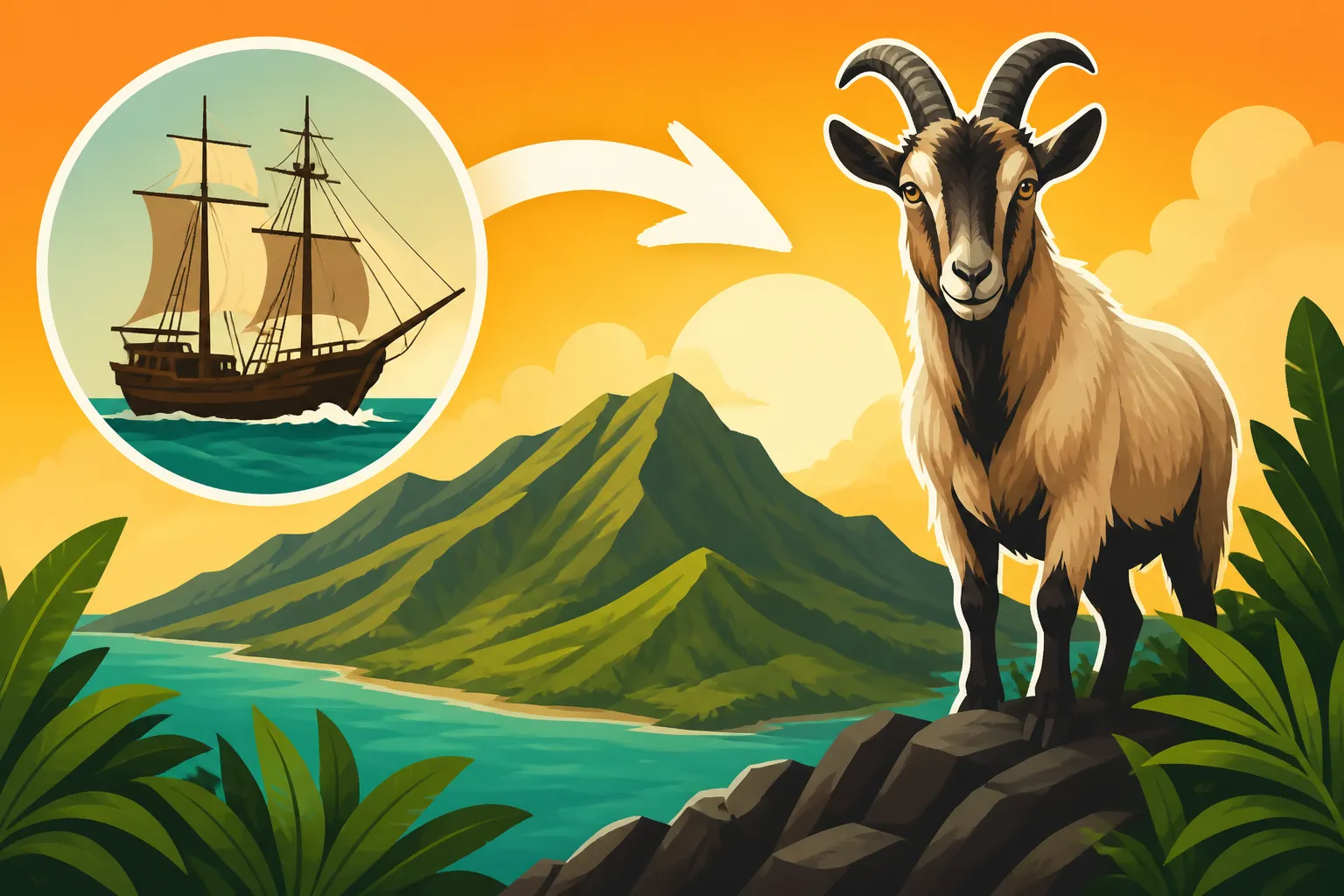
When Captain James Cook first arrived in the Hawaiian Islands in 1778, his voyages marked a monumental shift in the islands' history. Along with new diseases and technologies, Cook’s expeditions are often credited with the very first introduction of goats to Hawaii. It wasn't an accident; these animals were deliberately brought to the islands with what was, at the time, a well-intentioned purpose: to provide a future food source for both the native Hawaiians and subsequent visiting ships. Imagine the long, arduous sea voyages of that era – fresh meat was a precious commodity, and goats, being hardy and prolific, seemed like an ideal solution. They could survive the journey, and the hope was they would establish free-ranging populations that could be harvested when needed. This act, while logical from a seafaring perspective, laid the groundwork for an ecological transformation that would unfold over centuries.
Subsequent Introductions by Whalers and Early Settlers
Following Cook's initial visits, the trickle of goats became a steady stream. The 19th century saw Hawaii become a bustling hub for whaling ships, traders, and eventually, permanent European and American settlers. Each wave of arrivals often brought more livestock, including additional goats. These weren't just for food; some were intended for small-scale ranching, while others simply traveled as part of a ship's provisions. The sheer volume of traffic meant that escapes were inevitable. A few goats jumping ship or wandering off from a temporary camp might not seem like much, but when this happened repeatedly over decades across different islands, it built the foundation for widespread feral populations. These animals found themselves in an entirely new world, one with abundant forage, no natural predators, and a climate that suited them perfectly. The stage was set for them to transition from domesticated livestock to wild inhabitants, adapting with remarkable speed to their new Hawaiian home.
From Domestic Stock to Wild Herds: The Feral Transformation
The process of domestication takes thousands of years, but the journey back to a wild state can happen surprisingly quickly when conditions are right. For goats in Hawaii, the combination of a conducive environment and a lack of oversight meant that "feralization" was almost guaranteed.
Adapting to Hawaii’s Unique Ecosystems
Once released or escaped, these domestic goats quickly began to change. Their instincts, dulled by generations of human care, sharpened in response to the demands of survival. Hawaii offered an incredible range of habitats, from the rugged, arid leeward slopes to the dense, wet forests of the windward sides. Goats, with their inherent adaptability and remarkable climbing abilities, were perfectly suited to exploit these diverse environments. They learned to navigate the treacherous sea cliffs on islands like Molokai and Maui, where vegetation was sparse but inaccessible to other grazers. They adapted to the dry kiawe flats, finding sustenance in thorny shrubs, and learned to scale steep gulches and lava fields. This isn't just about finding food; it's about developing new survival strategies, recognizing threats (or the lack thereof), and altering their social structures to thrive without human intervention. The descendants of those early domestic goats became leaner, hardier, and much more elusive, demonstrating a profound resilience in their new wild existence.
The Proliferation Across Islands
The ease with which goats established themselves meant that their populations exploded, not just in specific areas, but across multiple islands. Initially concentrated where ships landed, they spread rapidly. On islands like Hawaii Island (the Big Island), feral goat populations could be found from the dry Kona coast all the way up into the lower slopes of the volcanoes. On Maui, they became dominant in the drier, more open areas like Kahikinui and the slopes of Haleakala. Kauai saw them establish strongholds in its dramatic canyon systems, making them an iconic, if problematic, part of the landscape.
Their rapid proliferation was due to several key factors:
- High Reproductive Rates: Goats are prolific breeders, with nannies often having twins or even triplets, and reaching breeding age quickly.
- Lack of Natural Predators: Hawaii, being an isolated island chain, evolved without large mammalian predators. Once introduced, these goats faced no natural checks on their numbers, allowing them to breed unchecked.
- Dietary Versatility: Goats are incredibly efficient browsers, able to eat a wide variety of plants that other animals might avoid, including thorny species and tough scrub. This meant they could find food even in marginal habitats.
- Mobility: Their ability to traverse difficult terrain, from rocky cliffs to dense undergrowth, allowed them to access areas that other introduced livestock couldn't, further facilitating their spread.
This unchecked growth meant that within a few decades, what began as a handful of animals had swelled into tens of thousands, transforming localized introductions into island-wide ecological concerns. Hunters today, using platforms like GoHunt for their licenses and permits, are a key part of managing these widespread populations, often targeting units like those found in Hawaii Island Hunting Unit Seasons or Maui's Year-Round and Seasonal Units where goats are prevalent.
The Ecological Ramifications: A Mixed Blessing
While goats are a testament to animal adaptability, their unchecked presence in Hawaii has come at a significant cost to the islands' fragile and unique native ecosystems. The very traits that allowed them to thrive – their hardiness, their dietary flexibility, and their climbing prowess – also make them incredibly destructive.
Damage to Native Flora and Endemic Species
Hawaii’s native plants evolved in isolation, without the pressure of large grazing or browsing mammals. This meant they developed no natural defenses like thorns or toxins that are common in plants where herbivores are present. When feral goats arrived, they found a veritable buffet. They browse indiscriminately, consuming seedlings, young trees, and mature plants, often targeting rare and endangered species that exist nowhere else on Earth.
Consider the consequences:
- Loss of Unique Plant Life: Many native Hawaiian plants, from small shrubs to vital tree species, are literally eaten out of existence. This is particularly devastating in smaller, isolated kipukas or montane forests where specific microclimates harbor unique species.
- Habitat Destruction: Goats don't just eat plants; they strip bark, trample delicate undergrowth, and rub against trees, causing immense damage. This degrades the overall habitat for native birds, insects, and other wildlife that depend on these plants for food and shelter.
- Competition with Native Grazers: Although Hawaii has very few native grazers (the Nene goose is a notable example), goats compete with native birds and insects for resources, further stressing already vulnerable populations.
The Department of Land and Natural Resources (DLNR) has invested significant resources into fencing off critical conservation areas to protect what remains of these native plant communities from the relentless browsing of feral goats.
Erosion and Watershed Degradation
Beyond the direct consumption of plants, feral goats contribute heavily to a more insidious problem: soil erosion and the degradation of Hawaii's vital watersheds. Their impact is profound, especially on steep slopes and in dry, fragile environments.
Here’s how it unfolds:
- Removal of Ground Cover: Goats clear out the protective layer of vegetation that normally holds soil in place. This includes grasses, ferns, and small shrubs. On steep slopes, especially during heavy rains, this exposed soil has nothing to anchor it.
- Soil Compaction and Trail Creation: As large herds move across the landscape, their hooves compact the soil, making it harder for new vegetation to grow. They also create distinct trails, which, especially on hillsides, can quickly turn into erosion channels during rainfall.
- Increased Runoff and Sedimentation: With less vegetation to absorb rainfall, water runs off rapidly, carrying loose soil, rocks, and debris into streams and rivers. This increased sedimentation chokes out aquatic life, degrades water quality, and can harm coral reefs when it reaches the ocean.
- Impact on Water Quality: Healthy watersheds are critical for supplying fresh water to both natural ecosystems and human communities. Goats contribute to the decline of this natural infrastructure, impacting water availability and purity.
For hunters, understanding this environmental context is crucial. When you're out Hunting Goats on Hawaii's Coastal Cliffs or in Hunting Goats in Hawaii's Canyon Country, you're participating in a vital conservation effort, even if the primary motivation is sport or acquiring meat.
Management and Hunting: A Critical Conservation Tool
Given the extensive ecological damage caused by feral goats, their management is a top priority for conservation agencies in Hawaii. Hunting plays an absolutely critical role in this, serving as one of the most effective and economically viable methods for controlling populations.
Early Control Efforts and Their Limitations
In the past, various methods were employed to control feral goat populations, often with limited success. Early attempts included poisoning, trapping, and large-scale culling operations. While these could reduce numbers locally, they often faced significant challenges:
- Logistical Difficulties: Hawaii’s rugged, remote terrain makes large-scale control operations incredibly difficult and expensive. Helicopters are often needed for aerial surveys and culling, which is a costly endeavor.
- Public Opposition: Methods like poisoning often faced public outcry due to concerns about non-target species or ethical considerations.
- Rapid Re-population: Even if a population was significantly reduced in one area, goats from surrounding unmanaged areas would quickly move in and re-establish numbers, thanks to their high reproductive rate.
- Limited Funding: Conservation efforts, especially those focused on invasive species control, often struggle with consistent funding.
These limitations highlighted the need for sustainable, community-involved approaches that could provide ongoing pressure on goat populations.
Modern Hunting as a Primary Management Strategy
This is where hunting steps in as a vital tool. Unlike one-off culling operations, regulated public hunting provides continuous, dispersed pressure on feral goat populations across accessible public and private lands. It's not just about sport; it's about active conservation.
Here’s why hunting is so effective:
- Decentralized Effort: Thousands of hunters, year after year, contribute to population control. Each individual hunter acts as a small, mobile unit, reaching areas that might be too expensive or difficult for government agencies to access regularly.
- Economic Efficiency: Hunters pay for licenses, permits, and travel, generating revenue that can be reinvested into wildlife management programs. They also bear the costs of their own hunting efforts, essentially providing a free service to conservation. Using platforms like GoHunt Hawaii makes it easier for residents and non-residents to purchase the necessary Hawaii Hunting Licenses and What They Cost and learn about How Hawaii's Permit-Tag System Works.
- Sustainable Harvest: Regulated hunting ensures that animals are harvested within sustainable limits, preventing localized extinctions while still reducing overall population numbers to mitigate ecological damage.
- Community Engagement: Hunting fosters a direct connection between individuals and the land, promoting awareness of conservation issues and empowering hunters to be part of the solution. Many local families rely on wild goat meat for subsistence, adding another layer of value to these hunts.
Hunters targeting feral goats on public lands, such as those within various Game Management Areas or Forest Reserves across the islands, are directly contributing to the health of Hawaii's native ecosystems. Whether it's a strenuous trek into Hunting Hawaii's High Elevation Alpine Ground or a strategic approach to Hunting Goats on a Sea Cliff Safely, every successful hunt helps to alleviate the pressure on Hawaii's unique and irreplaceable natural heritage. It's a challenging but deeply rewarding hunt, providing not just wild game meat but a tangible link to conservation.
Understanding Hawaii's Feral Goat Types
While generally referred to as "feral goats," it's worth understanding that there isn't just one monolithic type. Over the centuries, various breeds were introduced, and through interbreeding and natural selection in the wild, Hawaii has developed its own unique populations.
General Appearance and Characteristics
Hawaii's feral goats are typically a mix of domestic breeds that have reverted to a wild state, primarily descendants of Spanish goats, Nubian, and perhaps some dairy breeds. However, their appearance has largely converged due to the selective pressures of their environment.
- Size and Build: They are generally smaller and leaner than their domestic counterparts, reflecting a life of constant movement over rugged terrain and a diet of wild forage. A mature billy (male goat) might weigh anywhere from 80 to 150 pounds, though some can be larger. Nannies (females) are considerably smaller.
- Coloration: Their coats vary widely in color, from solid black, white, or brown to various spotted, patched, or even piebald patterns. This genetic diversity is a remnant of their mixed domestic ancestry.
- Horns: Both males and females typically grow horns, though the size and shape differ significantly. Billies often sport impressive, sweeping horns that can be quite thick and long, curving upward and backward, sometimes forming a spiral. Nannies have much smaller, more slender horns.
- Adaptations: They are incredibly agile, with powerful hindquarters and specialized hooves that provide excellent traction on rocky, steep surfaces. Their keen eyesight and hearing are crucial for detecting threats in open country.
These characteristics make them a challenging and rewarding quarry for hunters, particularly when pursuing them in their preferred steep and broken habitats.
Where Hawaii’s Feral Goats Live
Feral goats are found on several of the main Hawaiian Islands, each offering distinct terrains that goats have expertly colonized.
- Hawaii Island (Big Island): Goats are abundant on the drier leeward slopes, particularly in areas like the Puu Anahulu Game Management Area, and in the rough, rocky terrain around the volcanoes. They're also found in parts of the Kau Forest Reserve.
- Maui: Maui holds significant populations, especially on the southern, drier slopes of Haleakala in areas like Kahikinui and Polipoli Spring State Recreation Area. These areas offer vast, open country broken by gulches and kiawe forests, ideal goat habitat. Hunting Maui's Upcountry Forest Reserves or Hunting Maui's Year-Round Axis Deer Units can often mean encountering goats as well.
- Molokai: Molokai is well-known for its large goat populations, particularly along its dramatic sea cliffs and in the dry western plains. These goats are often larger-bodied due to habitat conditions.
- Kauai: Kauai's goats thrive in the rugged, precipitous canyons of Waimea Canyon and the Na Pali-Kona Forest Reserve. Hunting here often involves negotiating extremely steep and challenging terrain.
- Oahu: While some isolated populations exist on Oahu, their numbers are generally lower and more localized compared to the other islands.
Understanding these distribution patterns is key for hunters planning a trip, as permits and regulations can vary by island and specific unit. Checking the latest regulations on platforms like GoHunt is essential for details on Hawaii's Hunting Units and How They Work and specific unit boundaries.
Preparing for a Feral Goat Hunt in Hawaii
Hunting feral goats in Hawaii is a unique experience, offering breathtaking scenery and a challenging pursuit. Success often hinges on proper preparation, understanding the terrain, and adhering to local regulations.
Essential Gear for Rugged Terrain
Hawaii's goat hunting grounds are unforgiving. The terrain can range from sharp, abrasive lava fields to slick, muddy gulches, and treacherous sea cliffs. Your gear needs to be up to the task.
- Footwear: This is paramount. Invest in high-quality, ankle-supporting hunting boots with excellent traction. Waterproofing is a plus, even in dry areas, as you might encounter dew or small streams. Boots like the Crispi Nevada or Kenetrek Mountain Extreme are often favored for their durability and support when Walking Rough Lava Without Wrecking Your Boots.
- Optics: Good binoculars (10×42 or 12×50) are essential for glassing distant slopes and spotting goats in challenging cover. A spotting scope can also be incredibly useful for judging animals at long range, especially when Glassing a Hawaii Coastline for Goats.
- Clothing: Lightweight, breathable layers are key. The sun can be intense, so long sleeves and pants in light colors offer protection. Consider quick-drying materials. Blaze orange is often required in certain units, so check specific unit regulations before heading out.
- Backpack: A comfortable, durable pack (25-40 liters) is needed to carry water, snacks, a first-aid kit, rain gear, and to pack out meat if you're successful. When Packing Meat Out of a Hawaii Gulch, a sturdy frame pack becomes invaluable.
- Hydration: Always carry more water than you think you’ll need. Hawaii’s heat and humidity, combined with strenuous hiking, can lead to rapid dehydration. A water filter or purification tablets are wise if you plan to rely on natural sources.
- Navigation: A reliable GPS device or a smartphone with a mapping app like OuterSpatial or onX Hunt is crucial for staying found, especially when Staying Found in Dense Hawaii Rainforest or navigating complex gulch systems. Don't rely solely on cell service, as many hunting areas have No Cell Signal on a Hawaii Hunt.
Legal Requirements and Best Practices
Before even stepping foot in the field, it’s vital to be fully compliant with Hawaii’s hunting regulations. The Department of Land and Natural Resources (DLNR) Division of Forestry and Wildlife (DOFAW) sets these rules to ensure safe and sustainable hunting.
- Hunting License: Every hunter, resident or nonresident, needs a valid Hawaii hunting license. These can often be purchased online through the GoHunt Hawaii portal.
- Permits/Tags: Depending on the island and specific unit, you may need a special permit or tag for goats. Some units are open year-round with no tag required, while others may have specific draw seasons. Always confirm current regulations. Molokai Permit-Tag Requirements and What a Kauai Hunting Permit Costs are examples of what you might need to research.
- Hunter Education: If you were born after December 31, 1957, you must complete an approved hunter education course or provide a "Letter of Exemption" if you have a prior hunting license from another state. This is an important detail for Finishing Hunter Education Before Your Trip.
- Check-In/Check-Out: Many public hunting units require hunters to check in and out, either at a physical check station or via the OuterSpatial app. This is crucial for safety and for data collection on hunter effort and harvest. Forgetting to Checking In and Out of a Hawaii Hunting Unit can lead to penalties.
- Weapon Restrictions: Be aware of legal weapon types for goat hunting. Rifles are common, but archery and muzzleloader seasons also exist. Check specific caliber and equipment restrictions.
- Respect Private Land: Always know your boundaries. Hawaii has a mix of public and private land, and trespassing is a serious offense. Using mapping apps to confirm property lines is a smart move.
By diligently preparing your gear and thoroughly understanding the regulations, you'll maximize your chances of a successful and responsible goat hunt in Hawaii's truly wild landscapes.
| Historical Introduction of Goats in Hawaii | |
|---|---|
| Era | Details & Purpose |
| Late 18th Century (Cook's Voyages) | Purpose: Provisioning for ships, intended as future food sources for native Hawaiians and visiting vessels. |
| 19th Century (Whaling/Settlement) | Purpose: Continued food supply for ships, small-scale ranching by early settlers. Escapes become more frequent. |
| Ecological Impact | Outcome |
| Initial Adaptability | Goats found abundant forage, no natural predators, and a favorable climate, leading to rapid population growth and "feralization." |
| Environmental Damage | Over-browsing of native flora, competition with endemic species, soil erosion, and degradation of crucial watersheds. |
| Modern Role | Management Strategy |
| Primary Management Tool | Regulated public hunting serves as a cost-effective, sustainable, and community-involved method to control feral goat populations and mitigate ecological harm. |
| Hunter Engagement | Hunters contribute to conservation efforts, generating revenue and providing direct pressure on populations across diverse terrains. |
Conclusion: A Complex History, A Present-Day Challenge
The story of how feral goats reached Hawaii is a microcosm of the larger narrative of introduced species across the islands. What began with seemingly innocuous intentions – providing food for explorers and settlers – quickly transformed into an ecological challenge of immense proportions. These incredibly resilient animals, free from natural predators, found a paradise that allowed them to thrive, but at the expense of Hawaii’s delicate and unique native ecosystems.
Today, feral goats represent a complex issue, simultaneously a popular game animal for hunters and a persistent threat to biodiversity and watershed health. For hunters, pursuing goats in Hawaii isn't just about the thrill of the chase or the bounty of wild game; it's an active partnership in conservation, helping to manage populations that would otherwise continue to degrade some of the most unique landscapes on Earth. Understanding their history helps us appreciate the ongoing efforts to balance human activities with the urgent need to protect Hawaii's irreplaceable natural heritage.
Disclaimer
Please remember that hunting regulations in Hawaii can change. It is always the hunter's responsibility to verify the most current rules and requirements with the Hawaii Department of Land and Natural Resources (DLNR) Division of Forestry and Wildlife (DOFAW) before planning and undertaking any hunt. This guide is for informational purposes only and should not be considered legal advice.