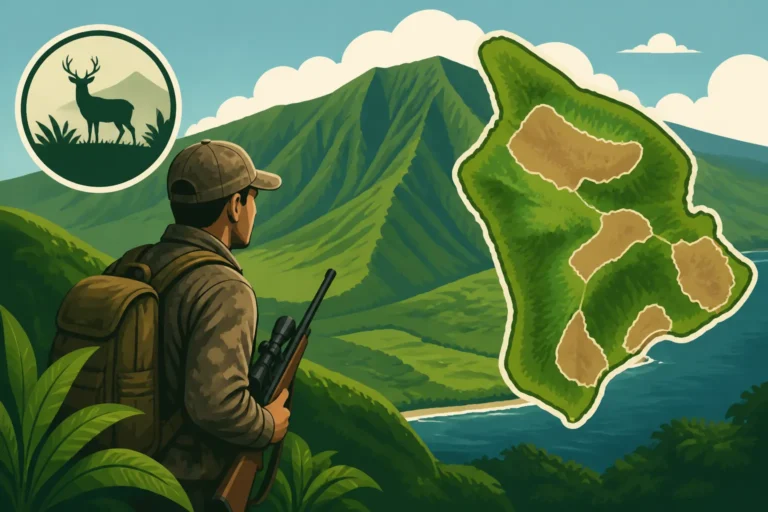
Hunting Hawaii’s Forest Reserves
Oh, the allure of hunting in Hawaii's natural beauty! It's an experience unlike any other, but let's be real, figuring out where to hunt, let alone how to navigate the specific rules for different land types, can feel like trying to solve a Rubik's Cube blindfolded. Many hunters, especially those new to the islands or even kama'aina looking to explore new spots, get tangled up in the intricacies of Hawaii's public lands. This comprehensive guide is here to untangle all that, specifically focusing on how to successfully and legally hunt within Hawaii's vast and ecologically vital Forest Reserves.
Understanding Hawaii's Forest Reserve System
When you picture public hunting land, you might think of vast, open spaces or national forests like on the mainland. Hawaii's Forest Reserves are a unique beast, though. They're not just tracts of land; they're vital ecosystems managed for conservation, watershed protection, and yes, carefully regulated recreational activities like hunting. Understanding their purpose and place in the broader land management scheme is key to a respectful and successful hunt.
The Purpose and History of Forest Reserves
Hawaii's Forest Reserves were primarily established over a century ago to protect the islands' critical watersheds. Think about it: a volcanic island chain needs fresh water, and that water comes from rain soaking into the mountains and percolating through the forest. These reserves are designed to keep those forests healthy, ensuring a steady supply of clean water for everyone. Originally, many of these areas were heavily impacted by introduced animals like pigs, goats, and cattle, which decimated native plant life and caused significant erosion. Hunting was introduced as a management tool to help control these populations, a practice that continues today. It's a delicate balance, trying to preserve native ecosystems while also allowing for public access and hunting opportunities. For many of us, it's a chance to connect with the 'aina (land) in a deeply meaningful way, participating in a tradition that helps keep these ecosystems from being completely overrun by invasive species.
How Forest Reserves Differ from Other Public Hunting Lands
You might hear about Game Management Areas (GMAs), Natural Area Reserves (NARs), and Forest Reserves (FRs) and wonder what the big difference is. The simplest way to think about it is by their primary management objective. GMAs are generally managed with hunting and game species production as a high priority. NARs are strictly for the protection of native ecosystems and often have very limited or no hunting, with very strict rules when it is allowed. Forest Reserves, on the other hand, sit somewhere in the middle. While watershed protection and native forest restoration are their main goals, hunting is recognized as a legitimate and often necessary activity to help achieve those goals by controlling invasive ungulates. This means you'll often find hunting opportunities that might be less restrictive than in an NAR but still have more environmental considerations than a dedicated GMA. The terrain can also be wildly different, from pristine native koa forests to dense, thorny guava thickets, or even high-elevation alpine deserts.
Identifying Forest Reserve Boundaries and Regulations
One of the biggest headaches for any hunter in Hawaii is knowing exactly where you are and what rules apply. Forest Reserve boundaries can sometimes be less clearly marked on the ground than you might hope, especially in dense jungle. This is where modern tools become your best friend. Services like onX Hunt are incredibly valuable for digitally mapping out these boundaries, showing you public land, private land, and designated hunting units within the Forest Reserves. It's not just about staying legal; it's about staying safe and effective. Imagine trekking for hours into a remote gulch only to realize you've crossed into a no-hunt zone. Having a reliable map, digital or physical, that clearly delineates these areas, along with the specific regulations for that unit, is non-negotiable. Always double-check with the official Hawaii Department of Land and Natural Resources (DLNR) Division of Forestry and Wildlife (DOFAW) maps and announcements, as rules can and do change.
Accessing Forest Reserves for Hunting
Alright, so you know what a Forest Reserve is, and why it's there. Now, how do you actually get into one to hunt? Access isn't always as simple as parking your truck and walking in. Hawaii's Forest Reserves often present unique challenges, from remote locations to specific permit requirements, which can trip up even experienced hunters.
General Access Requirements and Check-in Procedures
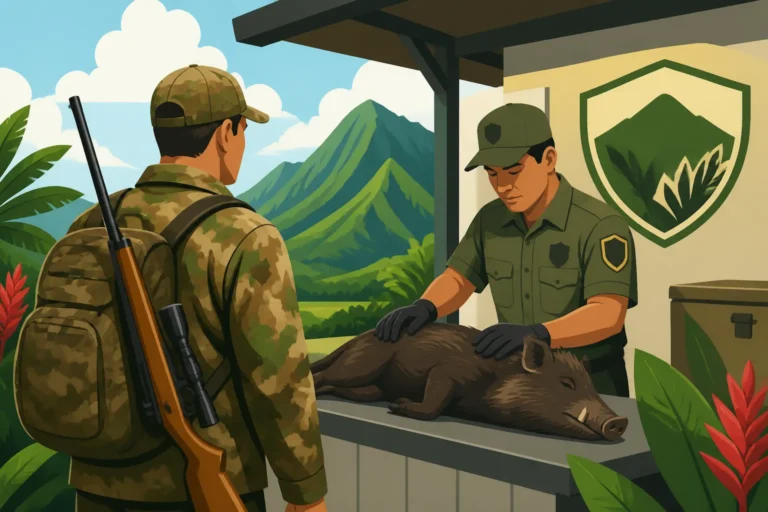
Before you even step foot in a Forest Reserve for a hunt, you'll need to make sure you have the proper licenses and permits. This typically includes a valid Hawaii hunting license and, for many areas, a specific permit-tag for the species you intend to hunt. The process usually involves checking in with DOFAW, either physically at a hunter check station or increasingly through digital systems like the OuterSpatial app. This check-in process is crucial not just for tracking hunter effort and success, but also for your safety. It lets DOFAW know who is in the field, which can be critical in an emergency. It also helps manage hunter density and ensures compliance with bag limits and seasons. Don't skip this step; forgetting to check in or out can lead to fines or suspension of your hunting privileges. For more details on what you need, check out Hawaii Hunting Licenses and What They Cost.
Vehicle, Foot, and Special Access Considerations
The way you access a Forest Reserve can vary dramatically. Some reserves might have well-maintained access roads, often requiring a 4×4 vehicle due to rough terrain, mud, or steep grades. Others might only be accessible by foot, sometimes involving a serious hike through challenging landscapes. Then there are those truly remote spots that might only be reachable via helicopter, an option usually reserved for guided hunts or specialized operations. When planning your hunt, always research the specific access points and requirements for your chosen unit. Can you drive to a trailhead, or will you need to park miles away and walk in? Are there gates that require a combination or key? Are ATVs or dirt bikes allowed? In many Forest Reserves, especially those with sensitive ecosystems, vehicle access is heavily restricted to designated roads only, if at all, meaning you'll be putting in a lot of miles on foot.
Understanding Seasonal and Area Closures
Just because an area is a Forest Reserve doesn't mean it's open for hunting year-round or even year-to-year. DOFAW regularly implements seasonal closures for various reasons: to protect vulnerable native species, allow game populations to recover, conduct forestry operations, or even for public safety during extreme fire risk or heavy rain. These closures can be frustrating, especially if you've planned a trip, but they are vital for the long-term health of the ecosystem and sustainable hunting. Always check the latest DOFAW announcements and unit maps before heading out. Sometimes, specific portions of a large Forest Reserve might be closed, while others remain open. You don't want to find yourself ready to hunt only to discover your planned area is temporarily off-limits. You can often find updates on Hawaii's Hunting Units and How They Work pages on the GoHunt website or directly from DOFAW.
Key Forest Reserve Units for Hunting Across the Islands
Hawaii's Forest Reserves are spread across multiple islands, each offering distinct hunting experiences shaped by unique geography, climate, and game populations. While the general rules for Forest Reserves apply, the practicalities of hunting in each can be vastly different.
Hunting the Big Island's Diverse Forest Reserves
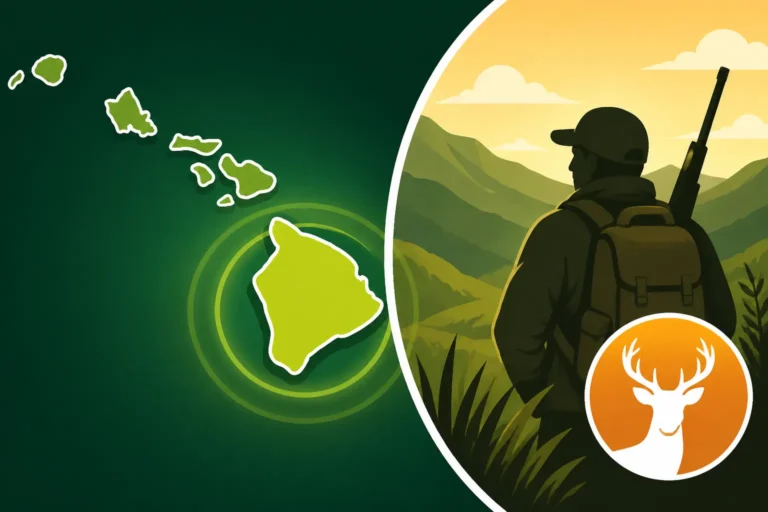
The Big Island (Hawaii Island) boasts some of the largest and most diverse Forest Reserves. You'll find everything from the wet, dense forests of the Hilo and Waiakea Forest Reserves, teeming with feral pigs, to the drier, higher-elevation areas like Puu Waawaa. Hunting Hilo Forest Reserve Country often means navigating thick, muddy trails, dodging tree roots, and listening for the telltale sounds of pigs rooting in the undergrowth. These wet, windward side reserves are prime pig hunting territory, demanding stealth and endurance. In contrast, the Puu Waawaa Forest Reserve, while a mix of dry and wet, is well-known for its mouflon sheep and feral goats, offering a completely different challenge with more open, rugged terrain. Then there are the vast tracts of the Kau Forest Reserve, where pigs and goats roam through eucalyptus and native koa. Each of these reserves offers a distinct adventure, from stalking through mist-shrouded fern gulches to glassing distant slopes for a ram.
Maui and Oahu's Forest Reserve Hunting Opportunities
Maui offers incredible hunting in its Forest Reserves, particularly on the slopes of Haleakala. Areas like the Makawao Forest Reserve and the Kula Forest Reserve (which includes Polipoli Spring State Recreation Area) are popular spots. Hunting Maui's Upcountry Forest Reserves often means targeting pigs and goats in eucalyptus and pine plantations, or moving into native forest pockets. These areas can be incredibly steep and dense, demanding good physical conditioning. Maui also has a significant Axis deer population, and while not all Forest Reserves overlap with prime deer habitat, some edges and adjacent lands might offer opportunities. On Oahu, where public hunting land is more limited, the Waianae Kai Forest Reserve and the Ewa Forest Reserve offer pig and goat hunting. These areas are often steep and brushy, requiring hunters to work hard for their animals. The proximity to Honolulu means these units can see more pressure, so timing your hunts during less crowded periods or going deeper into the reserves can pay off.
Kauai and Molokai's Unique Forest Reserve Challenges
Kauai, the "Garden Isle," presents its own set of challenges and rewards within its Forest Reserves. The Na Pali-Kona Forest Reserve, which borders the famous Na Pali Coast, offers rugged and remote pig and goat hunting in truly breathtaking scenery. However, accessing these areas can be incredibly difficult, often requiring long hikes into deep valleys and across steep ridges. The Puu Ka Pele Forest Reserve and parts of the Kekaha Game Management Area also hold opportunities for pigs, goats, and, uniquely for Hawaii, black-tailed deer. Hunting Black-Tailed Deer in Kokee involves navigating dense forest and deep canyons. Molokai, often called the "Friendly Isle," has public reserve land, particularly in its eastern valleys, which can hold pigs and goats, though much of its prime Axis deer habitat is on private land. Hunting these reserves often means dealing with intense humidity, dense vegetation, and steep, broken terrain that makes every step a deliberate effort.
Game Species You'll Find in Forest Reserves
So, you've navigated the regulations and found your unit. What can you expect to encounter? Forest Reserves are home to a variety of game, with feral pigs and goats being the most common, but opportunities for Axis deer and mouflon sheep can also arise depending on the specific reserve and island.
Feral Pigs and Goats: The Primary Targets
Without a doubt, feral pigs and goats are the bread and butter of Forest Reserve hunting in Hawaii. These animals are abundant, widespread, and, frankly, quite destructive to the native ecosystem, making their management a conservation priority. Pigs thrive in the dense, wet forests, where they root up native plants, create mud wallows that become mosquito breeding grounds, and generally wreak havoc. Feral Pigs, Island by Island describes how abundant these animals are across the islands. Hunting them in these dense environments often involves still-hunting through thick undergrowth, listening for their grunts and rooting sounds, or utilizing dogs. Goats, on the other hand, prefer the drier, steeper, and more open terrain, though they can be found in various habitats. Their impact on erosion in sensitive areas, especially on cliffs and steep hillsides, is significant. Hunting Hawaii's Feral Goats and Why They Matter often means long-range glassing and careful stalks in rocky, unforgiving country. Both species offer challenging hunts and excellent wild game meat.
Axis Deer and Mouflon: Where Reserves Overlap with Their Range
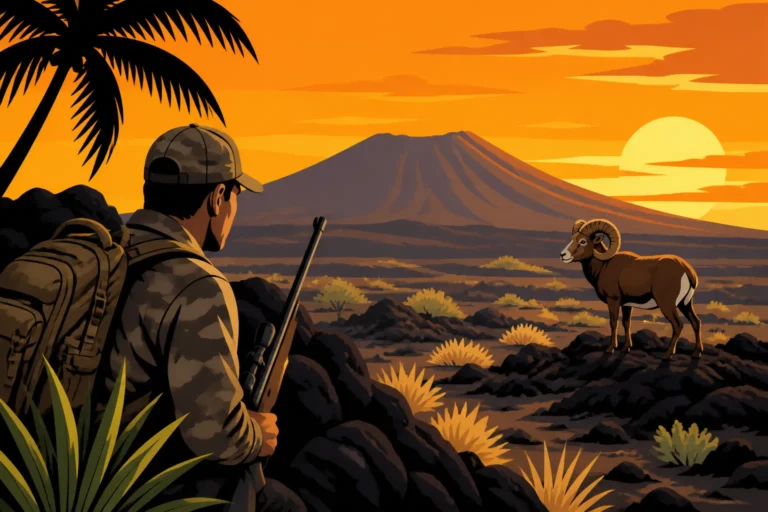
While pigs and goats are ubiquitous, some Forest Reserves, especially those bordering or encompassing dryer, more open terrain, can offer opportunities for Axis deer and mouflon sheep. On Maui, for instance, some Forest Reserves might touch upon areas where Axis deer roam, particularly in the lower, drier elevations. These are often opportunistic encounters rather than dedicated Axis deer units within the heart of the wet forest reserves. However, understanding Axis Deer, Hawaii's Signature Big Game and their movement patterns can help you capitalize on such chances. Similarly, on the Big Island, especially in areas like Puu Waawaa Forest Reserve, mouflon sheep are present. These majestic animals prefer higher, drier, and more open slopes, often with mamane-naio forest, but their range can extend into parts of the Forest Reserve system. Mouflon Sheep on Hawaii's Volcanoes are a prized trophy, and hunting them in these mountainous reserves is a truly unique experience, demanding physical fitness and keen glassing skills.
Game Birds in Forest Reserve Edges and Openings
Beyond the big game, don't overlook the potential for game birds in certain Forest Reserves. While the deep, dense forest might not be ideal bird habitat, the edges of reserves, old logging roads, clearings, and areas transitioning into pasture or drier scrub can hold various introduced game birds. We're talking about francolin, pheasant, chukar, and various dove and quail species. Hawaii Game Bird Seasons and Bag Limits vary by species and location, so always check the specific regulations for your unit. Hunting birds in these areas often involves walking old trails and fencelines, flushing birds from cover, and working with a good bird dog if allowed. It's a different pace than stalking a pig, but just as rewarding, and can be a great way to add another dimension to your Forest Reserve hunting experience.
Navigating the Terrain and Challenges of Forest Reserve Hunts
Hunting in Hawaii's Forest Reserves isn't for the faint of heart or the unprepared. The terrain, climate, and sheer wildness of these areas present challenges that require careful planning, physical stamina, and a healthy respect for nature's power.
Dense Rainforests, Steep Gulches, and Rough Trails
Many of Hawaii's Forest Reserves are characterized by incredibly dense vegetation – think tangled guava thickets, thorny kiawe, thick fern undergrowth, and towering trees with roots that seem designed to trip you. Add to that incredibly steep gulches, often hidden until you're right on top of them, and trails that can quickly turn into muddy, slippery chutes after a rain. Hunting Hawaii's Rainforest Units requires a slow, deliberate pace. You'll often be pushing through brush, climbing over fallen logs, and navigating uneven ground. Getting turned around is a real possibility in such conditions, making navigation skills and tools absolutely critical. It's an environment that constantly tests your patience and endurance, but the rewards—a close encounter with a pig or the stunning beauty of a hidden waterfall—are worth the effort.
Weather Extremes: Rain, Humidity, and High-Elevation Cold
Hawaii is known for its sunshine, but in the Forest Reserves, especially on the windward sides of the islands, you can experience all four seasons in a single day. Sudden, heavy downpours are common, turning trails into rivers and saturating everything. High humidity is a constant companion, making exertion feel even more draining and making it difficult to keep gear dry. Then there's the elevation factor. While some reserves are at sea level, others climb to significant heights. Hunting Hawaii's High-Elevation Country on the Big Island, for example, can mean crisp, cold air, even frost, and rapidly changing conditions. Always pack for the worst-case scenario: quality rain gear is non-negotiable, and layers are essential to adapt to the fluctuating temperatures. Being prepared for these weather extremes isn't just about comfort; it's about safety.
Orientation, Communication, and Staying Found
In the dense, often featureless terrain of a Forest Reserve, getting disoriented is a genuine concern. Cell service is notoriously unreliable in remote areas, meaning your phone might not be a dependable navigation or communication tool. This is where a dedicated GPS device, a satellite communicator (like an inReach or Zoleo), and good old-fashioned map and compass skills are vital. Before you head out, study your maps, understand the topography, and identify key landmarks. Mark your entry point and planned route. If hunting with a partner, establish clear communication protocols and a rendezvous plan. Regularly checking your position, especially with a tool like onX Hunt, can prevent you from wandering off course. Remember, rescue can be a long way off, and staying found is your primary responsibility.
Planning Your Hunt: Essential Gear and Preparation
A successful and safe hunt in a Hawaii Forest Reserve hinges on proper planning and having the right gear. These aren't casual strolls in the park; they are serious backcountry endeavors that demand respect and preparation.
Footwear, Clothing, and Rain Gear for Wet and Rugged Conditions
Your feet are your most important assets in Hawaii's rugged Forest Reserves. Invest in high-quality, waterproof, and supportive hiking boots with excellent traction. The trails are often muddy, rocky, and steep, and your boots will take a beating. Consider gaiters to keep mud, water, and debris out of your boots. For clothing, layers are key. Lightweight, breathable, moisture-wicking materials are perfect for the warm, humid conditions, but always pack a warm layer, especially if you're heading to higher elevations or expecting to be out after dark. As mentioned, reliable rain gear is an absolute must. A durable, waterproof jacket and pants will save you from being soaked to the bone and potentially hypothermic if the weather turns. Oh, and don't forget the blaze orange! Hawaii Blaze Orange Requirements apply in many units for safety.
Hydration, Food, and First Aid for Remote Hunts
Staying hydrated is critical in Hawaii's humid environment, even when it's raining. Always carry more water than you think you'll need, or bring a reliable water filter or purification tablets if you're comfortable sourcing water in the field. Dehydration can creep up on you quickly. Pack high-energy, non-perishable food that can sustain you through a long day or even an unexpected overnight stay. Energy bars, jerky, nuts, and dried fruit are good choices. A comprehensive first-aid kit is non-negotiable. Include bandages, antiseptic wipes, pain relievers, blister treatment, insect repellent, and any personal medications. Knowing basic first aid is just as important as having the supplies. Remember, you're often hours from any medical help.
Navigation Tools and Emergency Preparedness
We touched on navigation earlier, but it bears repeating: a reliable GPS device or a smartphone app like onX Hunt with downloaded offline maps is paramount. Don't rely solely on cell signal. A physical map and compass are excellent backups, and knowing how to use them is a skill every hunter should possess. For emergency communication, a satellite messenger (like Garmin inReach or Zoleo) can be a literal lifesaver, allowing you to send messages or an SOS even without cell service. A powerful headlamp or flashlight with extra batteries is essential for navigating in the dark or signaling for help. A whistle is also a simple, effective tool for signaling. Always inform someone reliable of your hunting plan, including your intended route, where you'll be parked, and when you expect to return. This "float plan" is crucial if something goes wrong.
Ethical Hunting and Conservation in Forest Reserves
Hunting in Hawaii's Forest Reserves isn't just about pursuing game; it's about actively participating in conservation. Because most game species in Hawaii are introduced and considered invasive, hunters play a vital role in protecting the fragile native ecosystems.
The Role of Hunters in Managing Invasive Species
Feral pigs, goats, and Axis deer (on certain islands) are not native to Hawaii and have had, and continue to have, a devastating impact on native plants, birds, and watersheds. They browse rare plants, spread invasive seeds, compact soil, and create avenues for erosion. By harvesting these animals, hunters directly help to reduce their numbers and mitigate their ecological damage. This makes hunting a critical component of conservation efforts in Forest Reserves. It's a way for us to give back to the 'aina, ensuring that future generations can also experience the unique beauty of Hawaii's natural world. Understanding this ecological context elevates hunting from a purely recreational activity to a meaningful act of environmental stewardship.
Respecting Cultural Sites and Non-Hunting Users
Hawaii's landscapes are rich with cultural significance, from ancient Hawaiian trails (ala loa) to religious sites (heiau) and burial grounds. Many of these sites exist within or adjacent to Forest Reserves. It's crucial for hunters to be respectful of these cultural treasures and avoid disturbing them. If you come across a potential cultural site, treat it with reverence, do not disturb it, and if possible, report its location to DOFAW. Additionally, Forest Reserves are used by a diverse group of people: hikers, birdwatchers, researchers, and other outdoor enthusiasts. Always be mindful of other users, practice good trail etiquette, and ensure your presence doesn't negatively impact their experience. This includes being discreet with harvested game and always upholding a positive image of hunters.
Post-Harvest Responsibilities and Meat Care
After a successful harvest in a Forest Reserve, your responsibilities don't end. Field dressing your animal promptly is critical, especially in Hawaii's heat and humidity, to ensure the meat doesn't spoil. This often means packing out meat in pieces, which can be a strenuous task, particularly from a steep gulch. You'll want sturdy game bags to protect the meat. Cooling the meat as quickly as possible is paramount; some hunters bring coolers with ice to their vehicles to get the meat cooled down immediately. You must also properly tag your animal according to DOFAW regulations; refer to Tagging Rules After the Kill. Leaving no trace behind, packing out all your trash, and disposing of offal ethically are also part of being a responsible hunter. Remember, every action you take reflects on the entire hunting community.
Permits, Regulations, and Staying Legal in Forest Reserves
Navigating the legal framework for hunting in Hawaii's Forest Reserves can feel like a labyrinth. There are licenses, stamps, permits, check-ins, and specific weapon rules that vary by island and unit. Missing a detail can turn an exciting hunt into a frustrating legal tangle.
Obtaining Licenses and Permits Specific to Reserves
Before any hunt, you need a valid Hawaii hunting license. This is your foundational pass. Depending on the species and the specific Forest Reserve unit, you might also need additional permit-tags. For instance, an Axis deer tag for certain units, or a Mouflon tag for others. These tags are often allocated through a lottery system for high-demand areas, so planning ahead is crucial. GoHunt is a fantastic resource for understanding the application process for drawn hunts and purchasing licenses. Make sure you understand Hawaii's Permit-Tag System Works for each specific area you intend to hunt. Always carry your license and any required permits with you in the field; digital copies on your phone are generally accepted, but having a physical copy as backup is wise.
Weapon Restrictions and Safety Guidelines
Hawaii has specific rules regarding legal weapons for hunting in different units and for different species. In Forest Reserves, you'll find varying regulations for rifles, shotguns, muzzleloaders, and archery equipment. For big game, there are minimum caliber requirements for rifles and minimum draw weights for bows. It's vital to know Hawaii's Legal Weapons by Season for your chosen Forest Reserve unit. Muzzleloaders have their own season windows, as do archery hunters. Shotguns might be allowed for game birds but restricted for big game. Always exercise extreme caution with firearms, adhere to all safety rules, and be absolutely certain of your target and what lies beyond it. Hunter education is mandatory for most hunters in Hawaii; ensure you meet Hawaii Hunter Education Requirements before hitting the field.
Check-in/Check-out and Reporting Requirements
The check-in and check-out procedure for hunting units, including many Forest Reserves, is not optional; it's a legal requirement. As mentioned, this can be done at a physical hunter check station or via the OuterSpatial app, which you can use in the field even if you have no cell signal, as long as you've downloaded the unit maps beforehand. This system helps DOFAW manage hunter access, monitor effort, and track harvest data. Forgetting to check out can be a serious offense. Additionally, after a successful hunt, you are often required to report your harvest. This data is invaluable for DOFAW in making informed management decisions about game populations. Make sure you understand Reporting Your Harvest in Hawaii procedures. It all ties back to responsible hunting and ensuring the longevity of our hunting opportunities in these unique Hawaiian landscapes.
Navigating Specific Forest Reserve Units: A Closer Look
Each Forest Reserve unit in Hawaii has its own character, challenges, and rewards. While general rules apply, understanding the nuances of individual units can significantly improve your hunting experience and success rate. Let's look at a few examples of how different reserves might play out in practice.
The Big Island's Mountainous and Wet Reserves
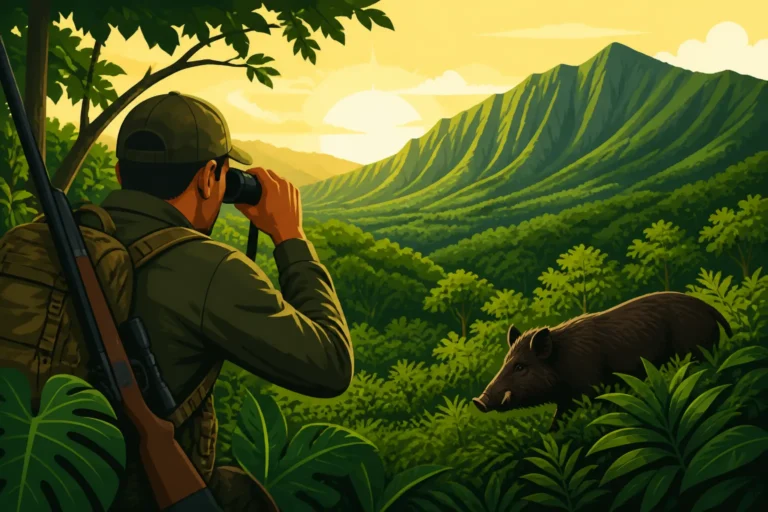
Consider hunting in the Upper Waiakea Forest Reserve on the windward side of the Big Island. Here, you're looking at dense, wet ohia and koa forests, often shrouded in mist and prone to heavy rain. Access might involve navigating deeply rutted 4×4 tracks or simply hiking long distances through thick undergrowth. The primary target will be feral pigs, which thrive in this environment. Your strategy here would likely involve still-hunting slowly, listening intently for rooting noises, or using a good dog team. The challenges include constant moisture, slippery conditions, and limited visibility. It's an immersive experience where you truly feel enveloped by the forest. The reward? A trophy boar or a sow with piglets, and the deep satisfaction of having earned your meat in one of Hawaii's wildest places.
Maui's Leeward Slopes and Forest Reserve Edges
Contrast that with a hunt in the Kula Forest Reserve on Maui's leeward slopes. While parts are still dense, you'll also find drier sections, eucalyptus plantations, and areas bordering ranch lands. Here, you might be targeting pigs and goats, but could also encounter Axis deer along the periphery, especially if the reserve abuts known Axis habitat. The terrain can still be steep and rugged, but the vegetation might be less impenetrable than in a true rainforest. Glassing open slopes and draws from a vantage point could be a viable tactic, followed by a careful stalk. Hunting Maui's Upcountry Axis Deer can sometimes mean hunting these edges. The weather might be less predictably rainy, but the sun can be intense. Your gear strategy would shift slightly, perhaps emphasizing binoculars and rangefinders more, while still being prepared for sudden showers.
Kauai's Remote Canyon Country and Black-Tailed Deer Habitat
On Kauai, the Puu Ka Pele Forest Reserve, bordering the Waimea Canyon, offers a different flavor entirely. Here, you're in rugged canyon country, a mix of dry scrub and patches of deeper forest. This is one of the rare places in Hawaii where you might encounter black-tailed deer, in addition to pigs and goats. Hunting the Waimea Canyon Rim for Deer requires extreme physical fitness to navigate the steep, broken terrain. Glassing across vast canyons for animals on opposing ridges is a key tactic. The challenges include negotiating sheer drops, loose rock, and deep ravines. Water sources can be scarce, so carrying enough is critical. It's a hunt that demands patience, good optics, and excellent physical conditioning, rewarding those who put in the effort with a truly unique Hawaiian hunting experience.
Conclusion
Hunting in Hawaii's Forest Reserves is an unparalleled adventure, a chance to connect with the land, harvest delicious wild game, and actively contribute to the islands' conservation efforts. It's not always easy – the dense terrain, unpredictable weather, and specific regulations demand thorough preparation and respect. But for those willing to put in the effort, to learn the nuances of each unique unit, and to embrace the challenges, the rewards are immense. From the thrill of stalking a pig in a misty rainforest to the satisfaction of a successful goat hunt on a windswept ridge, these experiences forge a deep appreciation for Hawaii's wild beauty. So, do your homework, pack smart, and step into the incredible world of hunting Hawaii's Forest Reserves. You'll not only bring home some of the finest wild meat, but you'll also carry with you memories of an unforgettable journey in paradise.
Disclaimer
This article is for general informational purposes only and does not constitute professional advice. Laws, prices and regulations vary by location and change over time. Consult a qualified professional for guidance on your specific situation.