Hawaii Island’s Forest Reserve Units
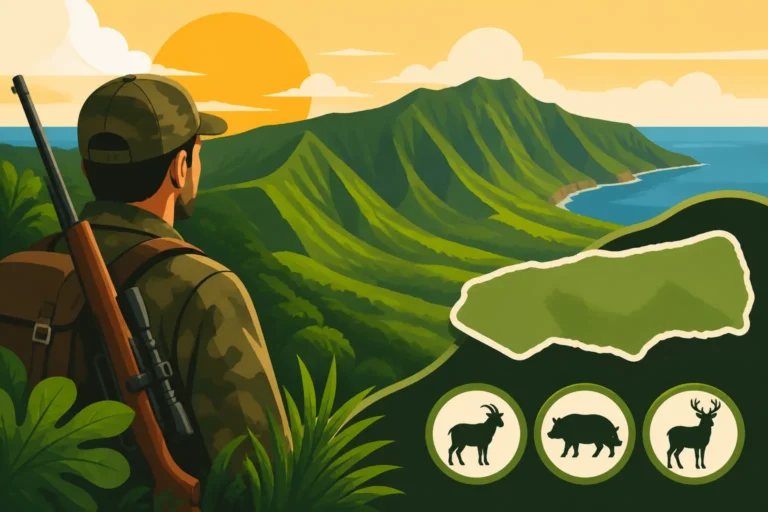
Venturing into the sprawling, often dense, and incredibly diverse forest reserves of Hawaii Island can feel like stepping into another world entirely. Many hunters, especially those new to the islands, find themselves overwhelmed by the sheer scale of the landscape, the dramatic shifts in elevation, and the unique challenges posed by the volcanic terrain and lush, tropical vegetation. This guide aims to demystify Hawaii Island's Forest Reserve Units, breaking down what they are, what to expect, and how to successfully plan and execute a hunt within these remarkable public lands.
Understanding Hawaii Island's Forest Reserve System
Hawaii's Forest Reserves are more than just tracts of trees; they are vital components of the state's natural resource management, playing a critical role in watershed protection, conservation, and, importantly for us hunters, providing significant recreational opportunities. On Hawaii Island, these reserves span vast areas, from the incredibly wet, dense rainforests on the windward side to the drier, more open woodlands on the leeward slopes, encompassing everything from ancient native forests to more recently established plantations.
What Exactly is a Forest Reserve in Hawaii?
Historically, Hawaii's Forest Reserves were established primarily to protect the islands' invaluable watersheds. The native forests act like giant sponges, capturing rainfall and mist from the trade winds, slowly releasing it into underground aquifers that supply the population with fresh water. Without these forests, the islands' water supply would be severely compromised, leading to erosion, drought, and ecological collapse. Over time, while watershed protection remains paramount, these reserves have also become recognized for their recreational potential, including hunting. They are managed with a multi-use approach, balancing conservation goals with public access for activities like hiking, birdwatching, and, yes, responsible hunting. The regulations governing these areas are designed to ensure the long-term health of the ecosystem while allowing for sustainable resource use.
The Role of the DLNR Division of Forestry and Wildlife (DOFAW)
The Hawaii Department of Land and Natural Resources (DLNR), specifically its Division of Forestry and Wildlife (DOFAW), is the primary agency responsible for managing these forest reserves. Their work is extensive, covering everything from habitat restoration, invasive species control (which often includes managing game animal populations through hunting), and wildfire prevention, to overseeing recreational use. When you apply for your Hawaii Hunting Licenses and What They Cost or check in for a hunt, you're interacting directly with the system DOFAW has put in place. They are the ones who set the seasons, determine bag limits, and establish the specific rules for each unit, often in response to ecological surveys and community input. Their ultimate goal is sustainability – ensuring that Hawaii's natural resources are available for future generations, and regulated hunting is a key tool in maintaining that ecological balance.
How Forest Reserves Differ from Other Public Hunting Lands
While all public hunting lands in Hawaii share some common traits, Forest Reserves have distinct characteristics that set them apart from Game Management Areas (GMAs) or Natural Area Reserves (NARs). GMAs are typically established with the explicit primary purpose of game animal management, often featuring more intensive management practices geared towards specific species. NARs, on the other hand, are strictly for the preservation of native ecosystems and often have very limited or no hunting access, with extremely stringent rules when it is allowed. Forest Reserves, by contrast, sit somewhere in the middle. Their primary designation is for watershed and forest health, but hunting is widely permitted as a management tool for introduced species like pigs and goats, which can be highly destructive to native plants and the watershed. This means that while hunting is allowed, it's always within the context of broader conservation objectives. Expect less infrastructure than some GMAs might offer, and a stronger emphasis on self-reliance and environmental respect.
Navigating the Terrain and Ecosystems of Forest Reserves
Hunting in Hawaii Island's Forest Reserves means immersing yourself in incredibly diverse and often challenging terrain. This isn't your typical walk in the woods; it's an adventure through landscapes sculpted by volcanoes and shaped by relentless trade winds and rainfall. Understanding these environments is crucial for planning a successful hunt and, more importantly, for staying safe.
The Diverse Landscapes You'll Encounter
Hawaii Island, being the youngest and largest of the islands, boasts an astonishing array of ecosystems, many of which are represented within its forest reserves. On the windward (east) side, like much of the Hilo Forest Reserve Country, you'll find dense, wet rainforests characterized by towering ohia and koa trees, a thick understory of ferns, hāpuʻu (tree ferns), and invasive strawberry guava or kahili ginger. The ground here is often muddy, uneven, and laced with hidden roots and slippery rocks. Visibility can be limited to mere yards, making still-hunting an exercise in patience and acute senses. In contrast, the leeward (west) side reserves, such as portions of Hunting Puu Waawaa's Forest Reserve, tend to be much drier. Here, you might trek through kiawe (mesquite) thickets, mamane and naio forests, or open grasslands dotted with scattered trees. The ground can be hard-packed lava rock, sharp and unforgiving, or loose volcanic cinder. Elevation changes dramatically too; you might be hunting near sea level or ascending into the cool, thin air of the Hunting Hawaii's High Elevation Alpine Ground. Each landscape demands different gear, different tactics, and a different mindset.
Common Flora and Fauna Beyond Game Animals
While your focus will likely be on game animals, the Forest Reserves are teeming with other life. You'll hear the calls of various introduced birds, see mongoose scurrying across trails, and encounter a dizzying array of native plants, many of which are found nowhere else on Earth. It's important to be able to identify native species, not just for appreciation but also to ensure you're not inadvertently damaging sensitive habitats. For example, koa trees are highly valued for their timber and ecological role, while ohia is a foundational species of the native forest. Understanding the vegetation also helps you predict where animals might be bedding, feeding, or moving. Thick stands of strawberry guava, for instance, often indicate excellent pig habitat, offering dense cover and abundant forage. Knowing which plants are dominant can give you clues about water sources or animal pathways.
The Impact of Invasive Species Within Reserves
One of the central tenets of managing Hawaii's Forest Reserves, and a key reason why hunting is promoted, is the control of invasive species. Feral pigs, goats, and sheep, while providing excellent hunting opportunities, are incredibly destructive to the native ecosystem. Pigs, with their constant rooting, destroy the understory, create mud wallows that spread invasive seeds, and contribute to erosion, impacting the very watersheds the reserves are meant to protect. Goats and sheep browse indiscriminately, devouring native seedlings and preventing forest regeneration, especially on drier slopes. The dense thickets of haole koa, strawberry guava, and kahili ginger choke out native plants, reduce biodiversity, and alter fire regimes. As a hunter, you are an active participant in conservation by helping to manage these populations. This ecological context is important; it underscores the "why" behind Hawaii's hunting regulations and the continuous effort to protect the islands' unique natural heritage.
Key Forest Reserve Units on Hawaii Island for Hunters
Hawaii Island boasts numerous Forest Reserve Units, each offering its own unique hunting experience. Understanding the specifics of a few major ones can help you decide where to focus your efforts, depending on your target species and preferred hunting style. These aren't just names on a map; they represent distinct ecosystems and challenges.
| Forest Reserve Unit | Primary Game Species | Terrain Overview | Access & Challenges |
|---|---|---|---|
| Hilo Forest Reserve | Feral Pig, Feral Goat | Wet, dense rainforest; steep gulches; muddy | Limited road access; extreme humidity; thick vegetation |
| Waiakea Forest Reserve | Feral Pig, Feral Goat | Mixed wet forest to drier uplands; varying slopes | More accessible roads; can be less dense than Hilo |
| Kau Forest Reserve | Feral Pig, Feral Goat | Remote, rugged; deep gulches; thick forest to open areas | Very limited access; often requires long hikes; very remote |
| Puu Waawaa Forest Reserve | Mouflon, Feral Sheep, Feral Goat | Dry leeward slopes; mamane-naio forest; cinder cones |
Good road access to certain areas; popular; requires scouting |
| Mauna Kea Forest Reserve | Mouflon, Feral Sheep | High elevation; alpine desert to mamane forest |
Higher elevation challenges; rough roads; thin air |
Hilo Forest Reserve: The Wet and Wild Windward Side
The Hilo Forest Reserve is a prime example of Hawaii Island's windward, wet forest hunting. This vast area, located above the city of Hilo, receives immense rainfall, creating a true rainforest environment. The hunting here is primarily for Hunting Hawaii's Feral Pigs and some feral goats, which thrive in the dense cover and abundant forage. Expect extremely challenging conditions: thick, tangled vegetation where visibility is minimal, muddy trails, and countless steep-sided gulches and ravines. Hunting Pigs in Hawaii's Rainforest Gulches often involves dog hunting, but still-hunting can also be effective for patient hunters who can move quietly through the dense undergrowth. The constant humidity means everything gets wet, and staying dry and comfortable is a perpetual battle. Access can be limited, with many roads requiring a high-clearance 4WD, and some areas are only truly accessible by hiking in for miles. This unit is not for the faint of heart, but it offers a truly wild experience for those who embrace the challenge.
Waiakea Forest Reserve: A Mix of Habitats and Access
Situated south of the Hilo Forest Reserve, the Waiakea Forest Reserve offers a slightly different experience, often described as a transition zone. While still receiving considerable rainfall, it tends to be a bit less extreme in its wetness than the Hilo FR, with areas that transition to drier, more open forest types. This variation means hunters can find pigs and goats in a wider range of habitats. Access points may be a bit more numerous, and while 4WD is still highly recommended for many areas, some sections might allow for easier entry. This makes Waiakea a potentially good option for hunters looking for a slightly less arduous introduction to forest reserve hunting compared to the deepest parts of Hilo. However, don't underestimate it; pigs and goats are still plentiful, and the terrain remains rugged and demanding. You'll still be Reading Pig Sign Along a Muddy Trail and navigating dense cover, but perhaps with a bit more breathing room between gulches.
Kau Forest Reserve: Remote and Rugged Southern Hunting
Located in the expansive southern region of Hawaii Island, the Kau Forest Reserve encompasses a vast, often very remote, and rugged landscape. This unit is known for its challenging access and its sheer wildness. Hunters here primarily pursue feral pigs and goats. The terrain can range from dense forests, similar to the windward side, to more open, rocky areas scarred by old lava flows. What sets Kau apart is its scale and the commitment required to hunt it. Many areas are deep within the reserve, requiring long hikes or specialized vehicle access over unmaintained tracks. This remoteness often translates to less hunting pressure in certain pockets, potentially offering opportunities for larger, less disturbed animals. Packing meat out of these distant areas, especially if you're alone, is a serious consideration. This is a unit for experienced hunters who are comfortable with self-sufficiency and extensive backcountry travel.
Puu Waawaa Forest Reserve: Leeward Slopes and Unique Opportunities
On the dryer, leeward slopes of Mauna Kea and Hualalai, the Puu Waawaa Forest Reserve offers a stark contrast to the wet windward reserves. This area is famous for its Mouflon Sheep Hunting on Hawaii Island, as well as feral goats and feral sheep. The landscape is characterized by its mamane-naio forest, scattered grasslands, and distinctive cinder cones. It’s an incredibly scenic area, but the hunting is demanding. Mouflon and feral sheep are wary animals, often found on open slopes where keen glassing skills are essential for Glassing a Lava Flow for Mouflon Rams. Access to Puu Waawaa is relatively good via established roads, but hunting within the unit often involves significant elevation gain and traversing rough, rocky terrain. Hunting Puu Waawaa's Archery Season is a popular draw, and specific seasons and bag limits apply here, making it crucial to check the current regulations carefully. This reserve offers a truly unique big game hunting experience on Hawaii Island.
Mauna Kea Forest Reserve: High-Elevation Challenges and Rewards
Ascending the flanks of Mauna Kea, you enter the Mauna Kea Forest Reserve, a high-elevation environment that presents a completely different set of challenges. Here, the air is thin, the weather can change in an instant, and the landscape transitions from mamane forests to alpine desert. This is another prime area for mouflon and feral sheep. Hunting Mouflon in Mauna Kea's Thin Air requires excellent physical conditioning and preparedness for cold, wind, and potentially snow. Access is primarily via the Mauna Kea Access Road and various unpaved tracks, some of which require true off-road capabilities. The hunt often involves extensive glassing of vast, open slopes and then long, strenuous stalks in difficult terrain. Understanding how these animals use the high-elevation habitat, particularly around tree lines and water sources, is key to success. This reserve offers some of the most spectacular hunting scenery in Hawaii, but it demands respect for its unforgiving environment.
Essential Logistics: Access, Permits, and Regulations
Hunting in Hawaii Island's Forest Reserves isn't just about knowing where the animals are; it's also about understanding and adhering to the logistical framework set by DOFAW. Skipping a step here can lead to fines, loss of hunting privileges, or even dangerous situations.
Obtaining Your Hawaii Hunting License and Permits
Before you even think about setting foot in a Forest Reserve with a weapon, you need to ensure all your paperwork is in order. This starts with a valid Hawaii hunting license. For residents and non-residents alike, this is the foundational requirement. You can typically purchase your license online through platforms like the state's GoHunt Hawaii system or at authorized vendors. Beyond the general license, many Forest Reserve Units require specific permits or tags, especially for drawn hunts like those for mouflon sheep or axis deer (though axis deer are not typically found in Hawaii Island's Forest Reserves). It's crucial to check the specific regulations for the unit you intend to hunt and the species you're targeting. For example, some units might have year-round pig and goat seasons that only require your general license, while others, particularly for sheep, operate on a limited draw system. Always double-check Hawaii Game Mammal Seasons and Hawaii's Permit-Tag System Works well in advance of your planned trip. Don't forget that if you're new to hunting or a non-resident, you'll also need to meet Hawaii Hunter Education Requirements.
Checking In and Out: Why It's Crucial
One of the most important, and sometimes overlooked, aspects of hunting Hawaii's public lands is the mandatory check-in and check-out procedure. For nearly all public hunting units, including Forest Reserves, you are required to sign in before you begin your hunt and sign out when you leave. This isn't just a bureaucratic hurdle; it's a vital safety measure and a critical data collection point for DOFAW. The check-in system allows DOFAW to track hunter numbers, understand hunting pressure, and, most importantly, know who is in the field in case of an emergency. If you don't check out, it could trigger a search and rescue operation. Many units now use the Using the OuterSpatial App to Check In system, allowing you to use your smartphone, but paper check stations are still common, especially in more remote areas. Always confirm the specific check-in method for your chosen unit and ensure you follow it diligently. Checking In and Out of Hawaii Hunting Units is a non-negotiable part of responsible hunting here.
Vehicle Access, Parking, and Trail Etiquette
Accessing many Forest Reserve Units often involves traversing unpaved roads, some of which can be extremely rough, muddy, or rocky. A high-clearance 4WD vehicle is not just recommended but often essential, especially on the windward side or in high-elevation areas. Always check road conditions before heading out, as heavy rains can quickly render some tracks impassable. Parking is usually designated near check stations or at specific trailheads; never block gates or private access roads. When on foot, stick to established trails where possible, especially in sensitive areas, to minimize your impact. Be mindful of other users – hikers, birdwatchers, and other hunters – and always practice respectful trail etiquette. Leave no trace, pack out all your trash, and avoid disturbing any cultural sites you might encounter.
Utilizing Mapping Tools for Forest Reserves
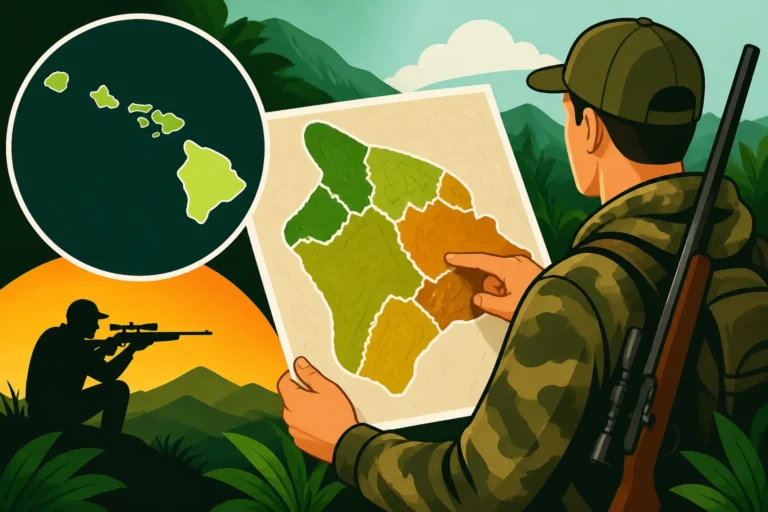
Given the complex and often remote nature of Hawaii Island's Forest Reserves, reliable navigation is paramount. Traditional paper maps are a good starting point, but digital mapping tools have become invaluable for hunters. Services like onX Hunt provide detailed topographical maps, satellite imagery, and critical land ownership information that can be downloaded for offline use – a must, as cell service is often nonexistent in these remote areas. With onX Hunt, you can pinpoint your exact location, mark waypoints for game sign or important landmarks, track your route, and clearly see public vs. private land boundaries. This is especially useful for understanding Hunting Hawaii's Fenced Conservation Boundaries or knowing precisely when you are nearing a closed area. Always carry a compass and know how to use it as a backup, but leveraging modern mapping technology can significantly enhance your safety and effectiveness in these challenging environments.
Game Species and Hunting Strategies Within Forest Reserves
The primary game animals you'll encounter in Hawaii Island's Forest Reserves are feral pigs, feral goats, and mouflon/feral sheep. Each species offers a unique hunting experience, requiring different strategies adapted to the specific terrain and behavior.
Feral Pigs: The Ubiquitous Forest Dweller
Feral pigs are the most widespread game animal across Hawaii Island's Forest Reserves, found in nearly every unit from the wet windward forests to the drier leeward slopes. They are incredibly adaptable and can be notoriously elusive. In the dense rainforests of Hilo or Kau, Still-Hunting Pigs in Hawaii's Wet Forest requires immense patience and keen senses. Listen for their rooting sounds, the rustling of leaves, or the distinct musky odor. Hunting with dogs is also a very popular and often effective method for pigs in thick cover, where bay dogs locate and hold the pig, and catch dogs or hunters move in for the dispatch. On the drier side, pigs might be found near water sources or in thicker pockets of vegetation. Reading Pig Sign Along a Muddy Trail, such as tracks, rubs, and fresh rooting, is crucial to understanding their movements. Remember, pigs are largely nocturnal or crepuscular, so hunting early morning or late afternoon often yields the best results.
Feral Goats and Sheep: Where to Find Them in Reserves
Feral goats are also found across various Forest Reserves, particularly on more rugged, steep, and rocky terrain, including coastal cliffs and deep gulches. They are incredibly agile and can be challenging to approach. While present on both the wet and dry sides, they tend to prefer the more open, drier slopes or the sheer faces of gulches where they can spot predators (or hunters) from a distance. Hunting Hawaii's Feral Goats often involves extensive glassing from a vantage point, spotting them moving at first light or late in the day. A patient stalk, often through very difficult terrain, is usually required.
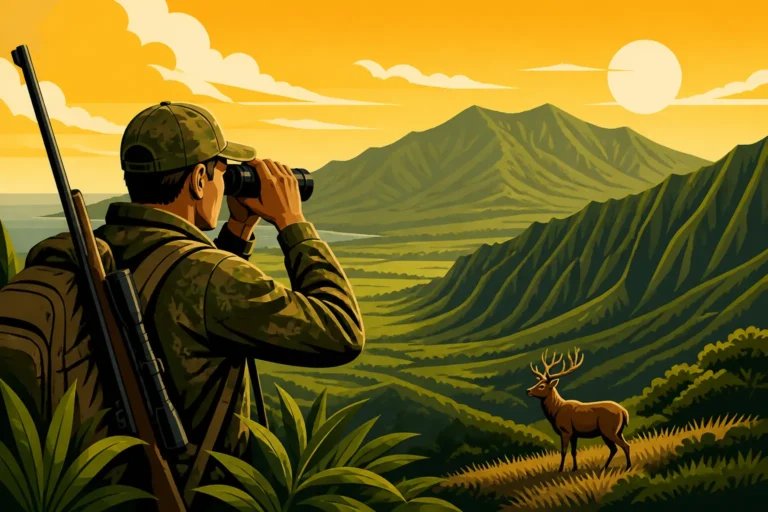
Mouflon sheep and feral sheep hybrids are primarily concentrated in the drier, higher elevation Forest Reserves on the leeward slopes of Mauna Kea and Hualalai, particularly in units like Puu Waawaa and Mauna Kea. These majestic animals thrive in the more open mamane-naio forests and alpine grasslands. Hunting Mouflon on Hawaii's Highest Slopes demands strong optics, excellent physical fitness, and a strategic approach. They are extremely wary and have exceptional eyesight. Spot-and-stalk is the quintessential method here, often involving long-range glassing sessions from prominent ridges or cinder cones, followed by extended, cautious approaches. Understanding their bedding areas, feeding patterns, and escape routes is vital.
Game Birds: A Different Kind of Challenge
While big game often takes center stage, several Forest Reserves also offer opportunities for Hawaii Game Bird Hunting. Species like Ring-necked Pheasant, Erckel's Francolin, Gray Francolin, Chukar Partridge, and various doves can be found in different habitats within these reserves, particularly in more open or transition zones. Hunting game birds usually involves walking-up birds with or without a dog. This can be a physically demanding hunt, covering many miles over uneven terrain. For instance, Chukar Hunting Hawaii Island's High Country often means traversing steep, rocky slopes at elevation. Hunting Erckel's Francolin in Tall Grass or Hunting Ring-Necked Pheasant on Hawaii Island might occur in the fringes of the forest, near old pastures or overgrown clearings. Seasons and bag limits vary significantly by species and unit, so checking the current Hawaii Game Bird Seasons and Bag Limits is essential. Shotguns are the legal weapon of choice for most bird hunting.
Recommended Hunting Techniques for Forest Reserve Conditions
Given the varied terrain, adaptable strategies are key.
- Spot-and-Stalk: This is incredibly effective for sheep and goats in open country like Puu Waawaa or Mauna Kea. Good binoculars and a spotting scope are indispensable. Spend significant time glassing before moving.
- Still-Hunting: For pigs in dense cover, slow, deliberate movement is critical. Pay attention to wind direction, as pigs have an incredible sense of smell. Listen intently for subtle sounds.
- Dog Hunting: For pigs, especially in thick, wet forest, a well-trained pack of dogs can dramatically increase your success rate and reduce the physical effort of tracking. However, Hawaii Dog Hunting Rules are specific and must be followed.
- Stand Hunting/Ambush: While less common than in mainland hunting, finding a natural funnel, a well-used game trail, or a water source in dry areas can present ambush opportunities, particularly for pigs.
- Calling: For axis deer (not common in Big Island Forest Reserves but a good general tactic), a fawn bleat can be effective. For pigs, a distress call can sometimes draw them in, but it's less reliable than other methods.
Regardless of the technique, physical fitness is a major asset. You’ll be navigating difficult terrain, often with significant elevation changes, and potentially packing out heavy game for miles.
Challenges and Rewards of Forest Reserve Hunting
Hunting in Hawaii Island's Forest Reserves is not for the faint of heart. It demands preparation, resilience, and a deep respect for the land. Yet, for those willing to embrace the challenge, the rewards are immense and deeply satisfying.
Dealing With Extreme Weather and Terrain
The biggest challenge in Hawaii's Forest Reserves is undoubtedly the extreme weather and varied terrain. On the windward side, you'll battle relentless rain, suffocating humidity, and treacherous mud. Your gear will get wet, you'll sweat constantly, and footing will be uncertain. On the leeward side and at higher elevations, it can be scorching hot and dry one moment, then cold and windy with dense fog the next. You might find yourself Walking Rough Lava Without Wrecking Your Boots or Staying Found in Dense Hawaii Rainforest where visibility is next to zero. Proper layering, high-quality rain gear, and durable, comfortable hiking boots are non-negotiables. Always carry plenty of water, even in wet areas, as finding potable water can be difficult. Emergency preparedness, including a first-aid kit, a reliable navigation device (like onX Hunt with downloaded maps), and a way to signal for help (satellite messenger, whistle), is crucial, especially when there's No Cell Signal on a Hawaii Hunt. Be realistic about your physical abilities; these hunts are demanding.
Respecting Cultural Sites and Conservation Efforts
Hawaii is a place rich in history and culture, and many Forest Reserves contain ancient trails, heiau (temples), or other archaeological sites. It is absolutely critical to treat these areas with the utmost respect. If you encounter what appears to be a cultural site, do not disturb it, and give it a wide berth. These lands are also managed for conservation, particularly the protection of native plants and endangered species. Hunters play a vital role in this by targeting invasive game animals, but it's equally important to minimize your overall footprint. Stick to trails where appropriate, pack out everything you pack in, and avoid unnecessary disturbance to the native ecosystem. Understand that public lands in Hawaii are shared resources, and demonstrating respect for the land, its history, and other users helps ensure that hunting continues to be a permitted activity.
The Unique Satisfaction of a Successful Forest Reserve Hunt
Despite all the challenges – the mud, the sweat, the steep climbs, the thick brush – a successful hunt in Hawaii Island's Forest Reserves is incredibly rewarding. There's a profound sense of accomplishment that comes from harvesting an animal in such a wild and beautiful, yet demanding, environment. The meat you bring home will be a direct result of your effort and resilience, often from animals that are actively impacting the native ecosystem. Beyond the harvest, there's the unparalleled experience of immersing yourself in Hawaii's unique natural landscapes, hearing the sounds of the rainforest, feeling the cool mountain air, or gazing across vast lava flows. It's an opportunity to connect with the land on a primal level, to understand the intricate balance of its ecosystems, and to appreciate the privilege of pursuing game in such an extraordinary place. The stories, the memories, and the hard-won experience gained from a Forest Reserve hunt on Hawaii Island are truly unforgettable.
Disclaimer
This article is for general informational purposes only and does not constitute professional advice. Laws, prices and regulations vary by location and change over time. Consult a qualified professional for guidance on your specific situation.