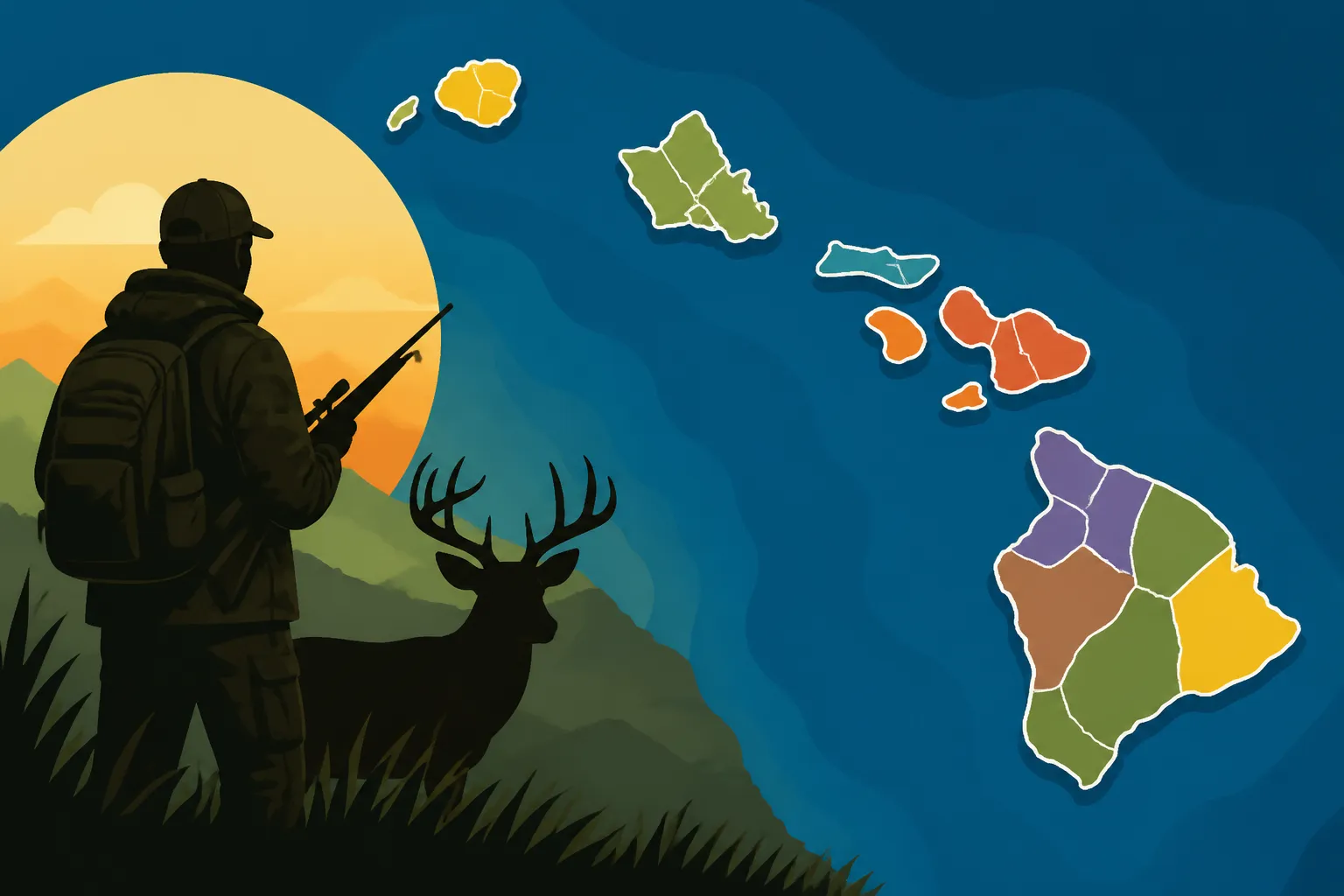
Hawaii’s Hunting Units and Where They Are
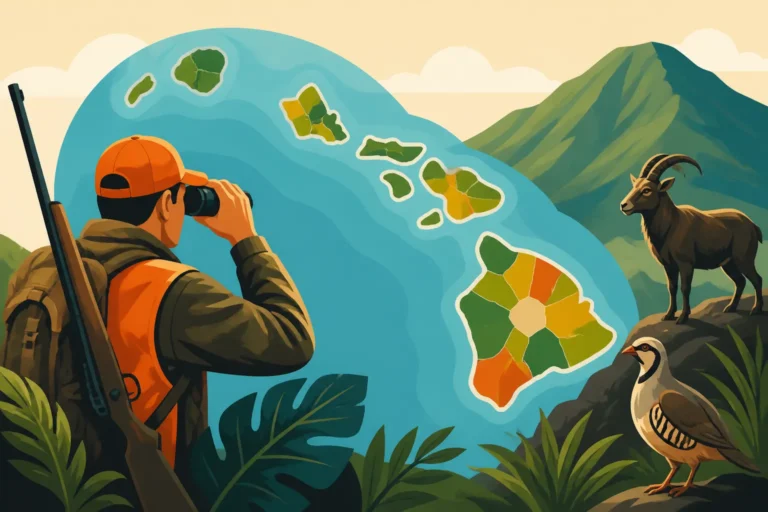
It can feel overwhelming trying to figure out where you're even allowed to hunt in Hawaii, especially when you're used to a more straightforward public land system on the mainland. The islands' unique blend of public reserves, game management areas, and the intricacies of accessing them can make planning a hunting trip feel like deciphering an ancient map. This guide is here to untangle the complexities of Hawaii's hunting units, explaining how they're structured, what you can expect in each, and how to navigate the system to make your next island hunt a success.
Understanding the Hawaii Hunting Unit System
Hawaii's hunting landscape is quite distinct from many mainland states. Instead of vast tracts of national forest or BLM land, you'll find a patchwork of public areas managed by the Department of Land and Natural Resources (DLNR) Division of Forestry and Wildlife (DOFAW). These aren't just generic "public lands"; they're specifically designated hunting units, each with its own rules, seasons, and species. It's crucial to understand this foundational structure before you even think about packing your gear.
The Role of DOFAW in Unit Management
DOFAW is the primary authority overseeing all public hunting in Hawaii. They're the ones who establish the boundaries for each hunting unit, determine which species can be hunted there, set seasons, bag limits, and dictate the legal methods of take. This isn't just about providing recreational opportunities; it's a critical part of their broader conservation efforts to manage introduced game species that can impact native ecosystems. For instance, in areas like the Kipuka-Ainahou Game Management Area on Hawaii Island, DOFAW actively manages feral pigs and goats to protect vulnerable native forests. Their decisions, announced through annual hunting proclamations, are the law of the land for hunters.
It’s easy to get frustrated when seasons shift or units close unexpectedly, but remember that DOFAW is constantly assessing animal populations, habitat conditions, and sometimes even public safety concerns like wildfires or active volcanic activity. Staying updated with their official announcements, often found on their website, is your best defense against showing up to a closed unit. This dynamic management approach means what was open last year might be closed this year, and vice-versa, which is why a current understanding of the regulations is paramount.
How Hunting Units Are Designated
Hawaii's hunting units are typically designated based on geographic features, ecological zones, and sometimes historical land use. You'll find units within Forest Reserves, Game Management Areas (GMAs), Natural Area Reserves (NARs — with very specific, often restricted, hunting allowances), and even Cooperative Game Management Areas (CGMAs) which involve agreements with private landowners. Each of these designations comes with its own set of rules, often dictating access, allowed weapons, and species.
For example, a unit within a high-elevation Forest Reserve might be managed for mouflon sheep, while a coastal GMA might focus on feral goats. The type of land directly influences the species present and the challenges hunters face. Understanding these designations helps you anticipate the terrain, vegetation, and likely game animals you'll encounter. It also dictates things like whether vehicle access is allowed or if you're strictly Hunting Hawaii on Foot Without a Truck.
Types of Public Hunting Areas
When you look at a Hawaii hunting map, you'll see a mix of designations. Forest Reserves are state-owned lands, often vast, and can be quite challenging due to dense vegetation or steep terrain. Game Management Areas are specifically set aside for hunting and wildlife conservation, typically with clearer rules and boundaries, though still demanding. Cooperative Game Management Areas (CGMAs) are fascinating; these are private lands where the landowner has agreed to allow public hunting under specific DOFAW regulations, often requiring special permits or reservations.
Then there are Natural Area Reserves (NARs), which are primarily for the preservation of rare native ecosystems. Hunting in NARs is usually highly restricted, often limited to specific seasons, methods, and for particular invasive species that threaten the reserve's integrity. It's not uncommon for these areas to have very limited quotas or special permit requirements. Knowing the difference between these types of areas is critical, as assuming the rules for a Forest Reserve apply to a NAR could lead to serious trouble. Always double-check the specific unit rules before you go.
Hawaii Island's Diverse Hunting Units
The Big Island, Hawaii Island, is a microcosm of the state's diverse hunting opportunities, boasting everything from high-altitude volcanic slopes to dense rainforests and dry leeward plains. Its units reflect this incredible variety, offering hunts for mouflon sheep, feral pigs, and goats. The sheer size of the island also means less hunting pressure in some remote units compared to smaller islands, but it also means immense physical challenges.
High Elevation Mouflon Units
On the slopes of Mauna Kea and Mauna Loa, you'll find the iconic mouflon sheep hunting units. These are challenging, high-elevation environments, often above the cloud line, where the air is thin and the terrain is rugged lava rock. Units like Unit A on Mauna Kea or parts of the Mauna Loa Forest Reserve offer opportunities for rams with impressive horn curls. These hunts are typically drawn hunts, making them highly sought after.
Hunting here means preparing for extreme weather, from freezing temperatures and driving rain to intense sun. The landscape is primarily mamane-naio forest interspersed with vast lava flows, which can be brutal on boots and knees. Success often hinges on spotting sheep from a distance and planning a strategic Spot-and-Stalk Tactics on Open Country approach through broken terrain. Understanding the habits of Mouflon in Mauna Kea's Thin Air is paramount, as they behave differently than low-elevation game.
Leeward Dryland Axis and Goat Country
The leeward side of Hawaii Island, particularly areas like Puu Anahulu Game Management Area and parts of the Pohakuloa Training Area (when open to public hunting), offers a stark contrast to the high-elevation zones. Here, the landscape is dry and arid, characterized by kiawe and open grasslands, perfect habitat for feral goats and, in some rare instances, axis deer that have made their way over. Goat hunting on the Big Island can be particularly exhilarating, often involving navigating steep gulches and tracking herds along ancient lava flows.
These units demand excellent optics for glassing open expanses and plenty of water for hydration in the relentless sun. Goats are incredibly wary and use the broken terrain to their advantage, often disappearing into nooks and crannies of the lava. Hunters here might find themselves Hunting Goats in Hawaii's Canyon Country or tracking them along dry washes. While axis deer are primarily known on Maui Nui, pockets may exist, requiring hunters to be opportunistic and informed about specific unit regulations.
Windward Pig and Bird Havens
Move to the windward side of Hawaii Island, and the landscape transforms into lush, often rain-soaked rainforests. Units like the Hilo Forest Reserve, Waiakea Forest Reserve, and parts of the Panaewa Zoo area (when designated for hunting) are prime territory for feral pigs. These dense, wet forests are a completely different hunting experience, favoring still-hunting or dog-and-knife techniques. The same areas also host various game birds, making them popular for shotgunners during bird seasons.
Hunting Pigs in Hawaii's Rainforest Gulches involves navigating thick undergrowth, slippery mud, and constant moisture. Persistence is key, as pigs often hold tight in dense cover. For bird hunters, these windward units offer a chance at kalij pheasant, francolin, and even doves in more open agricultural edges. The challenge here is not just finding the birds but traversing the demanding terrain. Being prepared for heavy rain and humidity is non-negotiable for anyone venturing into these units.
Maui County: Axis Deer and Upland Opportunities
Maui, along with its sister islands of Lanai and Molokai (which we'll cover separately), forms Maui Nui, known primarily for its abundant axis deer. However, Maui itself offers more than just deer, with substantial opportunities for pigs and goats, particularly in its upland forest reserves and steeper slopes. Understanding Maui's units is essential for planning a successful hunt for its diverse game.
Maui's Year-Round and Seasonal Units
Maui presents a mix of year-round hunting units for pigs and goats, and seasonal units, primarily for axis deer. The year-round units, such as parts of the Kahikinui Forest Reserve or the West Maui Forest Reserve, are often rugged, thick, and require considerable effort, making them less pressured than deer-specific areas. These are excellent places to pursue Still-Hunting Pigs in Hawaii's Wet Forest or stalk goats on steep, brushy slopes.
The seasonal units are typically where the action for axis deer heats up. These include areas like the Kula Forest Reserve and the Polipoli Spring State Recreation Area. These units are often subject to specific archery, muzzleloader, or rifle seasons, and sometimes demand special permits or even drawn hunts, especially for prime buck tags. The key is to stay current with the annual DOFAW proclamations for Maui's Year-Round and Seasonal Units, as these dates and rules can change.
Kula and Kahikinui Slopes
The Kula and Kahikinui regions on the leeward slopes of Haleakala offer some of Maui's most renowned hunting. Kula, with its cooler, higher elevation and mix of pine and eucalyptus forests alongside open pastures, is a classic axis deer habitat. This area provides excellent opportunities for Spot-and-Stalk Axis Deer in Hawaii, particularly in the more open sections and along forest edges. The terrain here can be steep but is generally more open than the thick rainforests of other islands.
Further down and to the south, Kahikinui is a vast, dry, and exceptionally rugged area. It's a challenging unit, characterized by kiawe thickets, cinder cones, and steep gulches dropping towards the coast. While axis deer are present, especially near water sources during dry periods, Kahikinui is also prime goat country. The remoteness and difficulty of access mean that hunters willing to put in the effort can find unpressured animals. It's a place where meticulous scouting and physical endurance truly pay off.
West Maui Challenges
West Maui offers a different kind of challenge. While perhaps not as famed as the Kula or Kahikinui areas for axis deer, units within the West Maui Forest Reserve hold healthy populations of feral pigs and goats. This region is characterized by steep, heavily vegetated ridges and deep valleys, often shrouded in cloud and moisture. Access can be difficult, with few established trails and incredibly dense undergrowth.
Hunting here is an exercise in determination. Expect to deal with slippery footing, thick guava, and dense ferns. Hunting Pigs in Hawaii's Rainforest Gulches is a common tactic here, often requiring the use of good pig dogs. Goats can be found on the steeper, rockier faces. While the trophy potential might not rival some other islands, the experience of a deep dive into West Maui's wilderness is uniquely rewarding. It’s a true test of physical and mental grit.
Molokai and Lanai: Island-Specific Unit Challenges
Molokai and Lanai, often grouped under "Maui County" for administrative purposes, each possess highly distinct hunting unit systems. These islands are famous for their axis deer populations, and hunting opportunities are highly regulated, often involving drawn hunts and very specific access protocols.
Molokai's Unique Axis and Pig Units
Molokai is known for producing some of the largest axis deer in Hawaii, earning it the nickname "The Friendly Isle" for its aloha spirit and impressive bucks. Hunting units here are primarily found in the Molokai Forest Reserve and various ranch lands that permit public access under DOFAW guidelines or through private arrangements. The terrain varies from dry, open pastures to dense, humid valleys. Hunting Molokai's Big-Bodied Axis Bucks is a dream for many, but it requires understanding the island's unique rhythms.
Many units are accessible via a combination of paved roads and rough 4×4 tracks, but once you leave the vehicle, prepare for rugged, often steep terrain. Feral pigs are also plentiful in Molokai's wetter valleys and gulches, offering exciting dog-and-knife hunting opportunities. Hunters visiting Molokai often combine their public land pursuits with options for Getting Onto Molokai Private Land through local outfitters, which can provide a more consistent experience.
Lanai's Drawn Hunt System
Lanai is perhaps the most famous axis deer destination in Hawaii, but its public hunting is almost entirely managed through a highly competitive drawn hunt system. Units on Lanai, like Unit One, are primarily comprised of open, dry country with kiawe flats, gulches, and scattered stands of ironwood and pine. The quality of axis deer here is exceptional, and it's not uncommon to see large herds.
The challenge on Lanai isn't finding deer, but drawing a tag. How the Lanai Axis Deer Draw Works is a crucial piece of information for anyone hoping to hunt here. These hunts are typically weekend-only, highly regulated, and require hunters to check in and out meticulously. Hunting Lanai Without a Guide is a popular option for those lucky enough to draw a tag, and the open terrain makes glassing and spot-and-stalk tactics very effective. Be prepared for strong winds and intense sun in these open units.
Public vs. Private on Smaller Islands
On islands like Molokai and Lanai, the line between public and private land can sometimes feel a bit blurry, and knowing the distinction is critical. While both islands offer public hunting opportunities through DOFAW, a significant portion of the prime habitat is often managed by large private landowners. For example, large portions of Lanai are owned privately, and while some are opened up for public hunting via the drawn system, much remains exclusively for guided or private access.
This means that simply looking at a map might not tell the whole story. Hunters might find public units that border expansive private ranches. Understanding these boundaries, often clearly marked by fencing or signs, is paramount to avoiding trespass issues. Tools like onX Hunt can be incredibly valuable here, providing detailed parcel data that distinguishes public from private land. It's often the case that private land offers year-round hunting options for those willing to pay a trespass fee or book a guided hunt, whereas public land on these islands is almost exclusively managed through limited seasons and draws.
Oahu and Kauai: Opportunities on Densely Populated Islands
Even on Hawaii's most populated islands, Oahu and Kauai, dedicated hunters can find rewarding opportunities for game. While these islands don't host axis deer or mouflon, they offer excellent pig and goat hunting, along with Kauai's unique black-tailed deer population. The units here are often closer to urban areas but quickly transition into rugged wilderness.
Oahu's Forest Reserves and Pig Hunting
Oahu, home to Honolulu, might seem an unlikely hunting destination, but its interior mountain ranges – the Waianae and Koolau – hold substantial populations of feral pigs. Units within the Ewa Forest Reserve, Waianae Kai Forest Reserve, and Mokuleia are popular spots. These units are characterized by steep, heavily forested ridges, deep gulches, and often dense, invasive vegetation like strawberry guava and thick ferns.
Hunting Oahu's Public Ridges can be physically demanding, requiring hunters to navigate steep ascents and descents. While dog-and-knife hunting is prevalent, still-hunting is also effective for persistent hunters. It's a hunt that demands patience and knowledge of pig habits in thick cover. Access points can sometimes be limited, and parking might be competitive, especially on weekends. It's a true test of a hunter's ability to adapt to challenging, close-quarters hunting.
Kauai's Black-Tailed Deer Units
Kauai is unique among the Hawaiian islands as it hosts a population of black-tailed deer, in addition to plentiful pigs and goats. These deer are found primarily in the rugged Kokee and Na Pali-Kona Forest Reserve areas, particularly around Waimea Canyon. Hunting for these deer is a challenging endeavor, often requiring serious physical conditioning and an ability to navigate extremely steep and broken terrain. Hunting Black-Tailed Deer in Kokee is a distinct experience, as these deer are wary and hold tight in the thick vegetation of the canyon rim.
The units here are characterized by deep canyons, dense forests, and dramatic cliffs. Black-tailed deer seasons on Kauai are typically limited to rifle and muzzleloader days, often on weekends. Goat hunting is also popular on the island, especially along the steep coastal cliffs and within the canyon systems. Understanding the various units that cover the Waimea Canyon Rim for Deer is essential, as access points and specific regulations can vary.
Accessing Remote Spots on Kauai
While Kauai has public hunting units, many of the prime spots for deer, pigs, and goats are in extremely rugged and remote areas. The Waimea Canyon, often called the "Grand Canyon of the Pacific," exemplifies this. Access often means long hikes, navigating unmaintained trails, or even using steep, old logging roads. Hunters must be self-sufficient and prepared for minimal cell service.
For those willing to put in the effort, these remote areas offer a truly wild experience with less hunting pressure. Scouting is crucial, and mapping tools like onX Hunt become indispensable for understanding topography, boundaries, and potential travel routes. It's also vital to be aware of the limited road access, as many areas require walking in for miles. This island truly rewards the adventurous hunter willing to tackle its challenging landscape.
Navigating Unit Boundaries and Access
Understanding where to hunt is only half the battle; knowing how to get there, stay within boundaries, and comply with access rules is equally vital. Hawaii's units, with their often irregular shapes and varying access points, demand careful attention to detail.
Using Maps and Technology
Gone are the days when a paper map and compass were your only tools. While traditional navigation skills are still invaluable, modern technology has revolutionized how hunters navigate Hawaii's complex units. Digital mapping applications, particularly those designed for hunting like onX Hunt, are absolute game-changers. These apps allow you to download offline maps, showing unit boundaries, private land parcels, trails, and access roads directly on your phone, even when you have no cell signal. This is critical in areas where No Cell Signal on a Hawaii Hunt is common.
Before heading into the field, always cross-reference your digital maps with official DOFAW unit maps, which can usually be found on their website or at local DOFAW offices. Sometimes, the digital boundaries may differ slightly from the most current official state maps. Having multiple sources ensures you're on the right track and prevents accidental trespass onto private land or into closed areas. Printing out a hard copy of the official map, even if you rely primarily on digital, provides a crucial backup.
Permits, Check-In, and Check-Out
Almost every public hunting unit in Hawaii requires hunters to check in and check out, regardless of whether you harvest an animal. This system is crucial for DOFAW to monitor hunting pressure, gather harvest data, and ensure hunter safety. For many units, this involves physically signing in at a designated hunter check station, often located at the unit entrance. However, more and more units are transitioning to digital check-in/out systems.
The OuterSpatial app is becoming the standard for digital check-ins for many Hawaii units. This app allows you to register for your hunt, mark your entry and exit points, and even report your harvest directly from your smartphone. It's convenient but requires you to have a charged phone and be familiar with the app. Always confirm whether your chosen unit requires a physical check-in card or allows the app. Forgetting to Checking In and Out of a Hawaii Unit can result in fines or loss of hunting privileges, so take this rule seriously. You also need to ensure you have the correct Hawaii Hunting Licenses and What They Cost and any required How Hawaii's Permit-Tag System Works.
Roads, Trails, and Remote Access
Accessing Hawaii's hunting units can range from straightforward drives on paved roads to arduous journeys requiring 4×4 vehicles, long hikes, or even helicopter charters. Many units have established dirt roads or old logging trails, but these can quickly deteriorate due to heavy rains or lack of maintenance, becoming impassable without a high-clearance, four-wheel-drive vehicle. Always research road conditions before you go, especially if hunting during the rainy season.
Some of Hawaii's most productive units, particularly those in deep gulches or on remote ridges, require significant effort to reach. These "walk-in" units often see less pressure but demand excellent physical conditioning and preparedness for Packing Meat Out of a Hawaii Gulch. For truly remote or difficult-to-access areas, a Helicopter Access for Remote Hawaii Hunts might be an option, though this comes with significant cost. Plan your access strategy carefully, considering your vehicle, physical fitness, and the amount of gear you'll need to carry.
Key Considerations for Planning Your Unit Hunt
Successfully hunting Hawaii's units requires more than just knowing where to go; it demands careful planning around weather, physical fitness, and respect for the local environment and community. These are not "easy" hunts, and underestimating the islands can lead to a frustrating, or even dangerous, experience.
Seasonality and Weather Impacts
Hawaii's weather can be dramatically different from one side of an island to another, and from sea level to high elevations. A unit on the windward side might be receiving daily torrential downpours, while a leeward unit on the same island is bone dry. This directly impacts animal behavior, access, and hunter comfort. For example, Hunting a Hawaii Unit After Heavy Rain can mean slippery trails and swollen streams, but also refreshed game trails and active pigs. Conversely, Hunting a Hawaii Unit in Drought will see animals concentrating near dwindling water sources.
Seasons for different species also vary widely by island and unit. Axis deer on Maui may have a year-round season in some units, while mouflon on the Big Island are often restricted to specific drawn hunts. Always check the Hawaii Game Mammal Seasons and Hawaii Game Bird Seasons and Bag Limits for your specific target species and unit. Planning your trip during the right season for your quarry, and understanding the typical weather patterns for that time of year in your chosen unit, is absolutely crucial.
Physical Demands and Preparation
No matter which island or unit you choose, hunting in Hawaii is physically demanding. The terrain is often steep, uneven, and covered in dense, unforgiving vegetation or jagged lava rock. Humidity can be high, and temperatures, even in winter, can be warm. Carrying a heavy pack, climbing steep ridges, and battling through thick brush while maintaining awareness is a serious workout. Fitness for a Steep Hawaii Hunt is not just a suggestion; it's a necessity for an enjoyable and safe experience.
Proper footwear is paramount; you'll need sturdy, broken-in boots with excellent ankle support that can handle mud, rocks, and water. Hydration is another critical factor, especially in dry, open units. Always carry more water than you think you'll need. Prepare for quick weather changes by packing layers and good rain gear. Don't underestimate the physical toll; many hunters accustomed to flatter or less vegetated terrain are surprised by the challenge Hawaii presents.
Respecting Local Culture and Regulations
Hawaii is a place with a rich culture and a strong sense of place, and hunting here is interwoven with those traditions, as well as complex land management issues. As a hunter, whether a resident or a visitor, it's vital to approach your experience with respect. This means adhering strictly to all hunting regulations, which are designed to manage game populations and protect sensitive ecosystems. It also means respecting private property and local communities.
Always pack out everything you pack in, and perhaps even more. Leave no trace. Be mindful of noise, especially near residential areas or popular recreational spots. Engage respectfully with local hunters you encounter; many are generous with their knowledge if approached with aloha. Remember that Hawaii's game animals are also considered invasive species in many contexts, and hunting plays a critical role in their management. Understanding this dual perspective can enrich your hunt and ensure you're a responsible participant in Hawaii's unique hunting culture.
Working with DOFAW and Staying Informed
Navigating Hawaii's hunting units effectively means forging a good working relationship with the state wildlife agency, DOFAW, and proactively seeking out current information. The landscape, both literally and administratively, can change, so staying informed is your best asset.
DOFAW's Role in Management and Conservation
DOFAW plays a continuous, active role in managing Hawaii's hunting units. Their staff conducts surveys, monitors game populations, assesses habitat health, and implements management actions, which can include opening or closing units, adjusting seasons, or even conducting aerial control efforts in critical conservation areas. This management is often a balancing act between providing hunting opportunities and protecting native species and fragile ecosystems, particularly when dealing with What Ungulates Cost Hawaii's Watersheds.
Sometimes, hunters may disagree with DOFAW's decisions or feel frustrated by perceived inconsistencies. However, understanding that their work is guided by scientific data and a mandate to protect Hawaii's unique natural resources can help put things into perspective. Participating in public meetings or providing feedback through official channels, rather than complaining online, is the most constructive way to engage with the management process.
Finding Current Information and Updates
The single most important piece of advice for hunting Hawaii's units is to always check for the most current information directly from DOFAW. Annual hunting proclamations, unit maps, and emergency closures are published on the DLNR/DOFAW website. This is not just a suggestion; it's an absolute necessity. Rules can change from year to year, or even mid-season due to unexpected events like drought, wildfires, or disease outbreaks. Where DOFAW Posts Season Announcements should be your first port of call when planning any hunt.
Beyond the official website, local DOFAW offices on each island are invaluable resources. A quick phone call or an in-person visit can clarify specific unit boundaries, current conditions, or recent changes that might not yet be widely publicized. Talking to local hunters can also provide valuable real-time insights, but always cross-reference anecdotal information with official DOFAW sources to ensure accuracy. This is especially true for nonresident hunters who might use platforms like GoHunt for general information, but still need to verify specific Hawaiian regulations.
Participating in the Process
Hunters have a voice in Hawaii's wildlife management. DOFAW often holds public hearings and invites comments on proposed rule changes or new hunting proclamations. By engaging in this process, you can provide valuable feedback based on your field experience and contribute to decisions that affect hunting opportunities. This could involve everything from season lengths to access rules for specific units.
Another way to participate is through ethical hunting practices and accurate harvest reporting. When you Reporting Your Harvest in Hawaii diligently, you provide DOFAW with critical data that informs their management decisions. Being a responsible steward of the land and wildlife not only ensures your own hunting future but also contributes positively to the perception of hunting within the broader Hawaiian community. Your actions in the field reflect on all hunters, so always strive to set a good example.
| Island | Primary Game Species | Key Unit Types | Typical Access Challenges | Key Considerations |
|---|---|---|---|---|
| Hawaii Island | Mouflon Sheep, Feral Pig, Feral Goat | Forest Reserves, GMAs, High-Elevation Units | High altitude, thick rainforest, rugged lava, long walks | Diverse terrain, extreme weather variability |
| Maui | Axis Deer, Feral Pig, Feral Goat | Forest Reserves, Game Management Areas | Steep slopes, dense brush, some remote areas | Axis deer draws, year-round pig/goat, intense sun |
| Molokai | Axis Deer, Feral Pig, Feral Goat | Forest Reserve, Private Ranch Lands | Remote, some 4WD required, rough trails | Larger Axis Bucks, often requires private access for consistency |
| Lanai | Axis Deer, Mouflon Sheep (limited) | Unit 1 (Public Draw), Private Ranch Lands | Primarily walk-in, strong winds, limited public access | Highly competitive draw, open country spot-and-stalk |
| Oahu | Feral Pig, Feral Goat | Forest Reserves | Steep ridges, dense vegetation, limited trails, urban proximity | Physically demanding, dog hunting common, thick cover |
| Kauai | Black-Tailed Deer, Feral Pig, Feral Goat | Forest Reserves, Na Pali-Kona Wilderness | Deep canyons, remote wilderness, long hikes, slippery terrain | Unique deer species, incredible scenery, ruggedness |
Disclaimer
This article is for general informational purposes only and does not constitute professional advice. Laws, prices and regulations vary by location and change over time. Consult a qualified professional for guidance on your specific situation.